By Bola Adedugbe | Youth & Agriculture Manager
Overview of the Project
No Hunger Food Bank started the "Support 550 Displaced Girl Children Back to School" project to help young girls who have been forced to leave their homes because of problems with money or violence. The project help these girls get the food and education they need right away. This report talks about the project's most recent changes, successes, and ongoing problems. It focuses on how the project has affected the girls' education and general health.
Main Goals
Nutritional Support: Make sure the girls always have access to healthy meals to improve their physical and mental health, which will help them do better in school.
Educational Resources: Make sure that all 550 girls get the school supplies, uniforms, and other learning materials they need for school.
Helping with School Enrollment: Help displaced girls enroll in local schools and make sure they have access to the educational resources they need.
Programs to raise awareness in the community: To fight stigmas and get parents involved, talk about how important it is for girls to go to school in the community.
Mental Health Support: Set up counseling and mentorship programs to help girls deal with trauma and get used to their new situations.
Ways to Put Plans into Action
Assessing Needs and Getting Involved in the Community
Conducted a thorough needs assessment with community leaders, families, and local schools to learn about the specific problems that displaced girls face, with a focus on barriers to education and food.
Talked to people in the community about how important education is for girls, which made more people want to help with the project.
Partnerships and Sharing Resources
Set up partnerships with local schools and other organizations to make it easier for students to enroll and get ongoing educational support.
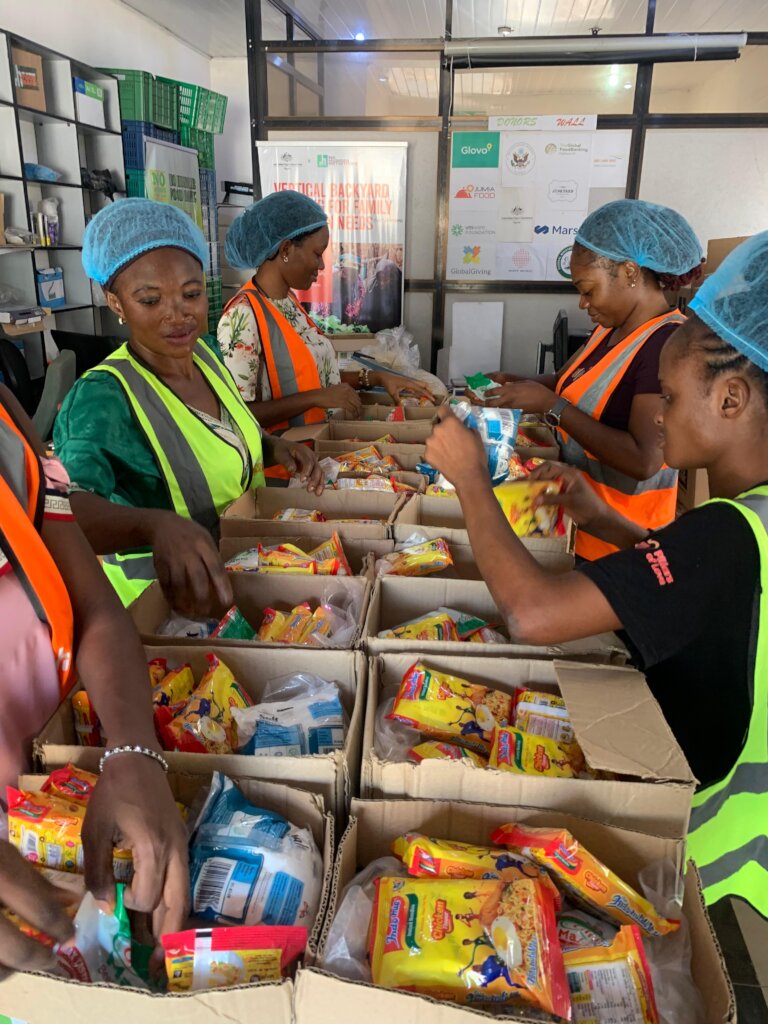
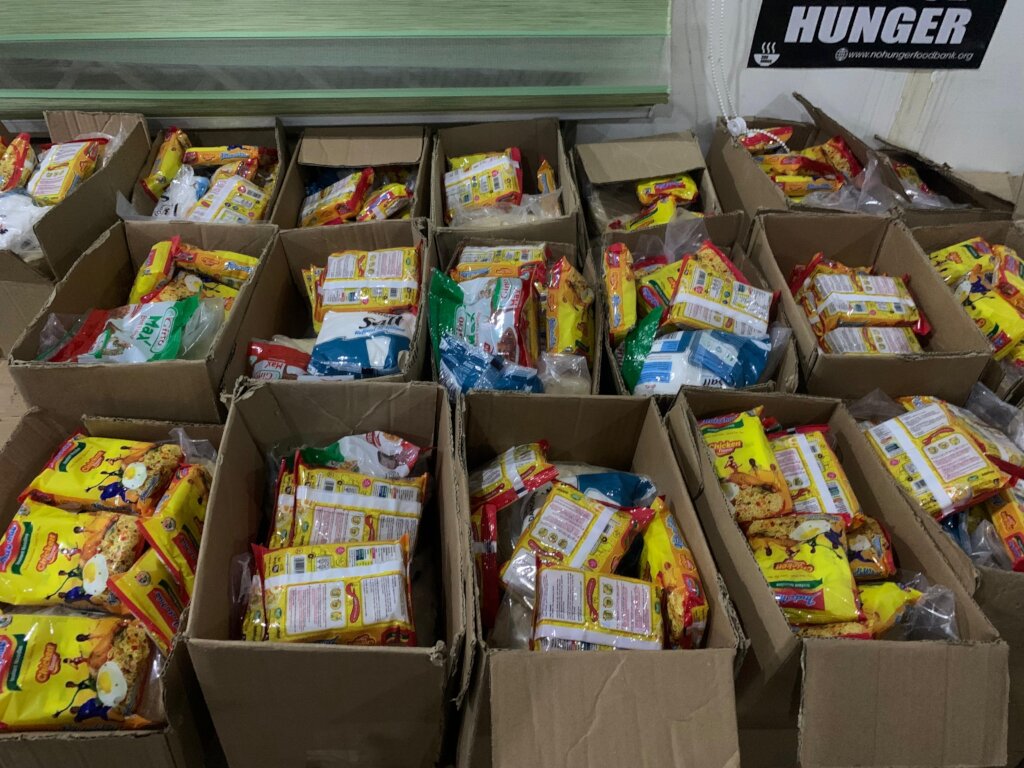
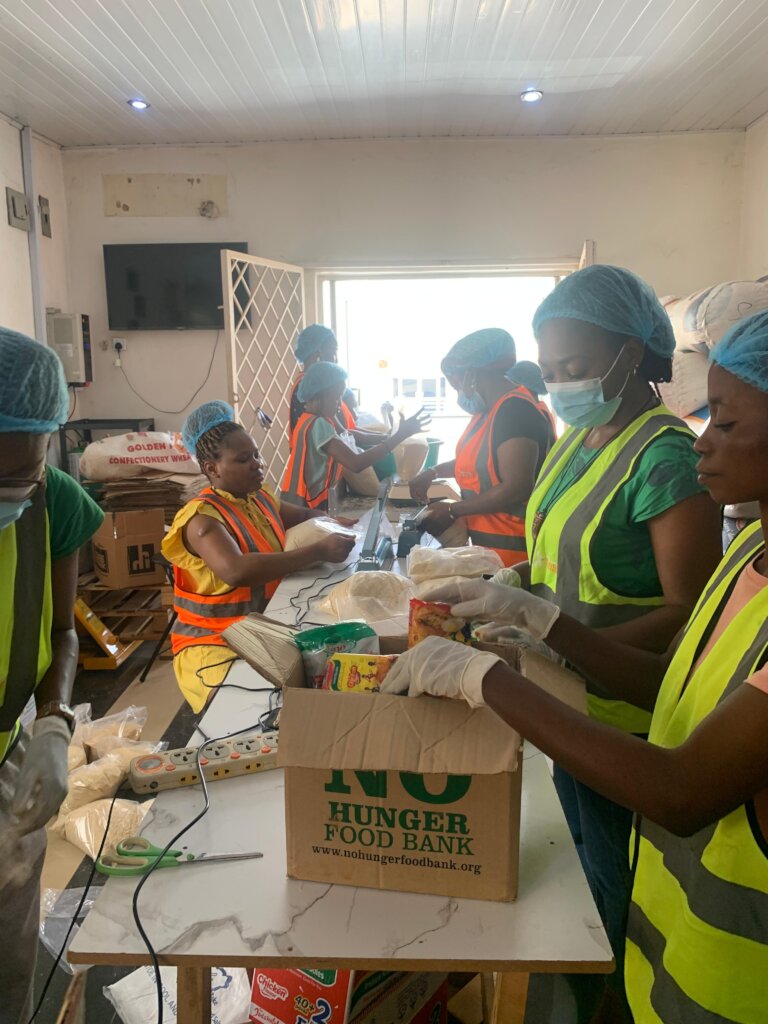
Efficiently used resources to give out school supplies, uniforms, and healthy meals to all enrolled girls so that they all got what they needed.
Advocacy and Awareness
Started a targeted awareness campaign that included community workshops where people could ask questions and social media outreach to teach families about the benefits of girls' education and how nutrition affects learning.
Successes: Enrollment and Retention Rates
Currently, 70% of the targeted girls are enrolled in school and going to class every day. This is a big increase from what was expected at first, thanks to the daily meals.
Success in distributing resources
Distributed school supplies and uniforms to all enrolled girls, which helped them get ready for school and feel more confident about going.
More than 300 girls have used counseling services, and many of them say they feel better emotionally and are more resilient.
Getting involved in the community
The awareness campaign has gotten more people in the community involved, and more families are supporting their daughters' education. This has led to a change in culture that values girls' schooling.
Problems that keep happening
Problems with logistics: Transportation problems that keep happening have slowed down the delivery of meals and school supplies to some places, which has made support less reliable.
Cultural Barriers: Some families still don't want to put their daughters' education first, even though things are getting better. This is because they still hold on to traditional views on gender roles and are worried about money right now.
Suggestions for what to do next
Sustainability Efforts: Continue to work with local schools to make sure that displaced girls always have access to educational resources and support.
Mentorship Programs: Make mentorship programs bigger so that girls can get more academic and emotional support as they go through school.
Continued Advocacy: Work harder to change how people think about girls' education by focusing on the long-term benefits of investing in their future.
Conclusion
The "Support 550 Displaced Girl Children Back to School" project has done a great job of helping vulnerable girls by meeting their nutritional and educational needs. By focusing on the links between hunger and education, we are not only making it easier for these girls to go to school, but we are also giving them the tools they need to make a better future for themselves. To break the cycle of poverty and make sure that the effects last, we need to keep working with community partners and investing in education and nutrition.
Links:
Project reports on GlobalGiving are posted directly to globalgiving.org by Project Leaders as they are completed, generally every 3-4 months. To protect the integrity of these documents, GlobalGiving does not alter them; therefore you may find some language or formatting issues.
If you donate to this project or have donated to this project, you can receive an email when this project posts a report. You can also subscribe for reports without donating.



Support this important cause by creating a personalized fundraising page.
Start a Fundraiser