By Bola Adedugbe | Youth & Agriculture Researcher
The "Support 550 Displaced Girl Children Back To School" project, launched by No Hunger Food Bank, is dedicated to meeting the nutritional and educational needs of young girls displaced by socio-economic hardships such as conflict, natural disasters, and poverty. This progress report highlights the project’s objectives, implementation strategies, achievements, and future directions, with a focus on the impact of hunger on educational opportunities and long-term success for these girls.
Project Objectives
Combat Hunger: Provide regular, nutritious meals to support the girls' physical and mental health, promoting better learning outcomes.
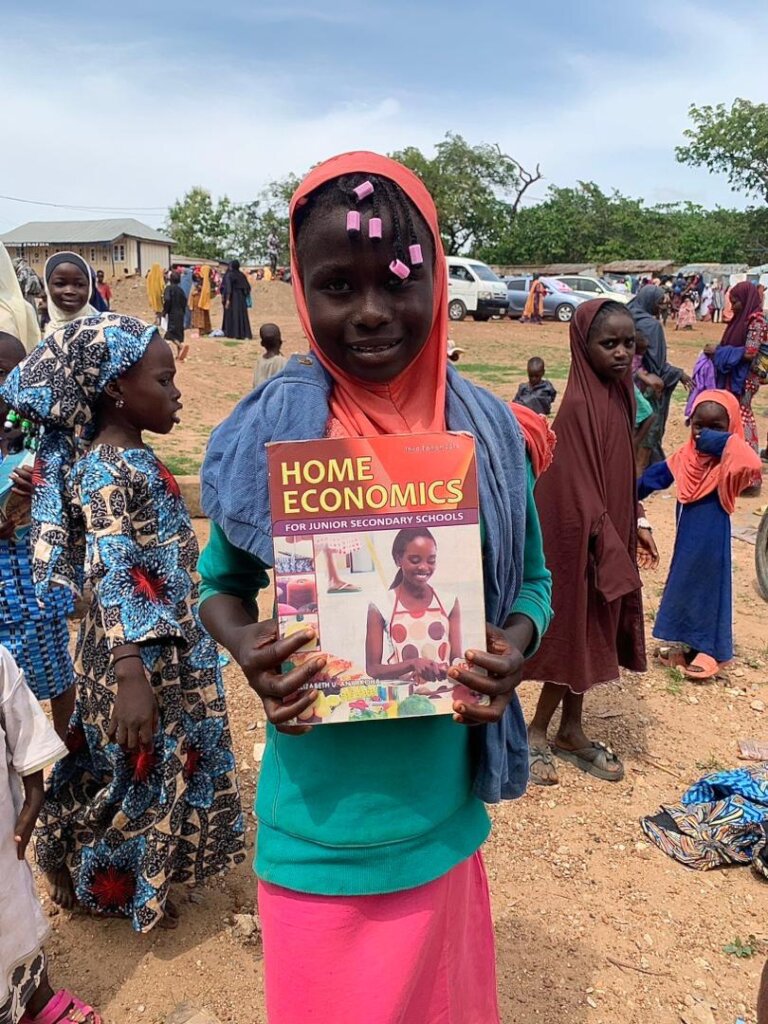
Provide Educational Materials: Distribute essential school supplies, uniforms, and educational resources to 550 displaced girls.
Facilitate School Enrollment: Ensure enrollment in local schools, coupled with adequate educational support.
Raise Community Awareness: Advocate for the importance of girls' education to counter stigma and encourage family involvement.
Enhance Mental Well-being: Offer counseling and mentorship programs to help girls navigate their new environments and cope with trauma.
Project Implementation
Needs Assessment
A comprehensive needs assessment was conducted with community leaders to pinpoint the specific challenges faced by displaced girls, focusing on educational and nutritional barriers:
Surveys identified barriers to education and food insecurity.
Interviews with families provided insights into their needs and concerns.
Consultations with local schools assessed their capacity to accommodate new students.
Partnerships
No Hunger Food Bank forged key partnerships to meet project objectives:
Local Schools: Facilitating enrollment and educational support.
Community Organizations: Enhancing outreach and awareness efforts.
Nutrition Experts: Ensuring meals are nutritious and health-promoting.
Mental Health Professionals: Offering necessary counseling services.
Resource Allocation
Resources were allocated effectively to ensure:
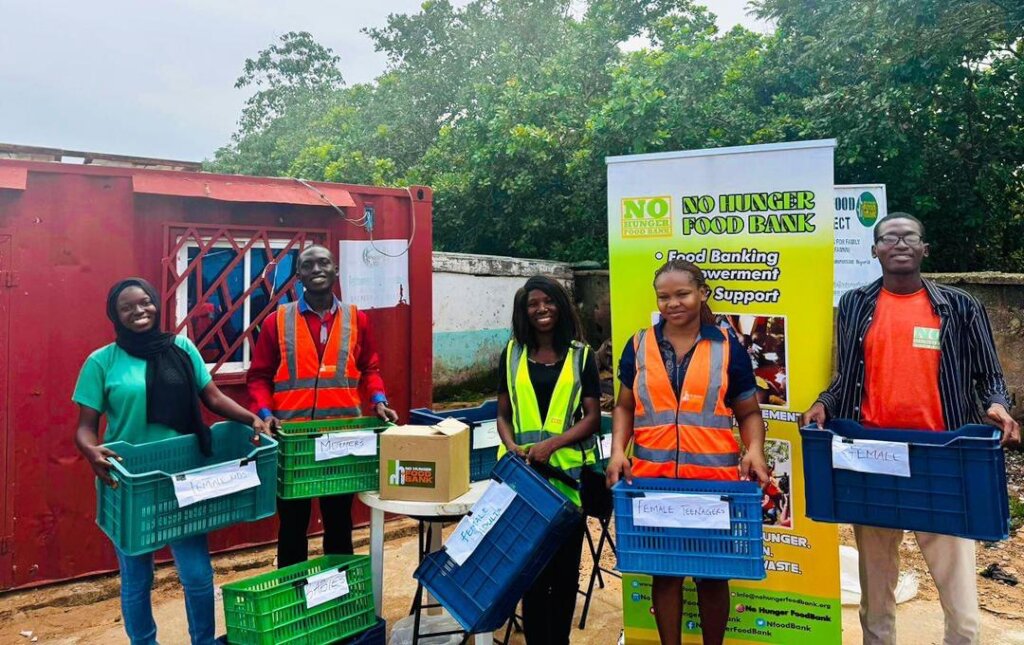
School Supplies: Distribution of backpacks, books, stationery, and uniforms.
Nutritious Meals: Implementation of meal programs to combat hunger and improve focus in the classroom.
Transportation Support: Assistance for girls needing help to travel to school.
Awareness Campaign
An awareness campaign was launched to highlight the significance of girls' education and the detrimental effects of hunger:
Community workshops discussed the relationship between nutrition, education, and early marriage.
Social media initiatives showcased the stories of affected girls, emphasizing the benefits of education.
Outcomes
Enrollment and Attendance
Attendance Success: As of now, attendance rates have soared, with over 65% of girls regularly attending classes, supported by the provision of nutritious meals.
Resource Distribution
Supplies Provided: All enrolled girls received necessary school supplies, uniforms, and access to daily nutritious meals.
Counseling Impact: More than 280 girls participated in counseling sessions, reporting enhanced emotional well-being and motivation.
Community Engagement
Increased Community Support: The campaign has fostered greater community backing for girls' education and nutrition, with more families expressing willingness to prioritize schooling.
Strengthened Partnerships: Enhanced relationships with local schools and community leaders have created a robust support network for displaced children.
Challenges
Logistical Hurdles: Distribution of supplies and meals faced delays due to transportation issues.
Cultural Resistance: Some families were initially reluctant to enroll their daughters in school due to traditional views on gender roles and immediate food needs.
Recommendations
Sustainability Initiatives: Establish long-term partnerships with local schools and nutrition programs to ensure ongoing support for displaced girls.
Continued Support Programs: Implement mentorship and tutoring to assist girls academically and socially while addressing food insecurity.
Advocacy Efforts: Sustain advocacy to shift cultural perceptions about girls' education and the importance of tackling hunger.
Conclusion
The "Support 550 Displaced Girl Children Back To School" project has made significant progress in providing essential educational and nutritional support to vulnerable girls. By addressing the intertwined challenges of hunger and education, we have not only improved immediate access to schooling but also contributed to preventing early marriages and dropouts. Through the collaborative efforts of No Hunger Food Bank, community partners, and supporters, we are fostering a nurturing environment for lasting success. Continued investment in education and nutrition is vital for breaking the cycle of poverty and empowering future generations.
Links:
Project reports on GlobalGiving are posted directly to globalgiving.org by Project Leaders as they are completed, generally every 3-4 months. To protect the integrity of these documents, GlobalGiving does not alter them; therefore you may find some language or formatting issues.
If you donate to this project or have donated to this project, you can receive an email when this project posts a report. You can also subscribe for reports without donating.



Support this important cause by creating a personalized fundraising page.
Start a Fundraiser