By Dr. Aaron Bataamye | Veterinarian/ Sanctuary Manager.
Introduction:
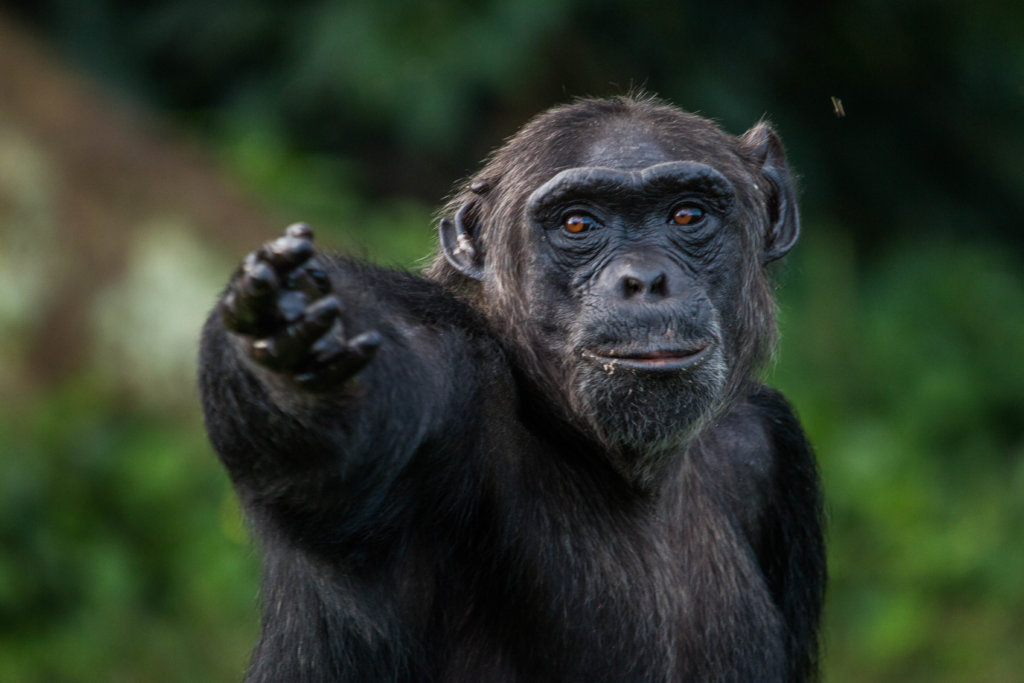
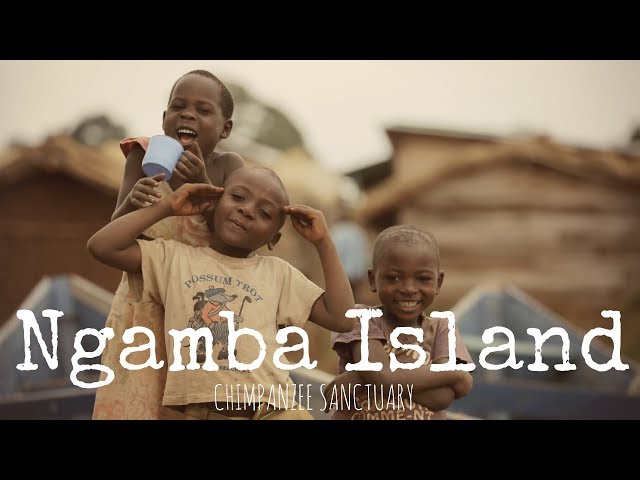
Ngamba Island Chimpanzee Sanctuary was established in 1998 through a collaboration of national and international organizations. The sanctuary is dedicated to providing the highest standards of healthcare and welfare for entrusted chimpanzees, while conserving the sanctuary’s ecosystem and implementing long-term strategies for chimpanzee and habitat conservation both at Ngamba and across Uganda.
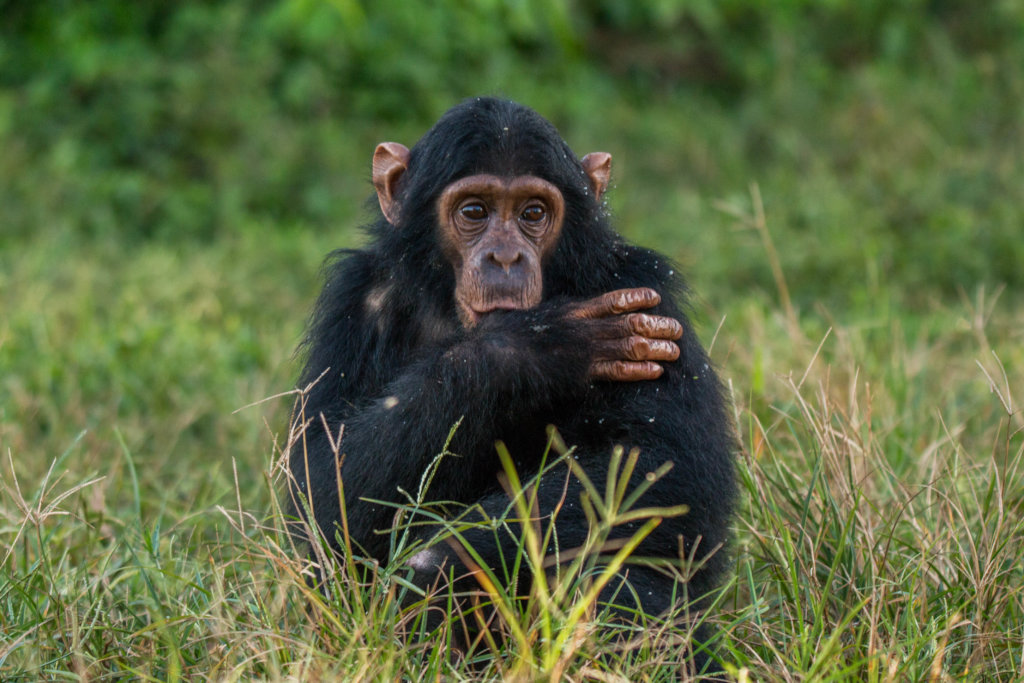
Currently, the sanctuary is home to 55 orphaned and rescued chimpanzees, including two captive-born infants welcomed in November 2025. Their daily welfare needs are met by the Chimpanzee Trust, which oversees feeding, enrichment, veterinary care, infrastructure maintenance, and staffing.
Chimpanzee Feeding:
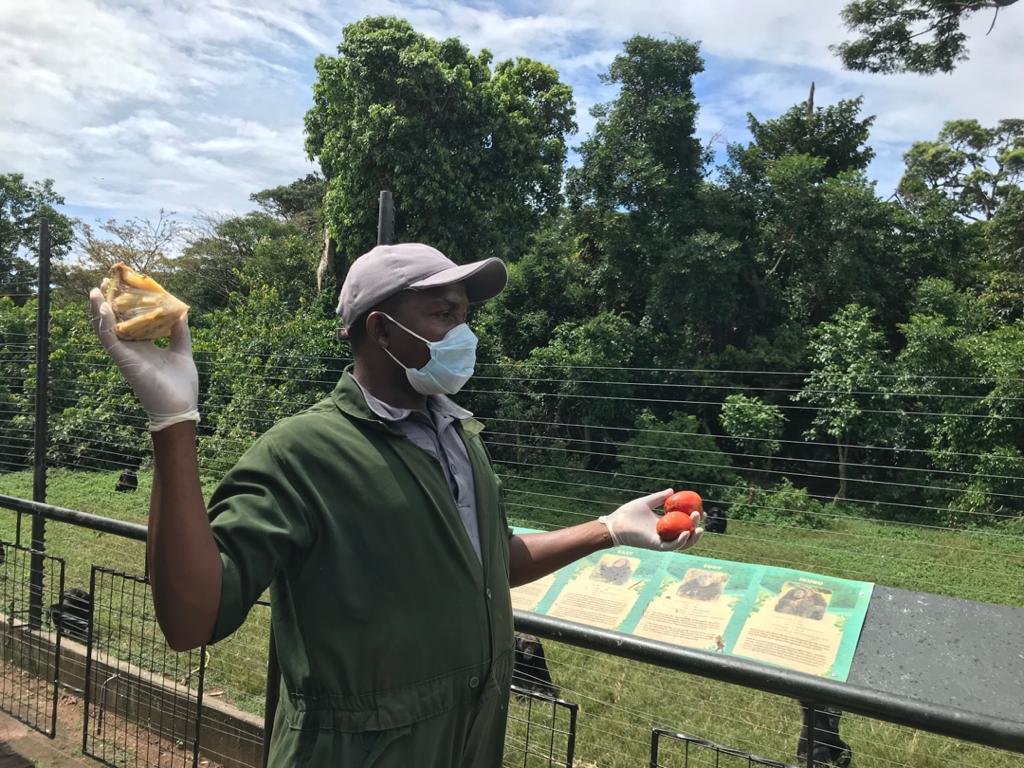
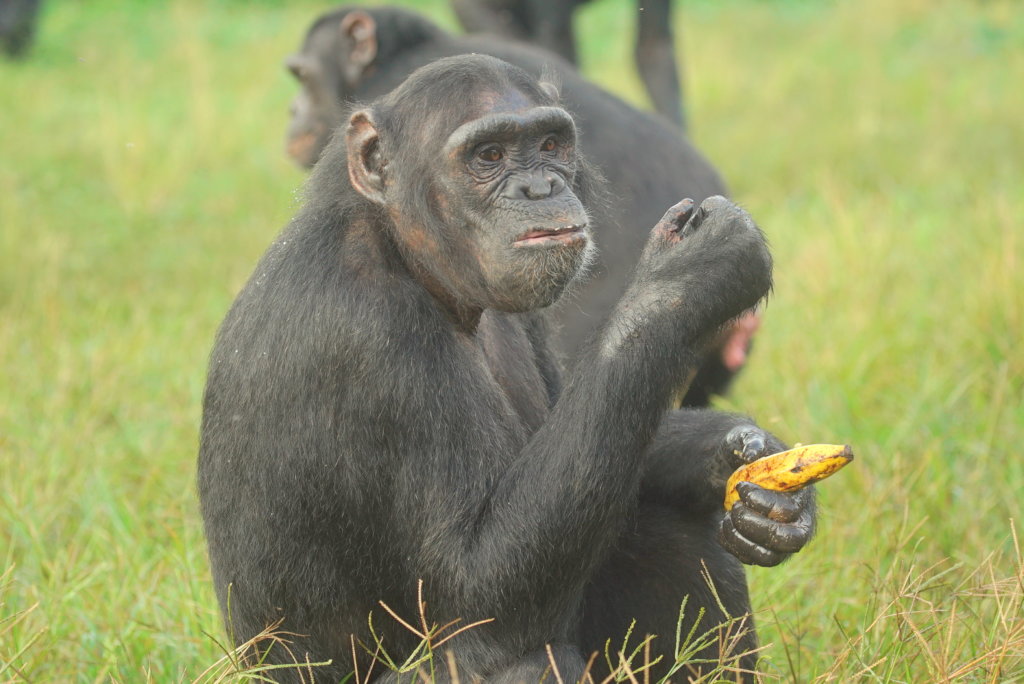
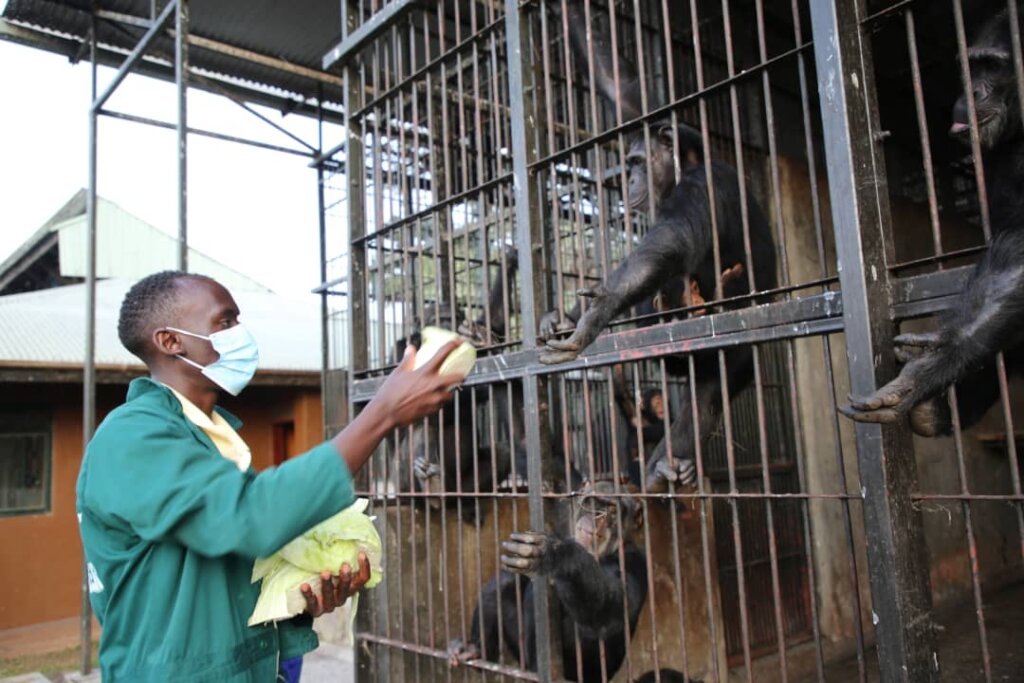
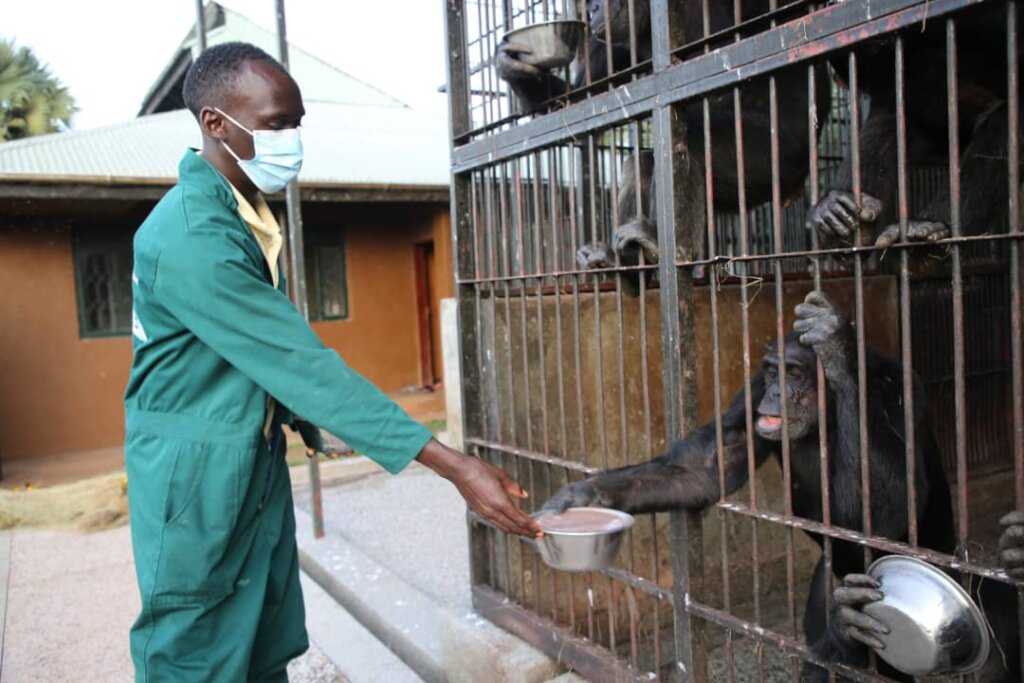
We are deeply grateful for the generous financial support received through the GlobalGiving platform, which has enabled us to provide food for all 55 chimpanzees. Approximately 90% of their diet is sourced from the market and consists of dry rations such as cornmeal mixed with lentils, millet, and soy flour. Fresh foods include cabbage, papaya, potatoes, okra, tomatoes, eggs, onions, cassava, red beans, and bananas.
Feeding is carried out routinely both outdoors and indoors (in the holding facility) by caregivers.
The chimpanzees follow a consistent schedule of four meals daily at 8:00 AM, 11:30 AM, 2:30 PM, and 6:00 PM.
Day-to-Day Welfare:
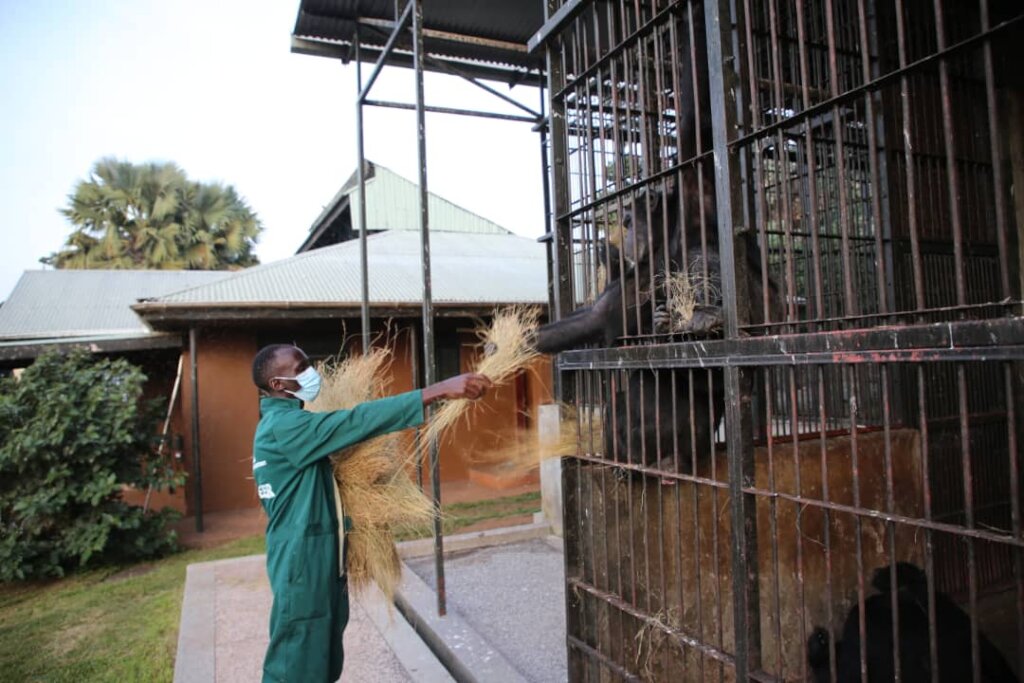
Enrichment materials such as hay, grass, and hammocks are regularly repaired to ensure comfortable bedding at night. Caregivers also provide honey and peanuts to reduce abnormal behaviors such as fighting and coprophagy.
Enrichment materials such as hay, grass, and hammocks are regularly repaired to ensure comfortable bedding for the chimpanzees at night.
Veterinary Care:
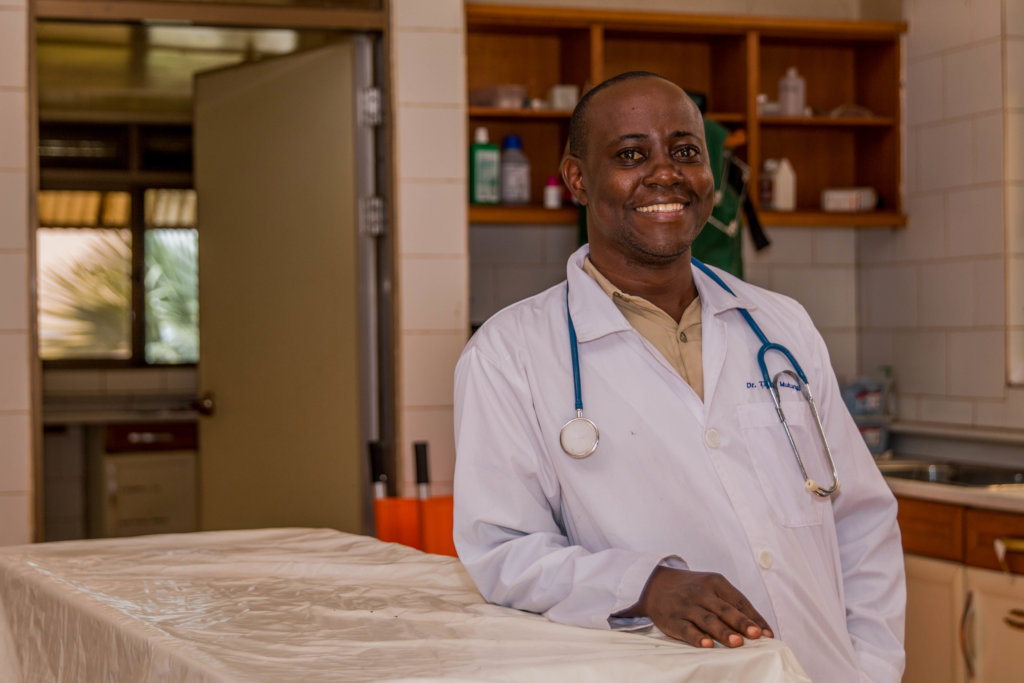
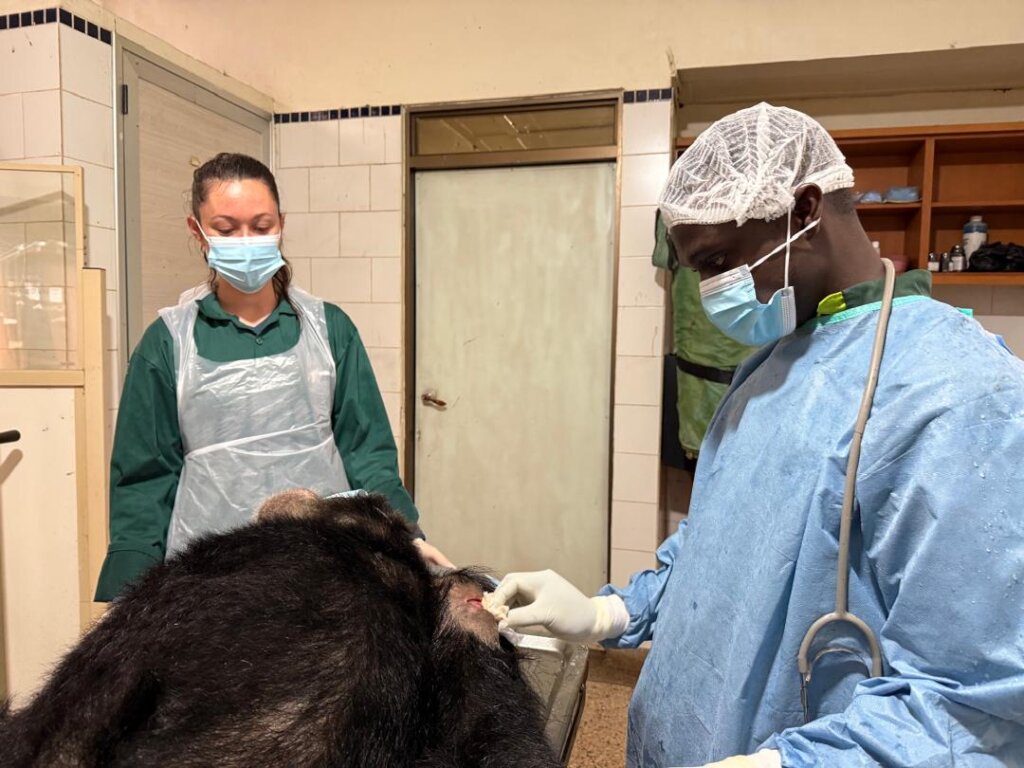
The chimpanzees are monitored daily by the resident veterinarian and a dedicated team of caregivers for signs of illness or injury. Over the past three months, 23 minor injuries and five major injuries were recorded. Minor injuries, often resulting from group tensions over mates, hierarchy, and food, were treated with topical antiseptic sprays, while four cases required stitching.
Chimpanzees over 30 years of age receive monthly multivitamins to boost immunity. Additionally, all chimpanzees are regularly dewormed using a standard anthelmintic cycle.
Gabion Wall Repairs:
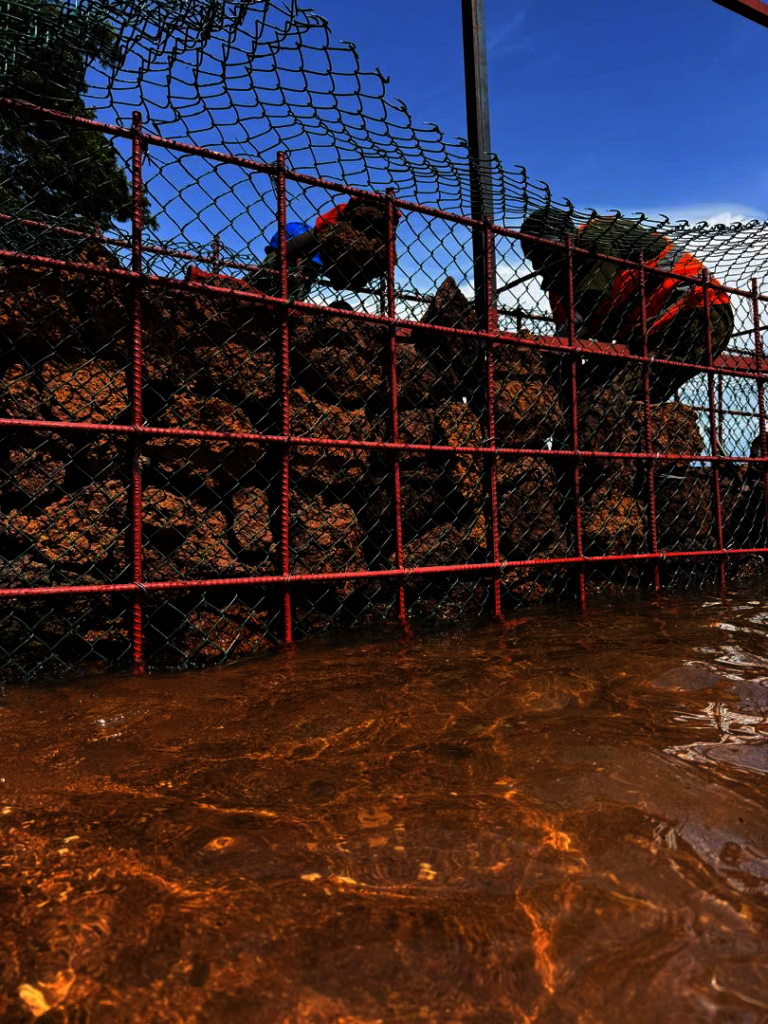
Strong lake winds continually push water against the shore, causing erosion and damage to the gabion walls. This creates holes and cracks that could lead to potential escapes.
To address this, weak points are promptly reinforced. Plastic-coated galvanized boxes are laid, filled with hardcore stones, and strengthened with Y-16 iron bars. These structures provide stability and durability against the elements.
Call for Continued Support:
The sanctuary continues to rely on the generosity of donors and conservationists to enhance the healthcare and welfare of the orphaned chimpanzees under our care. With your support, we have been able to fulfill much of our mandate both on and off the island.
We remain deeply grateful for your contributions and look forward to your continued partnership.
Links:
Project reports on GlobalGiving are posted directly to globalgiving.org by Project Leaders as they are completed, generally every 3-4 months. To protect the integrity of these documents, GlobalGiving does not alter them; therefore you may find some language or formatting issues.
If you donate to this project or have donated to this project, you can receive an email when this project posts a report. You can also subscribe for reports without donating.



Support this important cause by creating a personalized fundraising page.
Start a Fundraiser