By Mary Thompson | Organizational Development Advisor
Activities
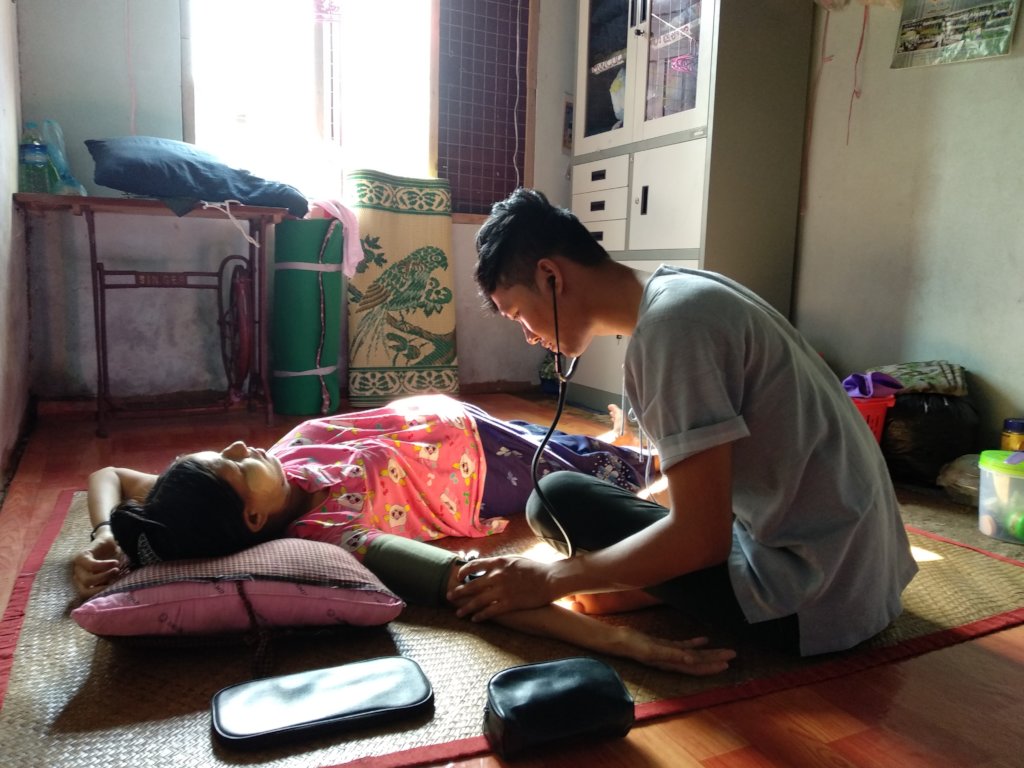
We were able to support more people than anticipated. Over 6 months, 19 adults and 7 children have stayed in the safehouse.
We supported a broad range of beneficiaries: sex workers, child survivors, domestic violence survivors, single mothers and LGBTQ cases.
Considering our small operating budget, we feel we are managing to provide a great deal of support to beneficiaries. We have made a little stretch a long way in regards to how many people and how much attention we’re able to give them. This is especially noteworthy because many of the beneficiaries we work with are youth who need even extra attention.
Story of Change
Beneficiary Ei Ei (changed name) was earning an income as a sex worker when she become pregnant (not her first child) at age 19. When the child was born, she sold the baby, as she had with the previous children. After we came into contact with her and offered support, we were able to return her baby to her and house them in the safehouse. Through a lot of support from the safehouse manager, JCSDO staff, and volunteers, she has grown very attached to her baby, and is determined to find a different way to earn an income. At first she was very skeptical of staying in the safehouse, but she now feels it has been very beneficial, and that she will stay until she can stand on her own.
Challenges
Trying to enforce a maximum of 6 months stay in the safehouse is very challenging, especially for adolescents and single mothers. Without effective systems and welfare considerations for them, often they just return back to the same dire situation they escaped from the first time. Single mothers also need to be able to earn an income before we can ask them to leave. We are working hard to find solutions to help our beneficiaries get on their feet. We are trying to set up an income generation enterprise based out of the safehouse to make napkins, although this has slightly stalled. We also try to match some of our residents with work nearby, and have placed one woman in a nearby restaurant.
We are not finding many opportunities to fundraise for safehouse operation. Very few calls for proposals even cover service provision for GBV. So although we are always looking, this has been a big challenge for us.
For special needs cases, like adolescents, or those with mental health issues, we know that we should refer to another, more specialized agency. Unfortunately, in Mawlamyine we have few organizations that we feel comfortable referring to. The Department of Social Welfare, for example, runs a safehouse, but we have heard so many complaints from beneficiaries that we have become hesitant to ask for their support. When considering the Do No Harm principle, we feel concerned that it is more harmful to refer these special cases than to try to manage it ourselves.
Because we are supporting school-attending aged children and youth, we try to manage so that they can go to school near to the safehouse. This has been a major challenge, as we face stigma and lack of understanding from teachers. Our beneficiaries often feel unwelcome and marginalized, and the stop going. We are looking into non-formal education for beneficiaries for the future, with ideas like tutors or reaching out to INGOs providing education services in Mawlamyine
Lessons Learned
Although having one full time staff in the safehouse has made a signifiant improvement in environment of the house, we can see clearly that more staff are needed (more budget).
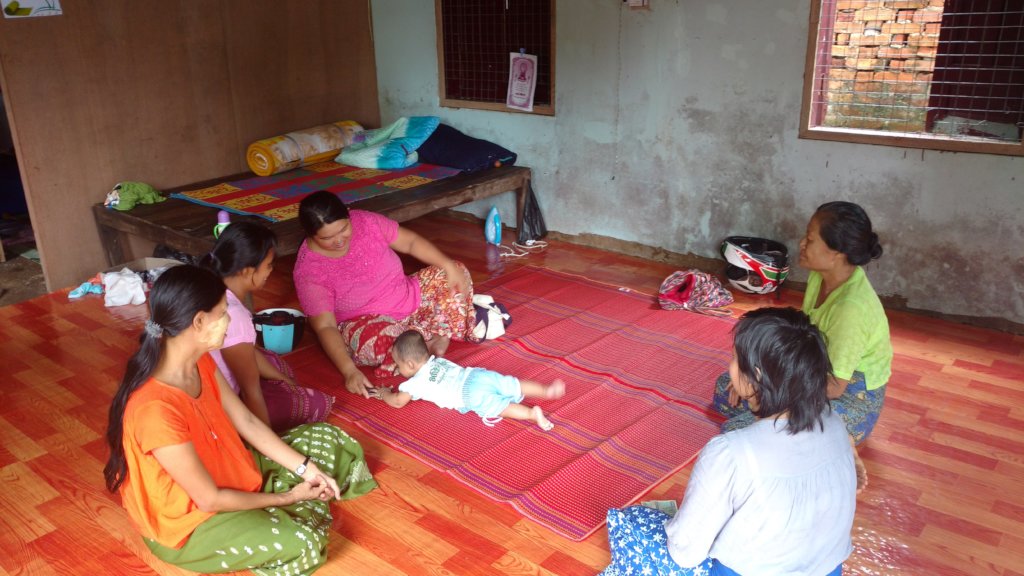
At the time of report submission, 8 youth and women and 4 babies are living in the space, and it is crowded. It is an unfortunate reality that as more people become aware of the safehouse, more people will seek shelter there. It has become clear during this period that getting more space is a priority.
We know we need to increase our capacity to provide psycho-social first-aid and counseling. We are searching for opportunities for this.
We also want to give more support to the new mothers in the safehouse to learn about maternal and infant health, how to manage babies.
Project reports on GlobalGiving are posted directly to globalgiving.org by Project Leaders as they are completed, generally every 3-4 months. To protect the integrity of these documents, GlobalGiving does not alter them; therefore you may find some language or formatting issues.
If you donate to this project or have donated to this project, you can receive an email when this project posts a report. You can also subscribe for reports without donating.