By Andrea Aquino | Communications and Development Associate
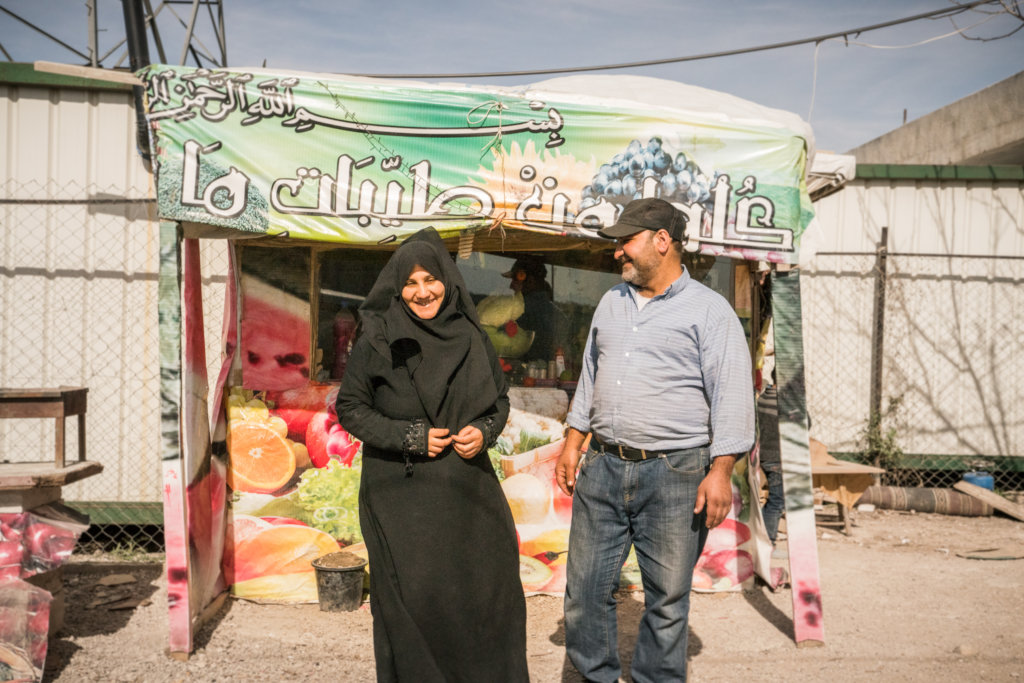
Bourj Hammoud, a densely populated and diverse city on the outskirts of Beirut, Lebanon, is home to over 94,000 people from several ethnicities, nationalities, and religions. Living conditions in this suburb are very crowded and substandard. Commonly known through the years as the “hub for refugees”, Bourj Hammoud is now home to over 18,000 Syrians who have fled to Lebanon for a better life.
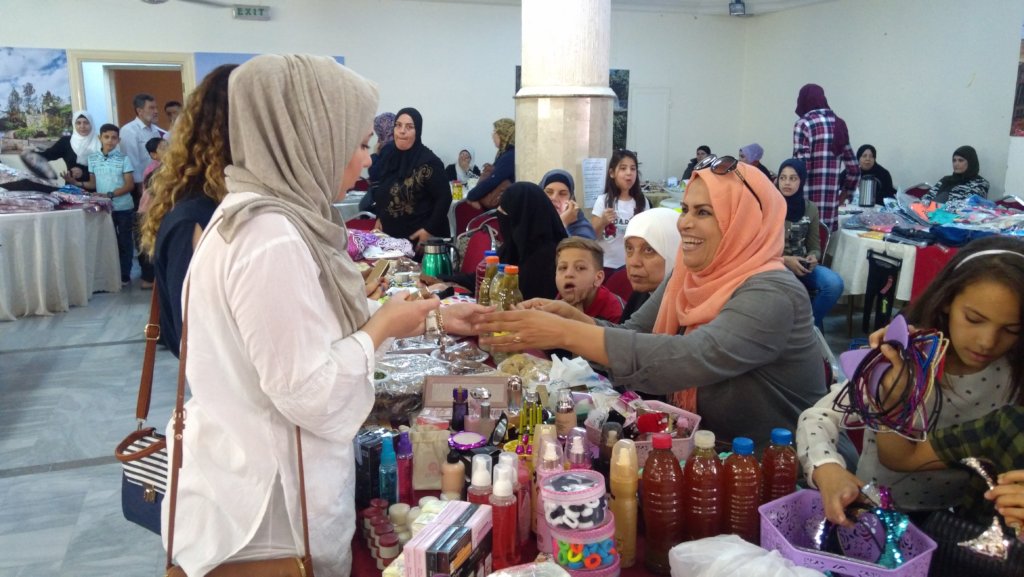
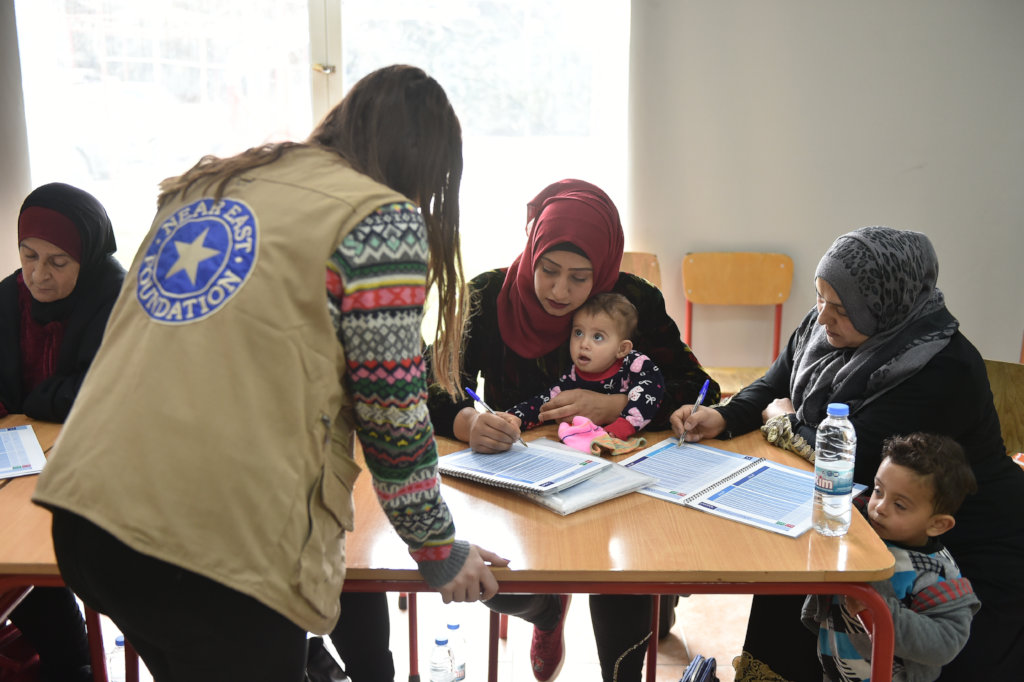
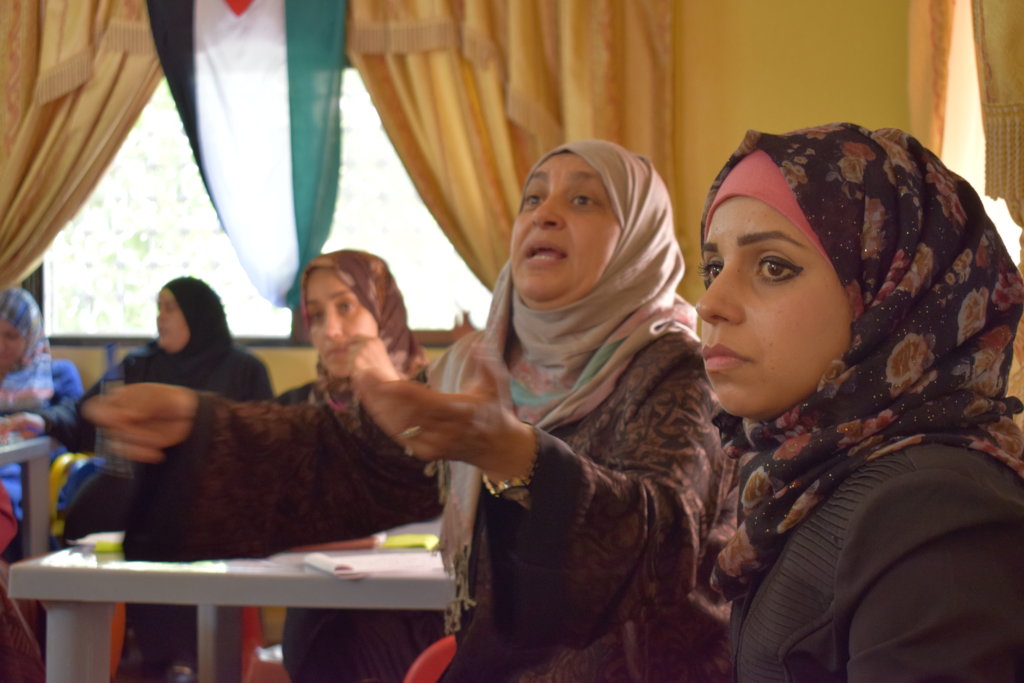
Most refugees have little to no source of sustainable income as their savings have been depleted—pushing them into risky coping strategies like child labor and exploitative, illegal, or demeaning work. With an aim to improve access to food and increase the economic resilience of at least 150 poor Syrian and Lebanese families over the coming months, NEF is focused on cost-effective solutions to achieve self-reliance through urban agriculture, small business development, financial literacy, and group savings.
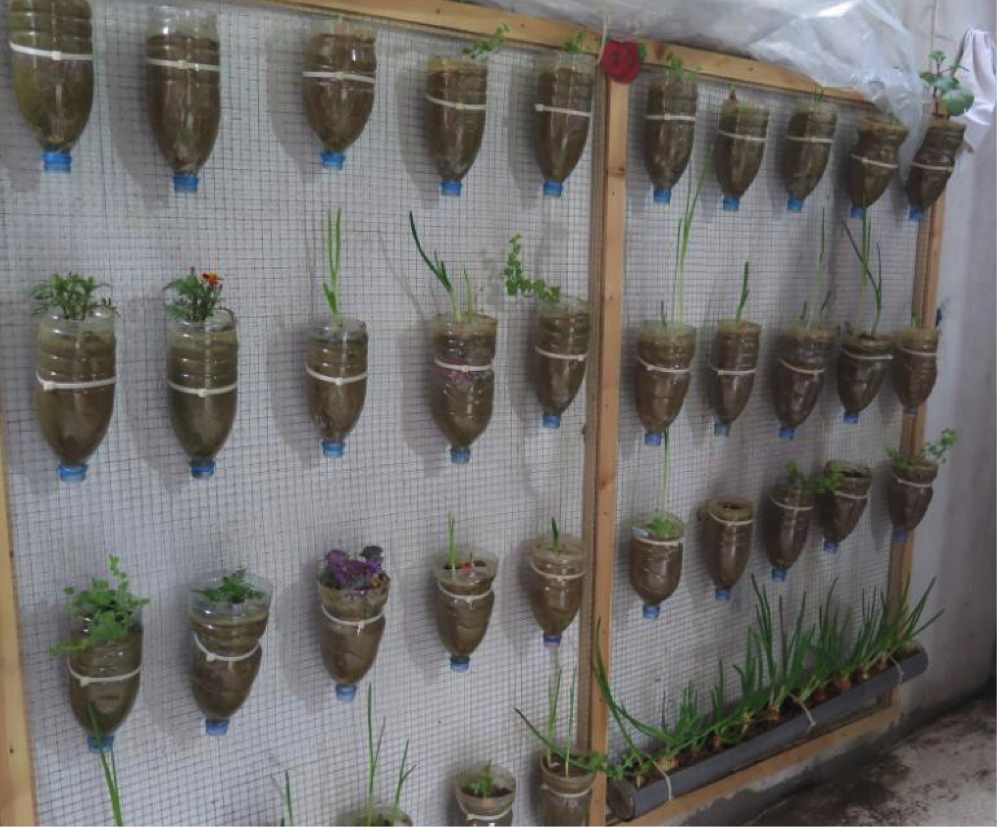
NEF is working with the American University of Beirut (AUB) and the YMCA-Lebanon to help vulnerable families grow fresh fruits and vegetables at home by providing training and start-up materials for container gardening, vertical gardening, and/or rooftop gardening.
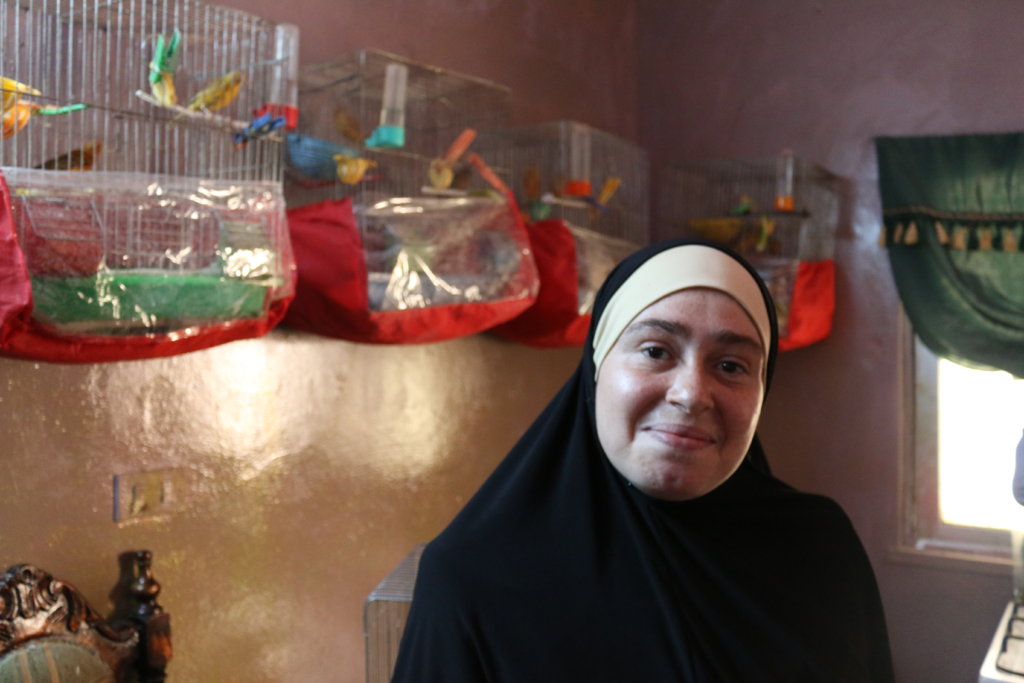
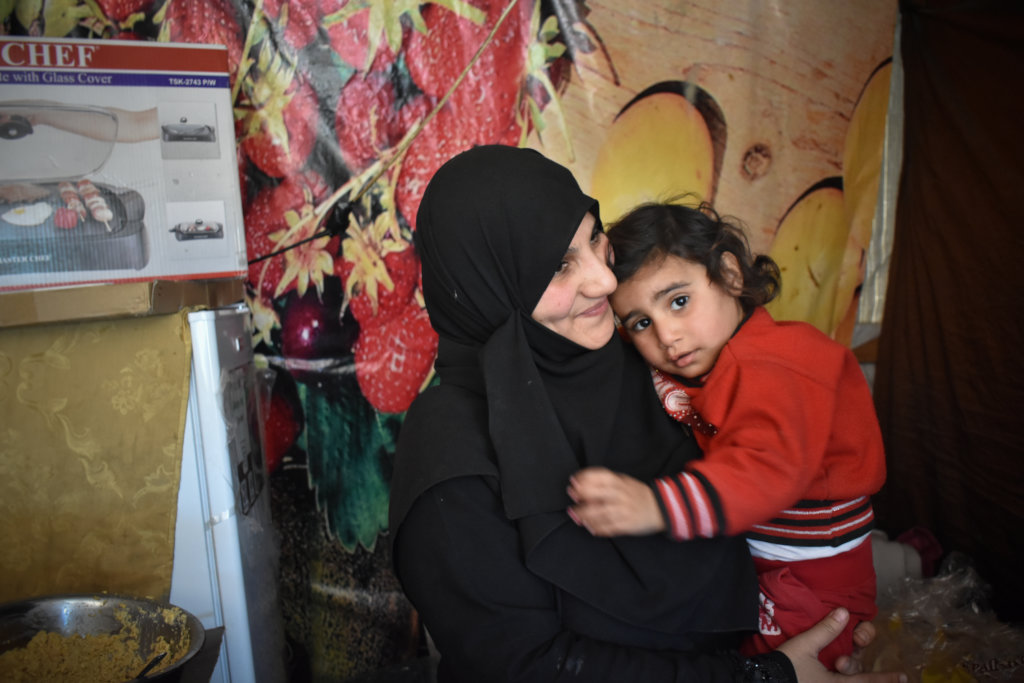
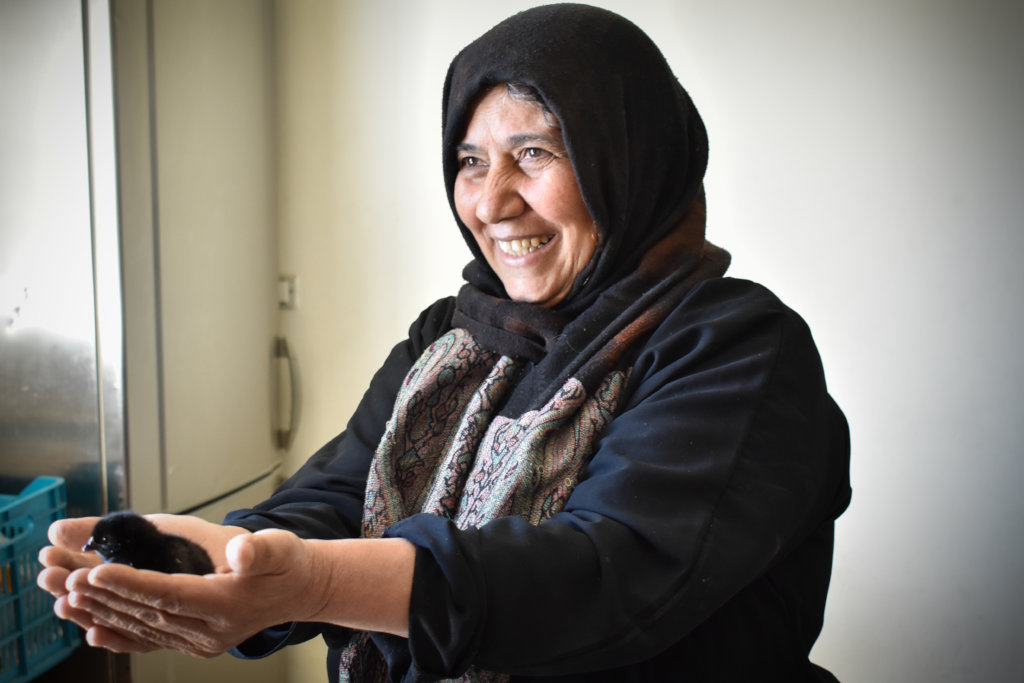
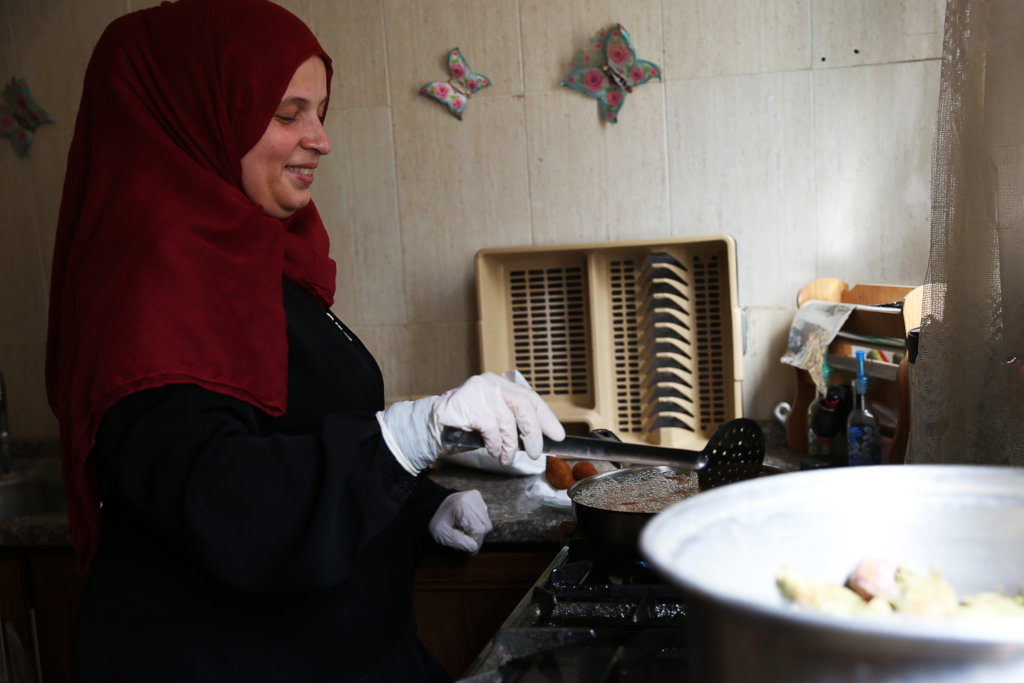
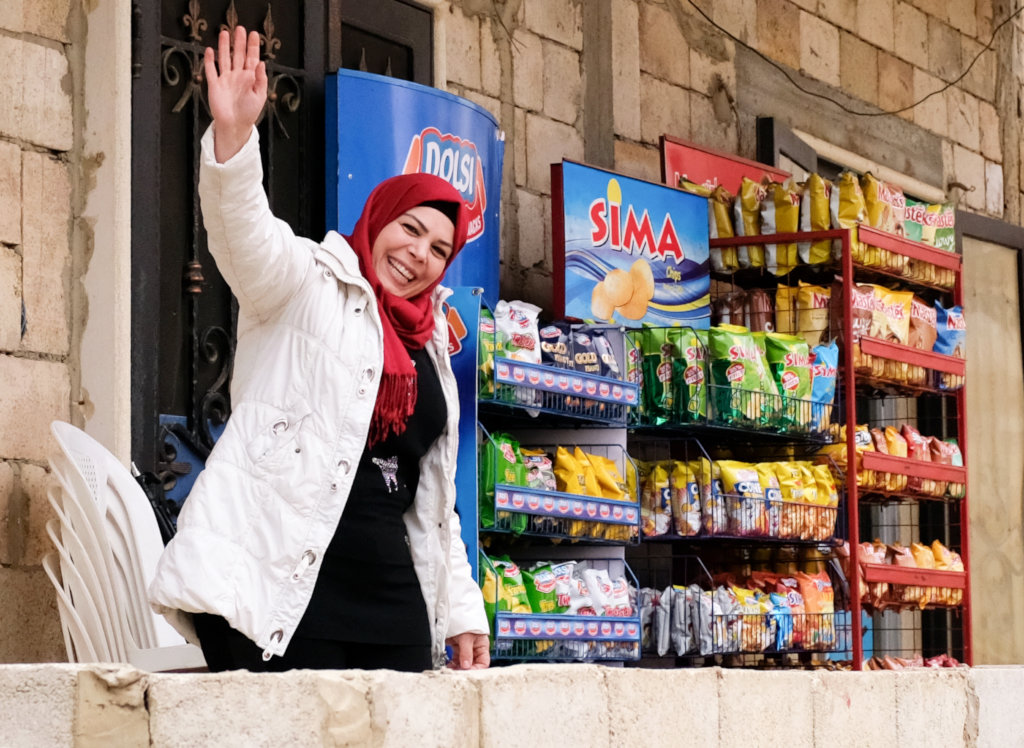
The very first woman to welcome the idea of urban agriculture into her home is Araxi. Araxi is a Syrian refugee who escaped the war three years ago. Like most Syrian refugees in Lebanon, she is struggling with insufficient financial resources as she and her husband try to put their two children through school, pay rent, and put food on the table.
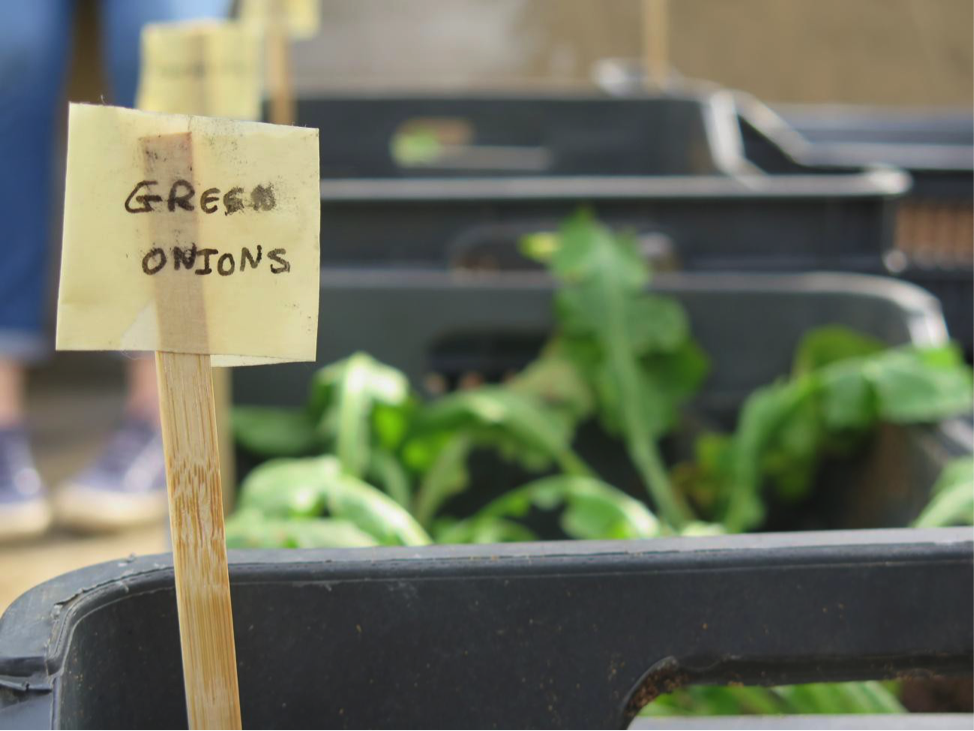
After installation in early October, Araxi is already benefitting from the vertical garden which will yield enough onions, garlic, thyme, marjoram, and mint to use in her kitchen—reducing expenses she would otherwise incur purchasing these vegetables elsewhere.
“The kit was just recently installed, but the onion leaves are shooting, and my aunt and I already ate from them. On another note, the week I harvested the green onion leaves, I did not go to the supermarket to purchase onions or green onion leaves. In the long run, this will make a lot of difference.”
With diminishing humanitarian aid, your support is appreciated more than ever. Thank you for your continued support of the Near East Foundation, and for helping women like Araxi and her family find safe and sustainable solutions to achieve food and financial security!
Links:
Project reports on GlobalGiving are posted directly to globalgiving.org by Project Leaders as they are completed, generally every 3-4 months. To protect the integrity of these documents, GlobalGiving does not alter them; therefore you may find some language or formatting issues.
If you donate to this project or have donated to this project, you can receive an email when this project posts a report. You can also subscribe for reports without donating.



Support this important cause by creating a personalized fundraising page.
Start a Fundraiser