By Kristin Sheehan | Director of Communications
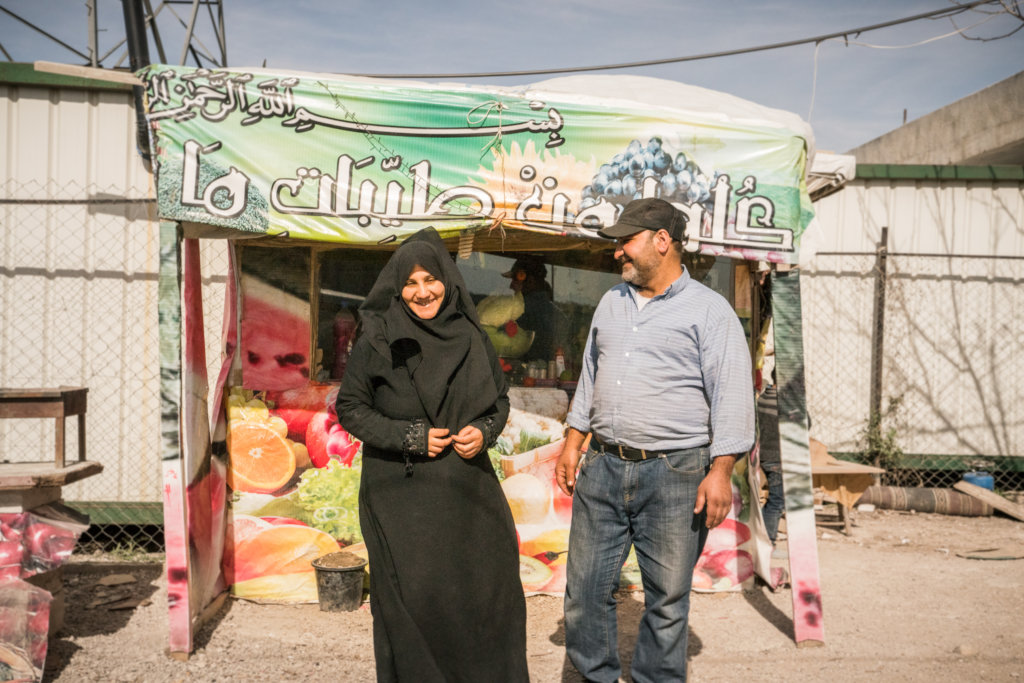
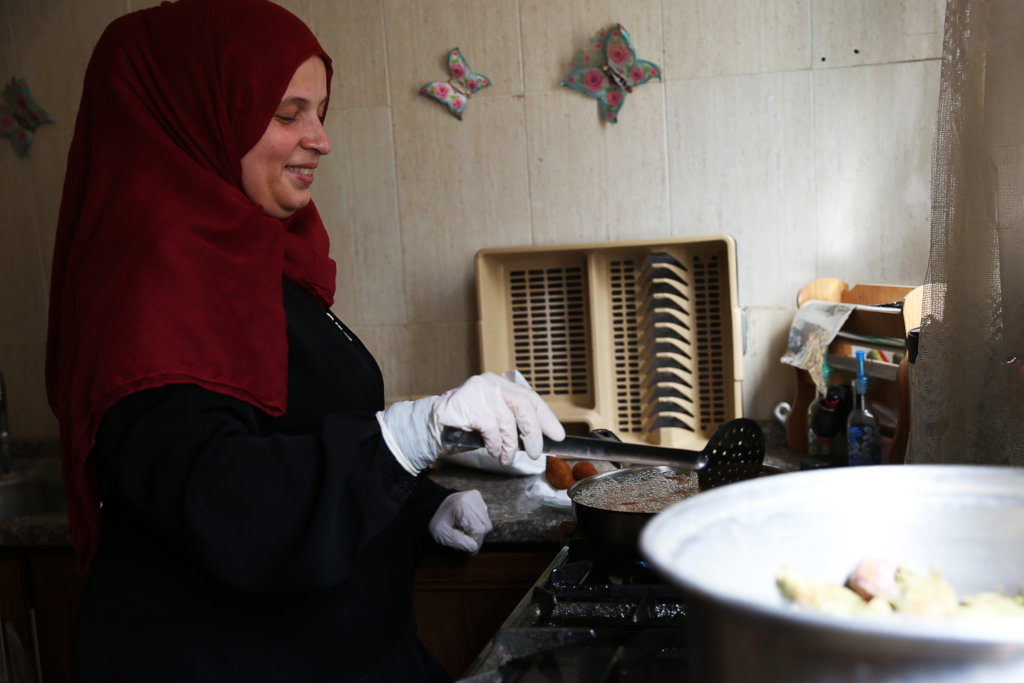
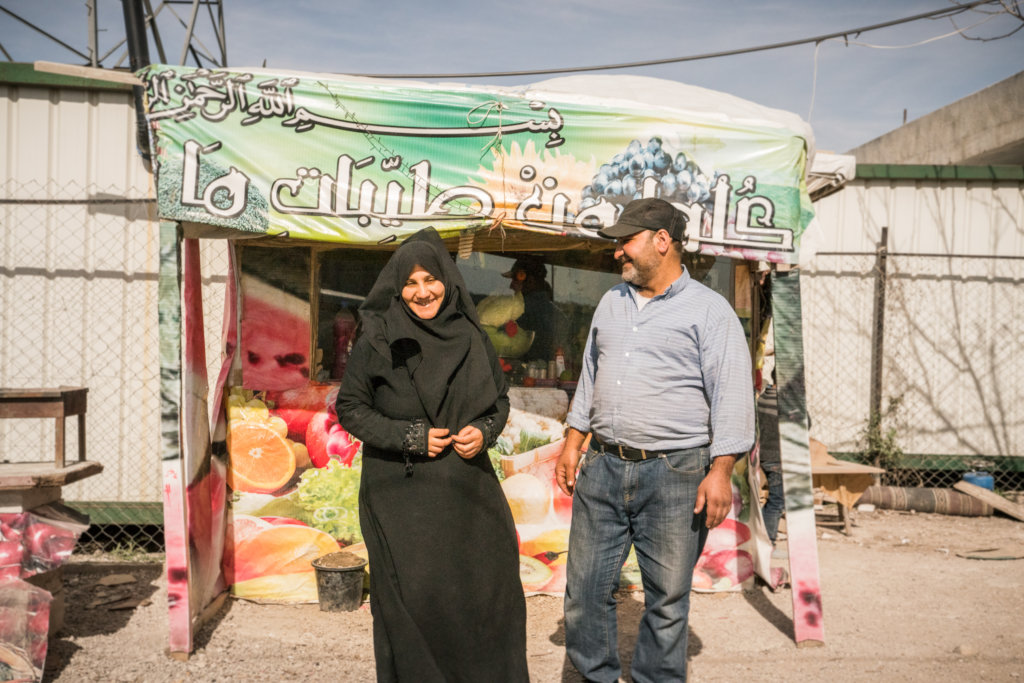
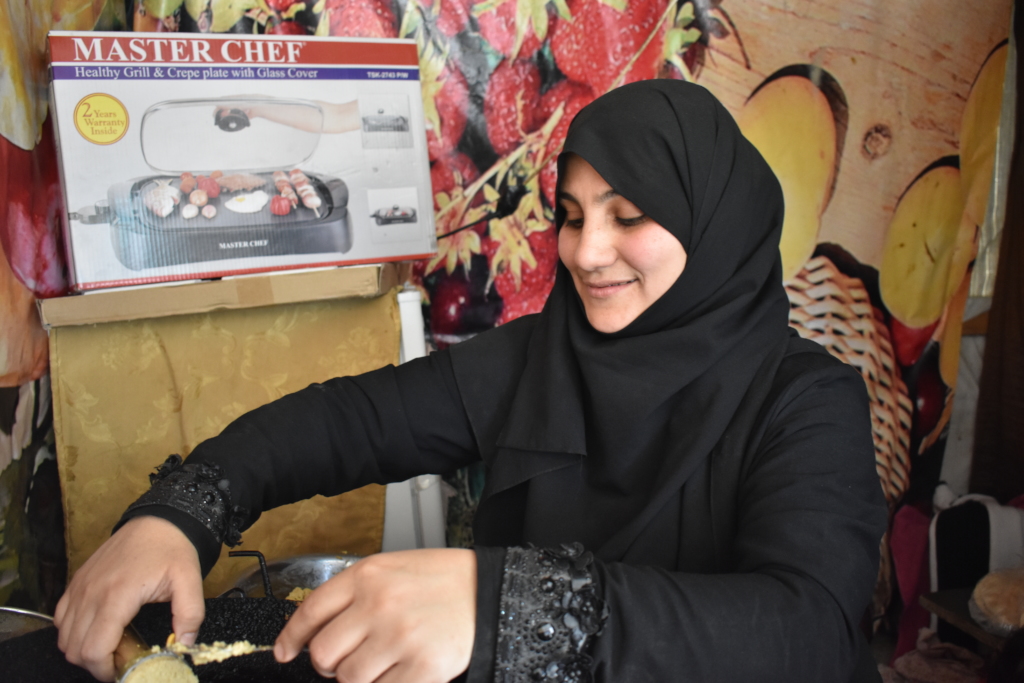
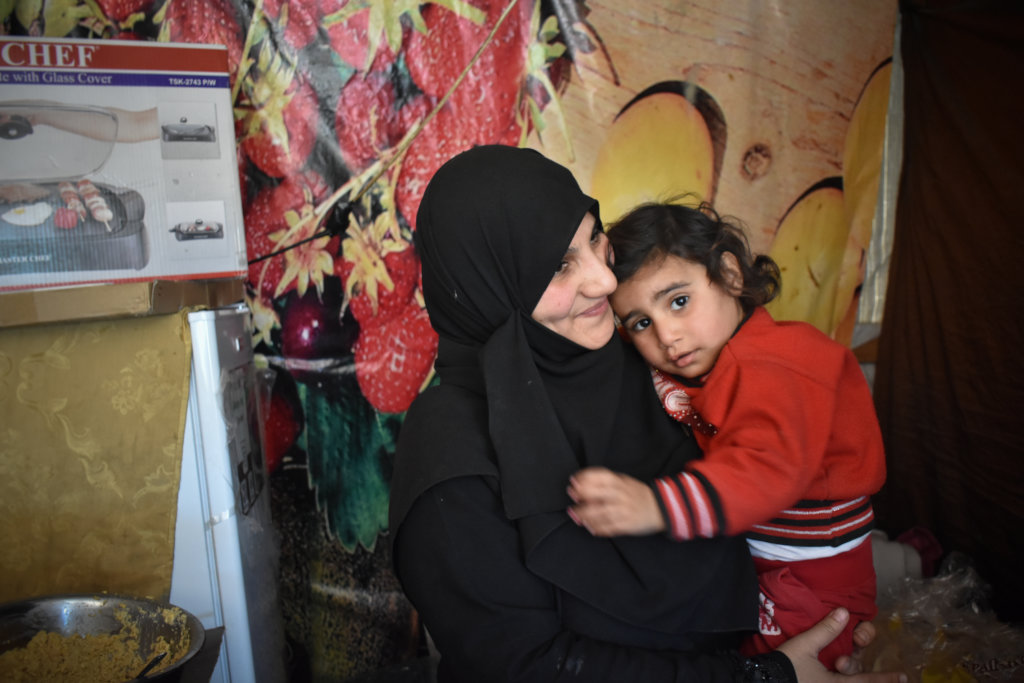
These days, Iman and her husband Ahmed’s days are off to a busy start with a business to run and a family to take care of. Shortly after rising Ahmed heads to their falafel stand to start preparations for the day. The kiosk is located within the informal tented settlement in the Bekaa Valley of Lebanon where they have resided since fleeing their home in Ghouta, Syria. Iman gets to work on tending to the children and their home. Once the kids are settled she heads to the kiosk to meet Ahmed where they get to work chopping, grinding, and seasoning their homemade falafel and kabobs for the lunch rush. Iman makes the falafel, Ahmed grills the kabobs. Right now, life is manageable, peaceful, even hopeful.
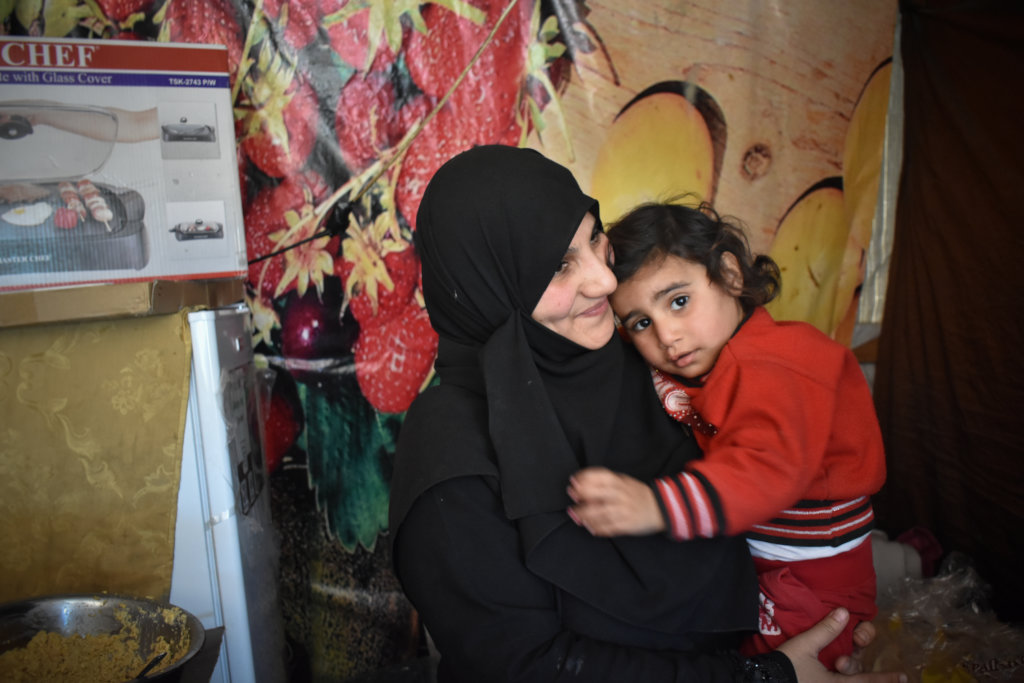
This is a major departure from the chaos and uncertainty Iman and Ahmed felt after being forced to leave their home in Syria and arriving in Lebanon with their four children in 2012. Their fifth child was born in the camp after they resettled. They could find no work after they arrived. Ahmed was badly injured due to enduring shrapnel in his leg from a bomb and Iman had severe back problems that greatly disabled her mobility. During this time Iman shared that the other women in the camp banded together to help her family, explaining that they all take care of one another and it is very much like an extended family. Also, during this time, the family racked up around $1,500 in debt, a source of great stress for both Iman and Ahmed. Anything outside the bare minimum for the children was out of the question.
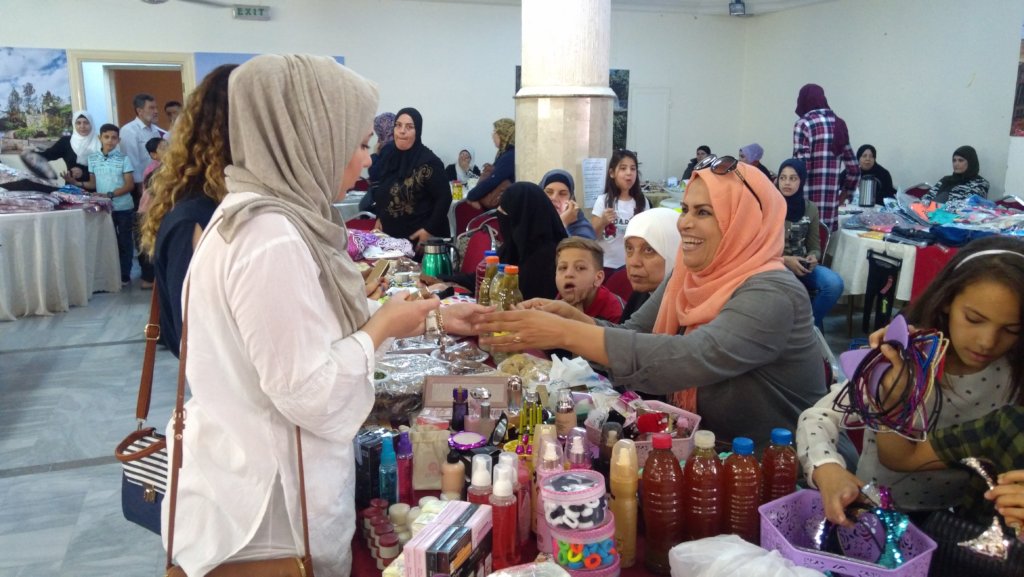
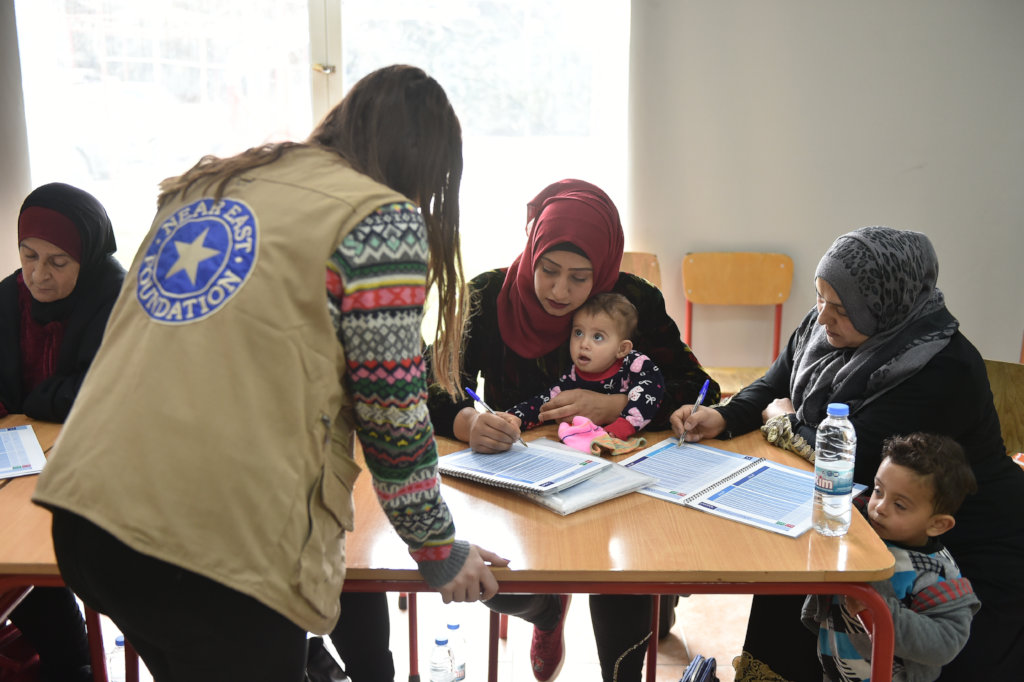
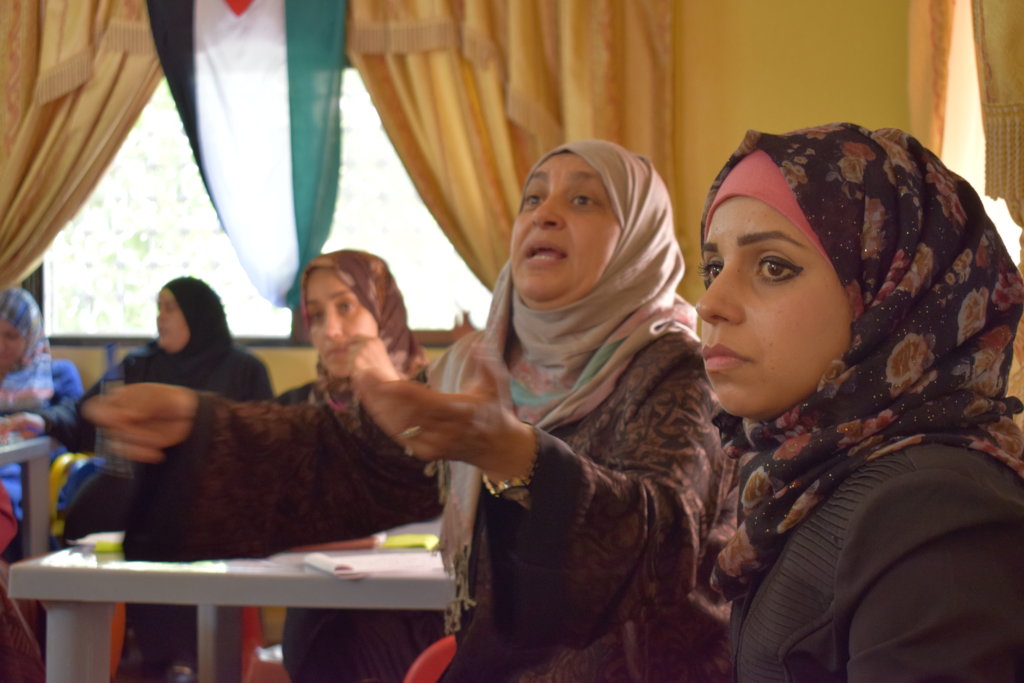
When Iman was approached with the opportunity to join NEF’s livelihoods support program, Ahmed was skeptical. As they often do, project staff invited him to sit in on the first business development training so he could see that it was legitimate and safe for his wife to attend. During the trainings Iman was having extreme problems with back and was considering discontinuing the classes but NEF’s Siraj Center made special accommodations for transport to the classes. Iman explains that the training was very enjoyable for her. Even with the pain she was experiencing, she insisted on going because she says, “It made me feel good to be there learning new things and relating to the other women.” She says it raised her spirits and was a relief from the difficulties she was facing at home at that time. She said also that she didn’t even know about the $850 project grant in the beginning – she just felt that the training and coaching was building her character and made her feel like a more complete person.
Since starting their falafel stand, Iman and Ahmed have substantially paid down their debt. Their 13-year-old daughter, Bayan, says before the business Ahmed was often angry and stressed because of his inability to work and provide for the family but since it has been up and running, the household is much more positive, everyone is less stressed. Iman says the kids were smiling for the first time in a long time and they had hope.
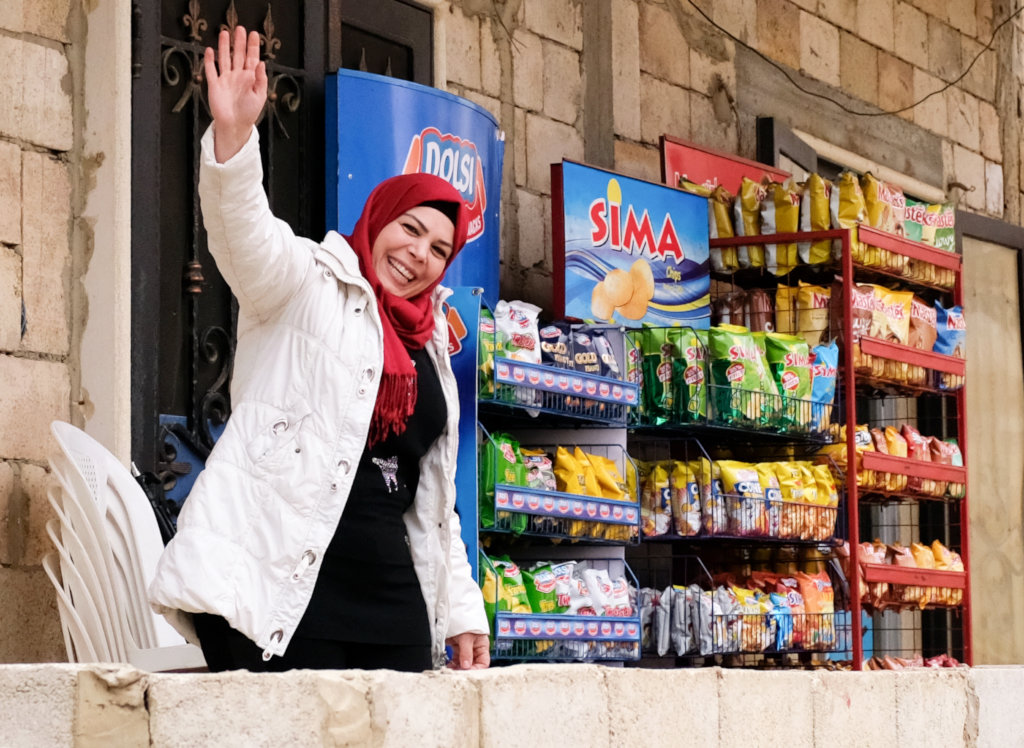
Beyond providing the household income, the kiosk has also helped them meet their neighbors. Iman explained that it feels great to interact with the people in their community. The kiosk has become a hub for more than just food but also for friendship, laughter and healing.
Links:
Project reports on GlobalGiving are posted directly to globalgiving.org by Project Leaders as they are completed, generally every 3-4 months. To protect the integrity of these documents, GlobalGiving does not alter them; therefore you may find some language or formatting issues.
If you donate to this project or have donated to this project, you can receive an email when this project posts a report. You can also subscribe for reports without donating.



Support this important cause by creating a personalized fundraising page.
Start a Fundraiser