By Andrea Aquino | communications and development associate
THE NEED
In the past four years over four million men, women and children have fled across Syria's borders, desperate to escape the violence of their war-torn country. Those who have escaped to Lebanon and Jordan are now struggling to survive. Today, Lebanon hosts more than 1.1 million Syrian refugees – constituting 25 percent of the country’s population. Jordan hosts over 600,000 registered Syrian refugees. Affected host communities and refugees are living side-by-side in impoverished neighborhoods where economic opportunities are extremely limited. Increased competition over jobs, housing, and food has made life harder for everyone.
As the crisis enters its fifth year, refugees have depleted their savings and humanitarian aid is declining. Nearly 90 percent of urban Syrian refugees in Jordan and 77 percent of Syrian refugees in Lebanon are in debt. To survive, vulnerable families resort to harmful strategies such as begging, survival sex or child labor.
COMMITMENT TO ACTION
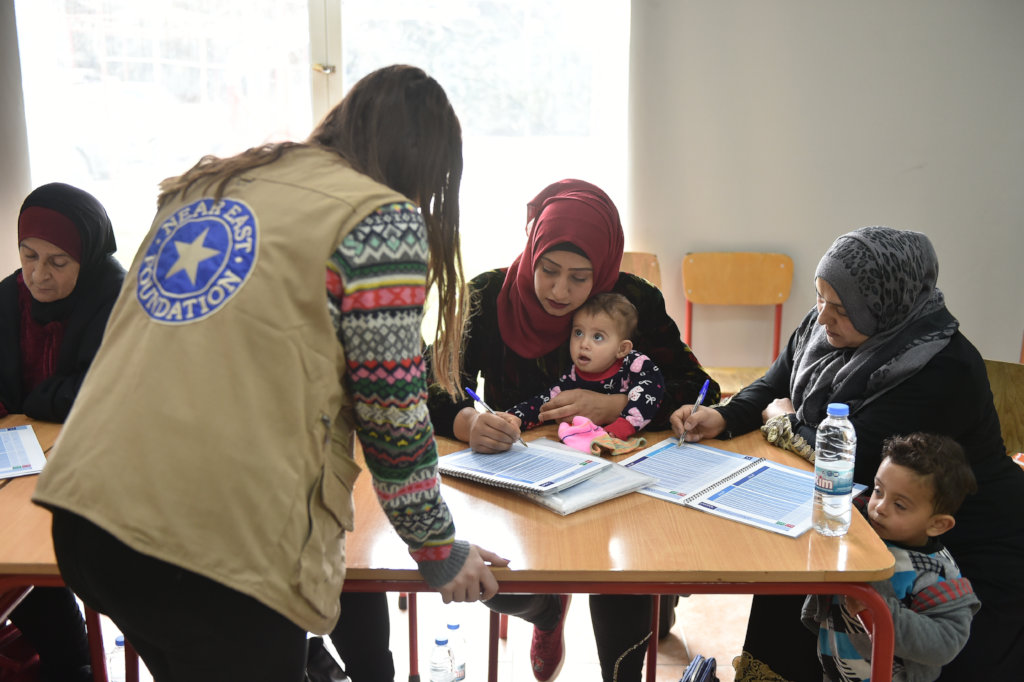
Earlier this year, the Near East Foundation (NEF) made a two-year commitment to establish three “Siraj Centers” in Lebanon (Bourj Hammoud, Beirut) and Jordan (Zarqa and Russaifeh) to help at least 2,250 Syrian, Lebanese, and Jordanian families restore their livelihoods, achieve economic resilience, and meet their own needs with dignity.
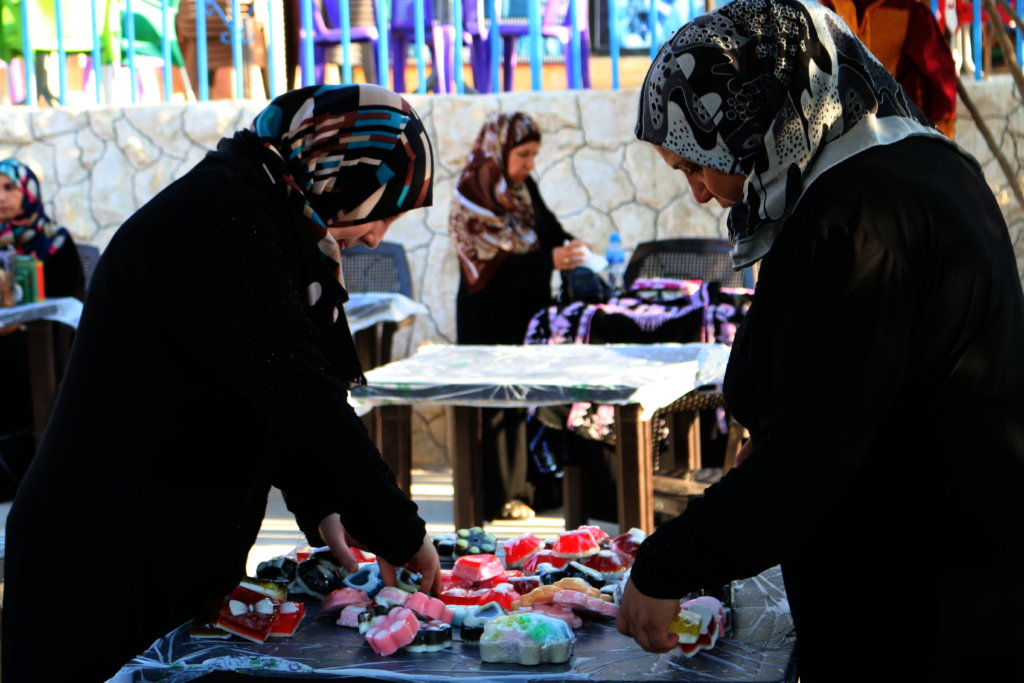
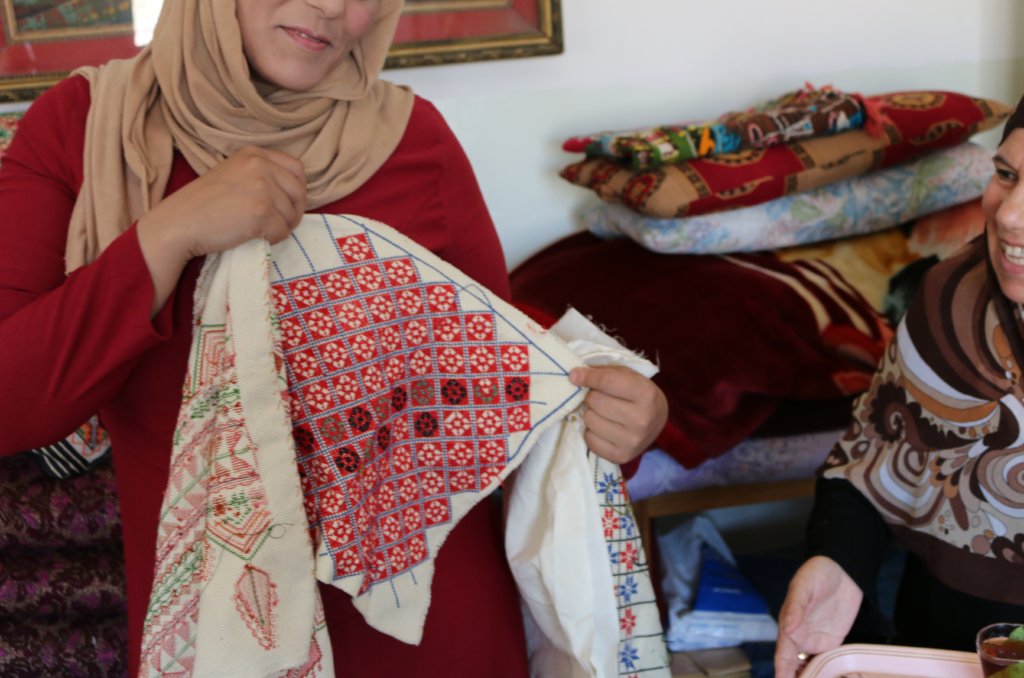
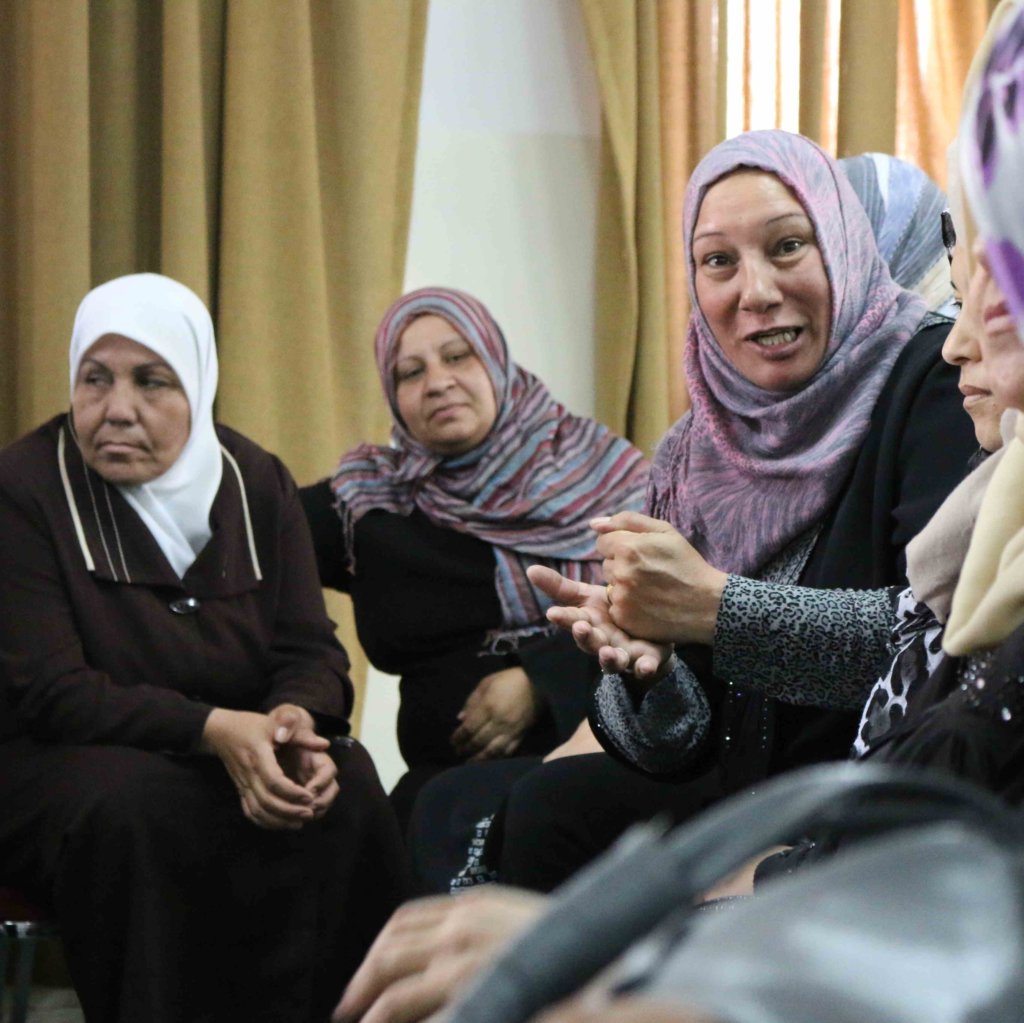
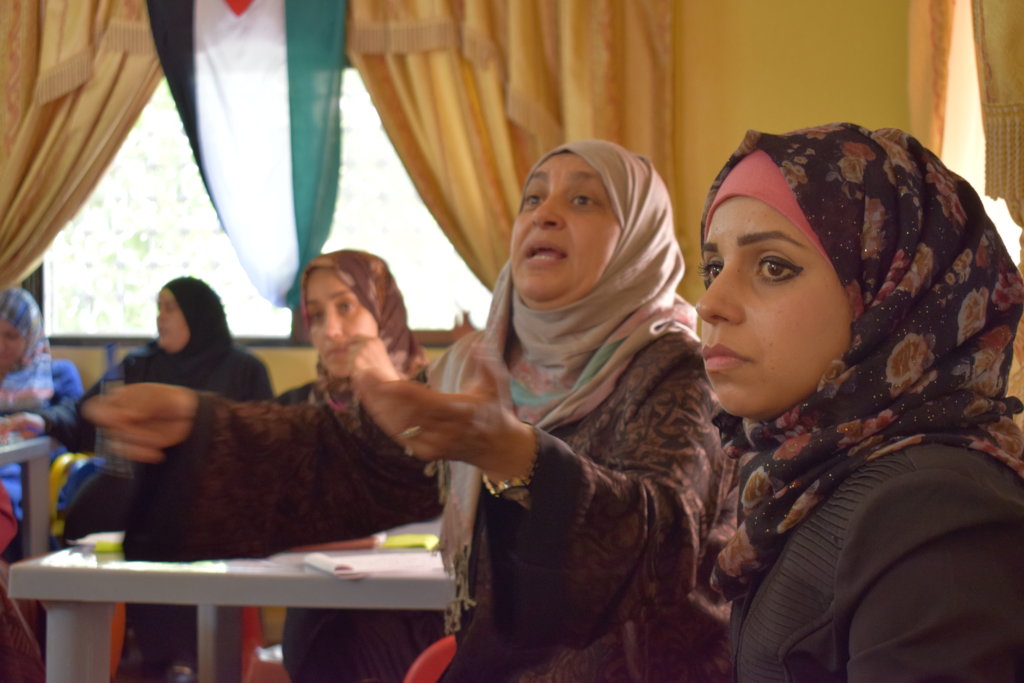
NEF is creating the Centers to serve as physical safe spaces where Syrians, other refugees, and vulnerable Lebanese and Jordanians, particularly women and adolescent girls, can access training, resources, and information to start small businesses, home-based income-generating activities, and savings accounts to build financial assets. The Siraj Center services are tailored to host communities and refugees alike, based on opportunities available to each group.
At the Centers, which are housed within community-based organizations, people have access to:
1. Training and coaching to support microenterprise and small business start-ups;
2. Financial resources, such as start-up grants and savings products;
3. Vocational training opportunities;
4. Financial literacy training and savings accounts;
5. Real-time information on markets, employment opportunities, and related policies;
6. Referrals to other business service providers (micro-finance; business registration).
NEF’s goal is to support long-term solutions for refugees and vulnerable populations. This investment in education and workforce development creates opportunities for these families not only to support themselves but also to become contributing members of their communities. NEF has worked in the region for 100 years, and its on-the-ground teams have a deep understanding of what works. Once established in the three communities, the Siraj Centers can be replicated in other areas with high concentrations of refugees, as they offer a suite of services that fit with local needs and opportunities.
PROGRESS TO DATE
1. Follow-up with 800 participants from an earlier phase showed an enterprise survival rate of 100 percent after one year and an average increase in household income of more than 48 percent.
2. Secured $2 million in funding from Cleveland H. Dodge Foundation, U.S. Department of State and the governments of Taiwan and Switzerland to provide training, coaching, small business start-up funds, and seed money for savings and loan associations; these funds will enable the initiative to reach 2,100 direct beneficiaries (affecting more than 10,000 family members).
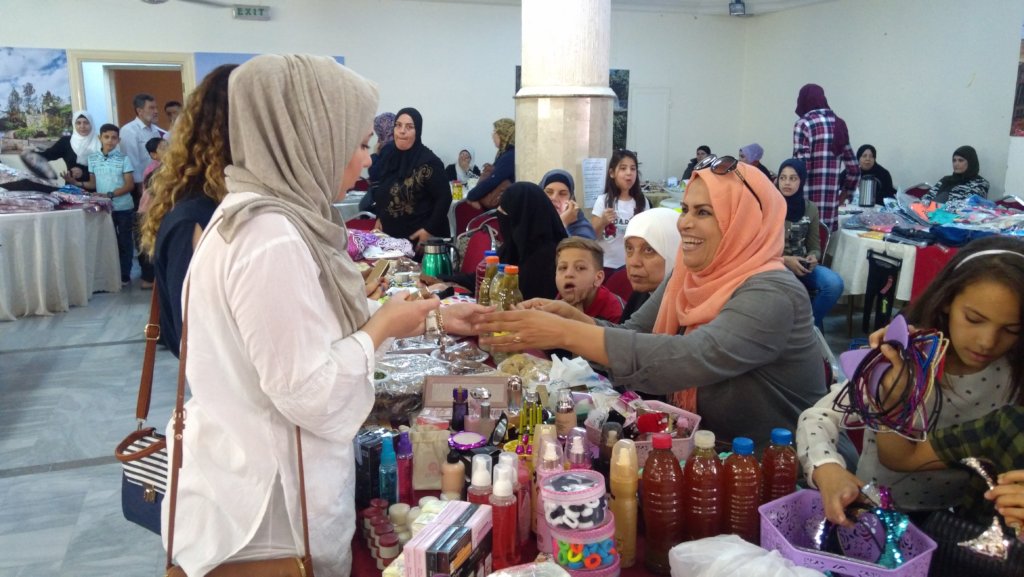
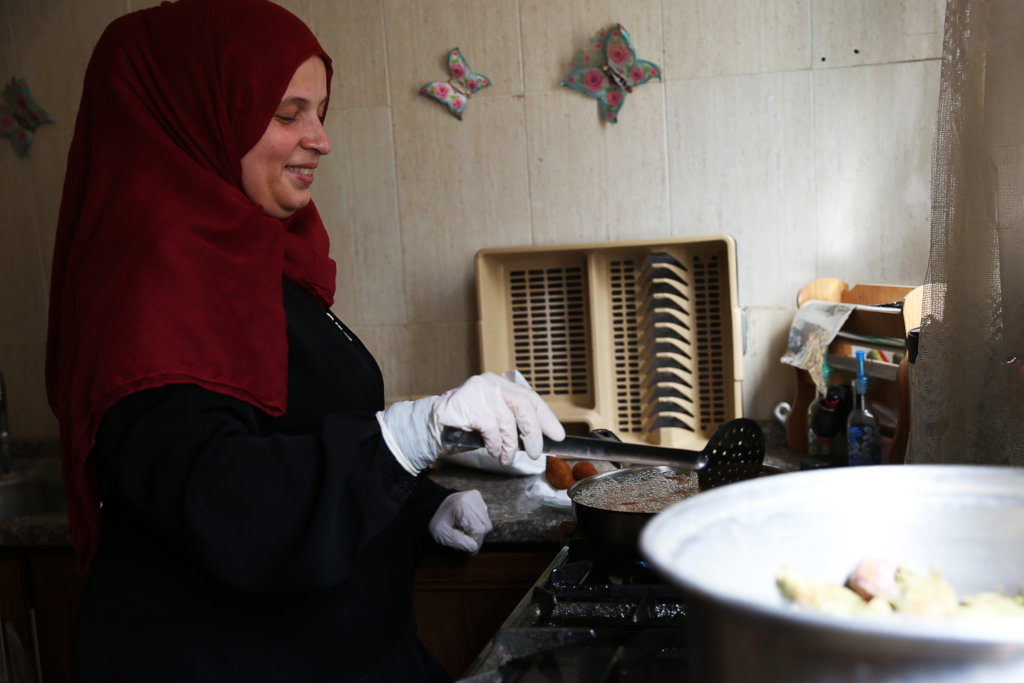
3. Completed financial literacy and savings pilot program with 30 Syrian women in Jordan; initiated expansion of financial literacy and savings programs in Zarqa, Jordan, with 52 Syrian and 23 Jordanian women; 100 percent of participants have used savings to start home-based businesses; this is a new approach to building refugee economic security and engaging Syrian and Jordanian women in savings associations to start productive activities.
JOIN US: PARTNERSHIP OPPORTUNITIES
NEF has secured basic funding for training, coaching, and business start-ups with 2,100 participants.
It is now looking for partners to contribute:
1. Volunteers with business/financial background to provide training, business mentoring, and coaching for new entrepreneurs; opportunities exist to organize service days and celebrations.
2. Basic equipment, furniture, and IT infrastructure for the three Siraj Centers, which will be housed at community-based associations and will continue to serve refugees and host community members after the end of NEF’s involvement; opportunities exist to sponsor and co-brand the centers;
3. Additional financial support to increase the number of beneficiaries/small business start-ups; additional funds are needed for incremental training costs and direct investment in businesses (approx. $600 per person/business); NEF seeks to mobilize an additional $1,750,000 to increase to increase the number of direct participants from 2,250 to 5,000 (benefitting 25,000 people).
Links:
Project reports on GlobalGiving are posted directly to globalgiving.org by Project Leaders as they are completed, generally every 3-4 months. To protect the integrity of these documents, GlobalGiving does not alter them; therefore you may find some language or formatting issues.
If you donate to this project or have donated to this project, you can receive an email when this project posts a report. You can also subscribe for reports without donating.



Support this important cause by creating a personalized fundraising page.
Start a Fundraiser