By Dr. Yehdua Stolov | Executive Director
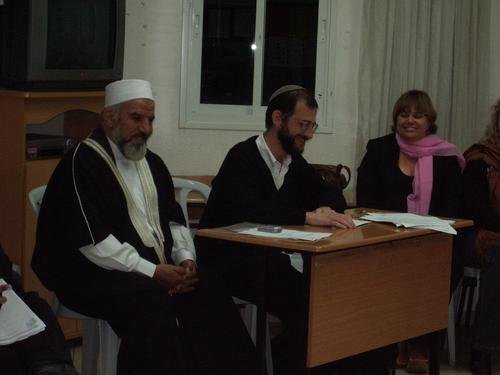
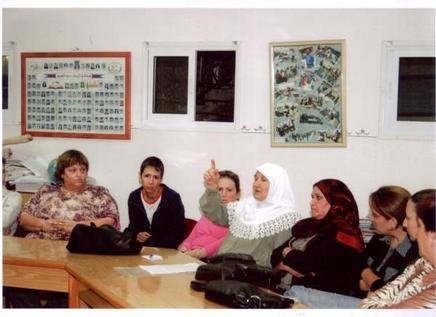
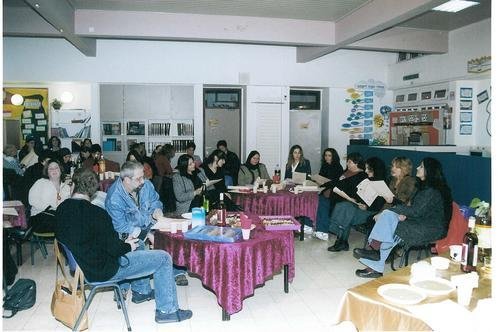
The encounter was about the story of Jonah (Jonah) and the fish.
We read the entire story in Hebrew in the Book of Jonah (participants were given a page with translations of all the texts into Arabic and English). Then we read a reference to the story in the Quran in Arabic in several surahs: Surah Al-Nabiyyah (21) verses 87-88, Surah As-Saffat (37) verses 139 to 148, Surah Al-Qalam (68) verses 48 to 50 and Surah Yunus (10) verse 98.
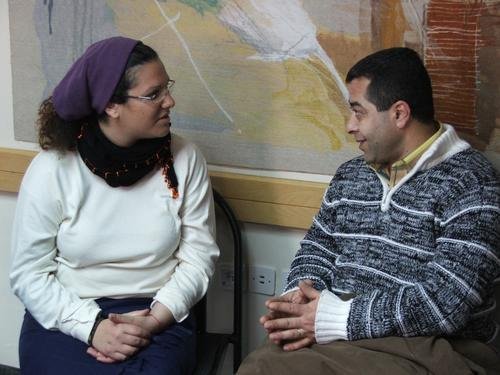
The first point that Bushra raised was what kind of plant the kykayon is. I understood from her that in Islam it is accepted to assume that it was a gourd that served as both shelter and food for Jonah. In Jewish tradition, I found that it is usually identified with the common castor bean plant (Ricinus Communis), which is a fast-growing shrub with large leaves and is also a poisonous plant from which castor oil is extracted. Some identify the kikayon with ivy, which is a climbing plant.
The story of Jonah is an important story in Judaism mainly due to the extent of God's mercy and forgiveness, both towards Nineveh and towards Jonah. That is why the story is read as a Haftarah on Yom Kippur to ask for divine mercy. The extent of mercy in this story is certainly greater than the extent of judgment. All this despite the fact that this is the only prophecy in the Torah that was not given to the people of Israel.
The main discussion we had throughout almost the entire encounter was a fascinating discussion about prophets and prophecy:
The text in the Torah describes Jonah as a man who is very far from being perfect. On the one hand, he does agree to prophesy about Nineveh in the end and prays very beautifully in song to God when he is in trouble from the belly of the fish, but on the other hand:
1. He physically flees from God, even though he probably understands that it is pointless (his explanation in chapter 4 is also unconvincing - if he thought that God was merciful and would forgive Nineveh, then why flee? What difference does it make?).
2. When he is on the ship, he flees from responsibility and goes to sleep as if everything that happens does not concern him. The faith of the people on the ship in God and their morality stands in striking contrast to Jonah's indifference in the text. Jonah is literally impotent on the ship. Later, the people of Nineveh's rapid return to repentance also stands in striking contrast to Jonah's limitations.
3. Jonah's despair and suicidality are consistently evident in the following verses: he asks to be thrown into the sea and twice says that his death is better than his life, and other expressions of suicidality in contexts that do not seem appropriate for such despair, depression, and suicidality. Why does he feel bad about God forgiving Nineveh? What kind of person is he without compassion?
Haya said that it is not easy to be a prophet and it is certainly possible to understand Jonah's concerns and distress.
Jonah is a revered prophet in Islam despite his shortcomings. Bushra said that the text describes Jonah's growing pains on the way to becoming a prophet. She said that Jonah was swallowed by a fish in order to learn to be a prophet, and his beautiful poem/prayer in Chapter 2 is a testimony to this, which shows the potential for greatness in his soul that appears in a time of trouble in the belly of the fish.
Is suffering really necessary to reach faith? Is being swallowed by a fish a punishment for his escape from Tarshish, or a rescue from drowning, or indeed a lesson in learning to be a prophet?
The prophets apparently all went through a huge mental process in order to become prophets. Other prophets such as Isaiah, Ezekiel, Amos, Obadiah and many others appear in their books and directly prophesy, without describing the mental and spiritual stages they went through on the way to becoming prophets.
Jeremiah, for example, showed apprehension at first and needed brief persuasion through visions from God.
In Jonah, the process he had to go through and his mental difficulties and even his mental disability are particularly striking. Therefore, it is from Jonah that we learn the most about the difficult and arduous path to becoming a prophet. How difficult it is to pave the way for prophecy in the human soul.
Links:
Project reports on GlobalGiving are posted directly to globalgiving.org by Project Leaders as they are completed, generally every 3-4 months. To protect the integrity of these documents, GlobalGiving does not alter them; therefore you may find some language or formatting issues.
If you donate to this project or have donated to this project, you can receive an email when this project posts a report. You can also subscribe for reports without donating.



Support this important cause by creating a personalized fundraising page.
Start a Fundraiser