Project Report
| Oct 9, 2022
Born tired
By Adam Hewitt Smith | Trustee, Born on the edge
![]()
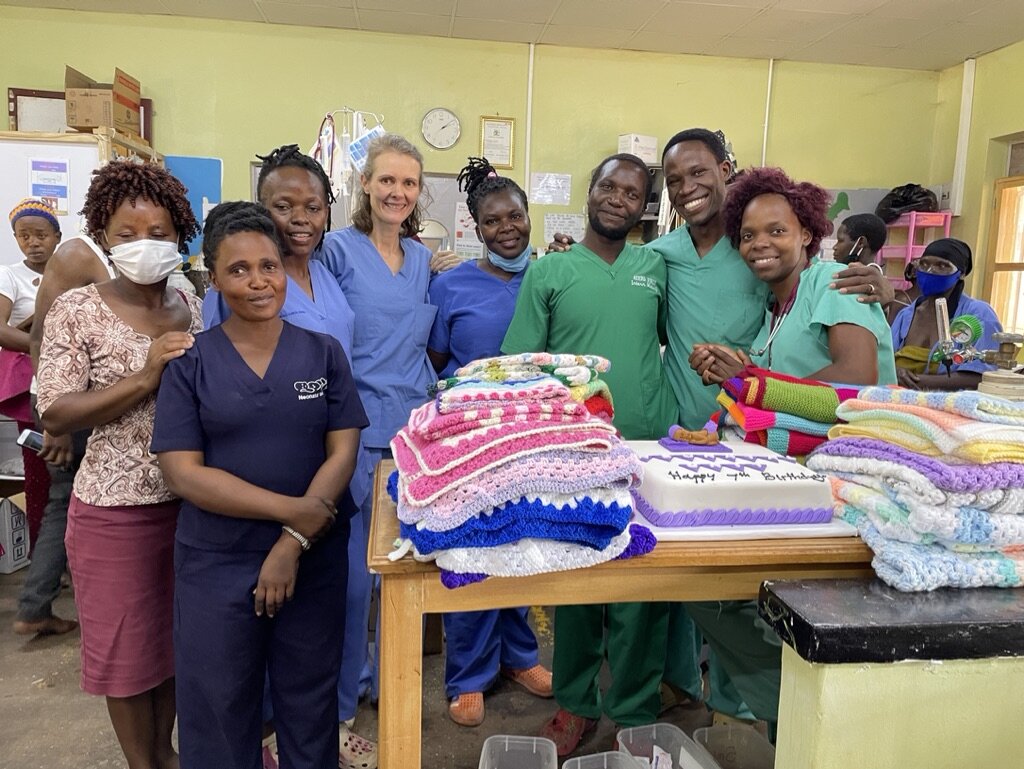
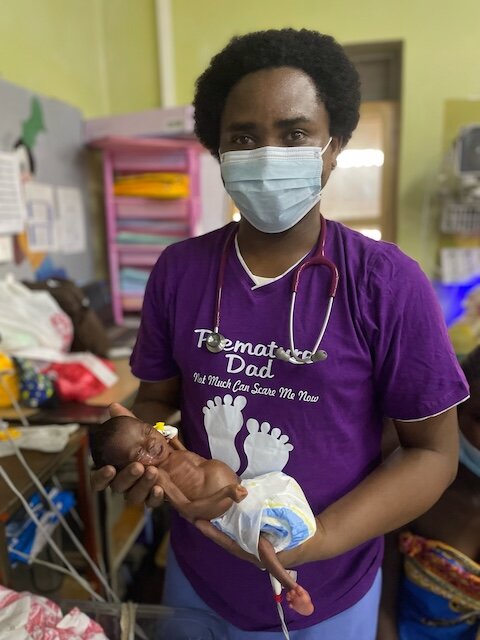
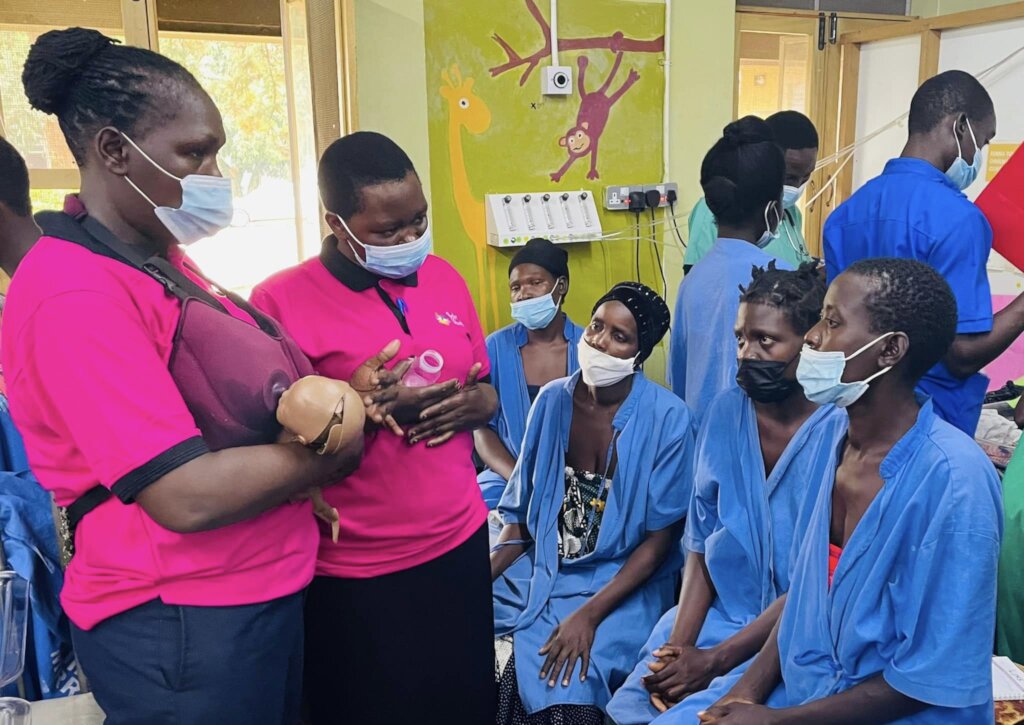
The last three months have been busy for our training team who not only work full time on our neonatal unit in Mbale Regional Referral hospital but who also find time to ensure as many people across the region have the skills they need to save newborn lives.
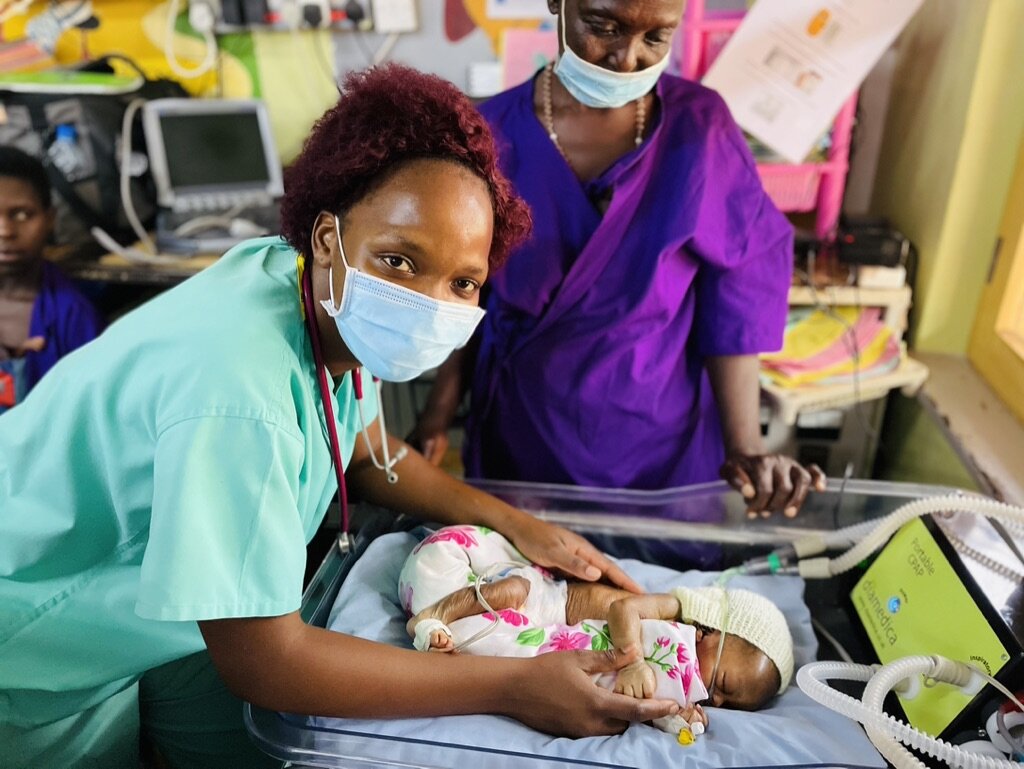
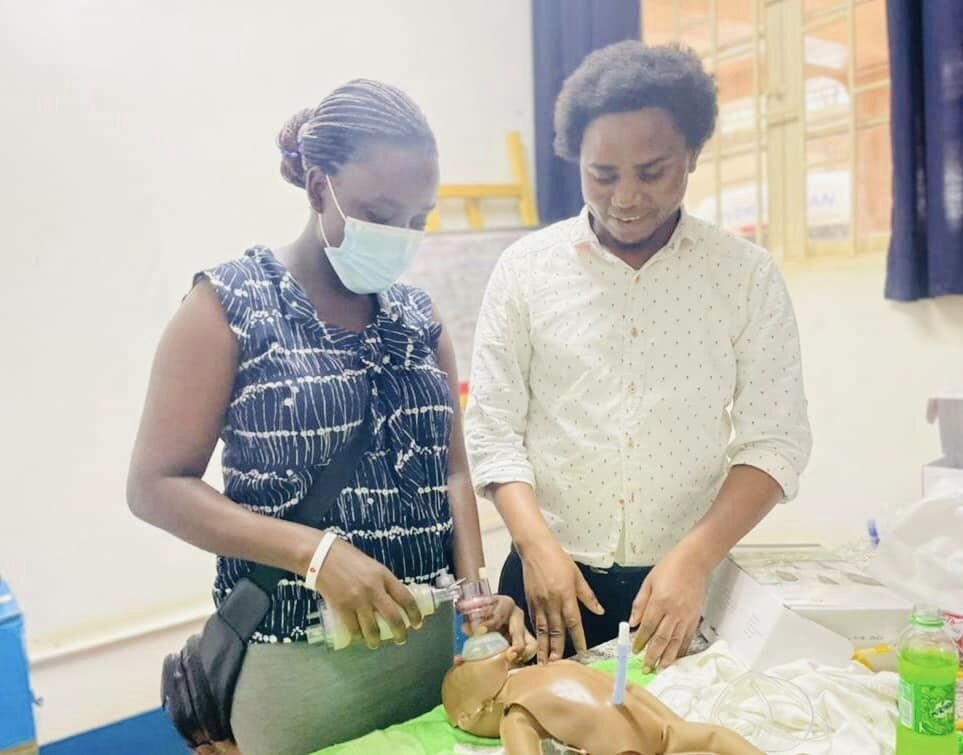
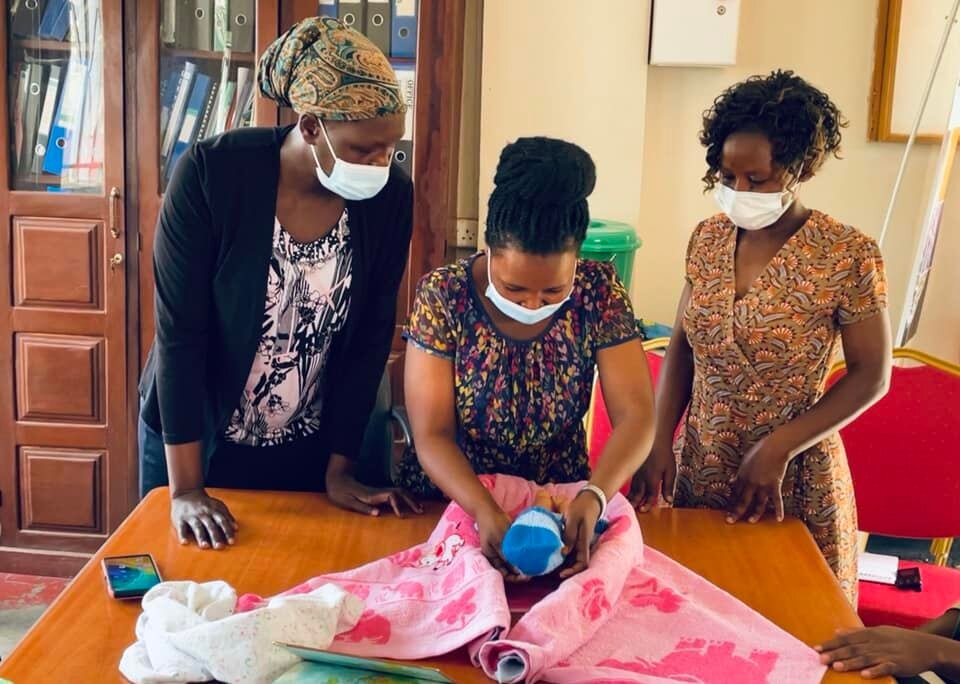
Being “born tired” or asphyxiated is the leading cause of our newborn deaths across Uganda. Although there are many factors that contribute to this devastating outcome, as the neonatal team we can make sure that for EVERY baby born tired, there is a trained healthcare worker adequately armed with skills, knowledge and equipment and so in mid-september, we held our inaugural monthly Neonatal Resuscitation Training that will offer refresher training to all those working with newborn babies across the region.
We would love it if you could help us train as many people as possible across the region. Little by Little, we can make a difference to these vulnerable newborns.
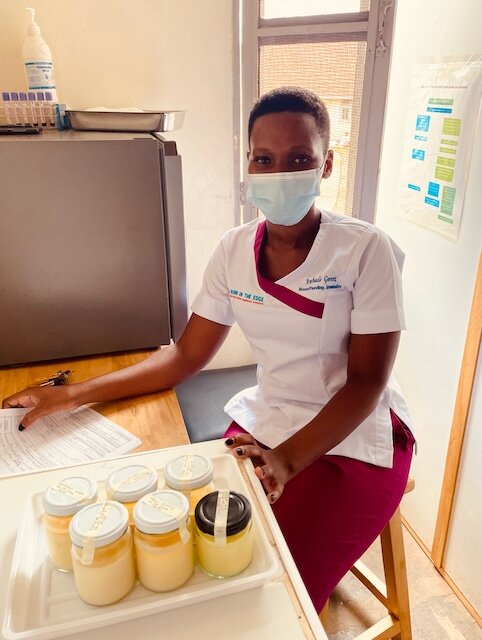
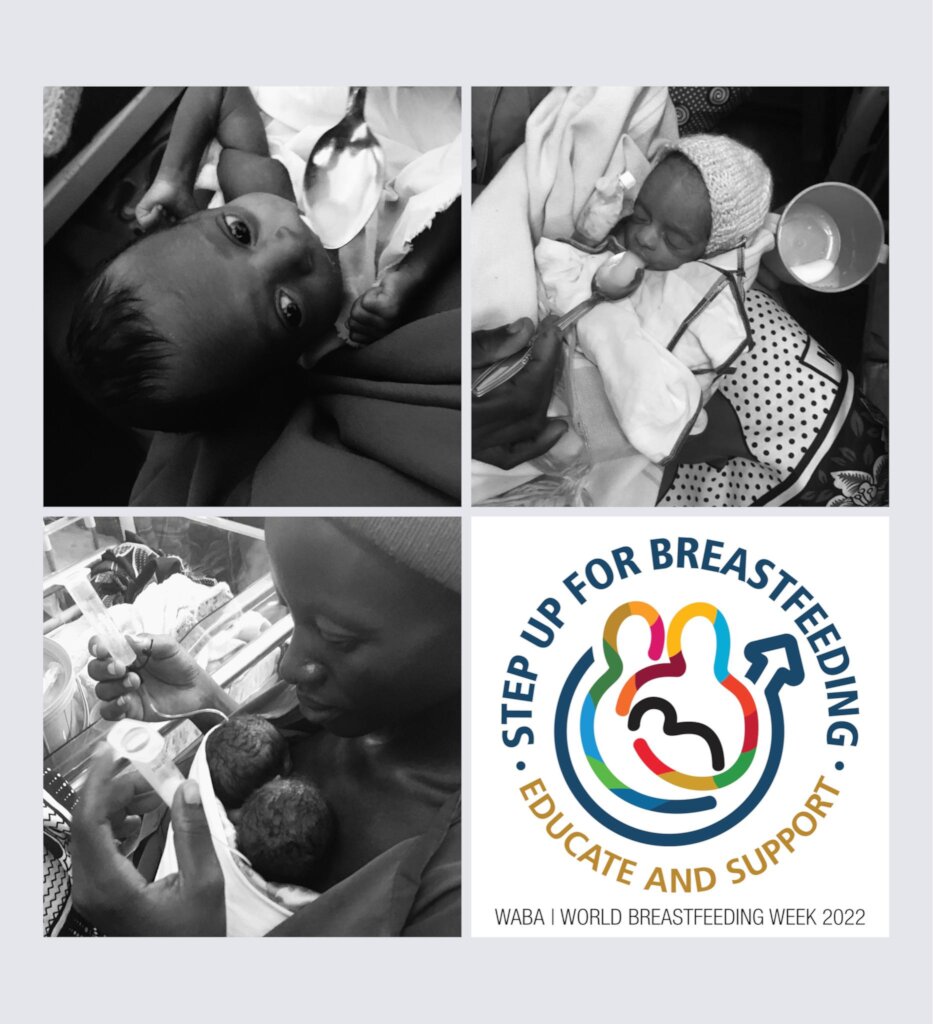
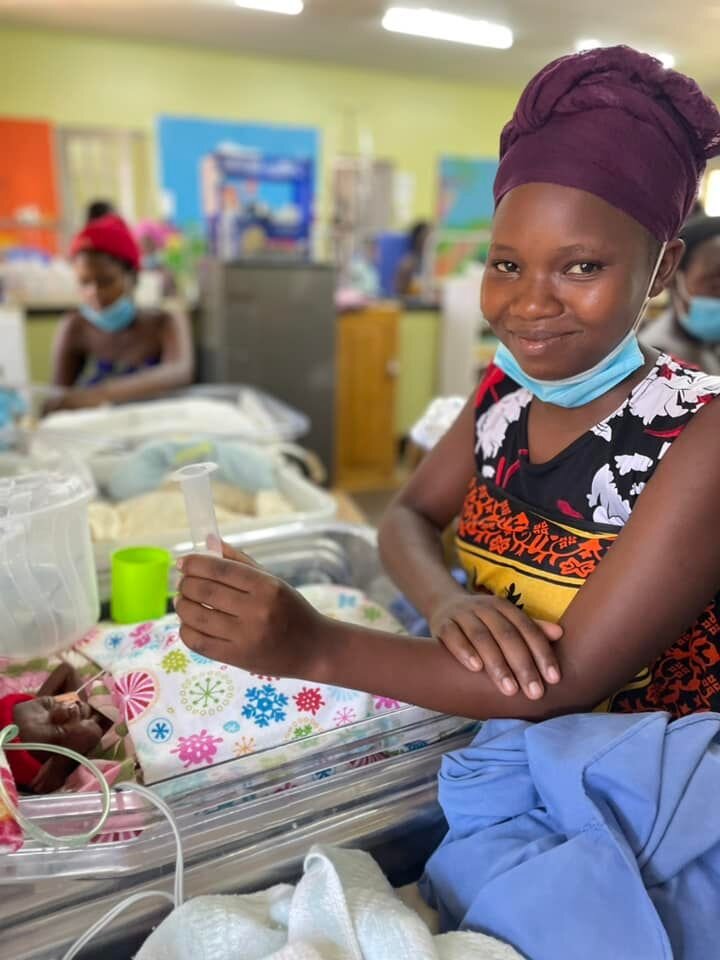
At the beginning of August it was World Breastfeeding Week. All mamas need support to optimally breastfeed their babies, for our smallest and sickest babies this can look a little bit different - their mamas need support to express the own breastmilk to feed their babies in an appropriate and safe way. Mama’s use feeding tubes, cups and spoons to feed their babies with their own breastmilk.
The theme for this year’s #WorldBreastfeedingWeek was “Step Up for Breastfeeding: Educate and Support.” We are focusing on increasing the education and support of our mamas and our health workers. We are teaching about methods of expression and the benefits of breastmilk for the sick and small babies, and we are supporting mamas to express successfully.
We want to make this special WBW celebration part of our everyday care, so that EVERY mother and EVERY sick and small baby has the best chance at building their breastfeeding journey.
We are in the process of setting up a lactation support service in the neonatal unit to support over 3000 mothers and babies in the neonatal unit every year to express their breastmilk and succeed in their breastfeeding journey.
We need just £3000 to make this dream a reality! Can you help make this celebration an everyday activity?
![]()
![]()
![Share on Twitter]()
![Share on Facebook]()
Jun 13, 2022
Developmentally supportive care
By Adam Hewitt Smith | Trustee
![]()
We are excited to tell you that in March this year, we celebrated the inaugural delivery of the NEW 15th Module on the Newborn Care Training Course - Developmentally Supportive Care and Early Intervention. Over the last 8 years, our local team in Uganda has developed an evidence-based, 14-module Newborn Care Training Course. In each facility we partner with, we deliver weekly modules for 14 weeks. The course is free of charge, and we provide handouts, refreshments and a contribution towards transport for all students to enable them to attend.
Since 2014, in partnership with 10 local health facilities, we have delivered this vital in-service training for over 550 healthcare workers involved in newborn care. This much needed 15th module will mean that our babies will begin to not only SURVIVE but also THRIVE. We have already seen a huge change in the approach to developmentally supportive care in the neonatal unit and hope that adding this module to other courses across the region will have wide reaching effects on the development of our young children.
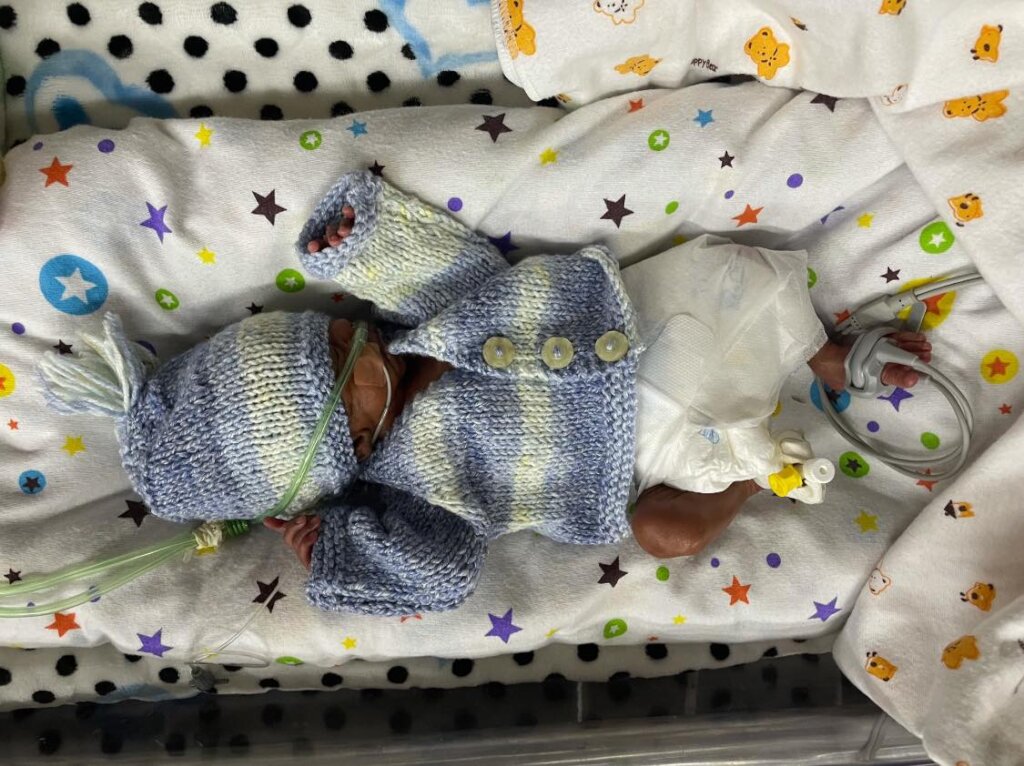
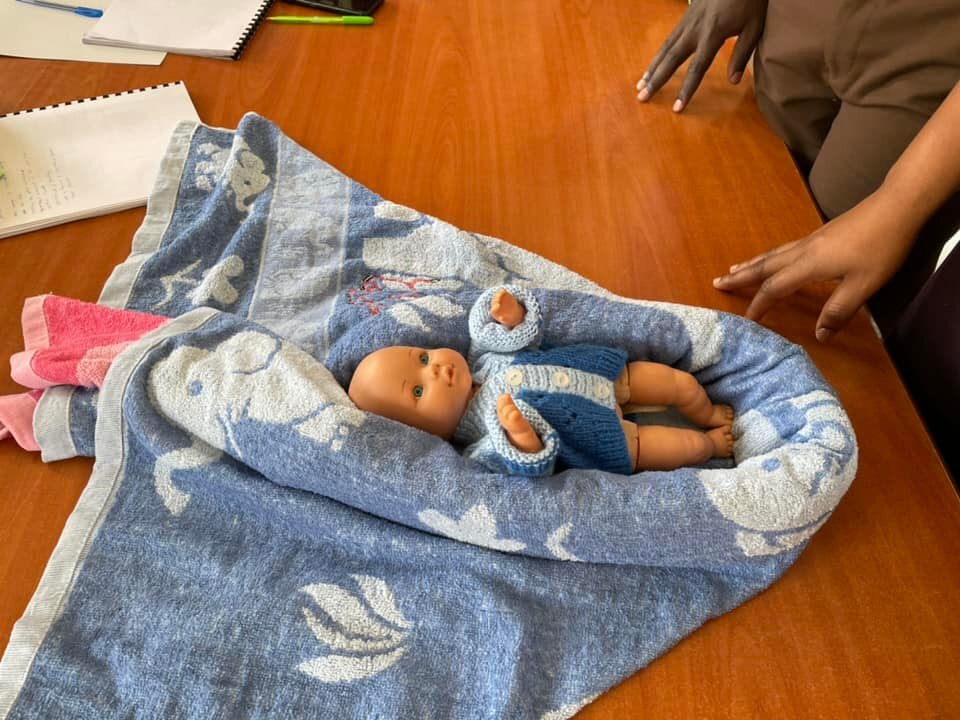
What is developmentally supportive care? Babies in a neonatal unit can face many painful tests, stressful procedures, loud noises, and bright lights. This is very very different to the warm, dark, comfort of their mother's womb. Babies may have trouble comforting themselves when not being held or during tests and procedures. Premature babies need special support to help their brains to mature and develop as they would have done in their mother's womb. So, alongside improving the care of sick and premature babies using machines and medicine, there are treatments that we can use to focus on the special emotional and developmental needs of these babies.
Developmentally supportive care includes many aspects such as:
* Meeting babies’ comfort needs
* Helping babies feel secure
* Helping babies develop normal sleep patterns
* Decreasing stimulation from noise, lights, or procedures
The benefit of developmentally supportive care are huge, especially for our premature babies:
* Shorter hospital stays
* Fewer complications
* Improved weight gain
* Better feeding
* Enhanced parent and infant bonding
All of this is dependent on our newborn care training team. The team continues to expand to allow us to train more and more people. with this comes greater financial responsibility for ourselves. We need to increase our numbers of supporters who donate on a monthly basis. This is where you come in. A small contribution will support the salary of a member of our training team who will have an impact on the lives of hundreds of newborn babies and their families. Imagine how you would feel when you proudly share our story with your friends and family knowing that your support keeps us going and saves lives of some of the worlds most small and vulnerable babies. Thank you.
![]()
![]()
![Share on Twitter]()
![Share on Facebook]()
Feb 14, 2022
Lorna's Story
By Adam Hewitt Smith | Trustee, Born on the Edge
![]()
For this months project report we would like to tell you Lorna’s story. It's the story of just one mama and her baby, but she’s not so unlike many other mamas that we care for everyday.
Join us on a journey to read Lorna’s story, and open your heart to the possibility of giving a gift that will provide LIFE and HOPE to babies and mamas like Lorna. That’s what we’re asking for — for you to support our neonatal trainers so that together we can give the gift of LIFE and HOPE.
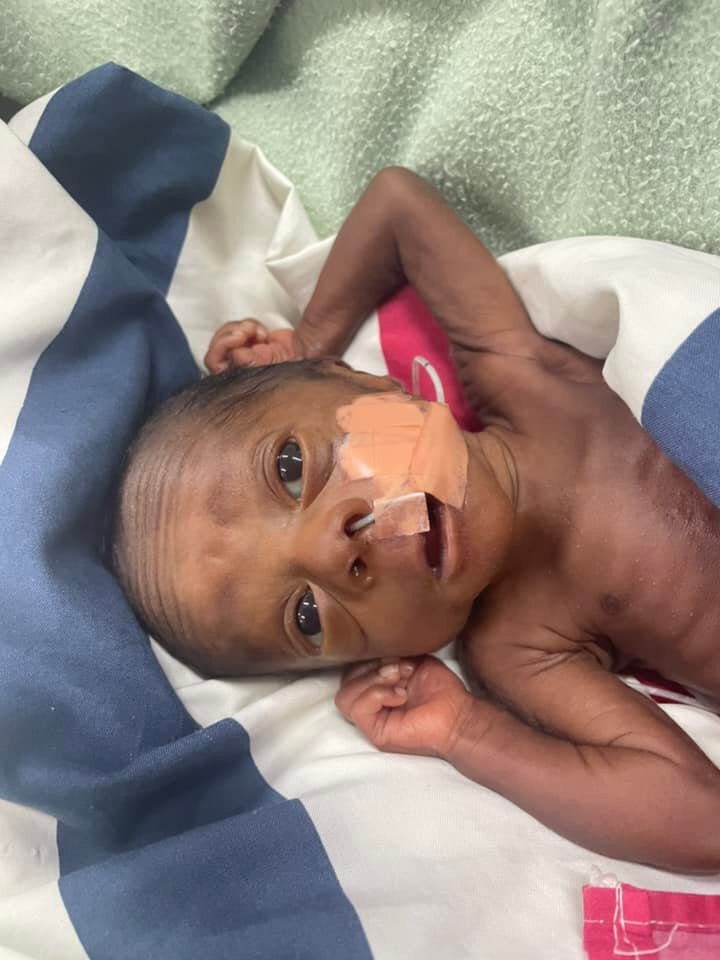
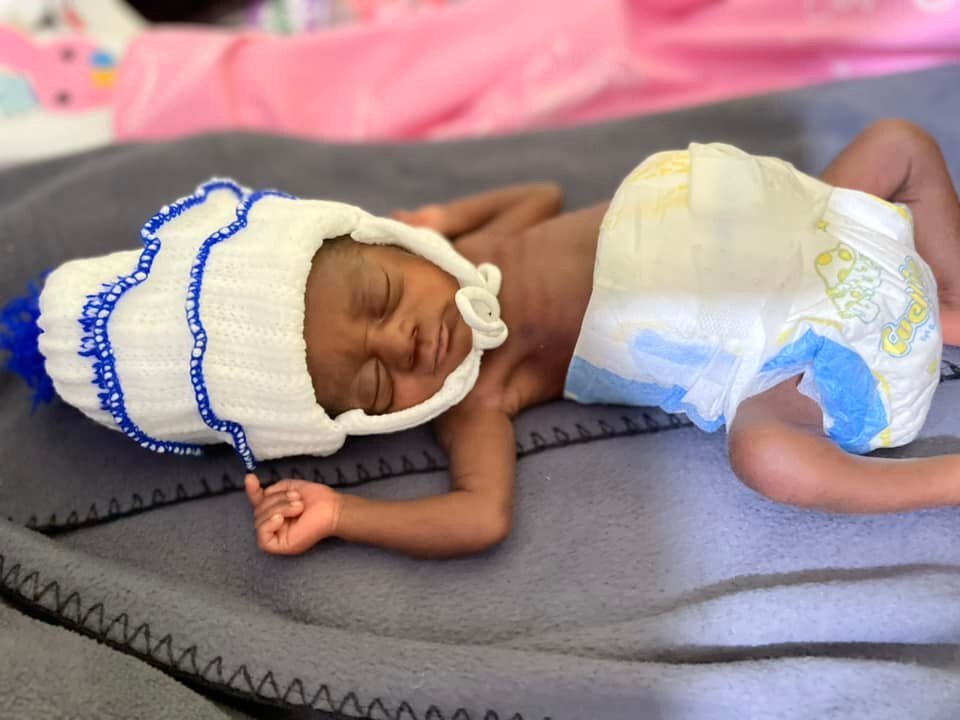
“I was just 15 years old when I gave birth to my first baby. It has changed my life. I conceived during the lock down as my school was closed. I had dreams of becoming a nurse, but now I am not sure if I will go back. I live with my mother who is a peasant farmer and has no source of income for my school fees. When I realised I was pregnant, at about 6months, I went to a clinic for antenatal services with a midwife. Shortly after that, I got malaria and that led to me delivering my baby boy at 6 months. He weighed just 960g and was so tiny. I gave birth in a small clinic, and they immediately referred me to the Neonatal Unit.
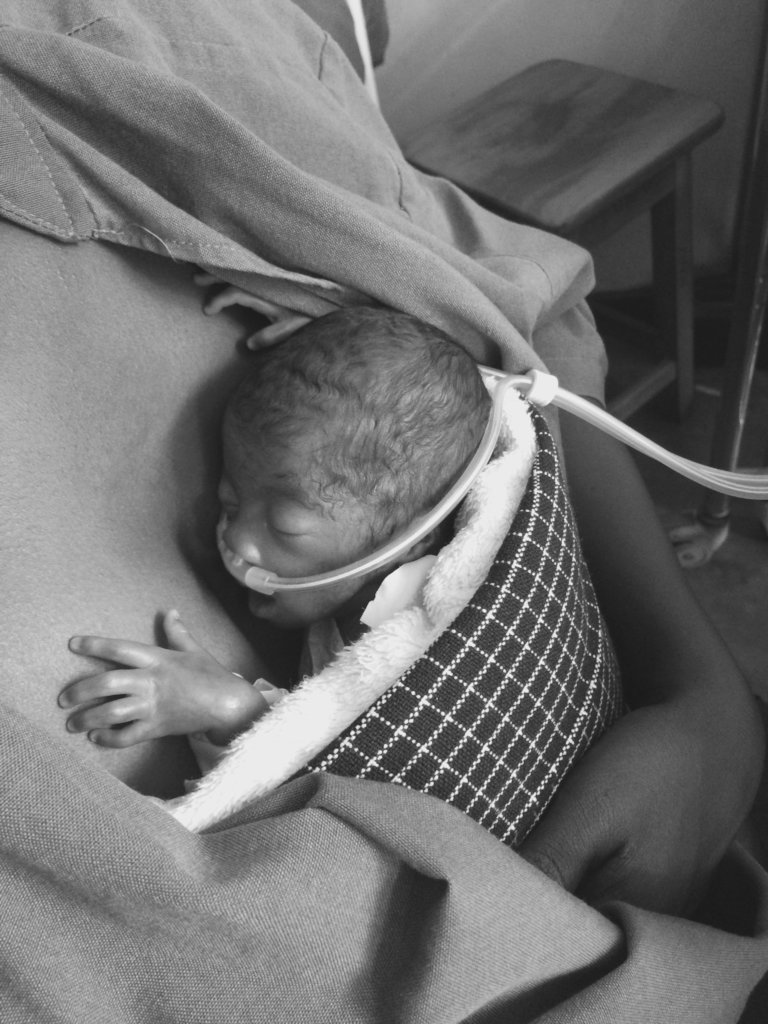
Here, he was put in the high-dependency area on a breathing machine called CPAP and I learnt to tie him in Kangaroo. The team showed me how to express my milk to give to him with a feeding tube, but right from the start, I struggled to express my breast milk. I tried everything they recommended, and ate daily from the Nourish-to-Nurture programme, but I couldn’t express enough milk to meet the demands of my baby boy. This made me really stressed. I truly thank God for the Donor Human Milk that came to my rescue. This helped me so much and my baby was able to gain weight, he stopped crying so much and I felt better. It brought a feeling of great relief and joy to me. Without the donor human milk my baby might not be here today.
My baby is due for discharge today!
I am so happy that the Donor Milk has given my child a chance to live and I am very grateful to
ATTA Breastmilk and the Donor Mothers. I encourage all mothers in a similar situation to embrace Human Donor Milk and those that are able to donate please go ahead as this is indeed lifesaving and could help so many babies.
I am so very grateful to God, the Neonatal team, and the Donor mothers for giving my child a chance to live. I look forward to an opportunity of getting back to school when I can find my school fees so that I can pursue my dream of becoming a nurse and help others.”
The more you give in support of our neonatal training team, the more mothers and their babies that we can support. Please don't hesitate, donate today.
![Gaining weight]()
Gaining weight
![Lorna's story]()
Lorna's story
![Share on Twitter]()
![Share on Facebook]()