By Tatiana Kaletsch | Chief Executive Officer
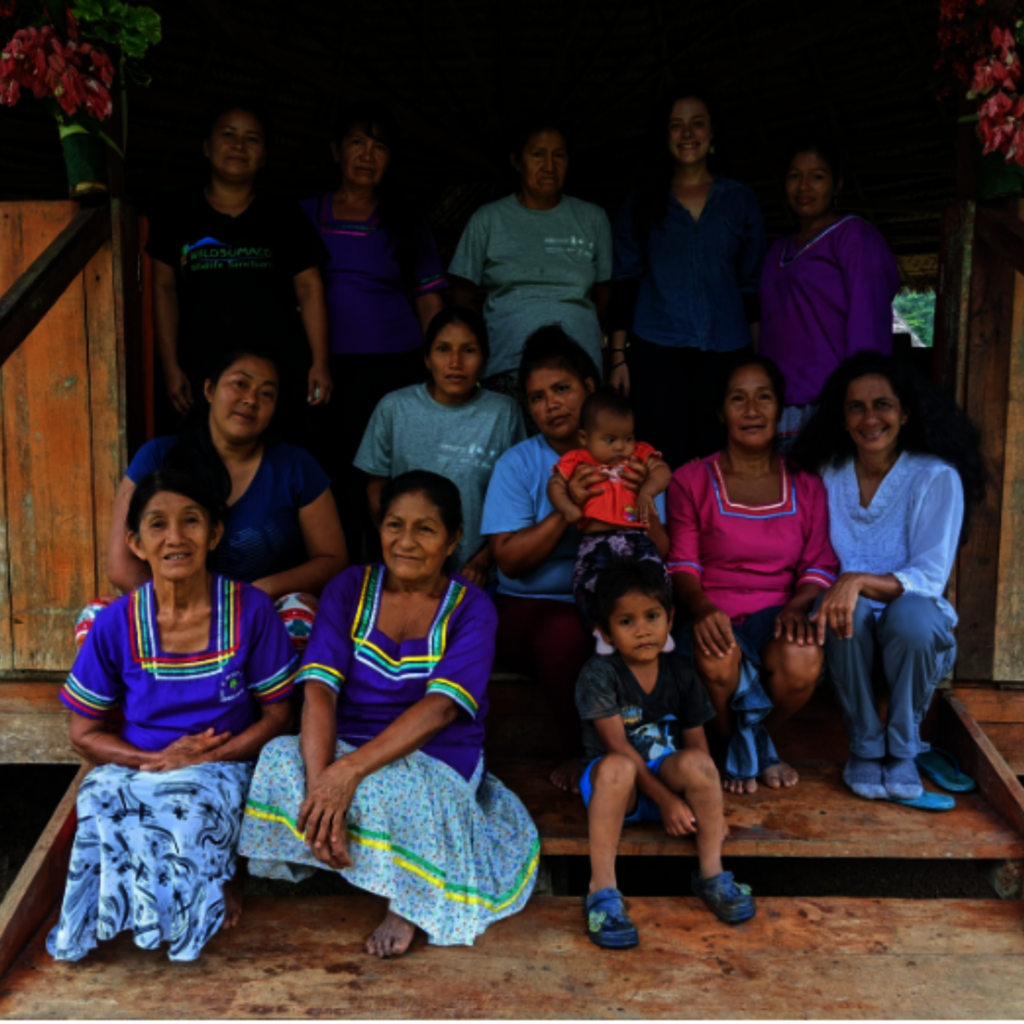
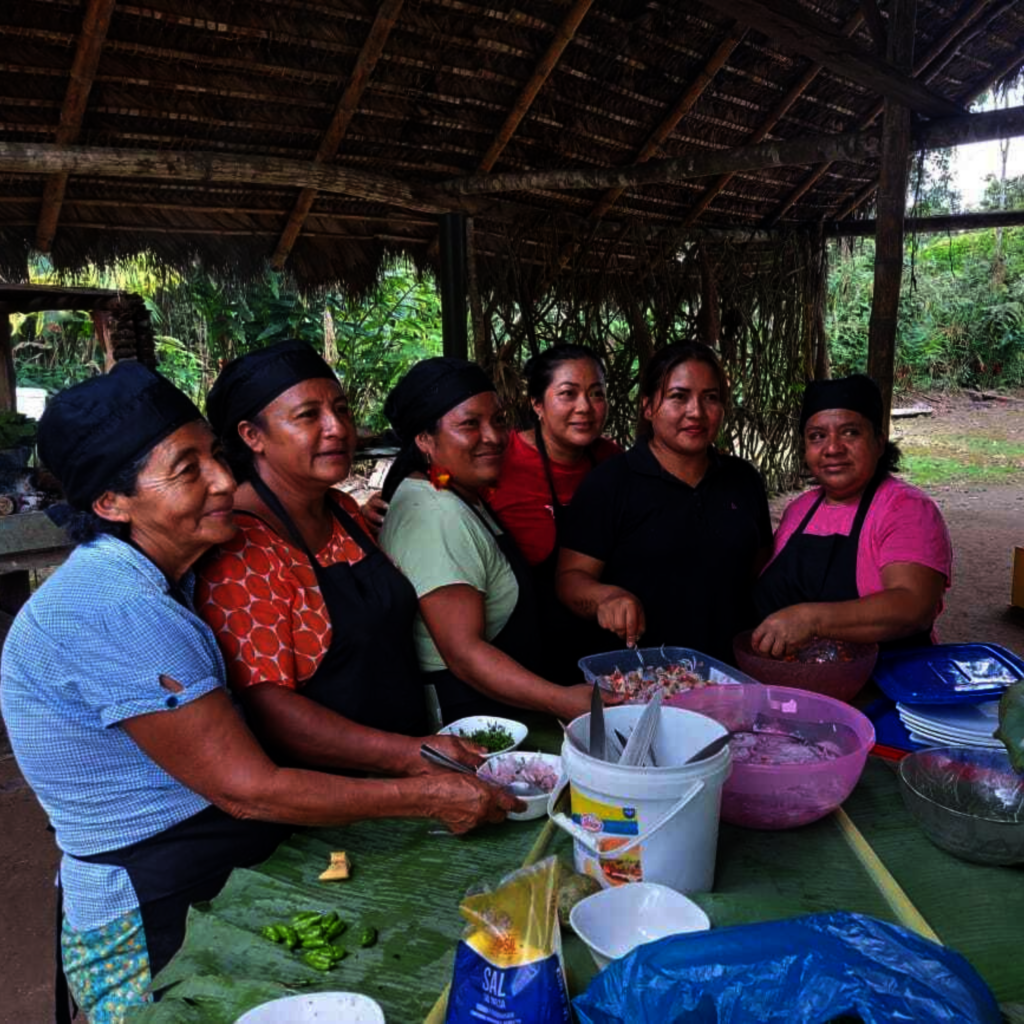
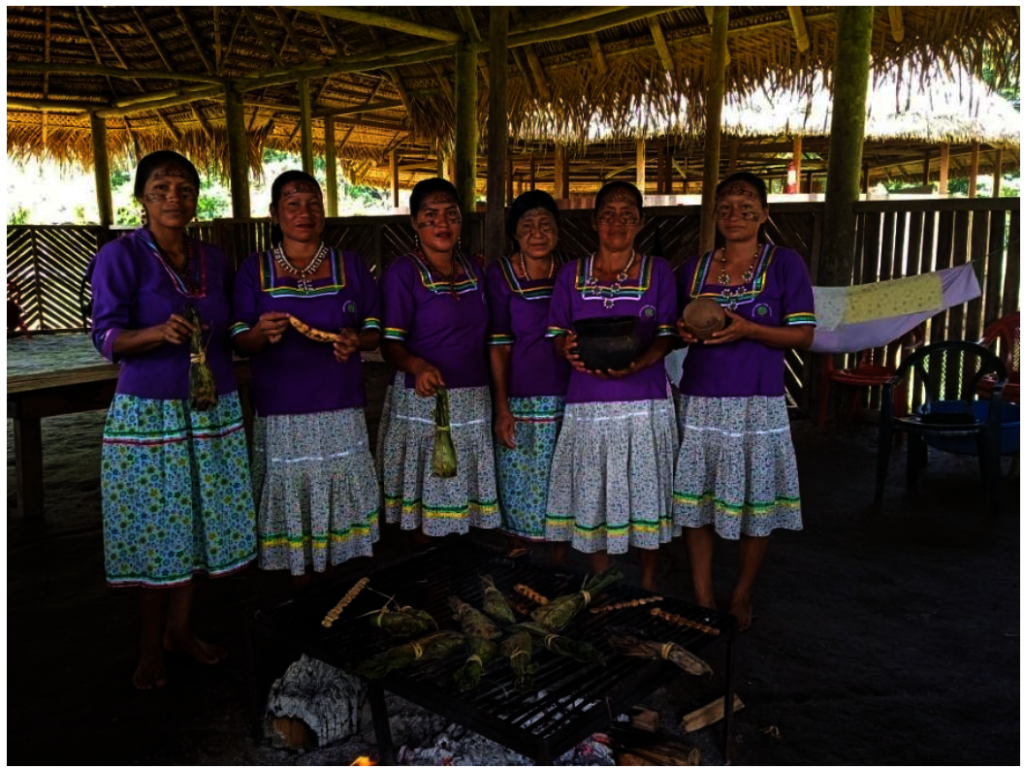
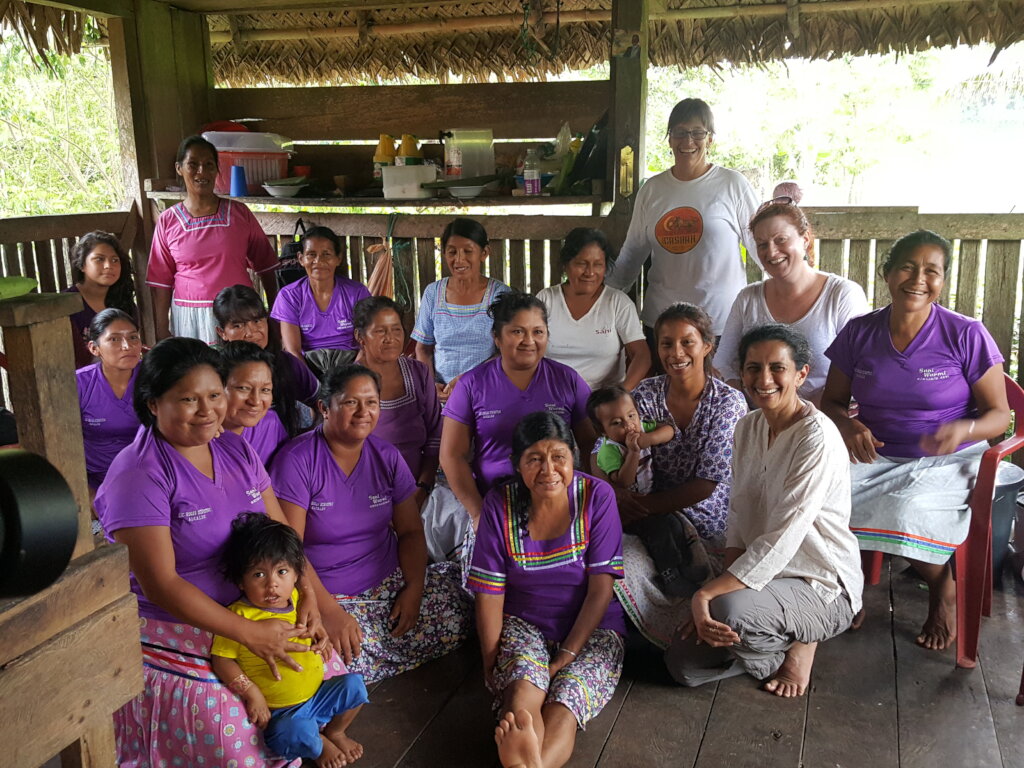
Rainforest Partnership’s Napo River Women’s Project works alongside Amazonian women in Ecuador to strengthen community leadership, develop sustainable livelihoods, and protect the rainforest and natural resources on which their families depend.
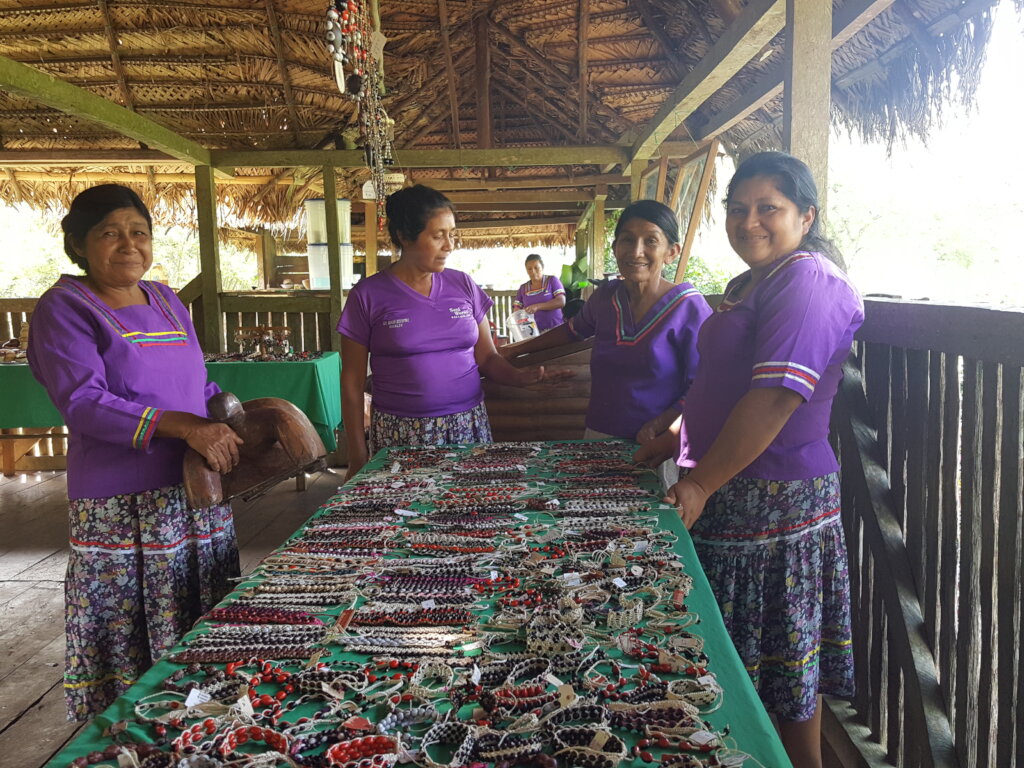
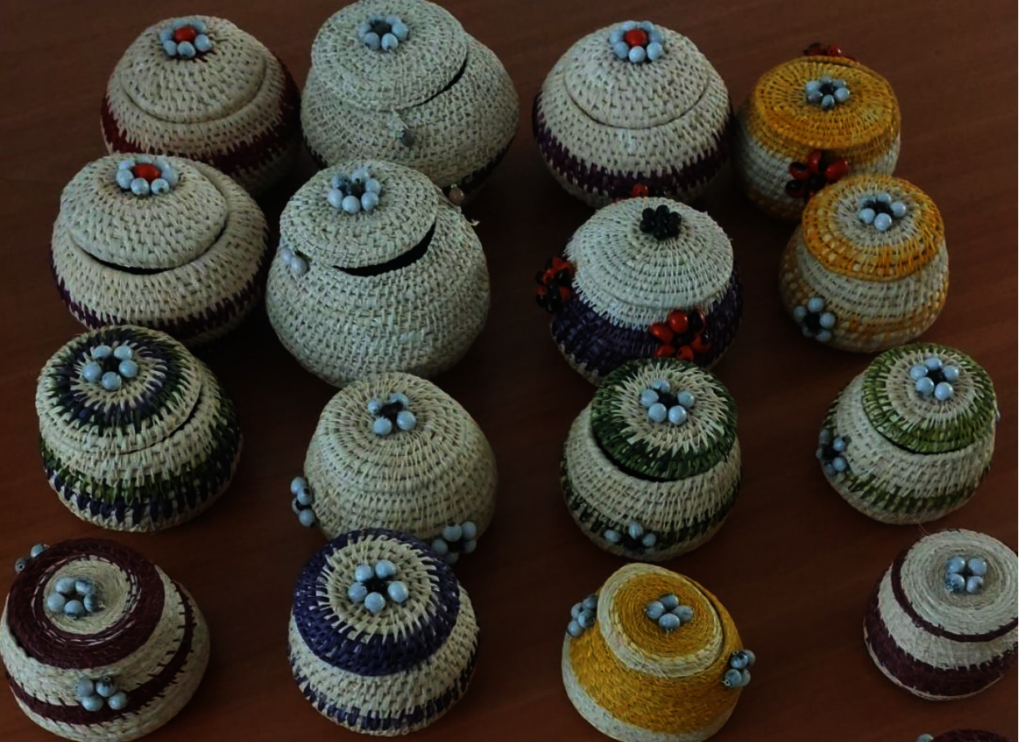
The project has grown from work that began with the Sani Warmi women’s organization in Sani Isla in 2008 and later expanded to additional communities along the Napo River. Today, active initiatives continue in four Amazonian communities: Sani Warmi–Sani Isla, Hatun Urku, Munditi Urku, and Isla Flor Amazónico. Across the project, approximately 76 women have participated, four community organizations have been strengthened, and six types of sustainable bio-enterprises have been fostered.
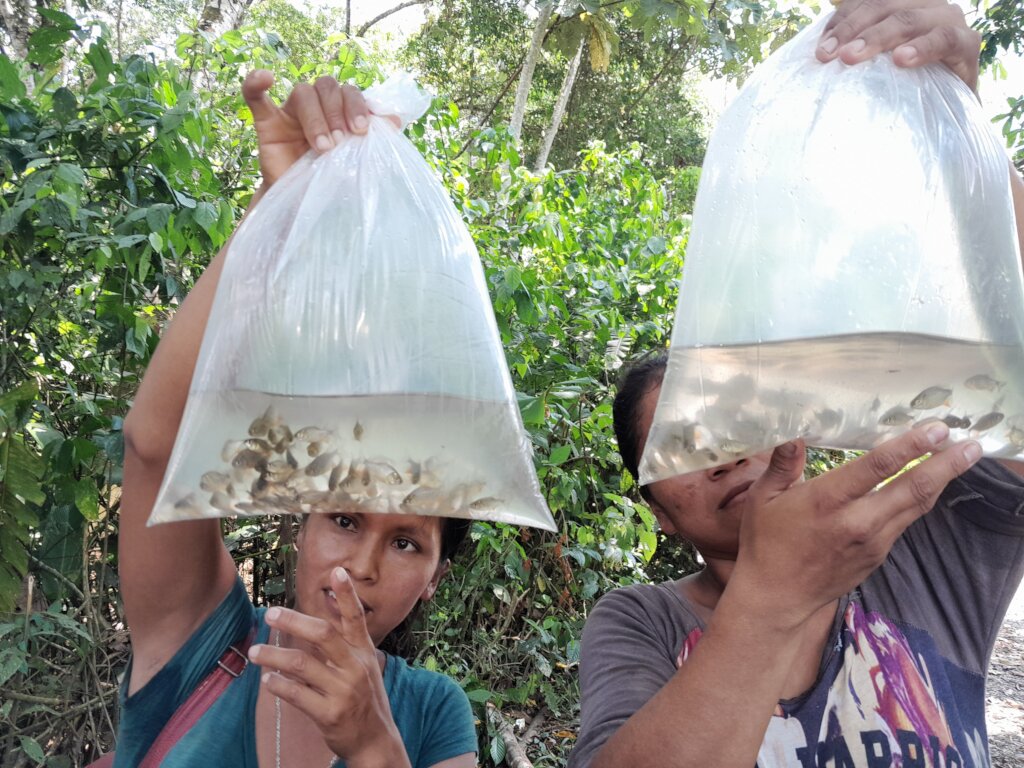
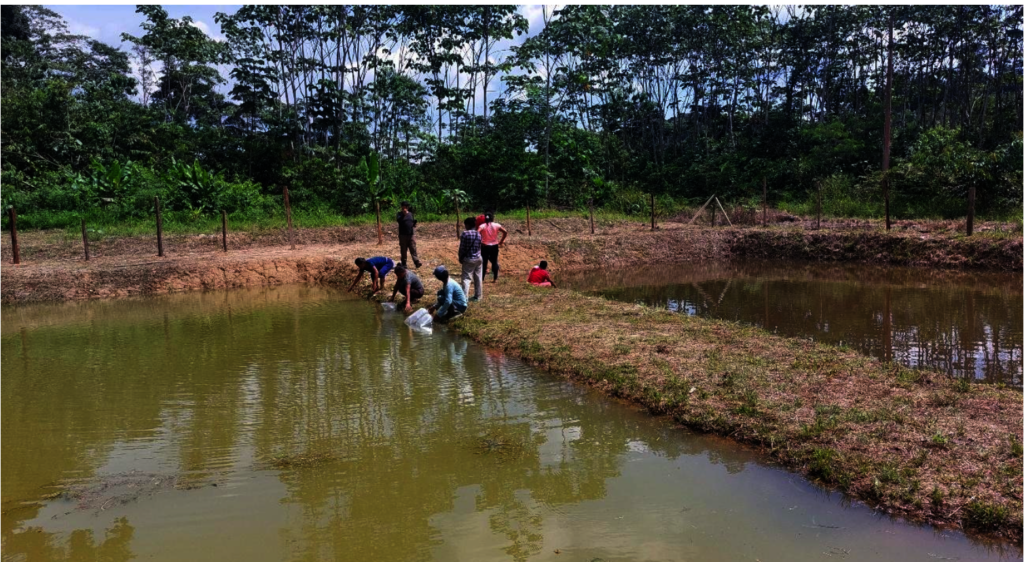
A major focus continues to be community-basedcachamafish farming. Declining river fish populations, environmental changes, and contamination of water sources have increased the importance of locally managed alternatives. Cachama farming can help improve food security, provide supplementary income, reduce pressure on natural resources, and create opportunities for communities to work together around a locally managed enterprise.
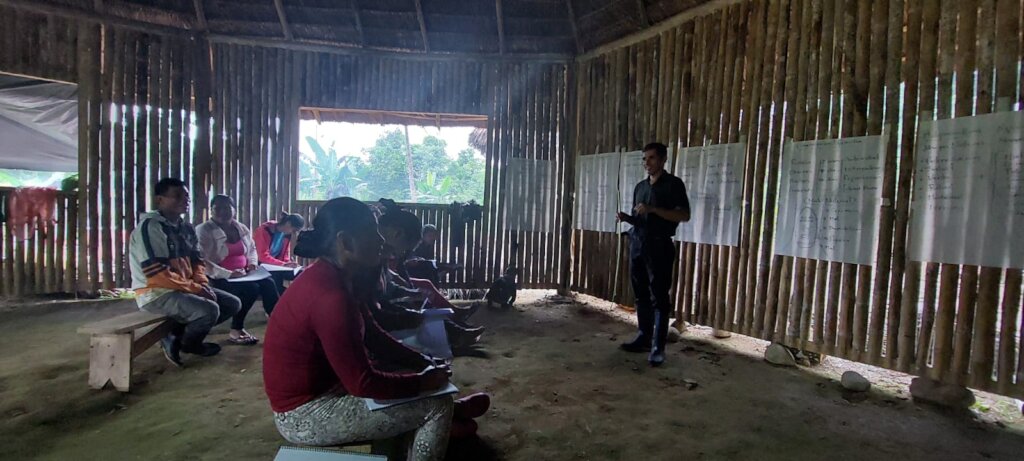
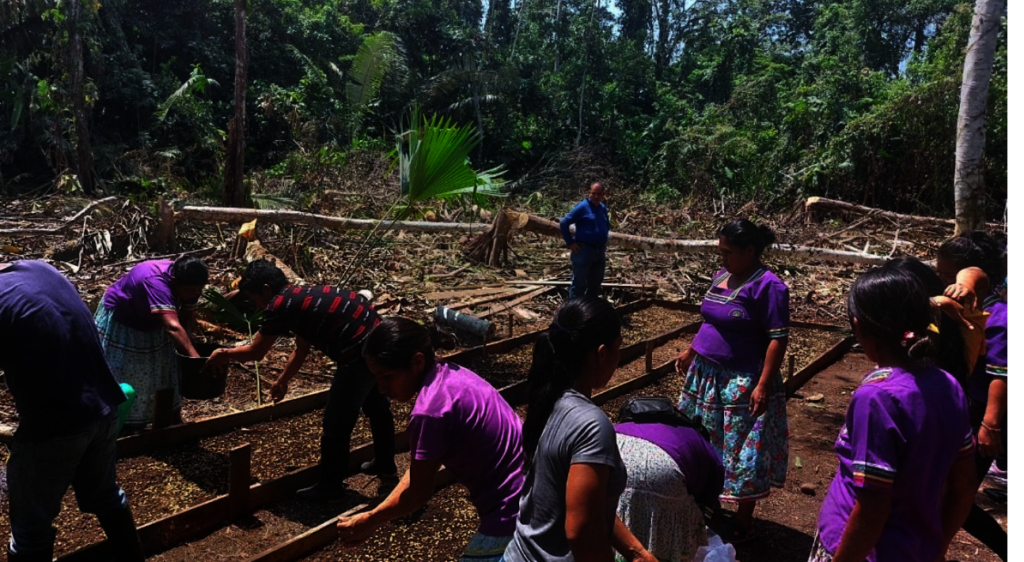
But the project is about much more than raising fish. Rainforest Partnership works with participating communities to strengthen leadership, organization, planning, and the skills needed to manage sustainable initiatives over the long term. The project has supported community dialogue and planning, leadership development, internal organization, project-management training, and the formalization of community associations.
One encouraging example is Isla Flor Amazónico. What began with women seeking new economic opportunities for their families has expanded into a broader family effort. Women and men now work together through the formally established Ayllu Kawsay Production and Marketing Association, which is strengthening the community’s ability to manage projects and access training and new partnerships.
What We Saw in the Field
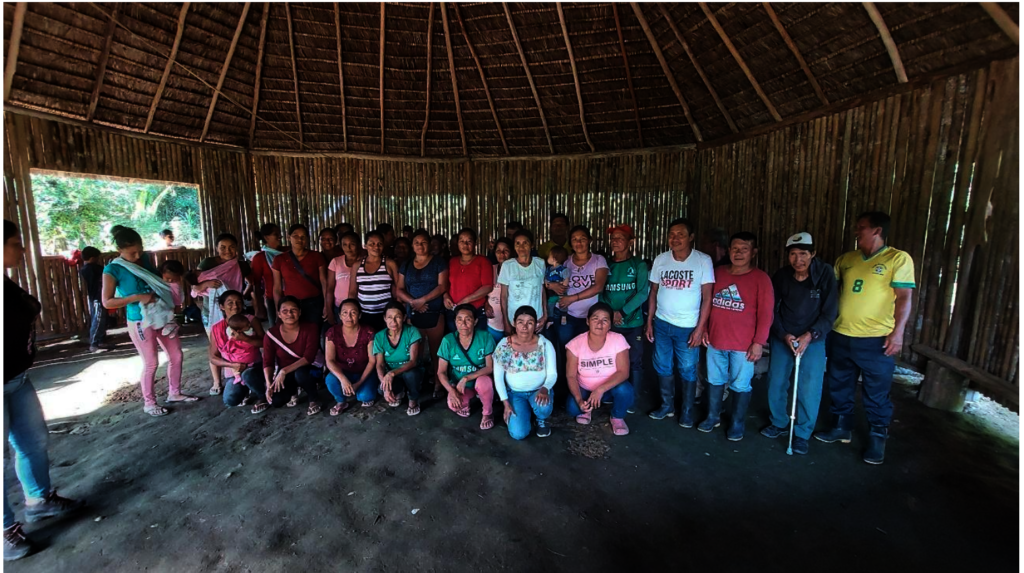
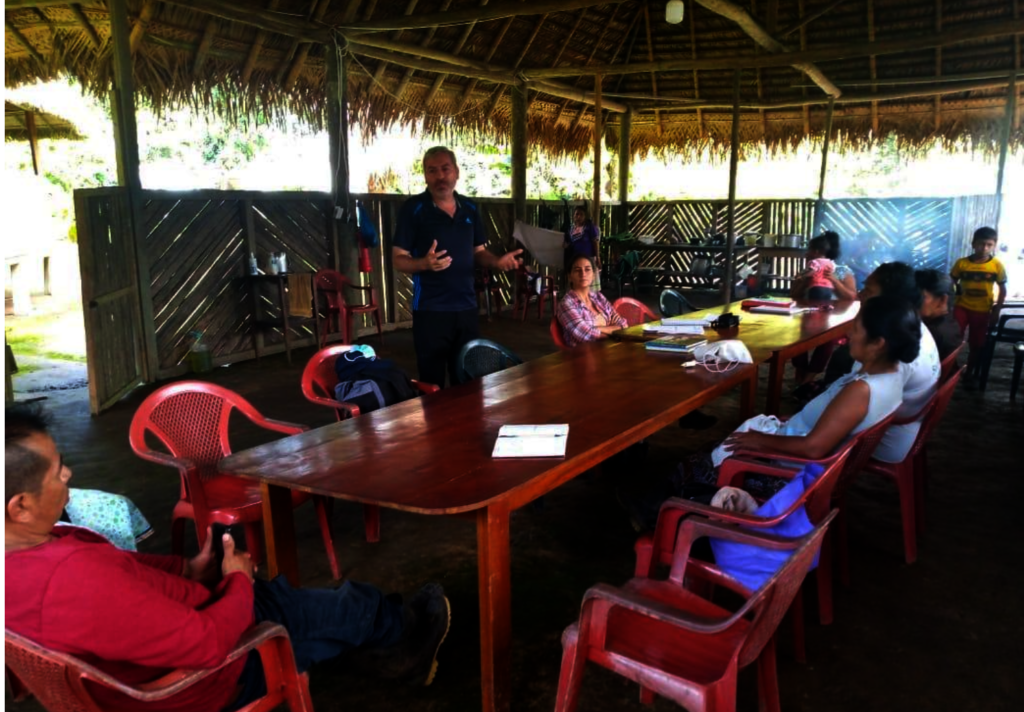
In May 2026, our team conducted follow-up visits in Munditi Urku, Hatun Urku, and Isla Flor Amazónico to review community fish farming, participation, and organizational progress.
In Munditi Urku, women reviewed progress and expressed their interest in continuing to strengthen the project and develop additional sustainable initiatives based on their community’s capabilities. In Hatun Urku, participants openly identified challenges with internal organization and responded by renewing their leadership board to improve project monitoring and participation. In Isla Flor Amazónico, the association continues a stable operational process supported by collaboration among women and men.
These visits also reinforced an important lesson from our years of work in the Amazon:lasting community-led development takes time and consistent partnership.Technical assistance and regular field presence help communities solve problems, strengthen skills, build trust, and gradually move toward greater independence. Resource constraints have reduced the frequency of on-site support, demonstrating how important continued investment is to sustaining this progress.
Looking Ahead
The next phase of the Napo River Women’s Project will continue strengthening community organizations and sustainable livelihoods while building the technical and organizational capacity needed for greater long-term autonomy.
The larger goal remains simple: to create opportunities that allow Amazonian families to thrive while protecting the rainforest around them. By strengthening women as community leaders and supporting livelihoods rooted in local knowledge and natural resources, conservation and community development can move forward together.
Links:
Project reports on GlobalGiving are posted directly to globalgiving.org by Project Leaders as they are completed, generally every 3-4 months. To protect the integrity of these documents, GlobalGiving does not alter them; therefore you may find some language or formatting issues.
If you donate to this project or have donated to this project, you can receive an email when this project posts a report. You can also subscribe for reports without donating.



Support this important cause by creating a personalized fundraising page.
Start a Fundraiser