By Rabin Malla | Project Leader
Background
Raksha Nepal, since last 10 years, has been actively working for vulnerable girls, women and their children. Its target groups are the victims or those vulnerable to sexual exploitation, domestic violence, trafficking, victims of polygamy and neglect, etc. RN also raises voices in favor of its target groups targeted to respective institutions so that the victims could get justice.
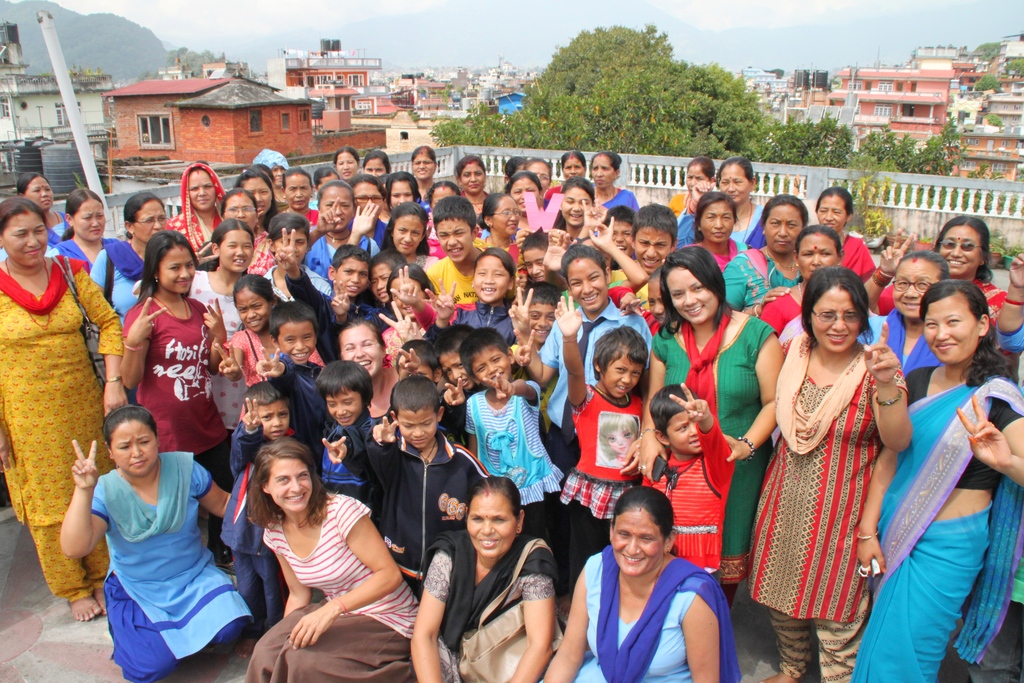
In the same context, since 2011, RN has been implementing “Prevention Against Sexual Exploitation and Trafficking” (PAST) project in support of KFB/DKA. This project is targeted towards those girls and women who work in the informal entertainment sector (dance bar, massage parlor, cabin restaurant, and small snack and tea shops). After forming groups, RN staff has been motivating them through regular meetings, discussion programs, encouraging them to join in the RN saving and credit cooperative, try and find solutions to their problems. It also has been providing awareness programs and skill training for the alternative livelihood opportunities. Through its other training on the women’s rights and legal rights, these girls and women have become capable to fight for their rights. RN has been providing all these services in an integrated manner. Moreover, RN transit home has been set up for keeping the target women’s children while they get skill training and get settled in alternative jobs. Likewise, they can get access to loans with minimal interest against their savings through the cooperative. These girls and women who wish to join non-formal education are provided free education through its women’s school. RN coordinates with different health institutions and doctors etc. to organize free health check-up camps for the target women from time to time.
Major Activities
Activity Details
1. In the last quarter we conducted awareness classes for seven of the network groups. These classes took place at the women's workplace, the same place where they regularly hold their meetings. They covered subjects such as traffiking, sexual exploitation, sexual abuse, and domestic violence, and counseling. After the classes the women had a better understanding of these subjects and their existence in society.
2. We conducted one workshop with both the media and selected members from the Network groups. In the past the women tended to be very scared of the media because the media has portrayed them in bad lights. We set up this workshop with both sides to explain where the media comes from, and where the women are coming from, and allowed both sides to express their views and experiences. This allowed the women to learn more about what the media is doing and is there for, and for the media to learn more about and realize the reality of the lives of the women in this sector, and the situations that they are in.
3. We conducted the regular meetings two times in the last quarter. These allow a forum for the women to come together to discuss issues and problems that they are having in the workplace or in their daily lives. Additionally, we discussed the peer educator trainings that we are preparing for later in the year, and selected subjects to base the trainings around. 15-18 women from the different women's groups were present at these meetings. We also discussed the present situation of a rising number of police raids in the sector, and how to stay safe throughout these. This included discussing the laws and their rights pertaining to this.
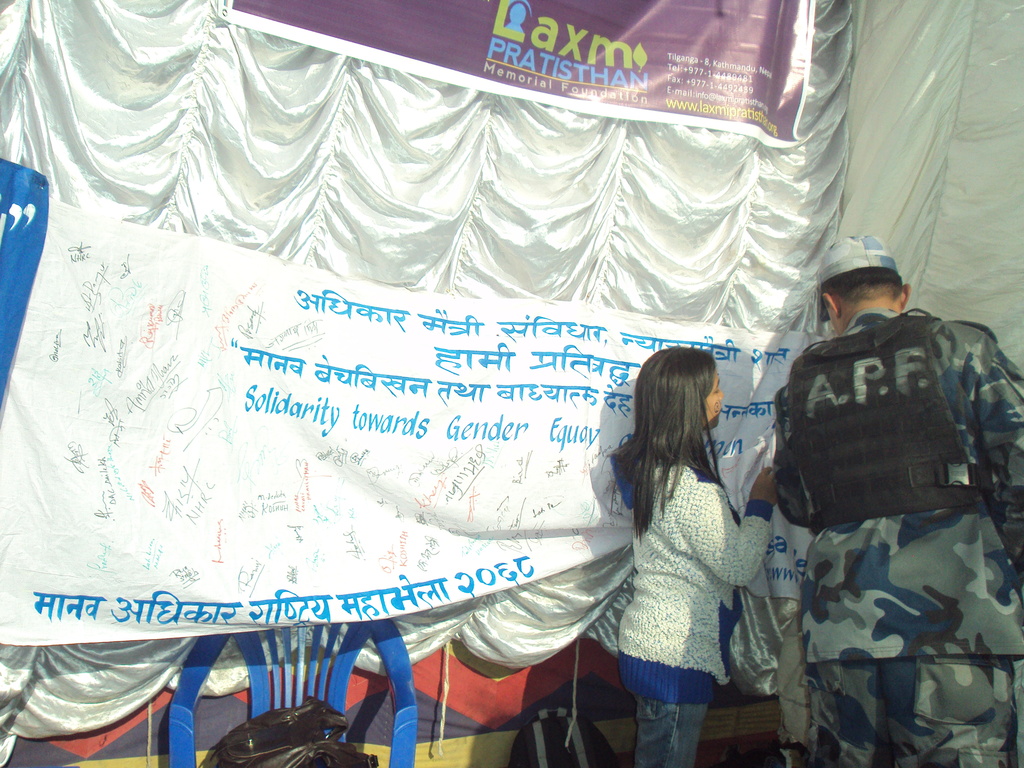
4. We are continually working on building relationships with stakeholders as a way to work together to address the situation of the women in the sector. In August we conducted one meeting with the local NGOs, police, media, target group members, and other likeminded agencies. Through this we had a discussion about the women's situation in the sector and possible solutions, as well as the role we can all play in these solutions. There were 25 participants present at the meeting representing the various stakeholders.
Dear Donors and Supporters,
We are currently working to support these regular activities through the continued donations that we recieve. All these donations are vital to keeping our programs going, and to helping to provide better lives for these women and children. We greatly appreciate your continued support and suggestions as well.
Links:
Project reports on GlobalGiving are posted directly to globalgiving.org by Project Leaders as they are completed, generally every 3-4 months. To protect the integrity of these documents, GlobalGiving does not alter them; therefore you may find some language or formatting issues.
If you donate to this project or have donated to this project, you can receive an email when this project posts a report. You can also subscribe for reports without donating.