By Ollie James | Project Assistant
Dear friends,
In this report we would like to share Braram's story, following her journey from Boko Haram captivity to finally reintegrating with her family thanks to support provided by International Alert and our partners.
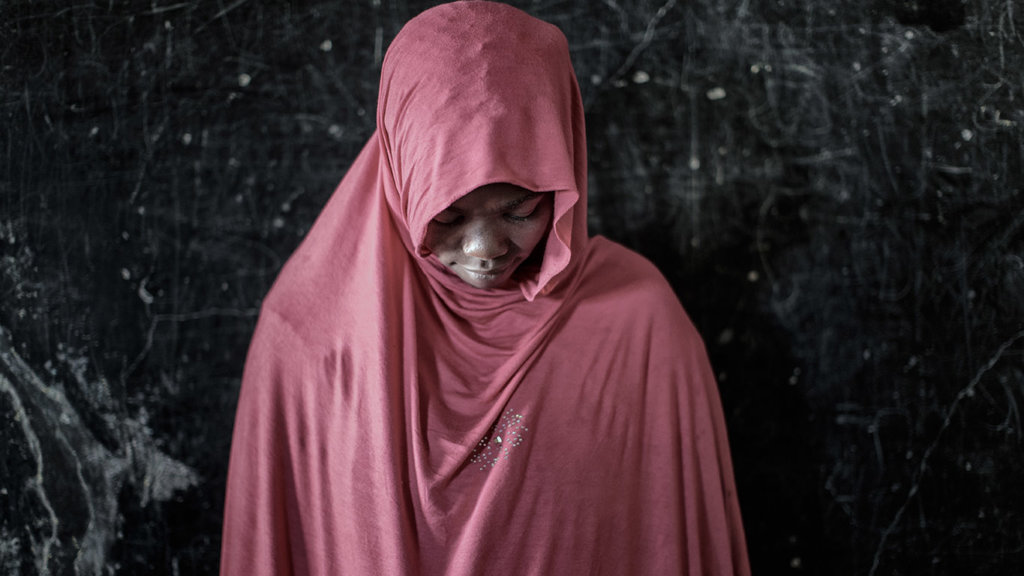
Braram* was 11 years old when Boko Haram invaded her home in Bama town, Nigeria. They abducted her along with many other women and girls. They also killed a lot of people and destroyed many properties.
For three years, she suffered sexual and domestic violence under captivity at the hands of the insurgents until she was rescued by government forces during a major military offensive. Braram survived her captivity but was left with psychological scars and health issues. Weeks after undergoing compulsory procedures for reintegration administered by the Army, Braram returned home with hopes of a better life. However, her father and brother rejected her once she returned which encouraged further stigmatisation by the community towards her.
"When my father and brother threw me out of the house and refused to accept me back, I became hopeless and helpless. I just felt life was worthless for me, and it made me really sad," said Braram.
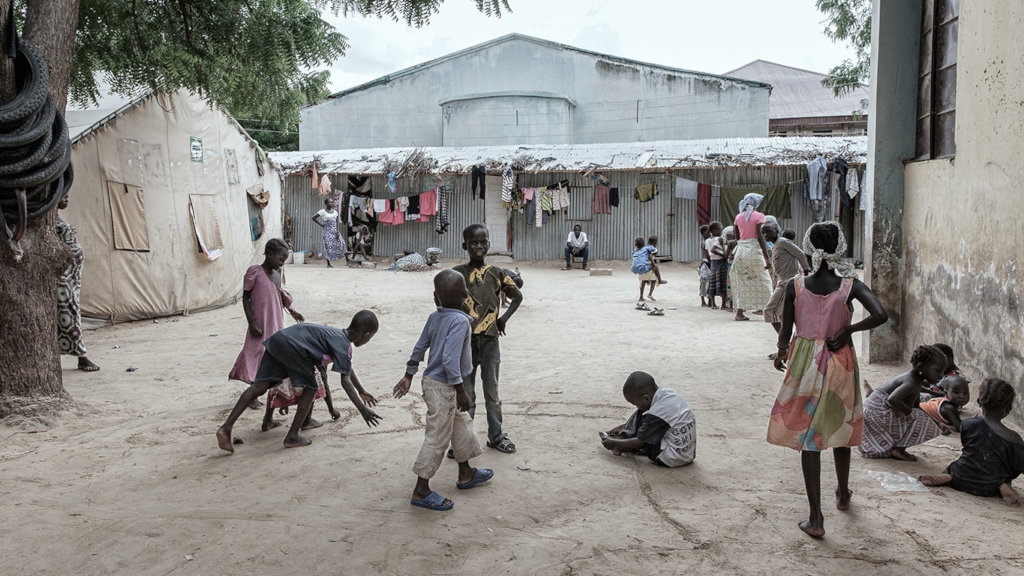
Braram found shelter at the internally displaced persons (IDP) camp in Bama and participated in the psychosocial support sessions for survivors of sexual and gender-based violence. The sessions were implemented by International Alert with the Centre for Social Cohesion, Peace and Empowerment to reinforce the reintegration and reconciliation of conflict-affected women and girls and to support community peacebuilding.
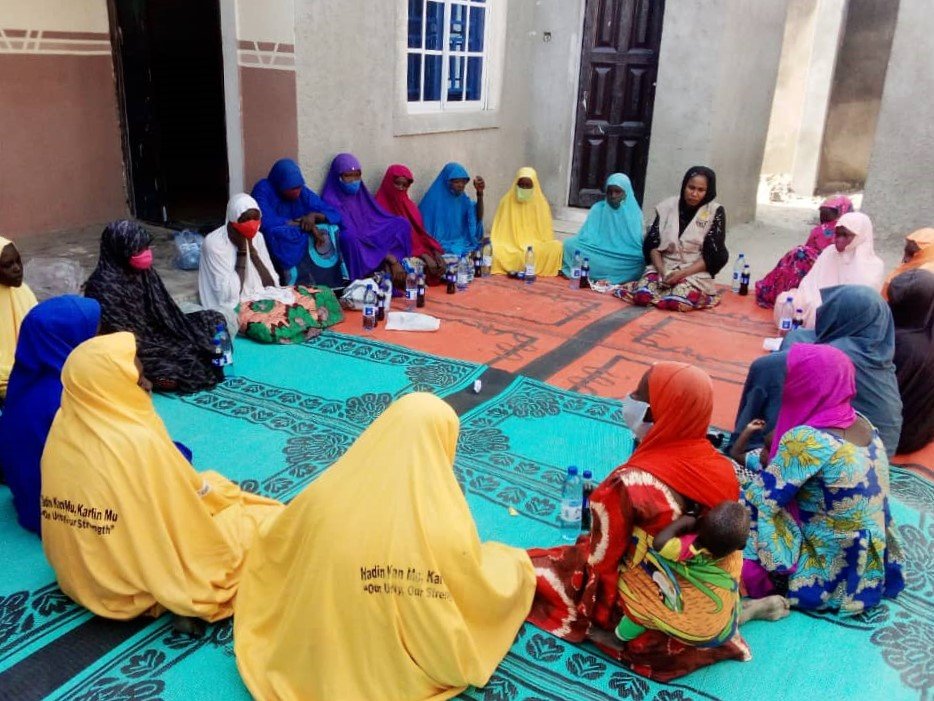
In these psychosocial support sessions, survivors of abduction meet in peer groups to share their experiences, pour out their shared pain and find commonality in their plight. This helps them to reduce their feeling of hopelessness and the assumptions that they are suffering alone. When these survivors begin to heal and regain their self-esteem, they begin the family support sessions where they contact their family and start the process of reintegration.
"I was screened by one of Alert's psychosocial advisers and told I could participate in the support sessions to help with my anxiety, feelings of worthlessness and depression.”
During the initial family support sessions, Braram's brother, Ba'ana Kura, rejected the idea of reintegrating Braram back into the family and community. Other family members supported Ba'ana Kura and refused to speak to Braram during the sessions.
Alert's psychosocial support curriculum encourages participants to speak up and express their emotions, fears and concerns regards reintegration. In many cases, it takes a while before survivors and their families break the shock and can speak up to each other. Ba'ana Kura eventually opened up and shared his fear of being stigmatised by the community if he accepted Braram.
"I lost my sister the day insurgents took her away from us, and I feel she is lost forever," Ba'ana Kura tells us. During the last family support session, her family was touched by the sermon and appeals from community leaders, who used teachings from the Qur'an to appeal to the family to view her as a sheep that was lost from the flock and has now been found. Her father broke down in tears and expressed regret for rejecting and stigmatising his own daughter.
There was a flow of emotions on that day, as Braram's family asked her to forgive them for rejecting her for so long and were now welcoming her back at home. Braram and her family left the session very thankful to the community and religious leaders who facilitated the reunion.
The project has been able to reduce the stigma against the women and children associated with Boko Haram, equip community and religious leaders with skills to help them to understand and address challenges to reintegration, and help community members to work collaboratively to identify and resolve conflict related to reintegration.
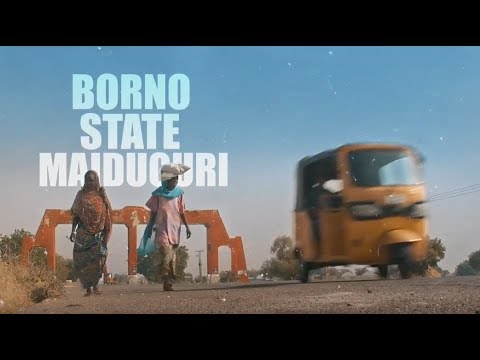
International Alert and its partners continue to work in camps across Borno State, supporting the reintegration and building the resilience of women and girls affected by sexual and gender-based violence and abduction by Boko Haram.
*Name changed to protect her identity
Please look out for future reports where we will continue to share updates from the team in Nigeria.
Thank you again for your kind support and commitment to peace.
Ollie James
International Alert
Project reports on GlobalGiving are posted directly to globalgiving.org by Project Leaders as they are completed, generally every 3-4 months. To protect the integrity of these documents, GlobalGiving does not alter them; therefore you may find some language or formatting issues.
If you donate to this project or have donated to this project, you can receive an email when this project posts a report. You can also subscribe for reports without donating.