By Soph Stephens | Digital Manager
Pritam was three years old when his family first began to notice that something was different. He didn't maintain eye contact, remained absorbed in his own world of self-directed activity, and didn't respond when called. He would often break toys and household items, seemingly unaware when he was scolded. At home, these behaviours were frequently misunderstood, and they created real distress within the family.
Pritam's parents, from a rural farming community with limited awareness of developmental conditions, initially wondered whether supernatural causes lay behind his behaviour — the laughing to himself, the lack of response to instructions, the apparent absence of fear, the frequent shouting. They turned first to a local healer, but saw no improvement. A visit to a primary health centre followed, where they were told Pritam might have autism and advised to seek specialist services in a city — support that was simply out of reach, financially and logistically. Nearly a year passed without any structured support.
The turning point came when an Anganwadi (community childcare) worker told the family that children like Pritam could improve with the right support. A team from Nishtha visited their home soon after, and gradually, through counselling, the family began to understand that Pritam's condition was developmental, not something to fear, and that timely intervention could make a real difference.
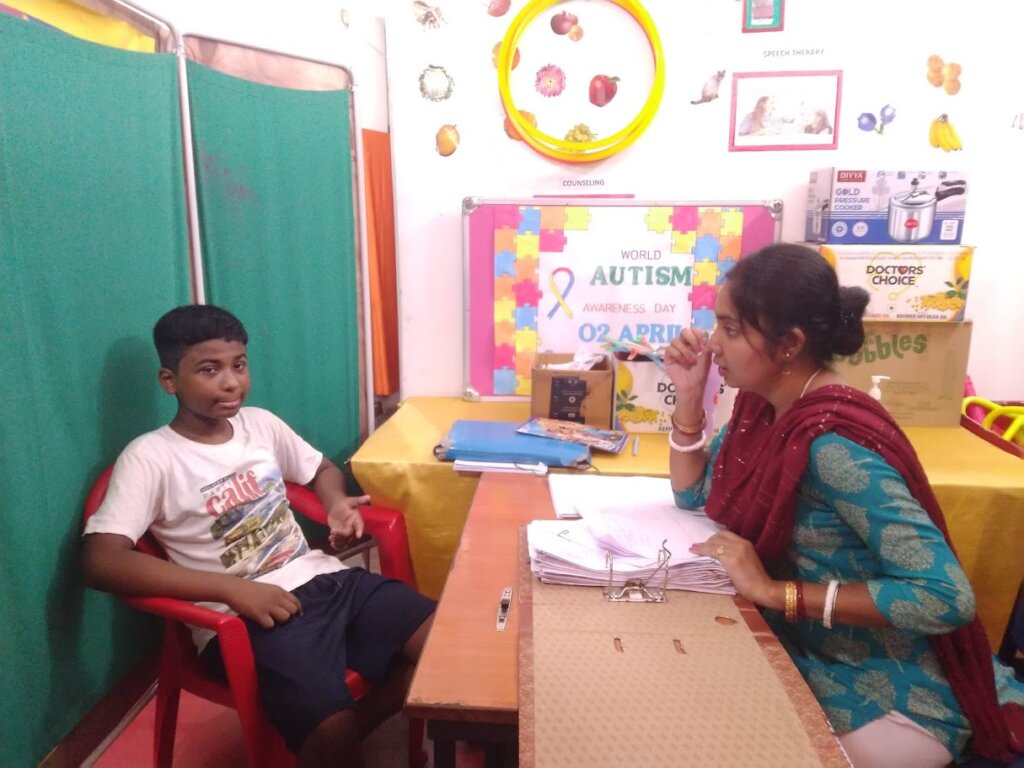
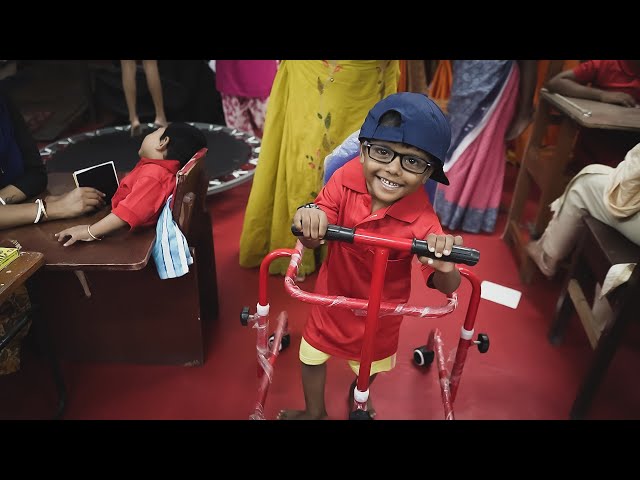
At the Bhalobasha Day Care Centre, a comprehensive assessment confirmed mild autism, along with the reassurance that Pritam had the capacity to learn, to develop communication skills, and to build independence in daily life with the right support. At the time, he wasn't yet speaking in meaningful words, avoided eye contact, and showed behaviours including head banging, hyperactivity and low attention.
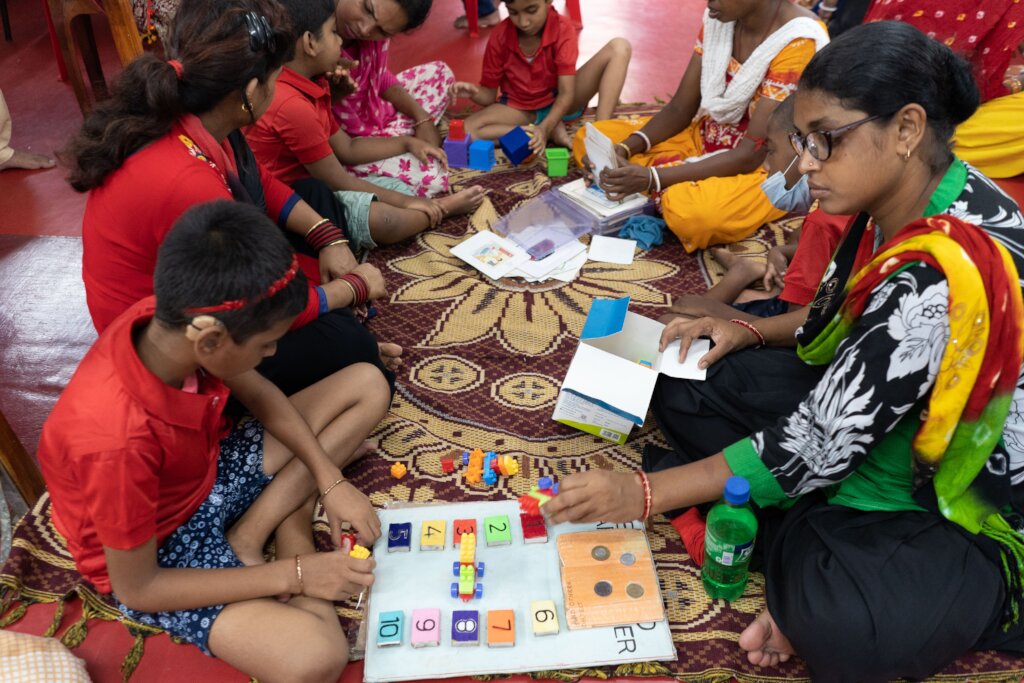
A structured programme followed: behavioural therapy to support social interaction, speech therapy, occupational therapy for daily living and sensory regulation, psychological counselling for Pritam and his family, and psychiatric consultation where needed — alongside ongoing guidance to help his parents support his learning at home.
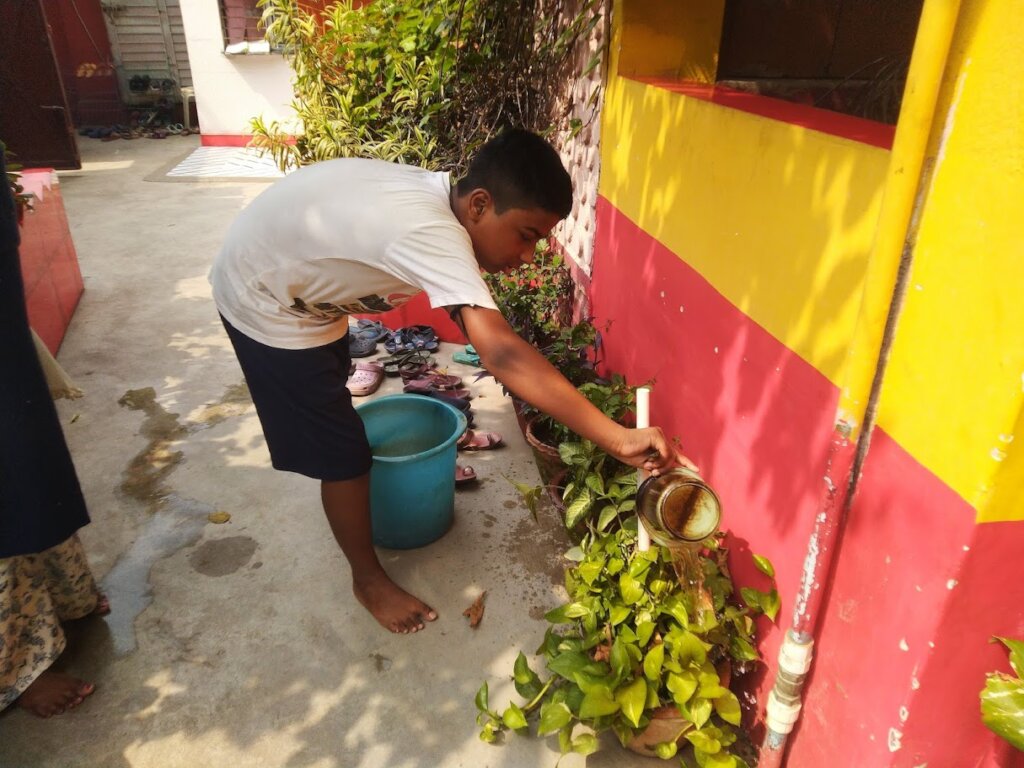
The change has been steady. Pritam now responds to his name and recognises family members. He has begun expressing his basic needs in short sentences. His hyperactivity has reduced, head banging has decreased, and he has grown more independent in daily routines such as brushing, bathing, eating and using the toilet. He has now been enrolled in a primary school and is gradually moving towards mainstream education.
His parents' understanding has transformed alongside him. Once unaware of what autism even meant, they are now active, informed participants in his care. Access to therapy that is so often unavailable or unaffordable in rural areas — made possible through Nishtha and the support of The Karuna Trust — has eased both the financial and emotional weight the family once carried alone.
Pritam's journey is a reminder of what early identification and accessible support can achieve. There is more progress ahead, but each step — a word spoken, a name recognised, a small act of independence — is one that once felt out of reach.
Thank you for making journeys like his possible.
Project reports on GlobalGiving are posted directly to globalgiving.org by Project Leaders as they are completed, generally every 3-4 months. To protect the integrity of these documents, GlobalGiving does not alter them; therefore you may find some language or formatting issues.
If you donate to this project or have donated to this project, you can receive an email when this project posts a report. You can also subscribe for reports without donating.



Support this important cause by creating a personalized fundraising page.
Start a Fundraiser