By Tilahun Giday | Country Representative
PATHFINDER INTERNATIONAL
GLOBAL GIVING SCHOLARSIP
SEPTEMBER – DECEMBER 2010 REPORT
BACKGROUND
A number of international conventions, including the Universal Declaration of Human Rights and the Program of Action of the 1994 International Conference on Population and Development, have emphasized the importance of education. The Fourth World Conference on Women, held in Beijing in 1995, recognized that female literacy is essential to empowering women to participate in decision making in society and to improving the well-being of families. In addition, the United Nations has articulated the Millennium Development Goals (MDGs), which include goals for improved education, gender equality, and women's empowerment. The MDGs emphasize the essential role of education in building democratic societies and creating a foundation for sustained economic growth.
Education contributes directly to the growth of national income by improving the productive capacities of the labor force. Offering girls basic education is a proven way to increasing their power and confidence and enabling them to make choices over the lives they lead.
Educated women have the chance to live more healthy and successful lives. There are also important benefits for society as a whole. An educated woman has the skills, information, and self-confidence that she needs to be a better parent, worker, and citizen. An educated woman is likely to marry at a later age and have fewer children. Research shows that an additional year of schooling for girls reduces fertility rates and that the children of educated mothers are more likely to survive. In addition, the benefits of education on women's empowerment and gender equality are broadly recognized. In Ethiopia and in much of the developing world, female education has the following advantages:
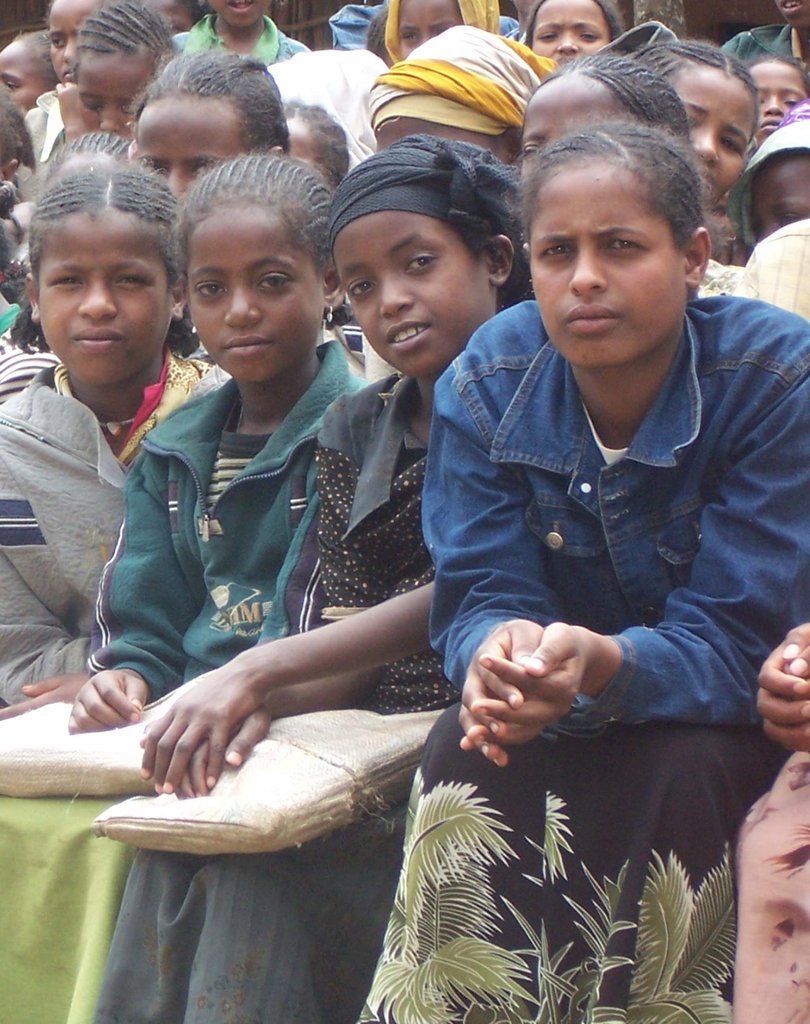
Although Ethiopia's education and training policy stresses the need to sensitize society about the importance of female education, it still has a long way to go in making this a reality. In Ethiopia, many families struggle economically, thus most female students leave school to stay home to assume household chores or to work at the family business. Poverty and a lack of female education have always been acute in Ethiopia. Some key factors contributing to these problems are: gender-based discrimination; educating males over females, early and forced marriage of females, and young peoples’ limited knowledge of life skills and sexual and reproductive health.
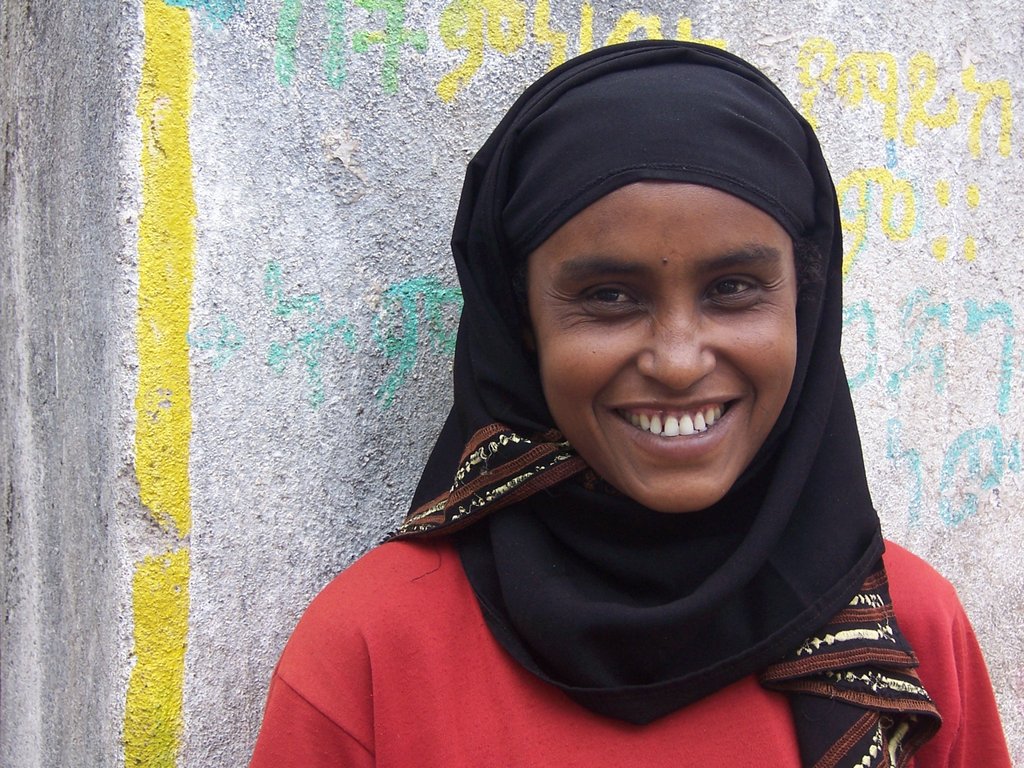
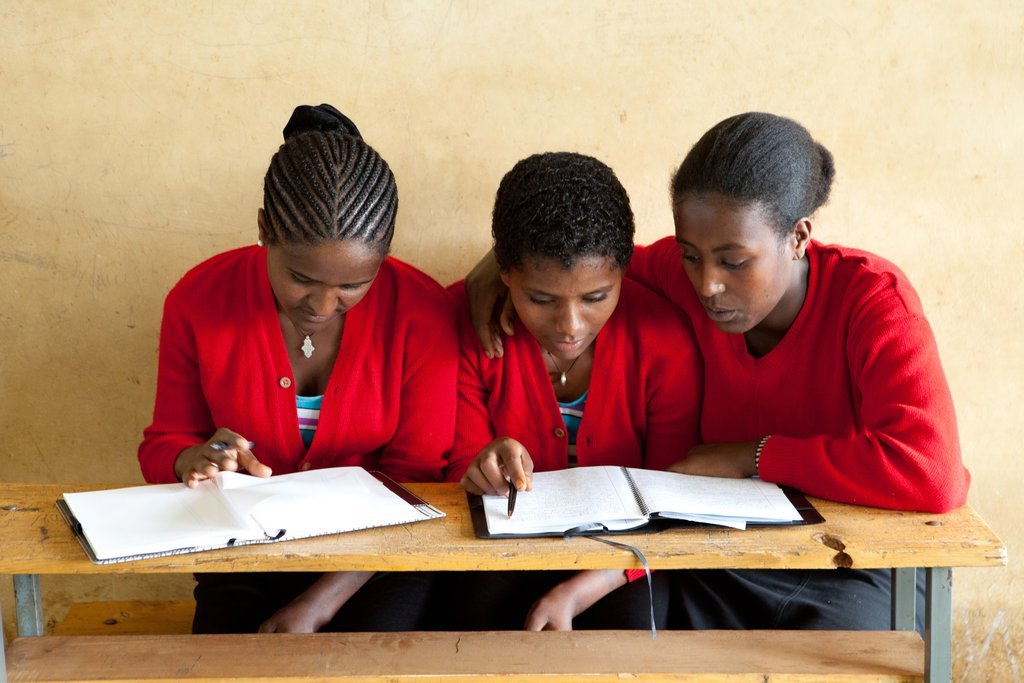
In Ethiopia, the enrollment of female students at the elementary level is more than 55%. For the reasons mentioned above, this number decreases sharply in preparatory, undergraduate, and graduate schools. It is quite evident that gender equality is unattainable and unimaginable without empowering women through education. As such, Pathfinder, in partnership with Addis Ababa Women’s Association, is providing scholarship support for economically vulnerable but academically strong girls in order to increase the retention of female students at a higher level of education. In the last three months, with support from Global Giving funds, Pathfinder has been able to enroll three new students in school and continue educational support for four young women whose scholarships were going to expire before they completed secondary school.
SCHOLARSHIP DETAILS
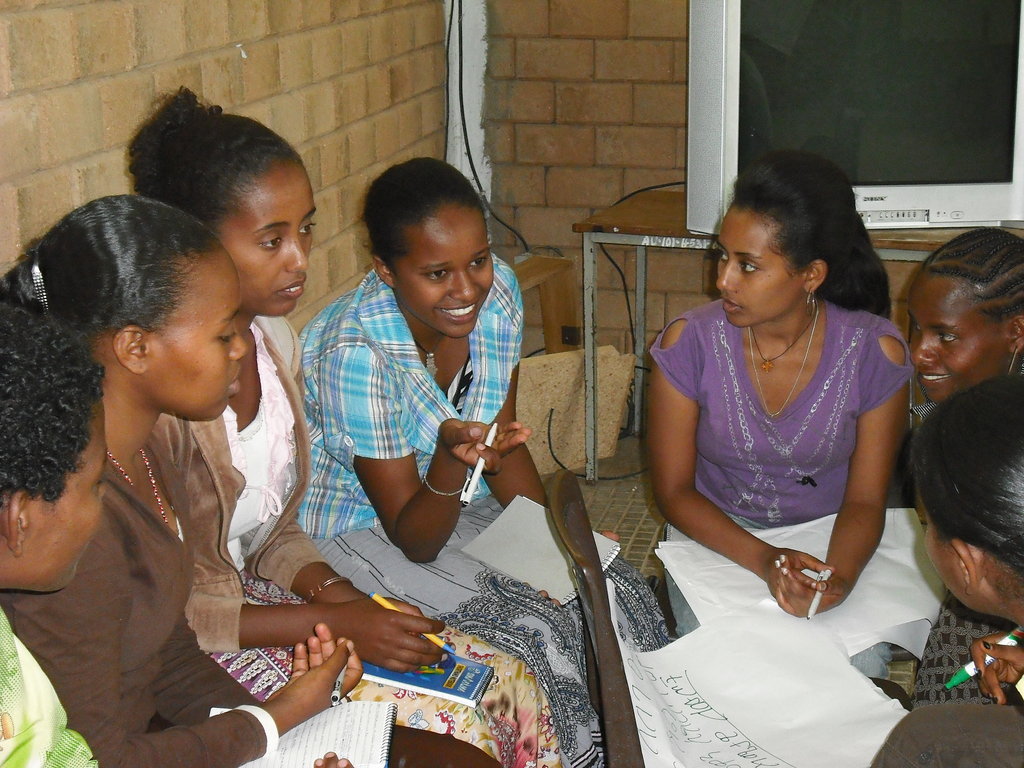
Scholarship beneficiaries are selected from the school’s Gender club in collaboration with school management. The Addis Ababa Women’s Association closely monitors the girls’ lifestyle, progress in school, and provides the students with services to help them thrive. Most scholarship beneficiaries are orphans living with foster families. To ensure the well-being and capacity of the girls to succeed in school, the Association approaches and consults the foster families, and also reaches out to the beneficiary to discuss any problems she may be facing at home. In the school setting, the grades and performance of the scholarship recipients are monitored closely through exams and reports. Additionally, beneficiaries are offered life skills and trainings on issues of gender, gender-based violence, and sexual and reproductive health. To enhance leadership skills and self-confidence, the beneficiaries are given leadership positions in the school gender clubs. The above efforts have proven effective as the beneficiaries have demonstrated a strong work ethic in school and have set a dream and vision of becoming a professional woman.
NEW SCHOLARSHIP GIRLS ADMITTED BETWEEN SEPTEMBER AND DECEMBER 2010
Three new students have been admitted to the scholarship program since September 2010.
Name: Mastewal Abebe
Grade: 9
Age: 16
Period of assistance: 24 months from Oct 2010
Status: Comes from a very poor family, she was planning to dropout.
Name: A/work Mamush
Grade: 9
Age: 16
Period of assistance: 24 months from Oct 2010
Status: She is living with an HIV+ and sick mother.
Name: Nigist Endale
Grade: 10
Age: 18
Period of assistance: 24 months from Oct 2010
Status: Is an orphan, living with a poor foster family. She was planning to dropout.
EXTENSION OF ASSISTANCE TO PREVIOUS SCHOLARSHIP BENEFICIARIES
Extension of assistance was made to the following girls who were already supported by the scholarship and who required additional fund to complete their high school studies.
Name: Hilina Kebede
Grade: 11
Initial deposit: As of May 08
Duration:30 months
Finished: Oct 2010
Extension of assistance: 20 months as of Nov 2010
Name: Mariamawit Az
Grade: 11
Initial deposit: As of March 09
Duration: 23 months
Finished: Jan 2010
Extension of assistance: 20 months as of Nov 2010
Name: Rut Shume
Grade: 11
Initial Deposit: As of Mar 09
Duration: 23 months
Finished: Jan 2010
Extension of assistance: 20 months as of Nov 2010
Name: Yamatu Kassa
Grade: 11
Initial Deposit: As of Mar 09
Duration: 23 months
Finished: Jan 2010
Extension of assistance: 20 months as of Nov 2010
Project reports on GlobalGiving are posted directly to globalgiving.org by Project Leaders as they are completed, generally every 3-4 months. To protect the integrity of these documents, GlobalGiving does not alter them; therefore you may find some language or formatting issues.
If you donate to this project or have donated to this project, you can receive an email when this project posts a report. You can also subscribe for reports without donating.