By Praveen Kumar | Project Manager
When “Saira” (name changed), age 17, stopped attending school, our community worker visited the home she shares with her mother and two younger siblings. Saira’s mother, a survivor of sex trafficking, had fallen behind on rent. Although Apne Aap had helped Saira remain enrolled and provided school materials, classmates repeatedly bullied her because she came from a red-light area. The humiliation left her anxious, withdrawn, and afraid to return to the classroom. With food running short and expenses mounting, Saira began looking for domestic work, believing that leaving school was the only way to protect herself and help her family.
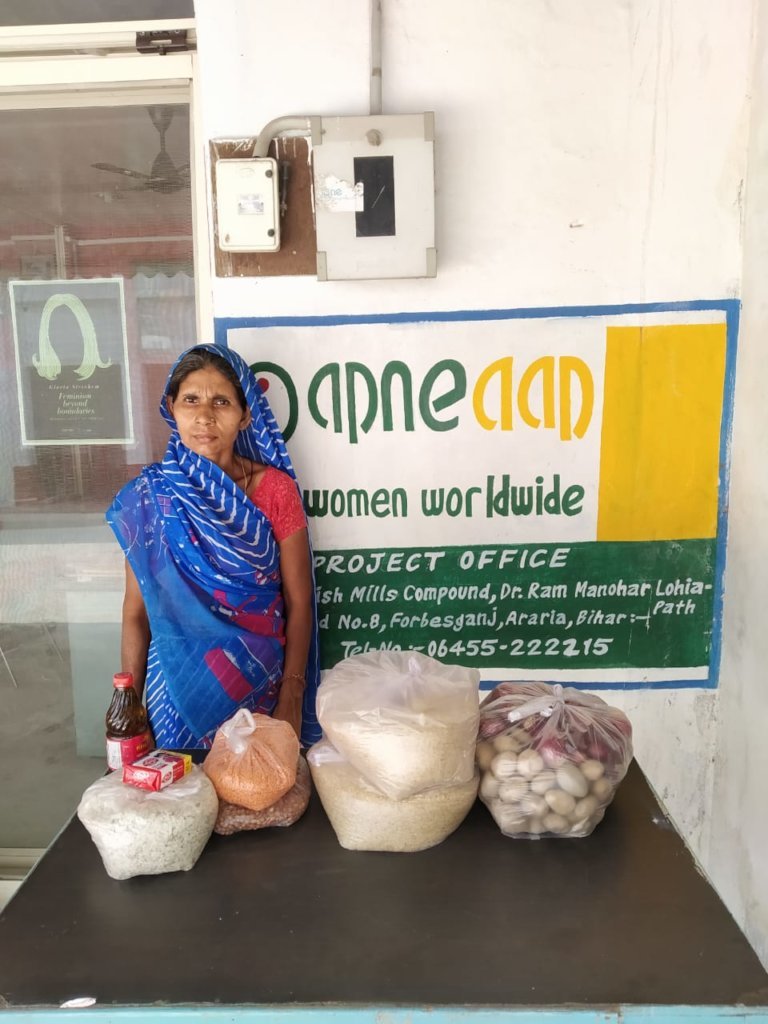
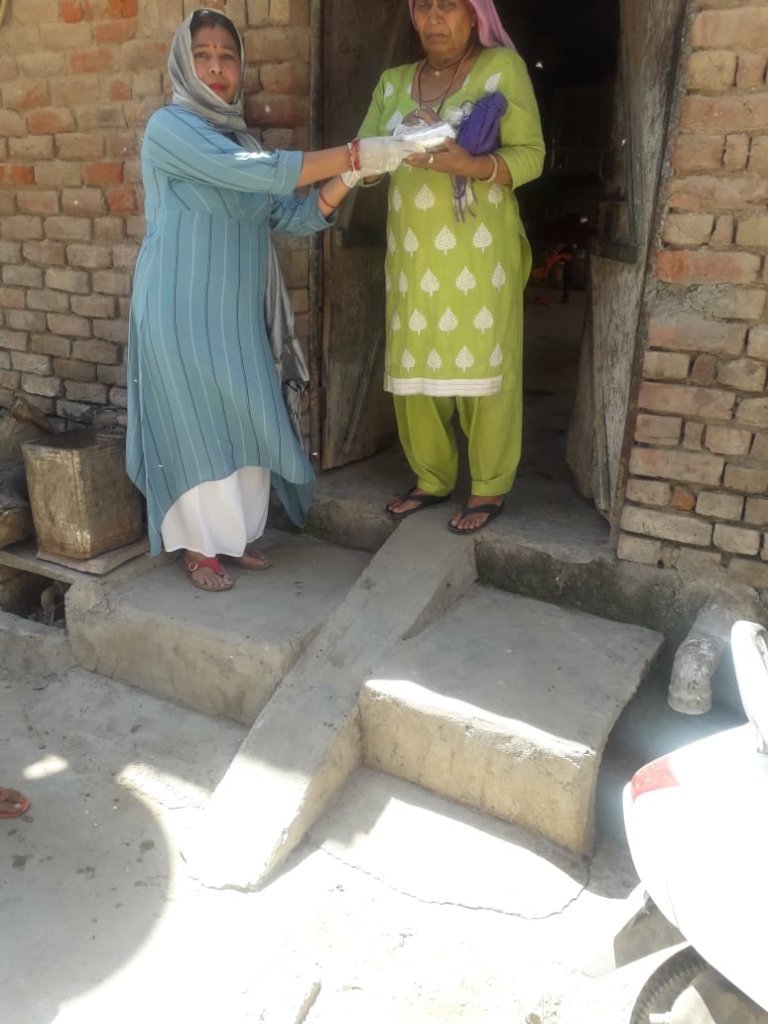
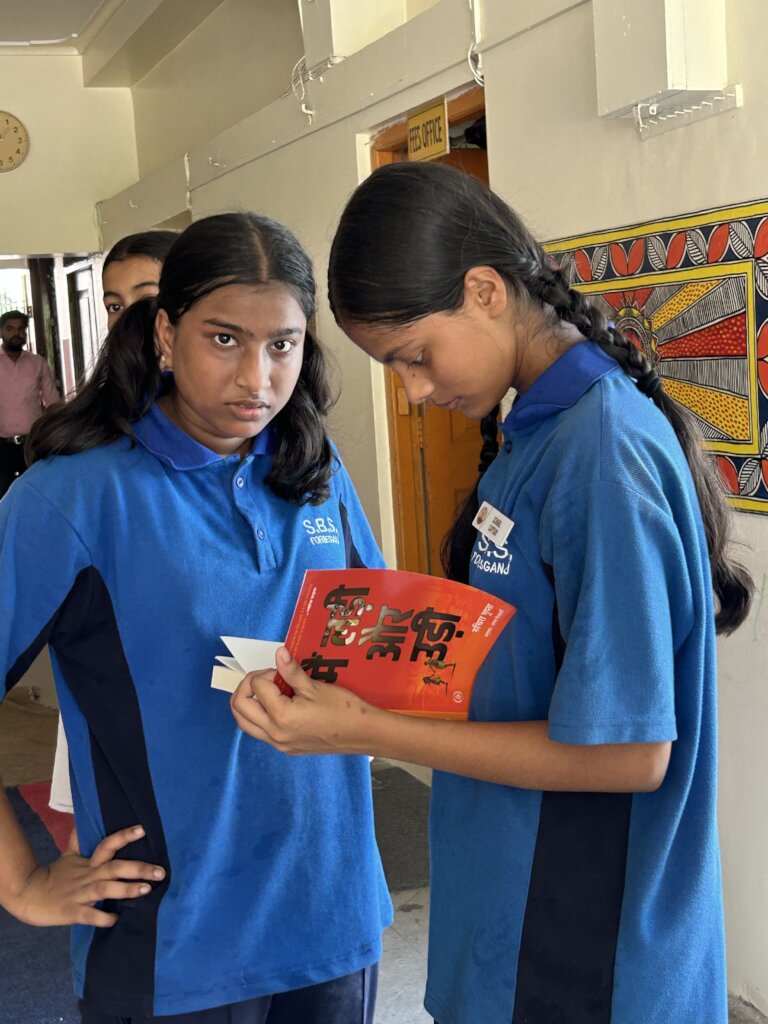
During the last three months, Apne Aap provided Saira with mental health counseling and the family with food rations, medicines, hygiene supplies, sanitary pads, and emergency rent assistance. A field worker accompanied Saira’s mother to a government hospital, helped her obtain prescribed medicines, and supported her applications for food and health benefits. Saira received notebooks, computer access, counselling, and learning support. Our team spoke with her family and school about the bullying. By the end of the quarter, she had resumed classes and was preparing for her examinations.
Saira’s experience reflects a growing challenge among women and children served by this project. Although the Covid emergency has passed, many families remain trapped by debt, insecure housing, illness, irregular employment, stigma, and rising costs. Children from red-light areas often face discrimination that damages their confidence. Without sustained emotional and practical support, children who have books and school access may still drop out.
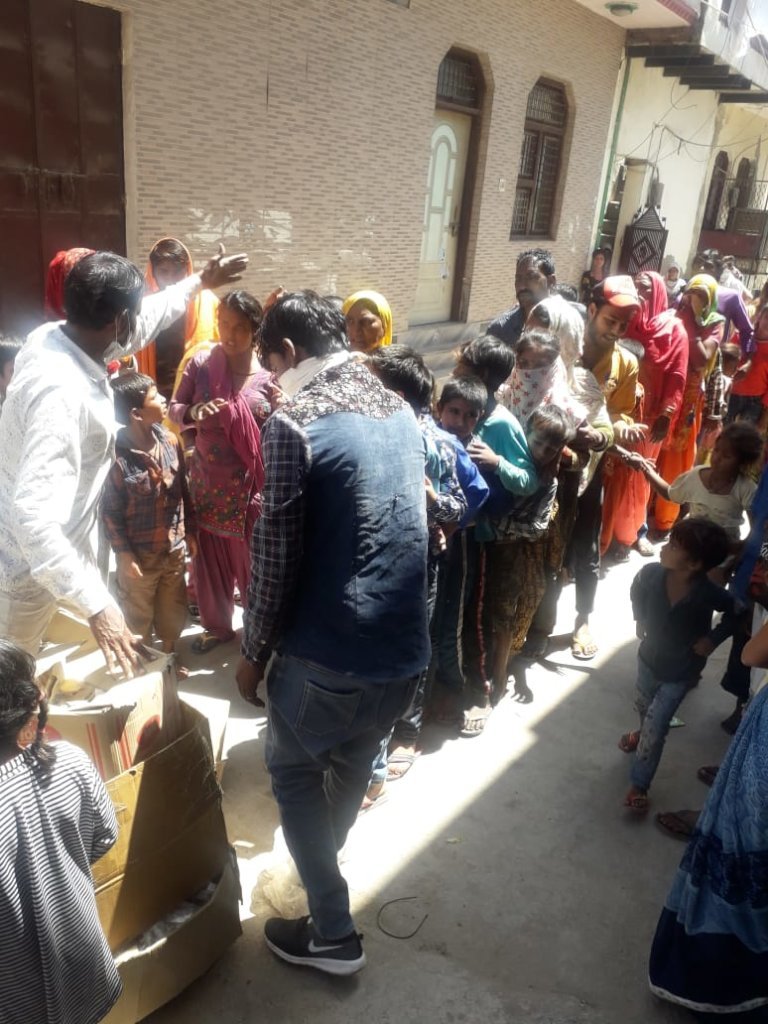
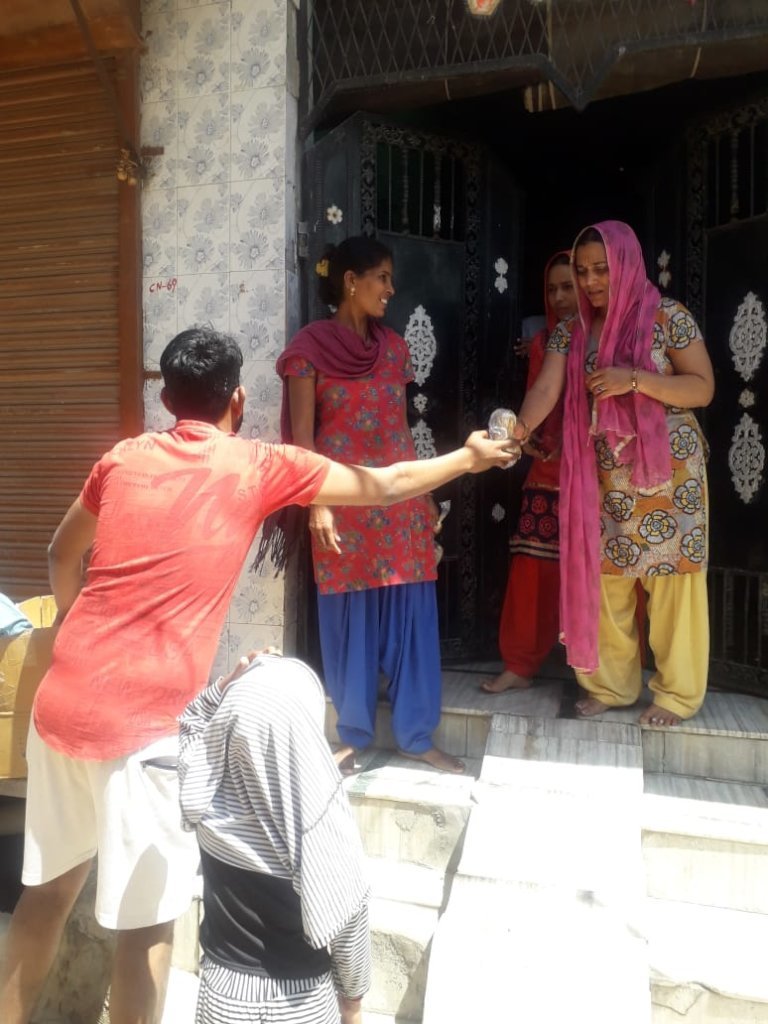
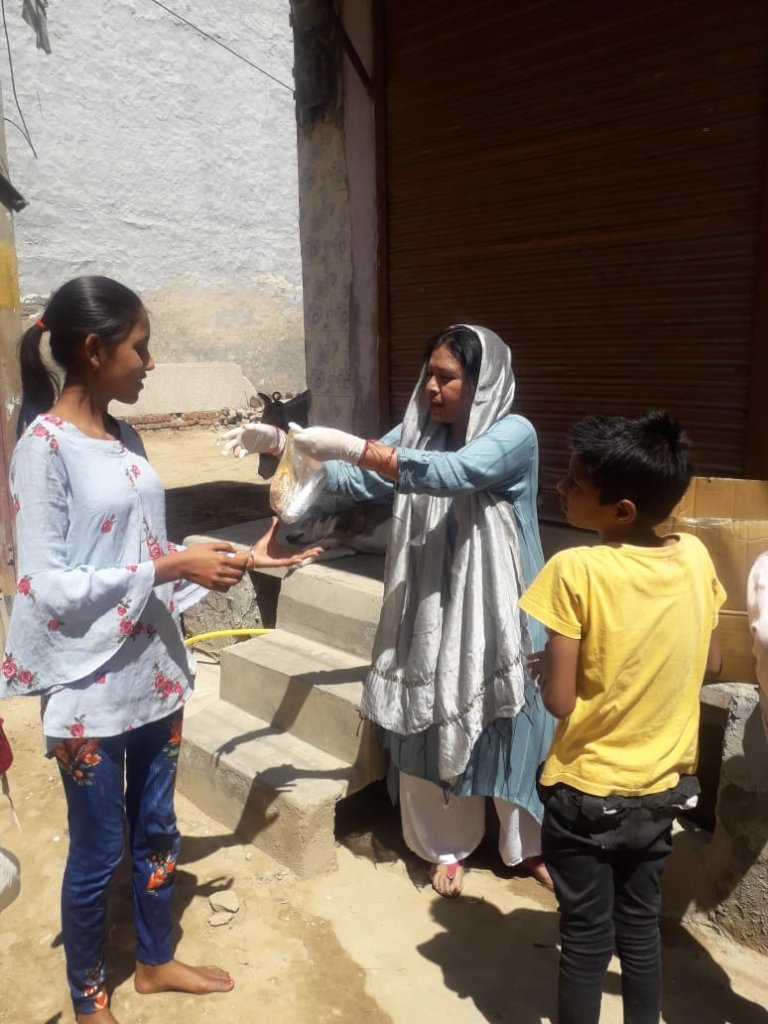
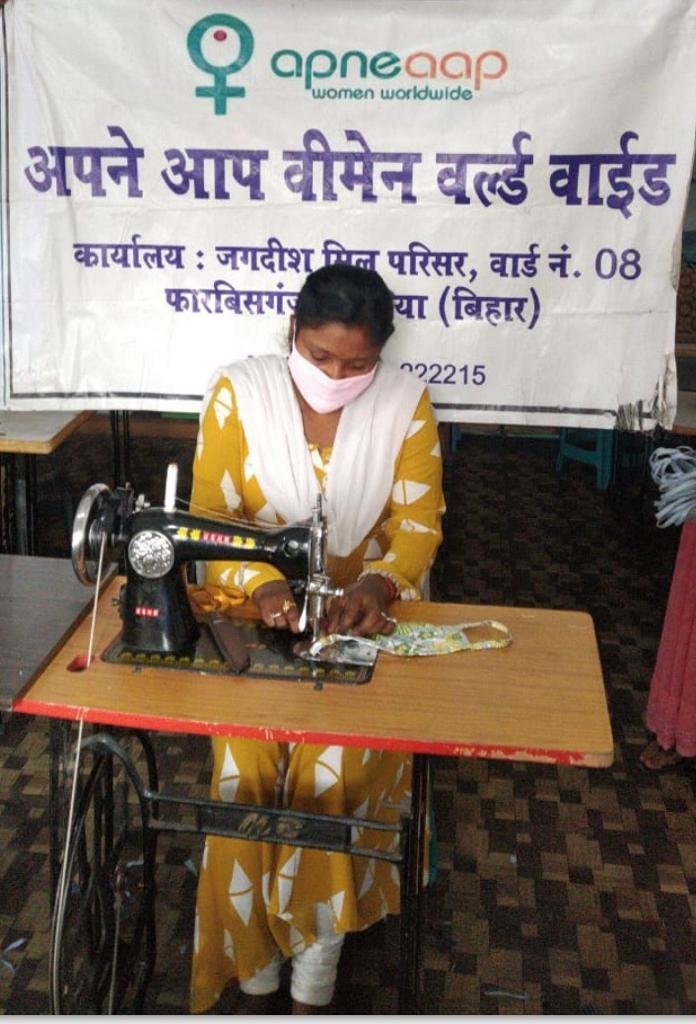
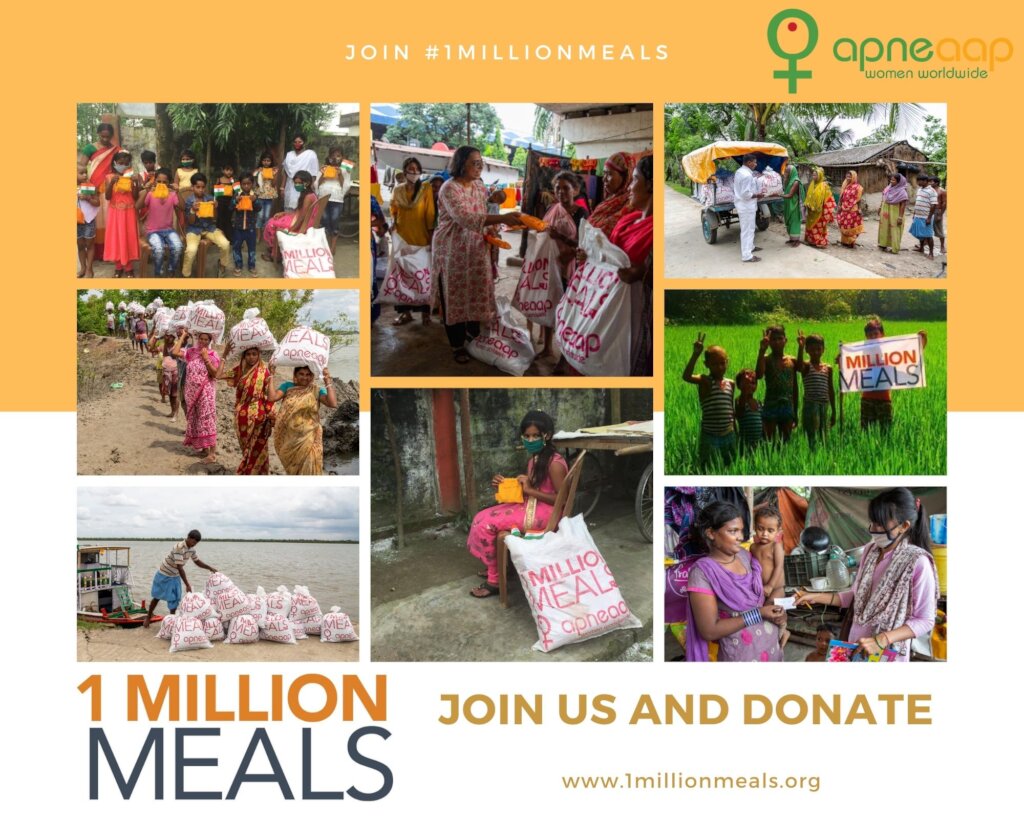
During this reporting period, Apne Aap continued providing supplies to women and children in red-light areas, migrant settlements, and marginalized communities. Priority was given to women-headed households, families facing eviction, and children at risk of leaving school. Home visits helped field workers identify hunger, illness, violence, emotional distress, and housing insecurity before they became emergencies.
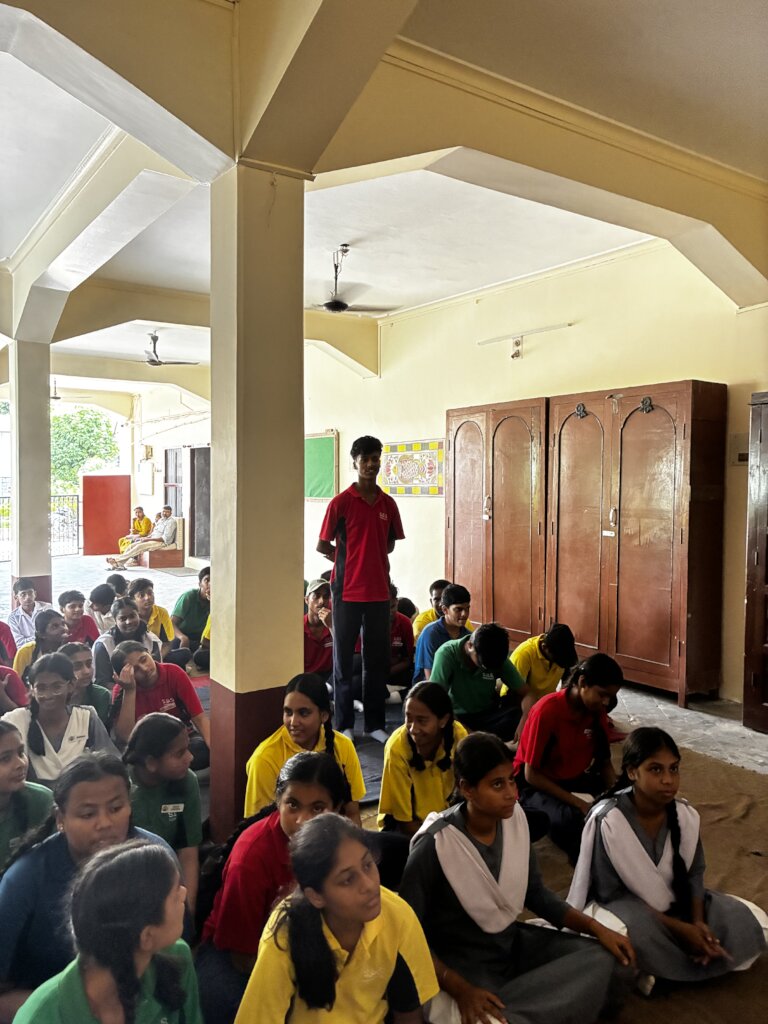
Education and protection remained closely connected. Children used Apne Aap’s learning spaces, computers, Wi-Fi, books, and school supplies. Teachers and outreach workers helped them complete homework, recover missed lessons, and seek readmission after interrupted schooling. Girls facing bullying, pressure to work, or early marriage received counselling, family mediation, and follow-up.
Field workers also accompanied women and children to clinics and hospitals, arranged consultations, helped families obtain identity documents, and supported applications for ration cards, pensions, scholarships, and health benefits. Women’s self-help groups offered information about savings, livelihoods, vocational training, and government schemes, while creating safe spaces to discuss violence, debt, health concerns, and threats to their children.
This quarter demonstrates that material assistance alone cannot secure a child’s education. By combining food, health care, counselling, education, documentation, protection, and livelihood support, Apne Aap helped families remain housed, children stay in school, and women move toward safety and economic independence.
Project reports on GlobalGiving are posted directly to globalgiving.org by Project Leaders as they are completed, generally every 3-4 months. To protect the integrity of these documents, GlobalGiving does not alter them; therefore you may find some language or formatting issues.
If you donate to this project or have donated to this project, you can receive an email when this project posts a report. You can also subscribe for reports without donating.



Support this important cause by creating a personalized fundraising page.
Start a Fundraiser