By Caleb Dorfman | Media + Communications Coordinator
It’s 5 am, Nancy, Ana Cecilia’s 3 year old daughter, is still asleep, well bundled up. Ana Cecilia gets out of bed, her breath visible illuminated by the soft light that pours in through thin glass window, coated in frost.
Outside, Juan, a neighbor of Ana Cecilia’s is running to her house, short of breath, bare feet in sandals running through mud puddles, a worried look on his face. Finally, he reaches Ana Cecilia’s house, bursting through the door. He shouts, in Quechua, that there’s been an accident. She puts on her sandals, and the two leave, running down the wet grassy hill. They arrive at a skinny dirt road. Juan saw it happen, he tells her. A boy of 14 had been driving his family’s dirt bike down the hill and had slid out because of the mud from last night’s heavy rainfall. The boy, along with the dirt bike, skidded off the road, and he is now stuck underneath it on a steep hill underneath the dirt road.
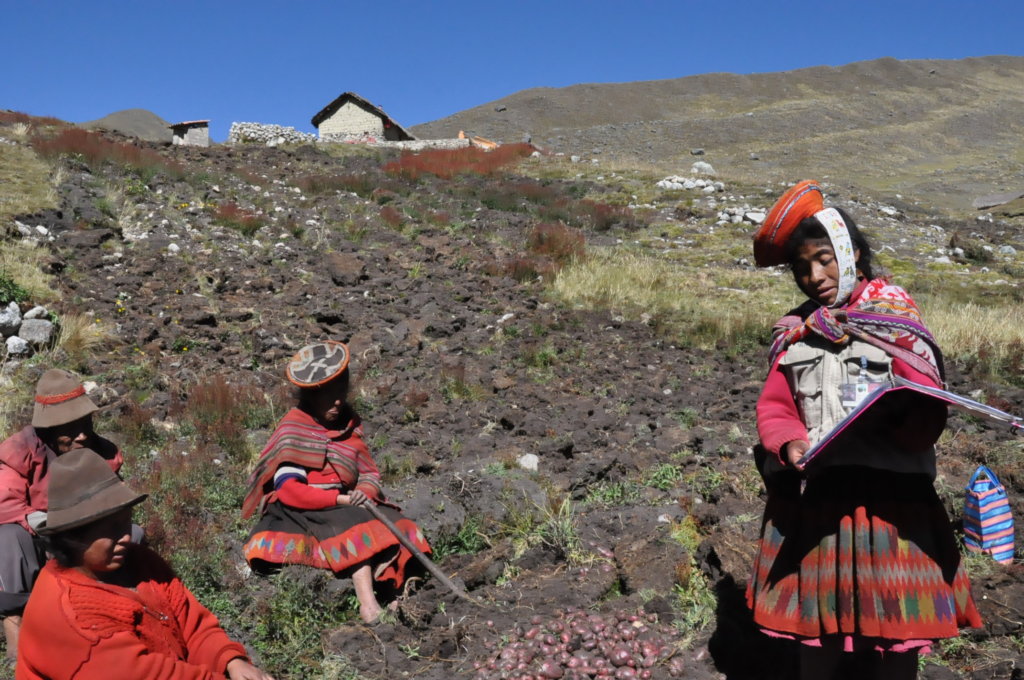
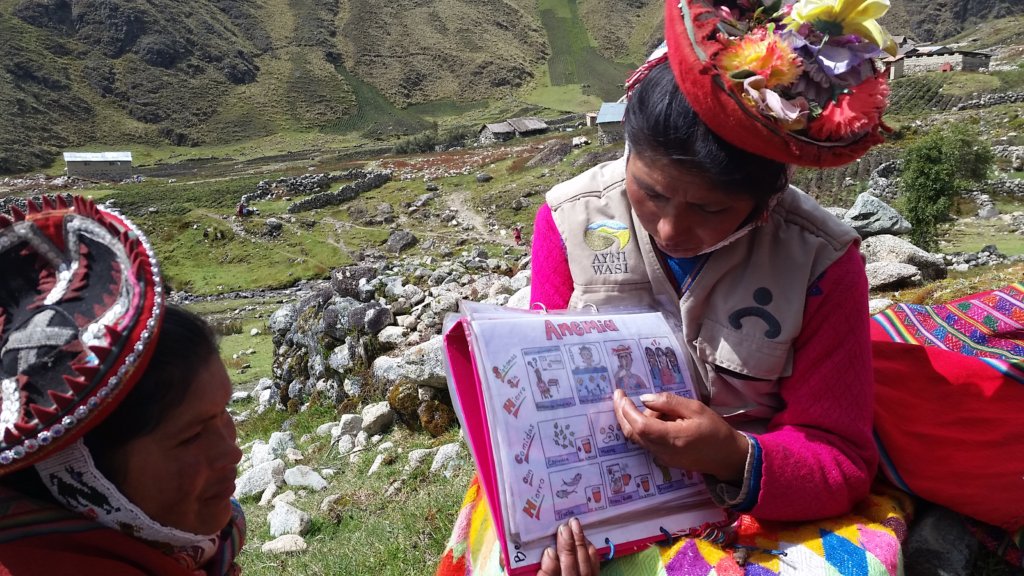
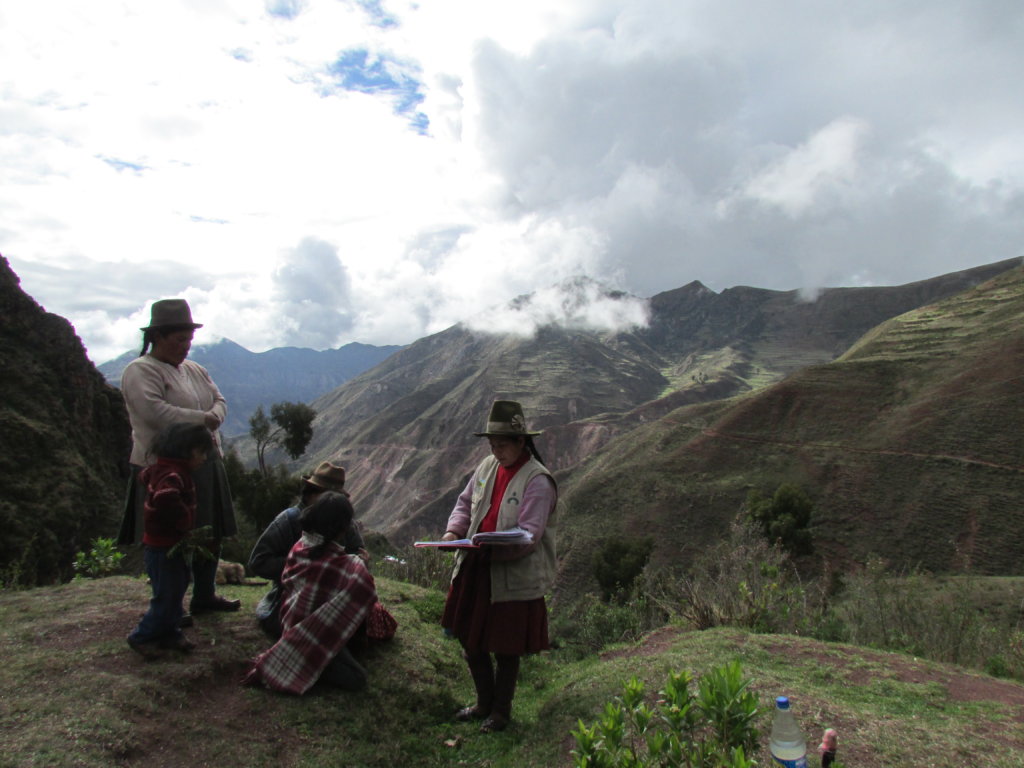
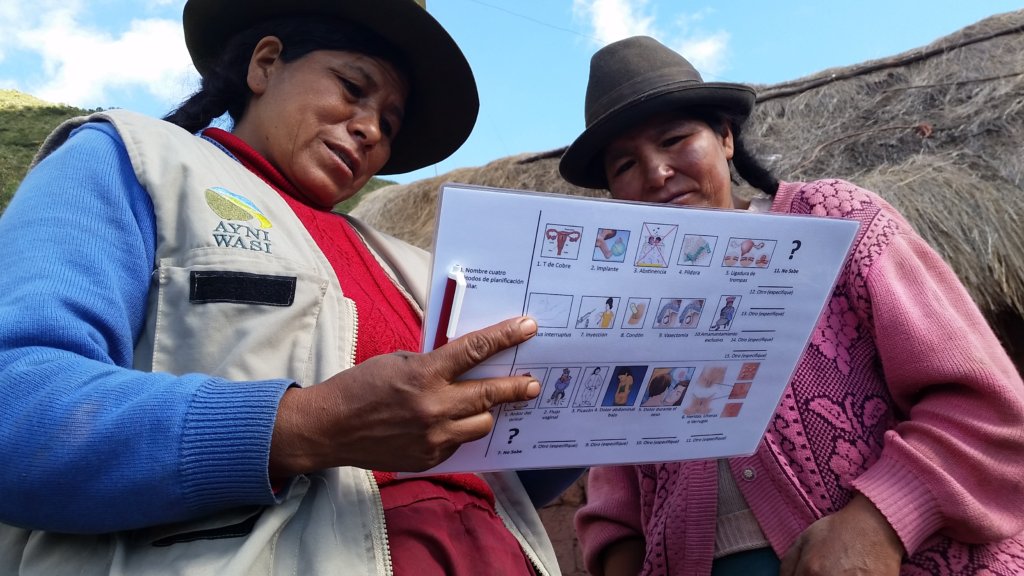
Juan knew to come to Ana Cecilia because she has been a community health worker with SVH for the last three years. Ana Cecilia, Juan, and his brother, Ivan, helps lift the boy up onto the road. It’s a cold and cloudy morning here in the high altitude community of Kelccanka.
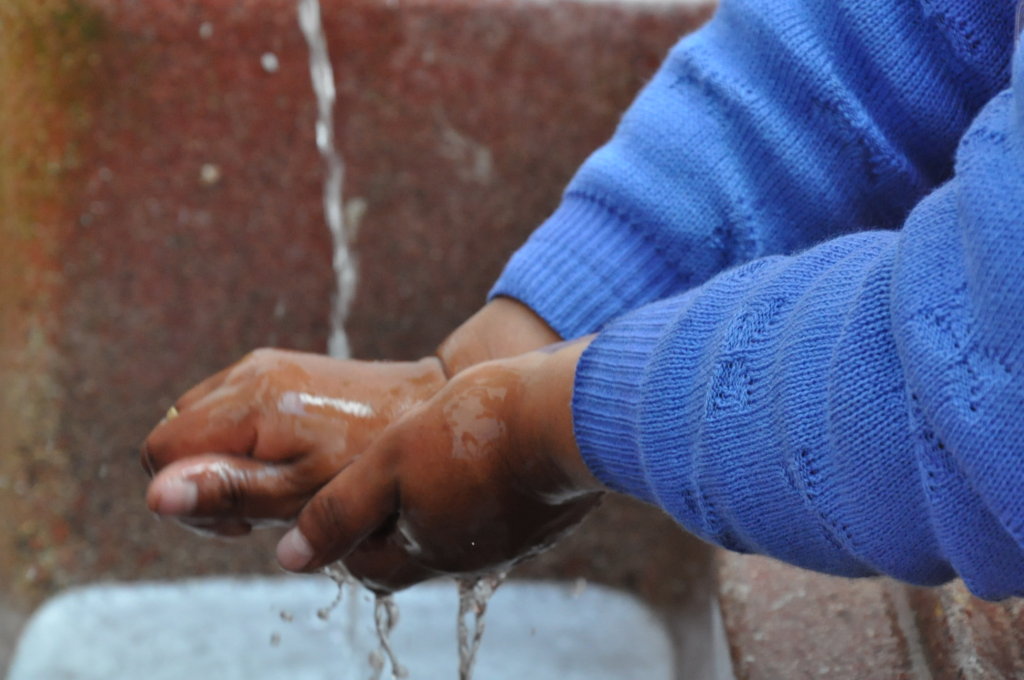
Once they get to the road, they all start carrying the boy to Ana Cecilia’s house, up the steep, skinny trail that leads from the road to her house. Nancy is still asleep when they arrive. The boy is cut, badly, on his leg. Ana Cecilia recalls the protocol on how to clean wounds that she learned from Sacred Valley Health. She begins to boil water, a necessary step in parts of the world where water is contaminated. Until it heats up, she puts clean rags on the wound to stop the bleeding, and goes to find her first aid kit that she received during the last training in the SVH office. She washes her hands and prepares the necessary first aid cream and bandages.
Once the kettle has whistled for 3 minutes, Ana Cecilia has to let the water sit outside to cool down before using it to clean the wound. The boy is clearly writhing in pain. Ana Cecilia tells him that he shouldn’t have been driving so fast in the mud, but that she’s going to help clean his wound before taking him to the posta, the government health clinic. The nearest one is in the community of Patacancha, about 1 hour away in a car. The only problem is that they have to get to the main road to catch the market truck that will be going back down the mountain later that day.
Finally, the water has cooled down enough to be used to clean the wound thoroughly. She puts on her latex gloves, and pours a whole liter of water on the boy’s wound, as she wipes away the dirt. She dries it gently, and afterward, Ana Cecilia puts antibiotic cream on the wound, and dries it gently with a gauze pad that was included in her first aid kit from SVH. She then covers the wound with gauze and tapes it up, the boy looking at her with a look of both amazement and shock. Shock because of the accident, and amazement because he didn’t know people in Kelccanka knew how to do things like this.
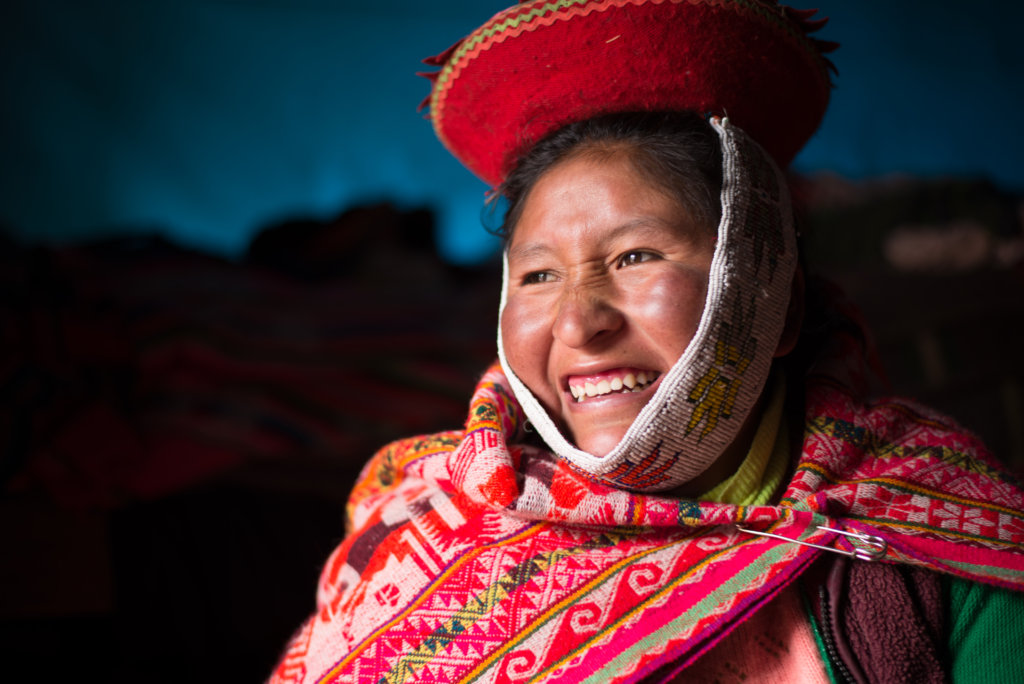
Once the boy is stable, Ana Cecilia puts on her wool leg warmers, and grabs her traditional headwear. Nancy has since awoken, and has been sitting quietly, watching all of this unfold.
Several hours later, they make it to the main road, Ana Cecilia helping the boy walk as he limps to avoid putting weight on his leg. The truck comes bustling around the corner about 30 minutes after it was supposed to. Normally, they would have to ride in the back of the flatbed truck with everyone else, but Ana Cecilia explains the situation in Quechua to the driver, and they are able to sit up front instead. After about an hour and ten minutes, they arrive in Patacancha, and Ana Cecilia, with Nancy on her back secured by a blanket, and the boy make their way up to the posta to receive further treatment.
Thanks to SVH, Ana Cecilia knew exactly what to do, and she helped prevent the boy’s leg from getting infected.
Project reports on GlobalGiving are posted directly to globalgiving.org by Project Leaders as they are completed, generally every 3-4 months. To protect the integrity of these documents, GlobalGiving does not alter them; therefore you may find some language or formatting issues.
If you donate to this project or have donated to this project, you can receive an email when this project posts a report. You can also subscribe for reports without donating.