By RUNYAMBO GASINZIRA Joseph | Communications officer at UGEAFI organization
Survey Report on People Living with Disabilities in Rural Areas of South Kivu, Idjwi Territory.
Introduction
As we didn’t have the support for helping People Living with Disabilities in Rural Areas of South Kivu, Idjwi Territory, I decide to share with you the Survey Report.
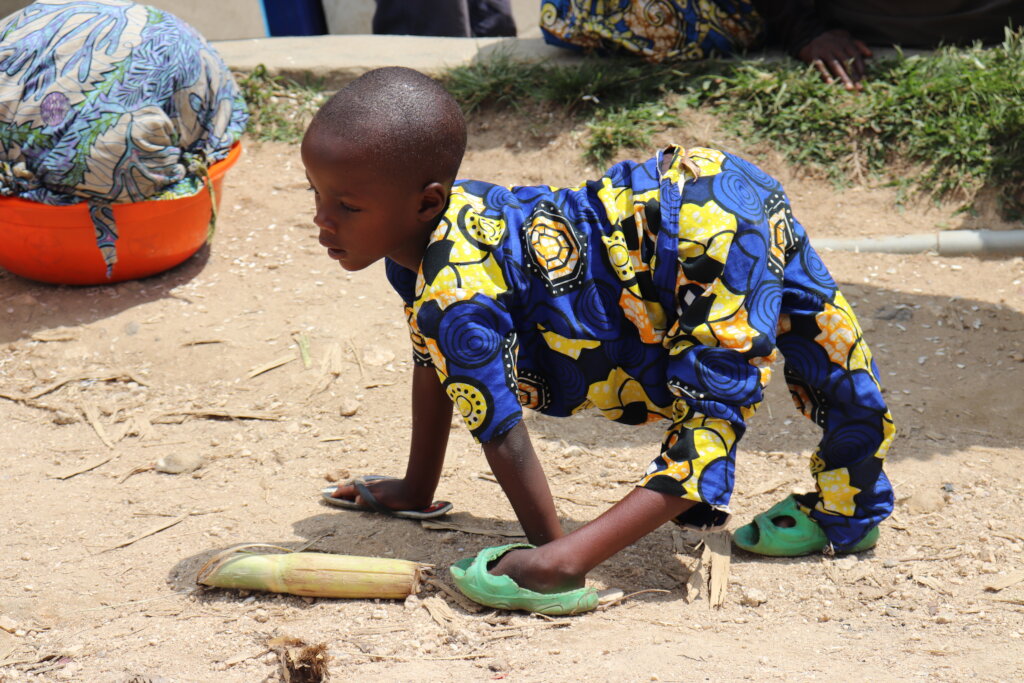
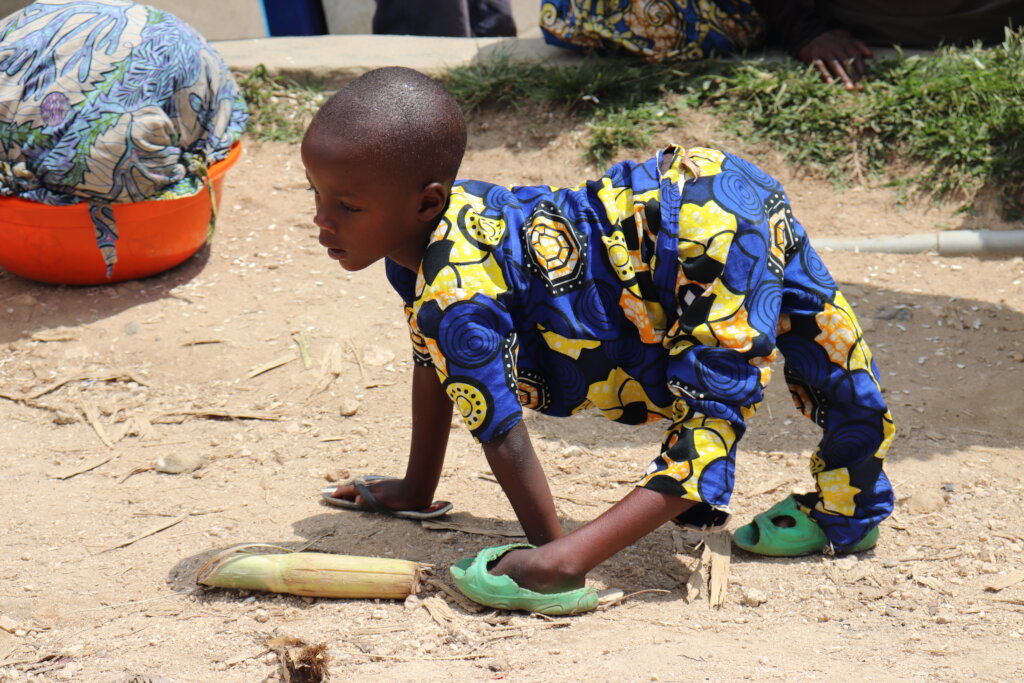
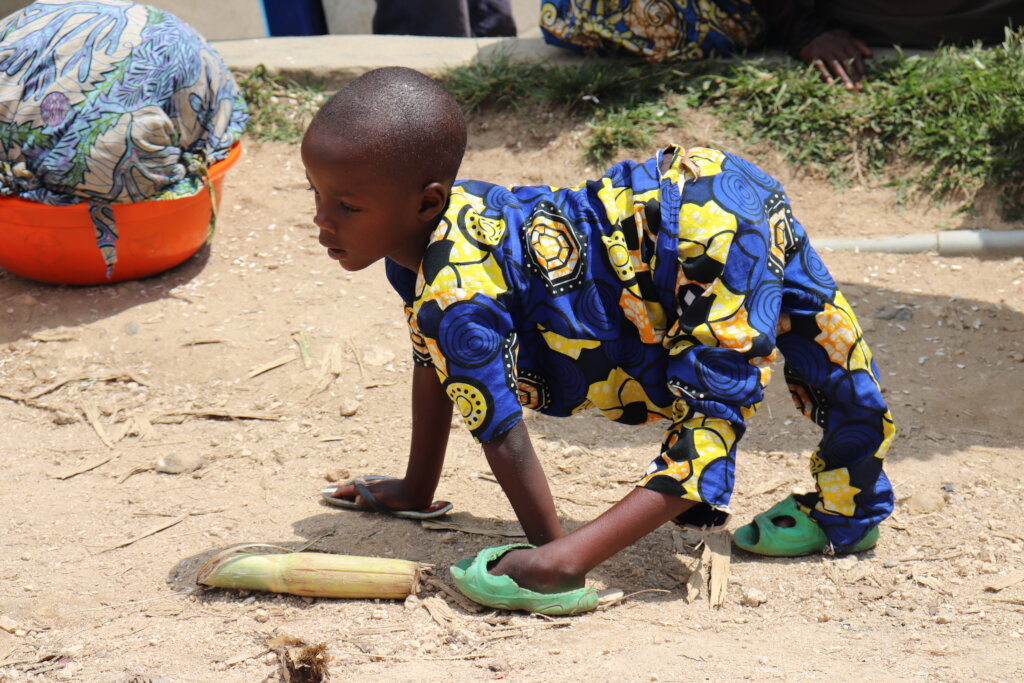
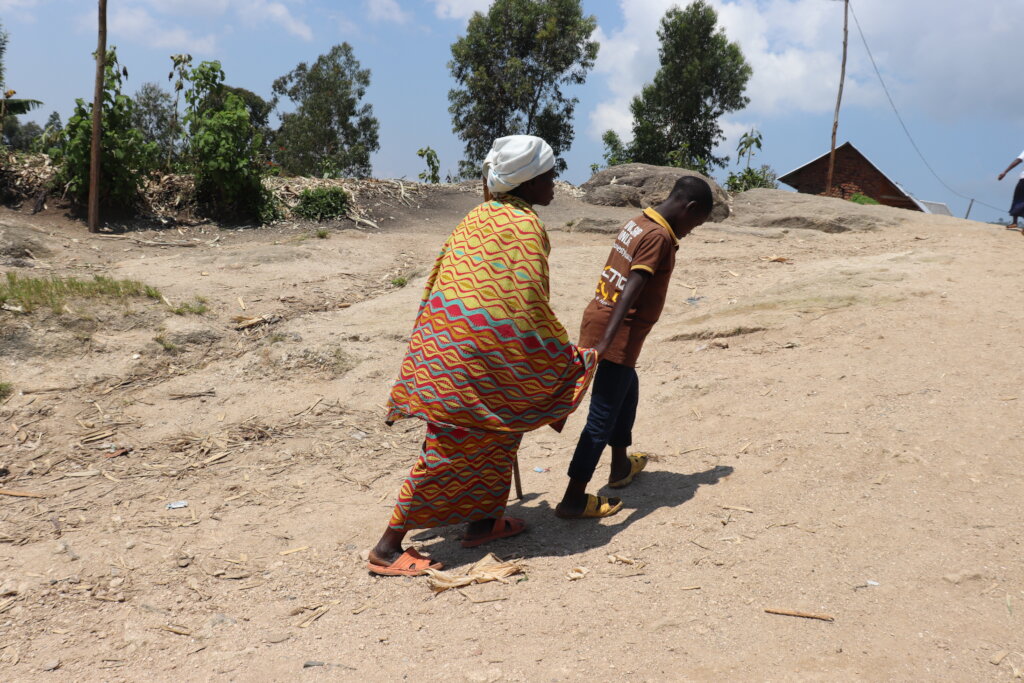
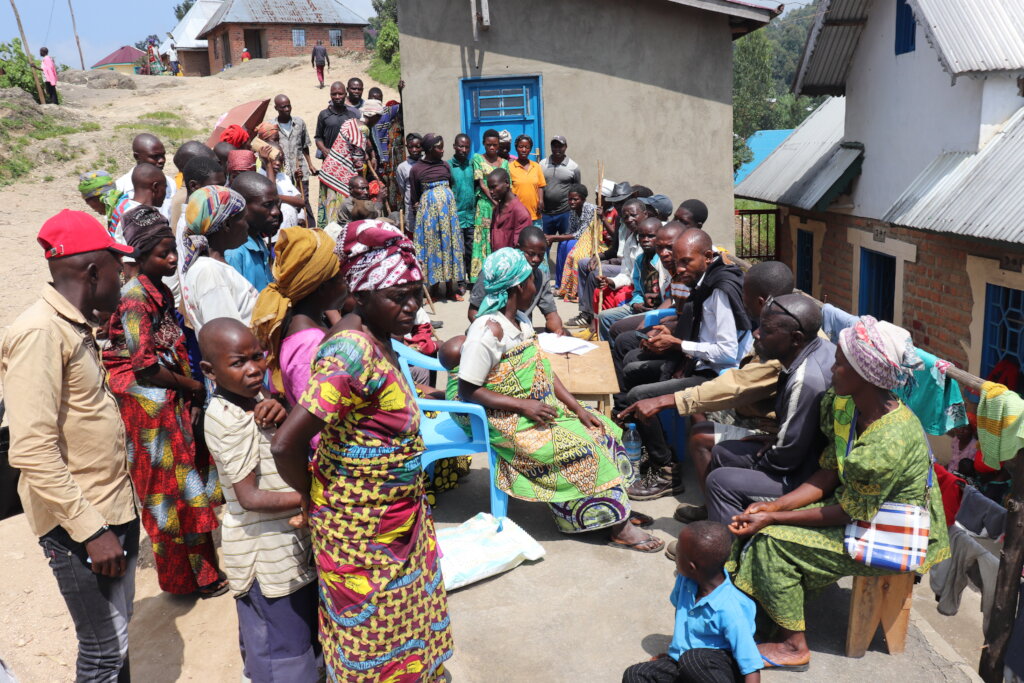
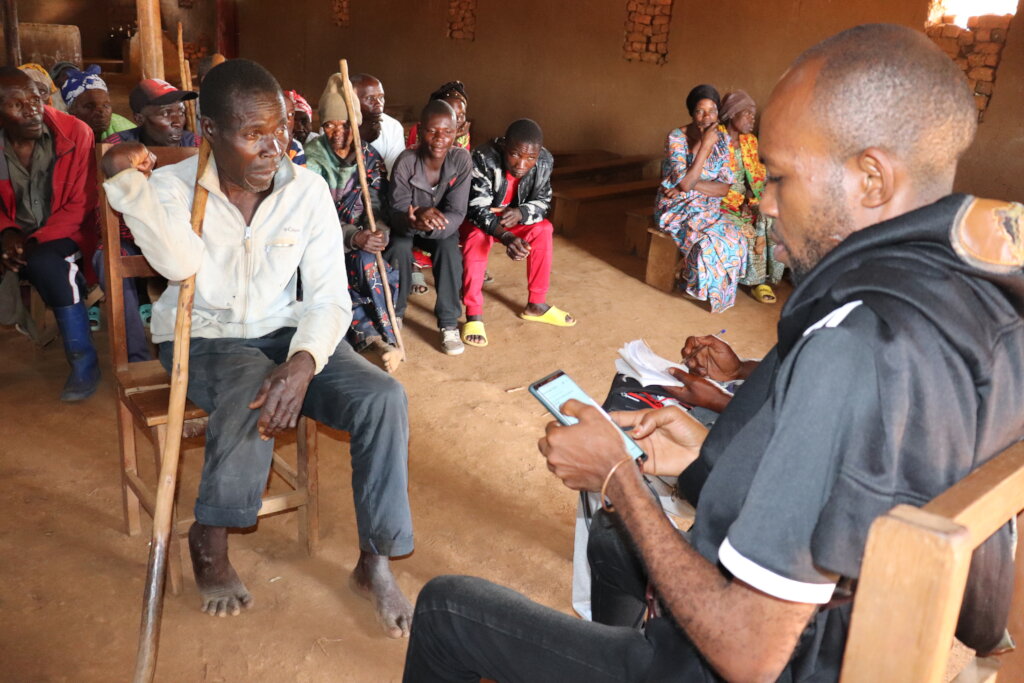
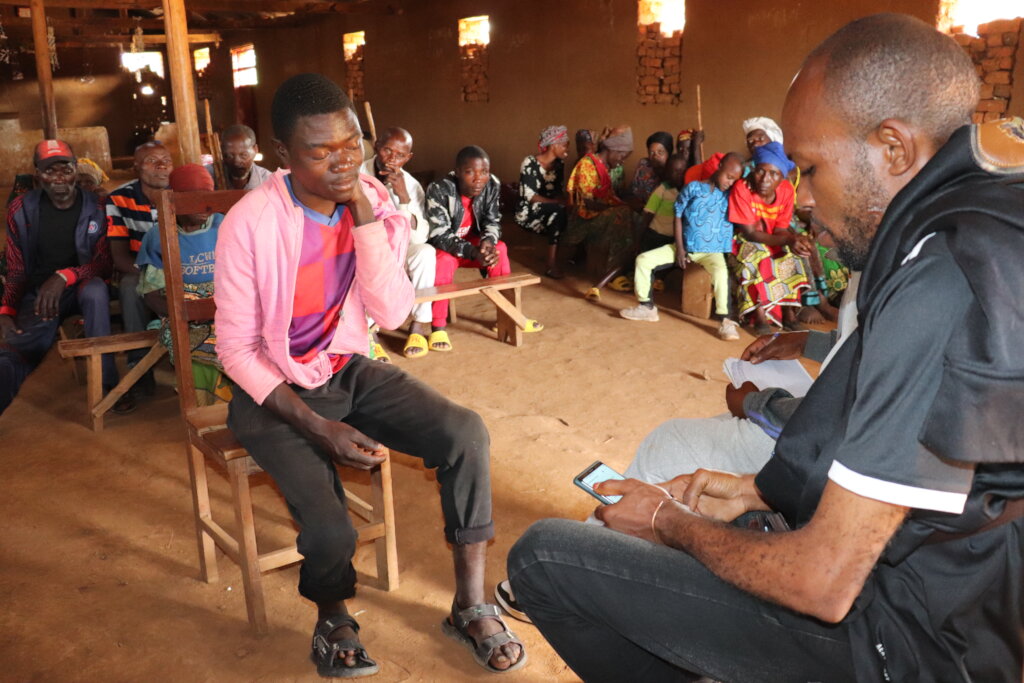
This survey was conducted to gain an in-depth understanding of the situation of people living with disabilities (PLWD) in the Ntambuka chiefdom, located in the Idjwi South area of South Kivu. The main objective was to establish a solid knowledge base necessary for designing targeted interventions that address their specific needs and ultimately improve their quality of life.
General Context
In the Democratic Republic of Congo (DRC), approximately 10% of the population is affected by disabilities, with challenges exacerbated by armed conflicts and poverty. These conditions lead to physical, sensory, intellectual, or mental impairments, especially affecting people with disabilities and vulnerable indigenous children (Pygmies).
In the South Kivu province on Idjwi Island, our target area, the population is estimated at 298,237 inhabitants, with a density of 554 people per square kilometer. This population includes vulnerable and marginalized groups such as people with disabilities and indigenous Pygmies.
Disabilities in our country can have various origins, including chronic diseases like diabetes and cancer, road or domestic accidents, infectious diseases (such as polio), as well as armed conflict or natural disasters, leading to significant vulnerability and unprecedented marginalization within their families.
These individuals face social and economic barriers that restrict their access to education, healthcare, food, and employment, further marginalizing them despite the efforts of some national and international NGOs to provide humanitarian aid and rehabilitation to people with disabilities and children from indigenous Pygmy communities.
Survey Results
In a survey conducted by UGEAFI in January 2024, a sample of 351 people with disabilities (162 women and 189 men) revealed a precarious socio-economic situation. Physically disabled individuals face significant poverty and marginalization due to a lack of healthcare, education, and appropriate nutrition to alleviate their suffering.
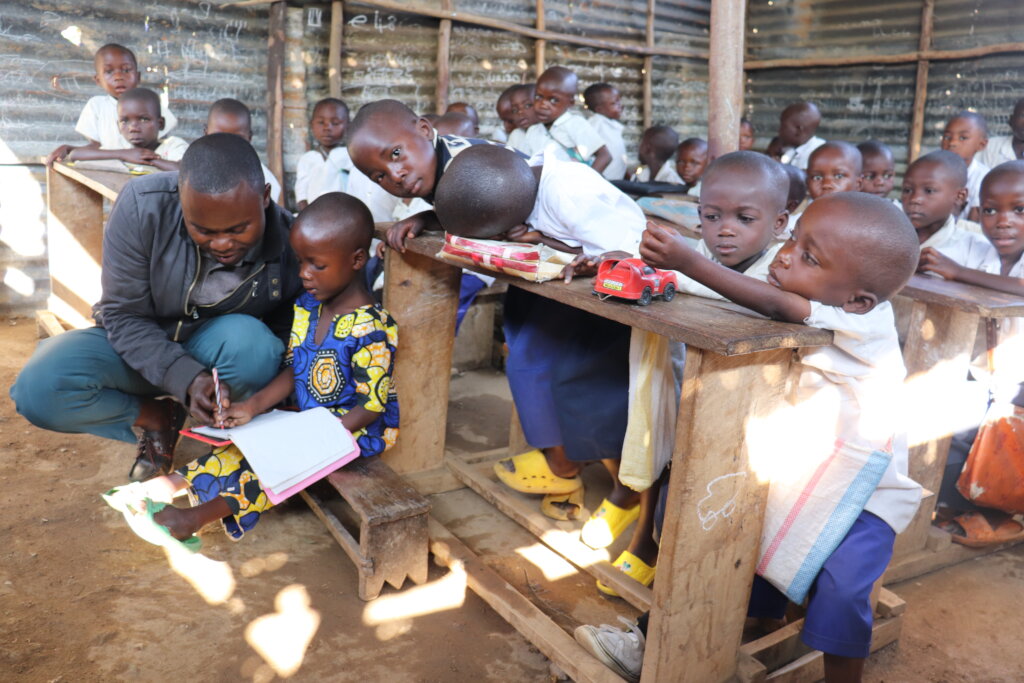
Indigenous Pygmy communities, in particular, face major socio-economic and environmental challenges such as discrimination, marginalization, limited access to basic services (education, healthcare, and employment), loss of land and resources, and a traditionally nomadic lifestyle. On Idjwi Island, Pygmies, once nomadic, have become sedentary due to various projects implemented by UGEAFI in the Ntambuka chiefdom. However, they continue to face poverty and hunger. Less than 5% of Pygmy children on Idjwi complete their primary education, and none attend secondary school due to their vulnerability.
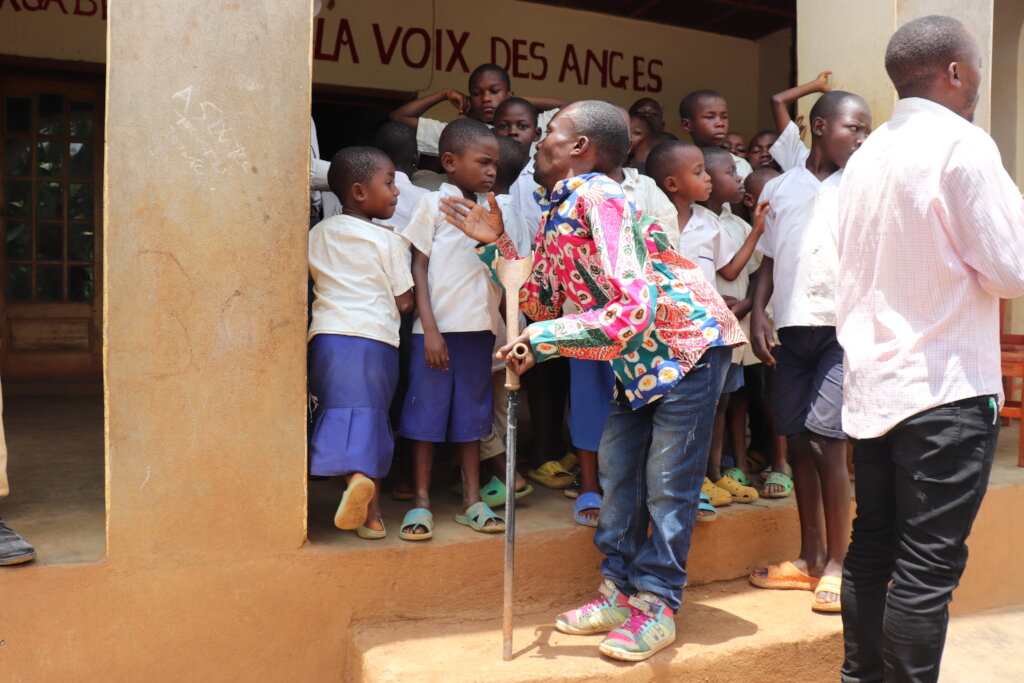
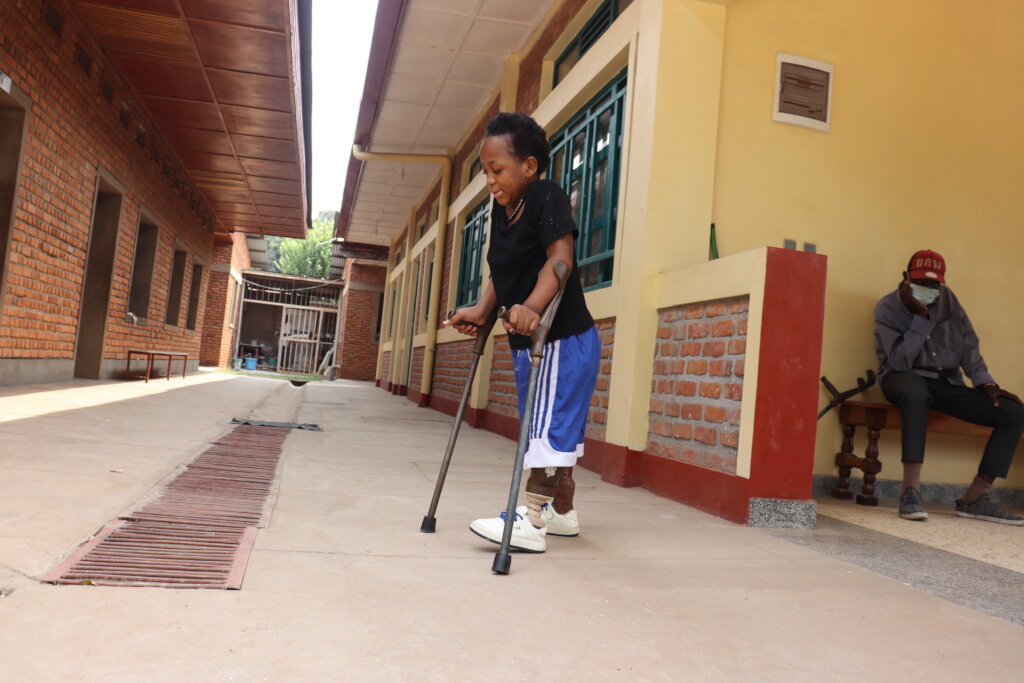
It is noteworthy that no Pygmy or disabled individual is employed as a teacher, nurse, or in public administration on Idjwi. They are completely dependent on mobility aids, face difficulties in reaching schools due to a lack of orthopedic materials, and remain illiterate. They are also regularly involved in traffic accidents when crossing roads.
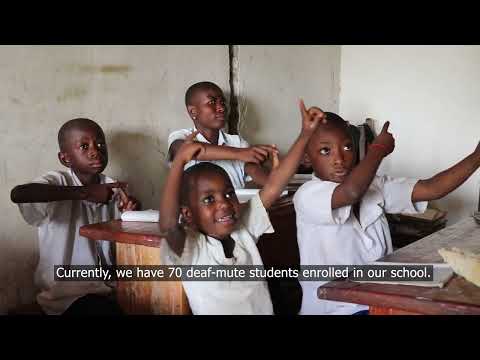
It is important to note that 90% of school authorities, teachers, healthcare personnel, community leaders, and parents are unaware of and poorly informed about the rights and responsibilities of disabled and Pygmy children. This ignorance creates stigma and disregard for these vulnerable individuals within the community.
The limited education of disabled and Pygmy children results in illiteracy, which can be explained by the lack of mobility aids, low parental income, recurring local endemic diseases (malaria, digestive parasitic infections, various infections), low parental income, stigma, feelings of inferiority, and poor teacher supervision.
These issues have resulted in severe consequences for disabled individuals and Pygmies, including school dropouts, with a literacy rate of only 15% among those who can read, write, and calculate. They are fully dependent on mobility aids, lack orthopedic materials, and are victims of traffic accidents, with seven disabled individuals being hit by motorcycles. Furthermore, 74% of disabled individuals and Pygmies on Idjwi rely on begging, exposing them to nutritional diseases such as marasmus and home deaths without medical assistance due to their families’ limited means.
Analysis and Recommendations
The analysis of the results reveals that, while rehabilitation allows PLWD to adapt to vocational training, the lack of rigorous follow-up after training hinders effective socio-professional integration. It is crucial that rehabilitation programs be complemented by follow-up strategies that take into account the specific needs of beneficiaries and local realities.
Support for PLWD must be structured around three key areas:
Conclusion
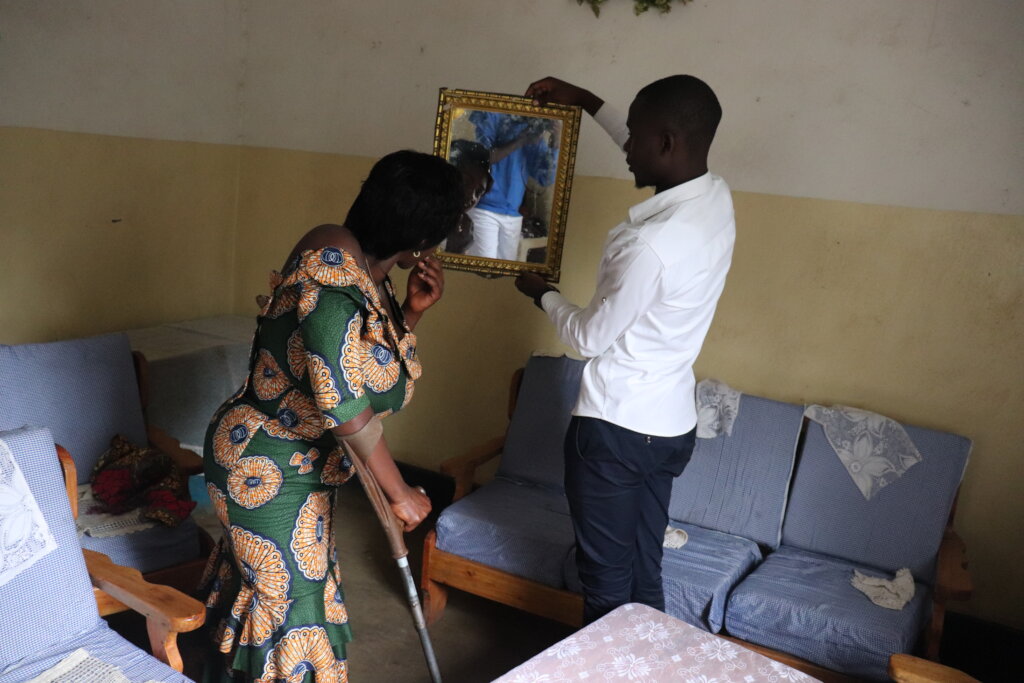
People living with disabilities, like all individuals, have the right to dignity, equality, and active participation in the development of their community. It is imperative that they have access to essential services such as education, healthcare, vocational training, and employment opportunities that enable them to become self-sufficient and contribute to society.
The survey recommends introducing a local care strategy for PLWD, including the dissemination of the United Nations Convention on the Rights of Persons with Disabilities, and the establishment of mechanisms for adequate support and follow-up. Furthermore, it is essential that national legislation actively supports the rights of PLWD, particularly through the adoption of laws that reinforce the care of people with disabilities, in line with Article 49 of the Constitution.
However, this survey is only an initial step in the development of a five-year plan. Further sectoral studies are necessary to deepen the analysis of the specific needs of PLWD and to establish effective mechanisms for the promotion and protection of their rights, with a view to their full participation in community development.
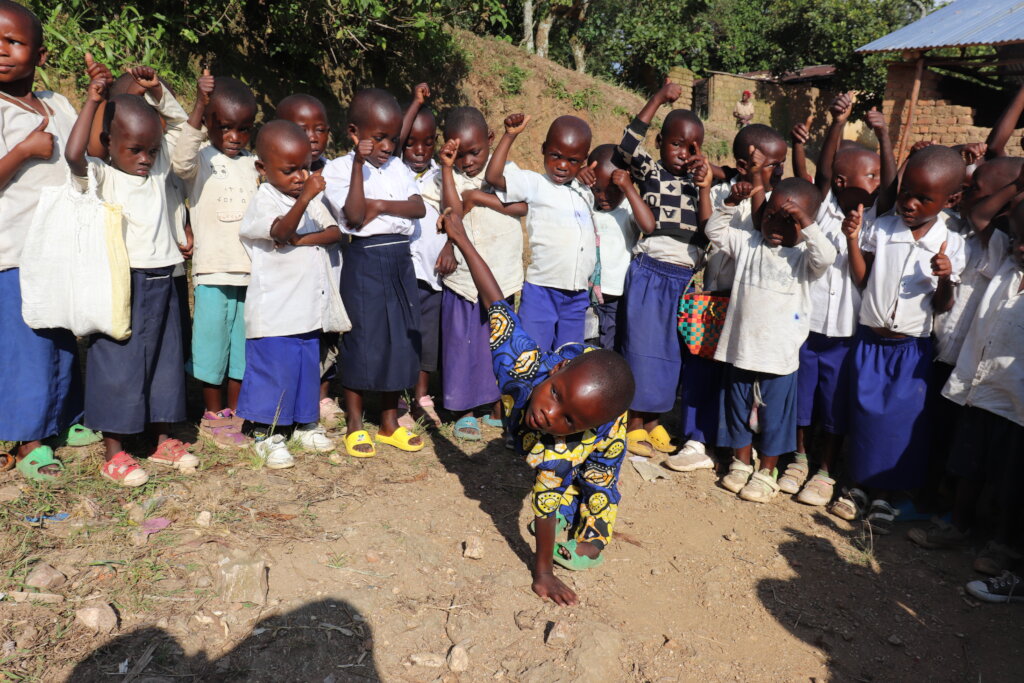
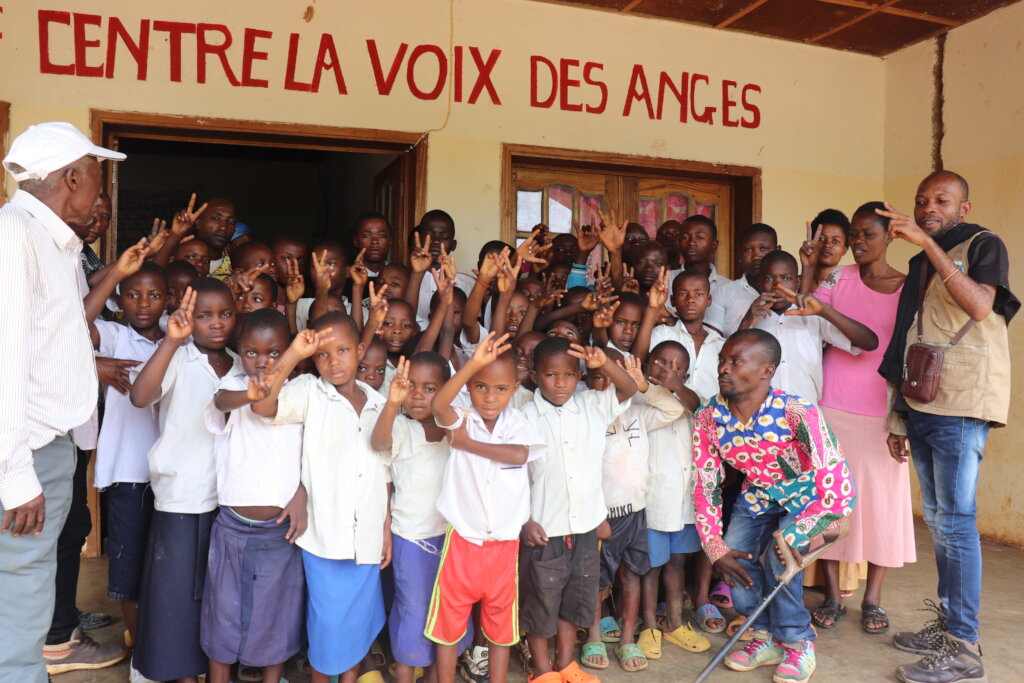
In response to this situation, UGEAFI, as a Congolese organization, has initiated this 3-year project to improve the inclusive and accessible environment for 300 disabled, Pygmy, and other vulnerable children on Idjwi Island.
The project aims to reduce illiteracy by providing scholarships, school supplies, and paying health insurance premiums to access healthcare services. It will also equip 140 disabled children with mobility aids to facilitate their movement. Additionally, training will be provided to school administrators, teachers, healthcare personnel, community leaders, and parents to promote the social integration of disabled and Pygmy children.
A sensitization campaign targeting 10,000 people on Idjwi will also be conducted to promote the acceptance and respect of the rights of people with disabilities and Pygmies. Finally, to increase income for families with disabled, Pygmy, and other vulnerable children, income-generating.
activity (IGA) kits worth $100 each will be distributed to parents. They will also be grouped into 12 village savings and loan associations (VSLA) to reduce begging and ensure the sustainability of the project's intervention in the area.
Links:
Project reports on GlobalGiving are posted directly to globalgiving.org by Project Leaders as they are completed, generally every 3-4 months. To protect the integrity of these documents, GlobalGiving does not alter them; therefore you may find some language or formatting issues.
If you donate to this project or have donated to this project, you can receive an email when this project posts a report. You can also subscribe for reports without donating.



Support this important cause by creating a personalized fundraising page.
Start a Fundraiser