By Adam Weiner | Development Manager
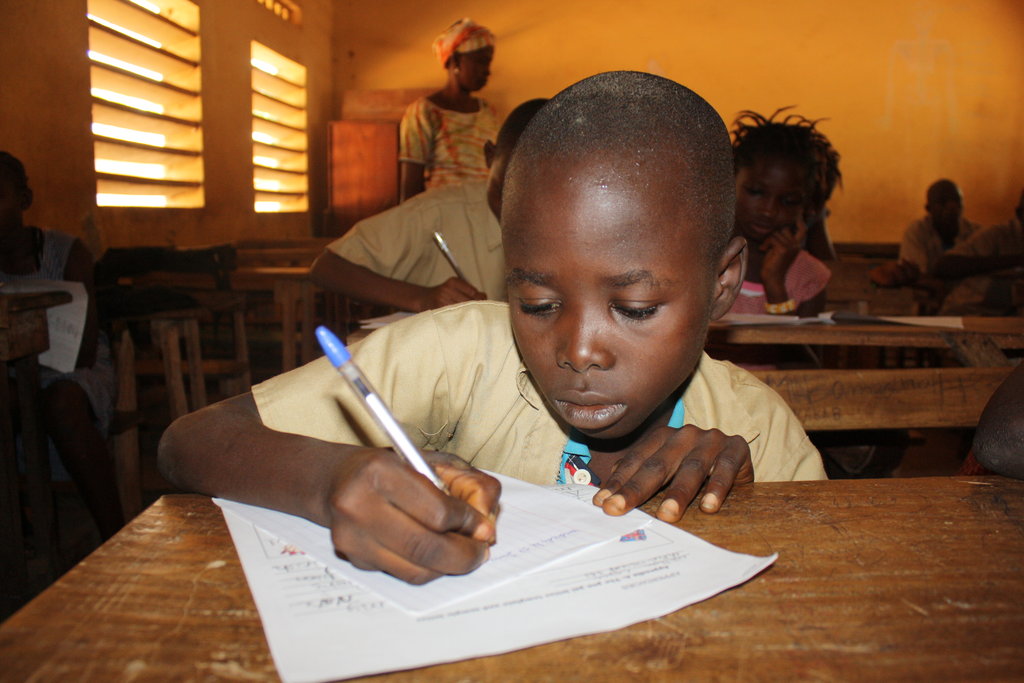
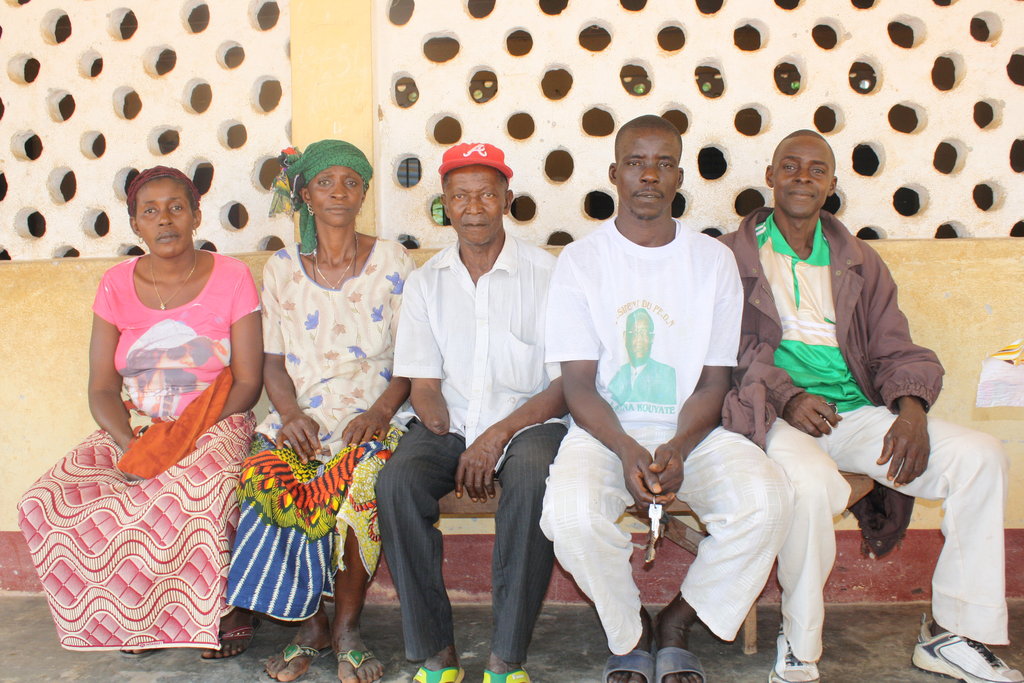
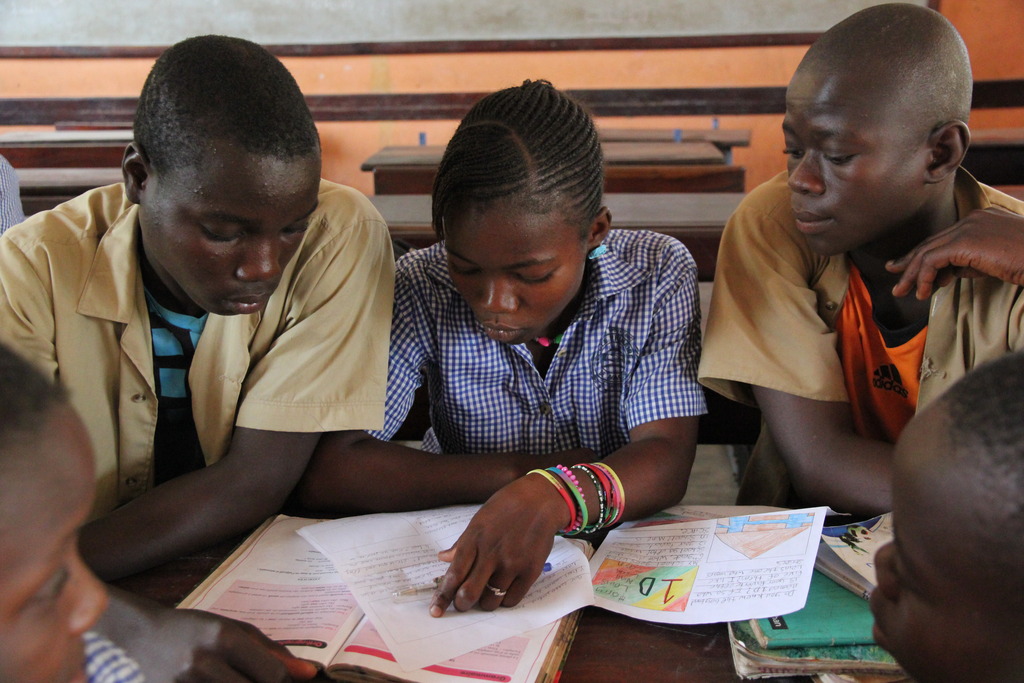
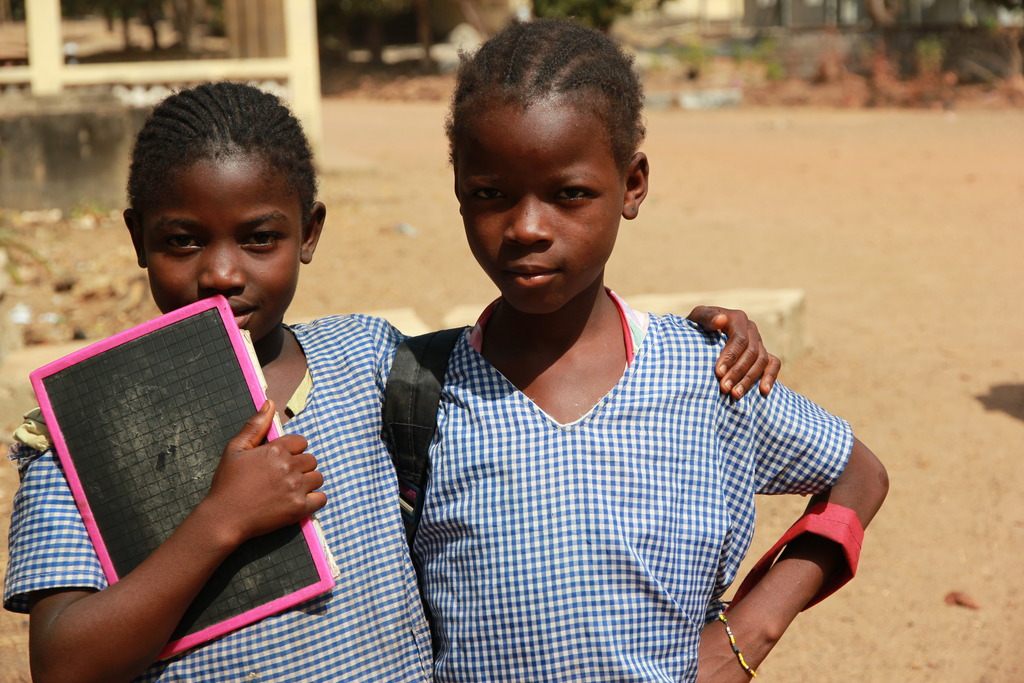
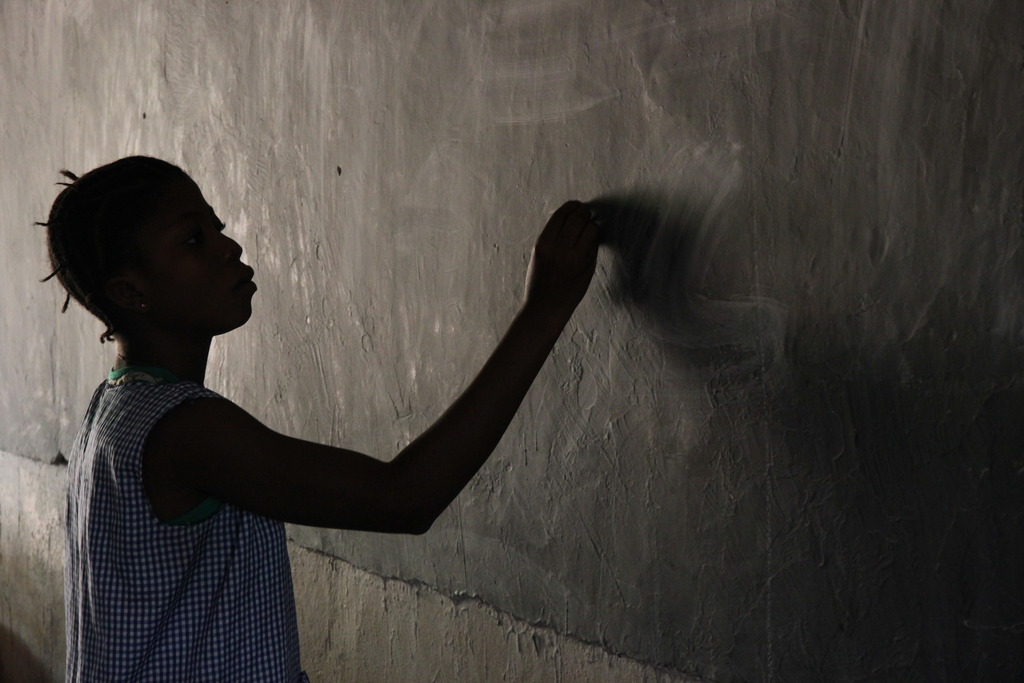
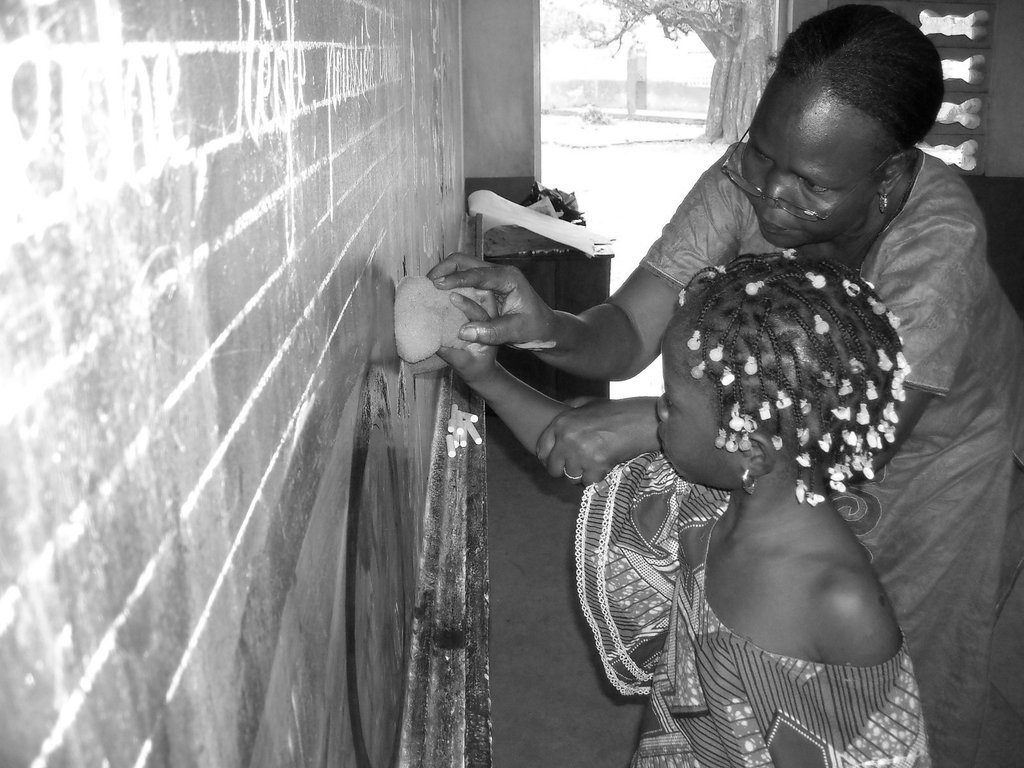
School-to-School International believes that all children have the right to a quality education and healthy learning environment. STS's mission is to transform education and school health in developing countries so that every child can succeed in school. Since 2002, STS has specialized in designing, testing, and implementing different components of an integrated package of support focused around the intersection of education, health, and engagement for primary school students in Guinea, West Africa. We call this initiative the Whole Child Model, and with it we have reached over 8,000 students and 300 teachers in 34 schools and thousands of parents and community members. Presently, the most fully integrated version of the Whole Child Model is being piloted in 10 schools in Guinea, and includes components such as girls’ empowerment, teacher training in math and reading instruction, school health and nutrition, and early childhood education workshops for parents.
Since October 2013, the beginning of the Guinean school year, the fully integrated version of the Whole Child Model has been reaching 5,400 students, 160 teachers, and thousands of parents and community members in these 10 schools. Thirty girls are receiving scholarships to minimize the obstacles they face in attending school, which includes a sack of rice per month to address the financial barriers to their attendance. All girls in the program, approximately 2,700 of them, are participating in girl-only after-school programs that offer additional scholastic support as well as lessons in life skills, health, and hygiene. Additionally, this year, our Pen Pal Program has connected 200 students from eight schools in the U.S. and Canada with children in Guinean schools. Through letters and drawings, students learn about each other's cultures and reflect on their own experiences by sharing their traditions and hobbies.
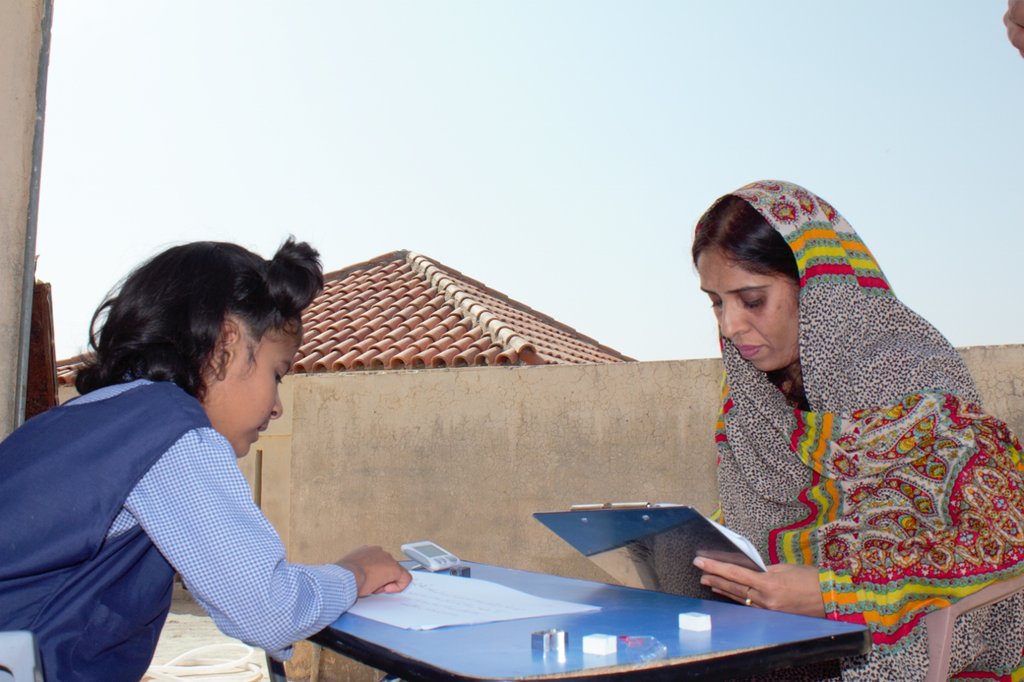
STS is currently conducting an impact evaluation in the 10 schools in order to establish an evidence base for the expansion of the program over the next two years to more effectively reach 50 schools. We will be looking at the impact of the program on outcomes such as math and reading, school attendance, attidues and behavior towards educating girls, and health knowledge and practices. Our unique approach to programming will be backed by research on its effectiveness, which will allow us to design the most appropriate method for scaling the project while improving upon it each year. By the end of the third year, when we are reaching over 12,000 students, 400 teachers, and tens of thousands of parents and community members, we will have a rich body of evidence to establish proof of concept for governments and development agencies that the Whole Child Model holds the promise of turning the tide of poor education in their countries.
Links:
Project reports on GlobalGiving are posted directly to globalgiving.org by Project Leaders as they are completed, generally every 3-4 months. To protect the integrity of these documents, GlobalGiving does not alter them; therefore you may find some language or formatting issues.
If you donate to this project or have donated to this project, you can receive an email when this project posts a report. You can also subscribe for reports without donating.