By Samikshya Nepal/Rudra Neupane | Communication officer/Program manager
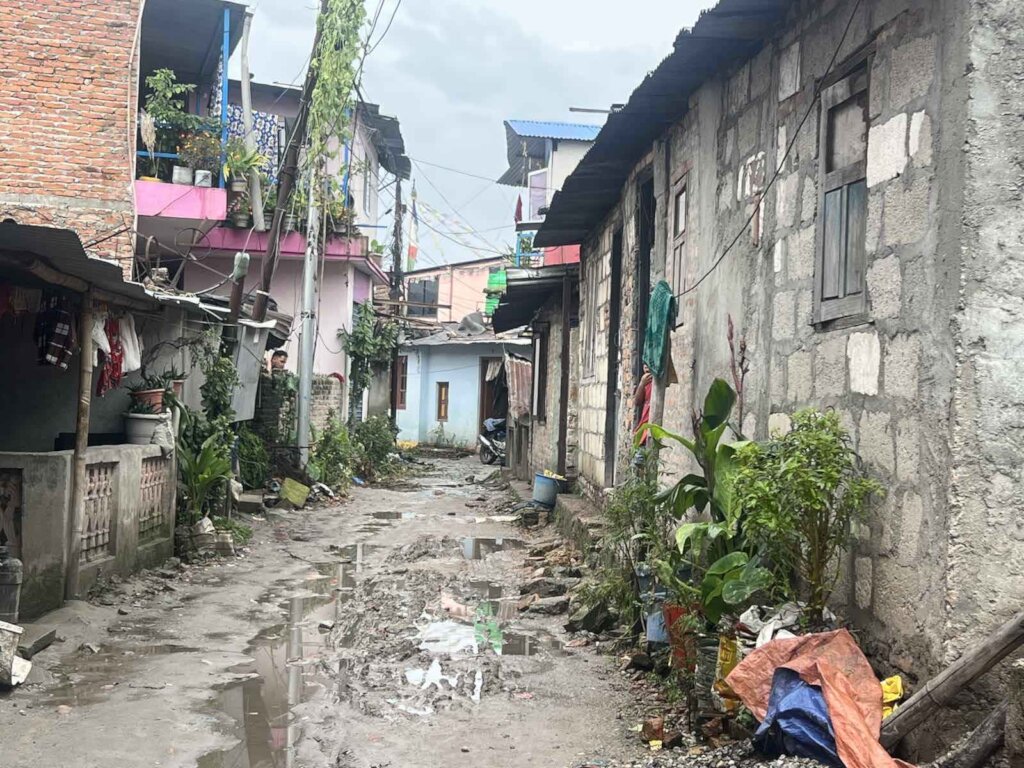
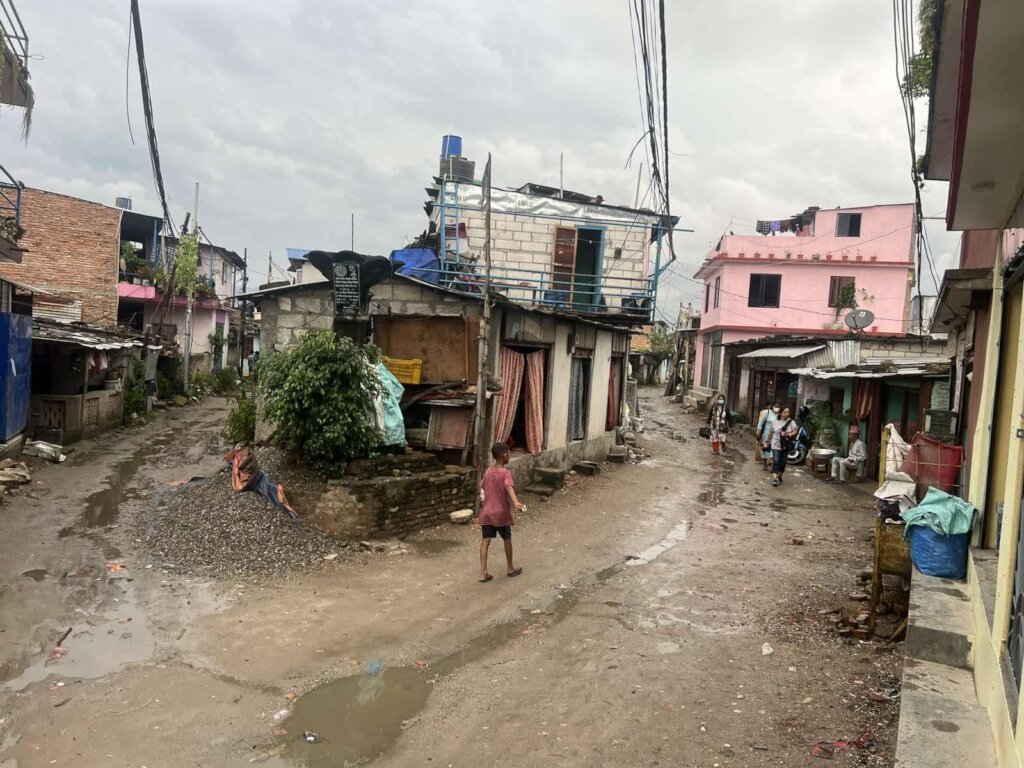
Climate change is no longer a distant or theoretical threat. Communities across Nepal are already experiencing changes in their environment and the growing risks associated with climate-related disasters. Yet, despite these challenges, many local governments still lack adequate policies and mechanisms to prepare for and respond to a changing climate.
This was the context in which WeSHAPE, a PHASE Nepal research project, explored climate change adaptation and local policy-making in Panchpokhari Thangpal Rural Municipality.
The project sought to understand the existing situation while creating opportunities for local stakeholders and communities to share their experiences and perspectives. The research team reviewed existing literature and policies, conducted key informant interviews (KIIs) and in-depth interviews (IDIs) with stakeholders, and organized policy analysis workshops and community interactions.
The findings highlighted an important gap, women were disproportionately affected by climate change, while these gender-specific impacts were rarely reflected in existing policies. The study also found that the municipality lacked adequate policy provisions to guide local climate change adaptation. The research further highlighted barriers that limited women's participation in local decision-making processes. These findings reinforced the need for climate policies that reflect the experiences of those most affected and create space for their voices in local governance.
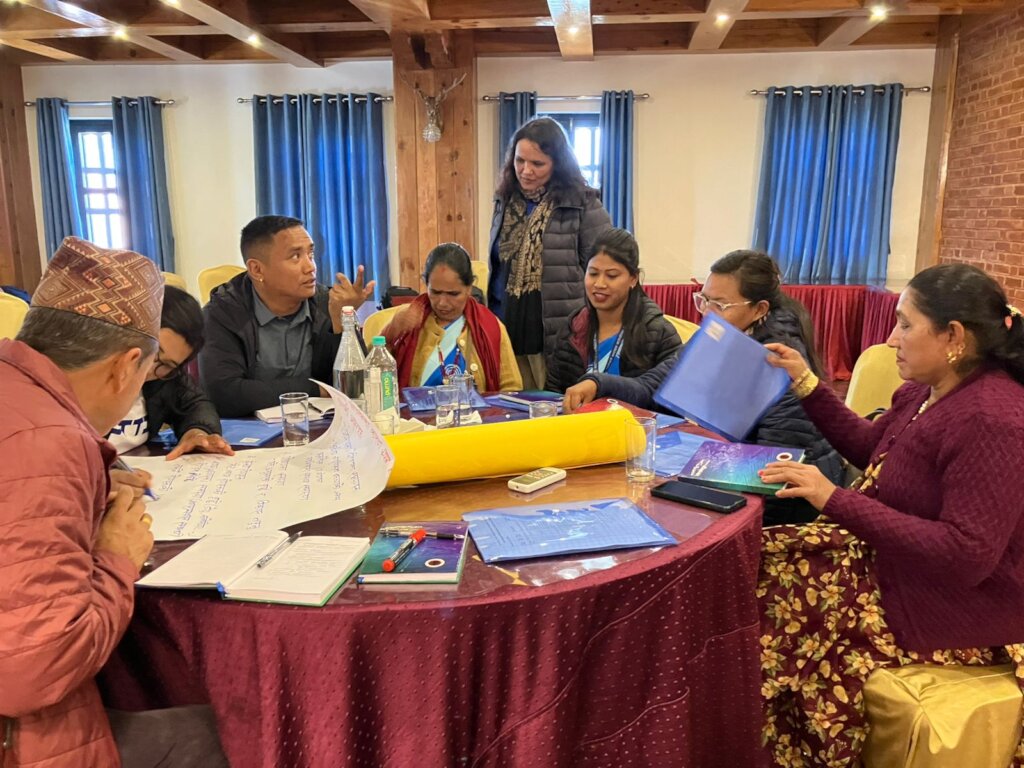
The information gathered through the project provided a foundation for developing a Climate Change Adaptation Policy together with the local government. The draft policy was then discussed through a two-day policy analysis workshop, bringing together local government representatives, stakeholders, and researchers. Participants reviewed the policy point by point, discussed their relevance to the local context, and suggested necessary revisions.
This collaborative process helped ensure that the policy reflected both the needs of the community and the priorities and capacities of the local government. Following the revisions, the Panchpokhari Thangpal Rural Municipality formally adopted the Climate Change Adaptation Policy.
The adoption of the policy marks an important step for the municipality in strengthening its response to climate change. It also demonstrates how research and meaningful community engagement can contribute to practical changes in local governance.
The new policy provides Panchpokhari Thangpal Rural Municipality with a foundation for future climate adaptation efforts. More importantly, the process has shown that when local experiences are incorporated into decision-making, they can help shape policies that are more responsive to community needs.
PHASE Nepal is deeply grateful to Liverpool School of Tropical medicine (LSTM), The British Academy and our partners and individual donors whose continued support made these activities possible. Your commitment enables PHASE Nepal to work alongside communities and local governments to turn knowledge and evidence into meaningful action.
Stakeholders discuss about the policy during policy analysis workshop
Project reports on GlobalGiving are posted directly to globalgiving.org by Project Leaders as they are completed, generally every 3-4 months. To protect the integrity of these documents, GlobalGiving does not alter them; therefore you may find some language or formatting issues.
If you donate to this project or have donated to this project, you can receive an email when this project posts a report. You can also subscribe for reports without donating.



Support this important cause by creating a personalized fundraising page.
Start a Fundraiser