By Matthew Orosz | Project Leader
Dear friends,
Thank you. Since our last update in April, the minigrids your gifts helped start have kept growing, in Lesotho's mountains and in the villages where our Lesotho-trained teams now work.
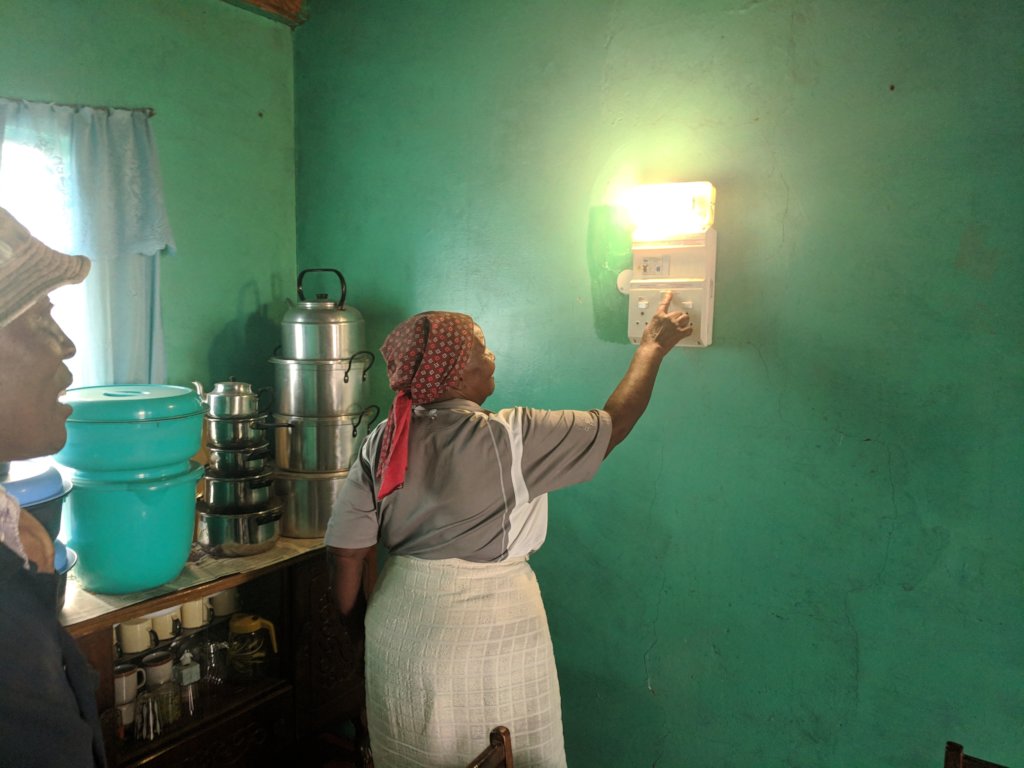
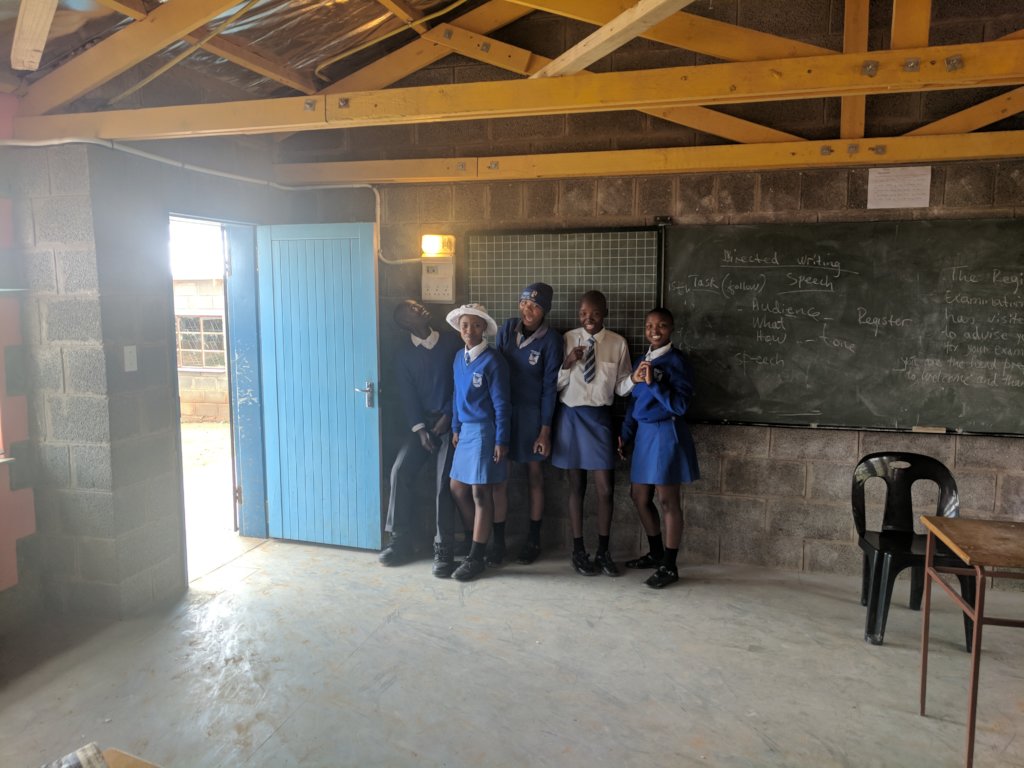
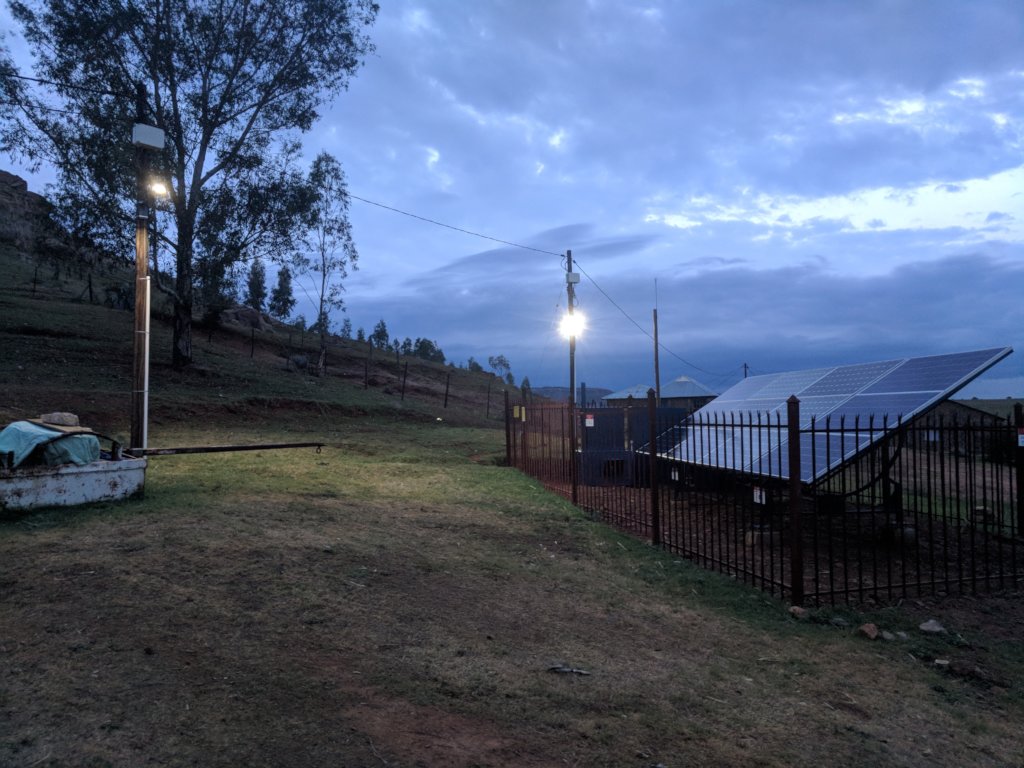
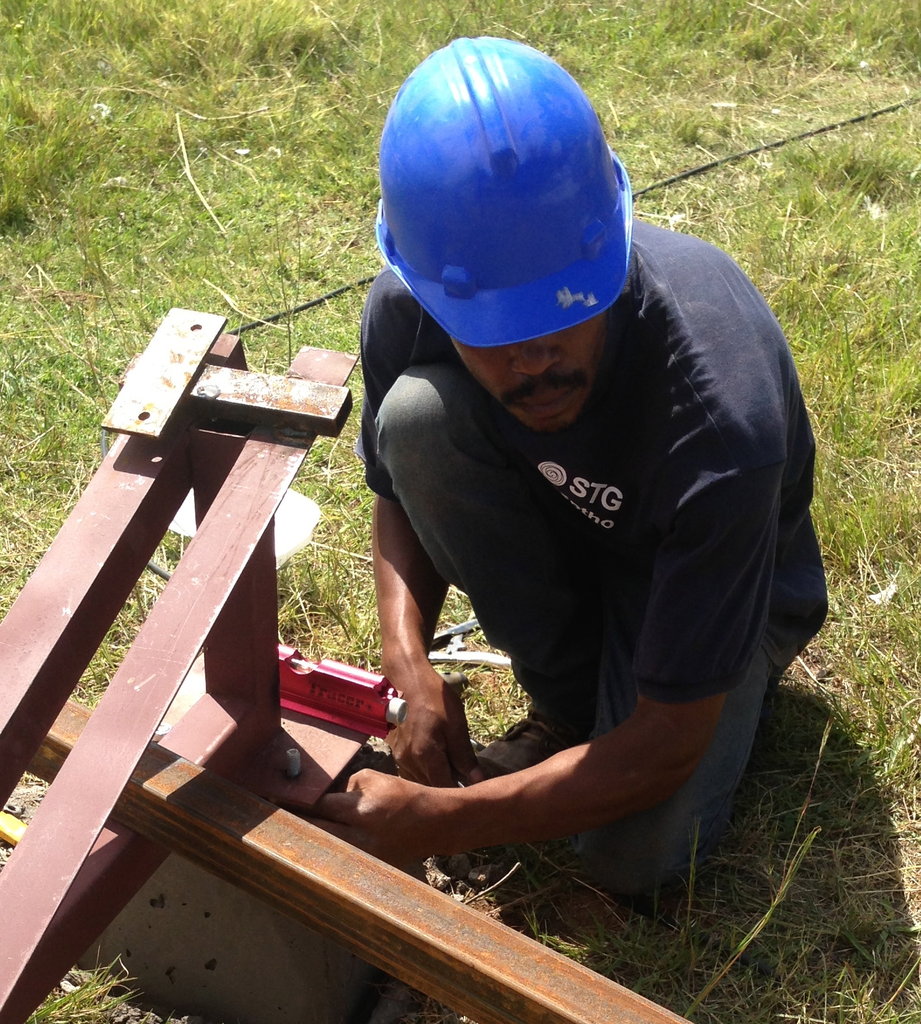
Lesotho. Our newest village minigrid, at Tosing, now serves homes and small businesses, and our crews kept connecting new customers there through the winter. In August we reported to Lesotho's Department of Energy that the eight village minigrids we built and operate (Ketane, Ha Makebe, Mashai, Matsoaing, Sehlabathebe, Sehonghong, Tlhanyaku and Tosing) have 1,560 connections. These include 1,260 households, 205 businesses, 28 schools, 4 clinics and 14 churches, and almost all are energised. Seven of the eight sites have already passed their minimum connection targets. Crews are now building three more minigrids at Lebakeng, Ribaneng and Sebapala, with at least 729 more connections planned.
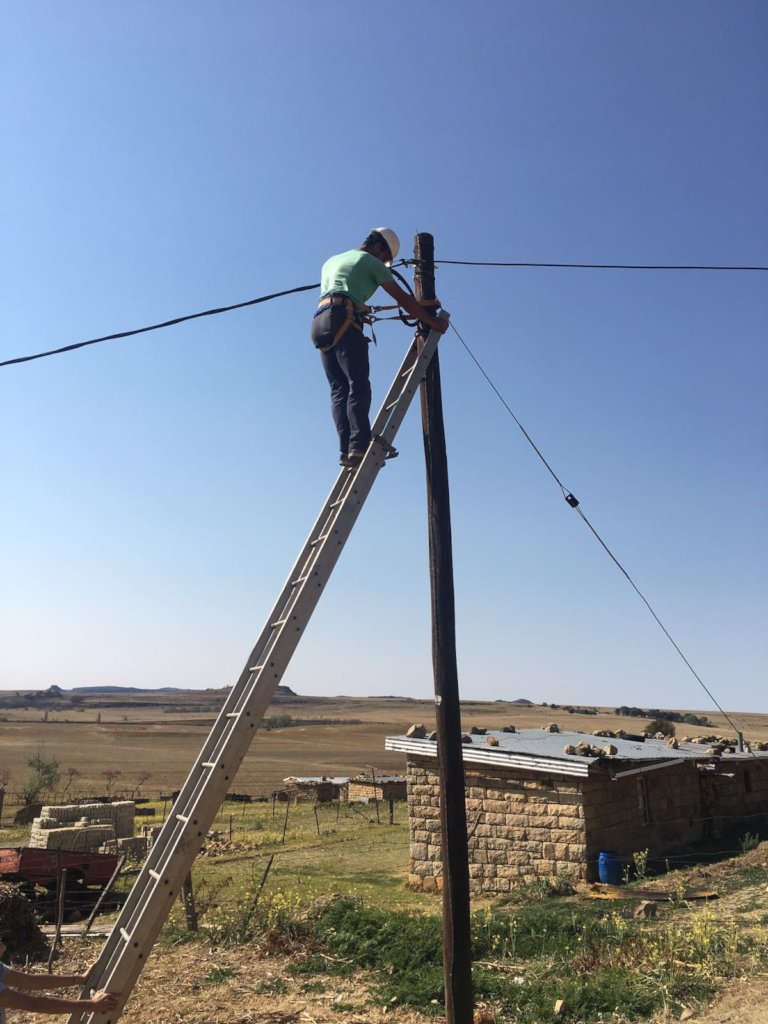
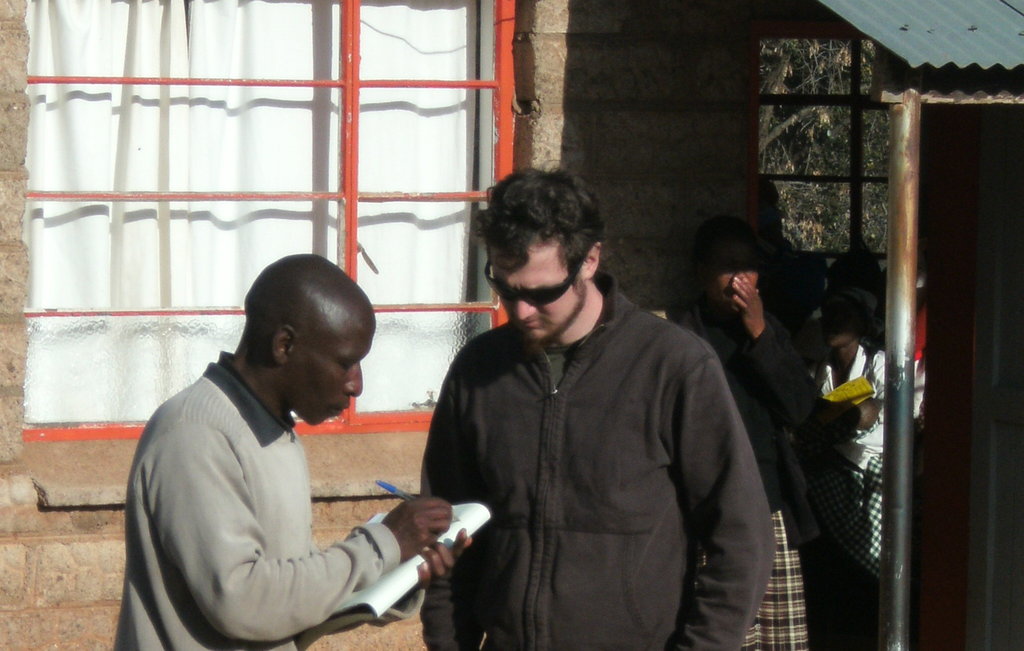
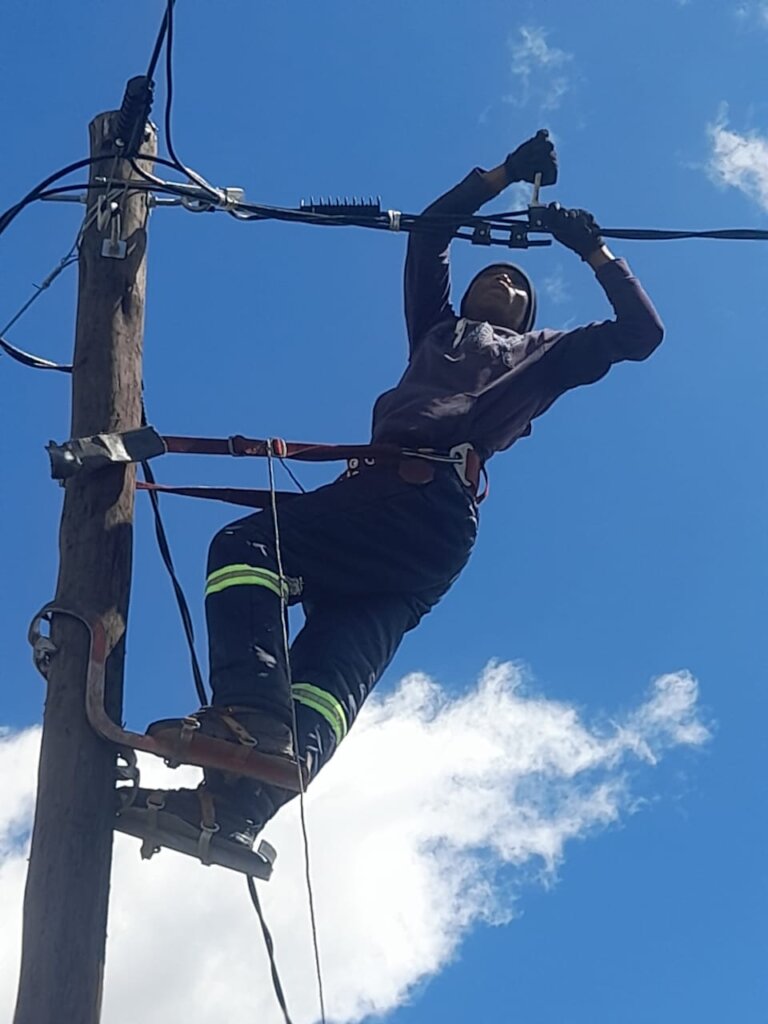
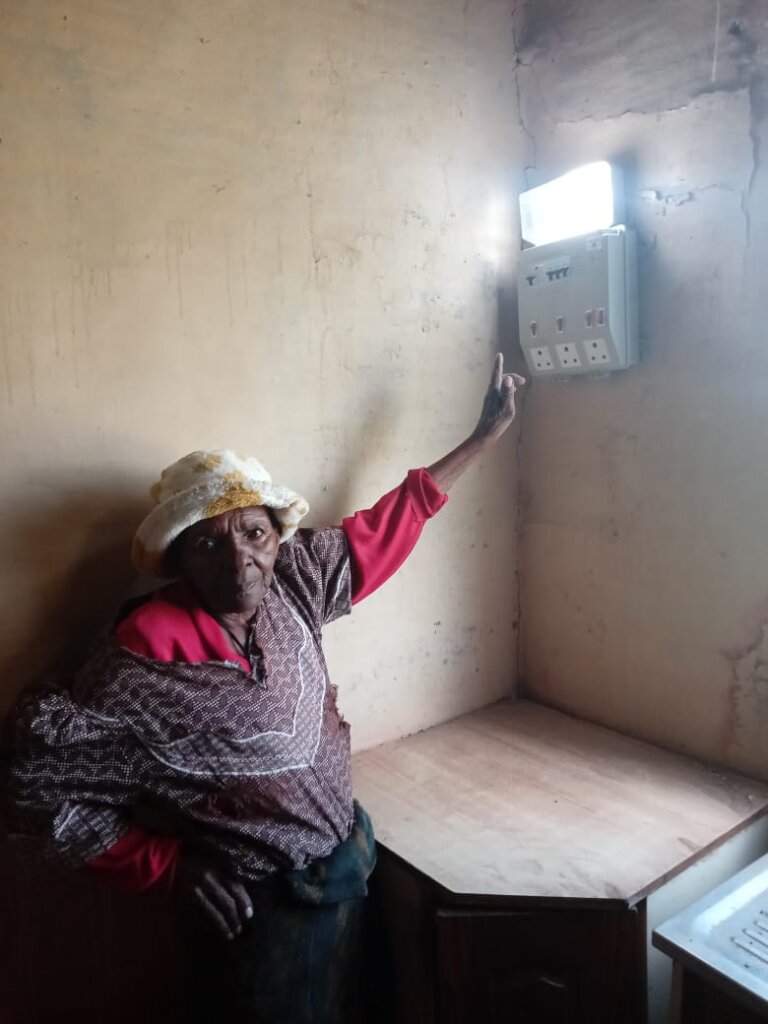
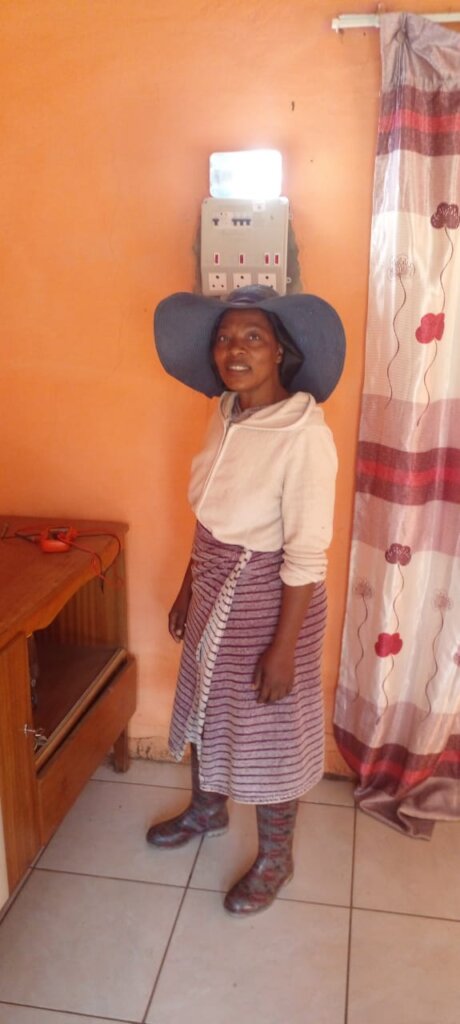
A story from the field. This spring our line crew at Ha Makebe has been carrying power into two neighbouring villages, Ha Soole and Ha Jubile. In late September they met residents at a village pitso (community gathering) in Ha Jubile and spent three days signing up new customers. Since then, their daily reports in our team chat have tracked the work house by house: ready-boards mounted, service cables strung, homes wired and earthed. On 7 October alone the crew wired and earthed 17 homes in Ha Jubile, and 15 more the next day. In Tlhanyaku, another team was connecting seven customers who had signed up and eagerly awaited connection, and two more people asked to sign up as soon as they saw the team on site. In Ketane, our crew has a list of 130 more potential customers ready to sign up.
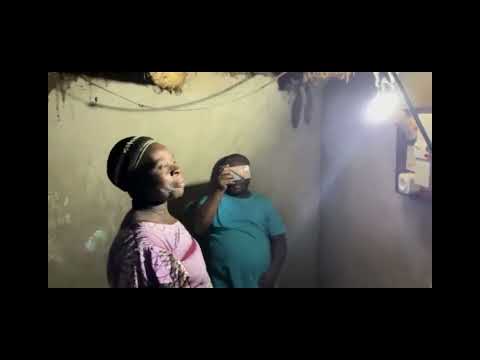
Benin. The model you helped pioneer in Lesotho is spreading. In April our sister company in Benin commissioned the Aglamidjodji minigrid, and Kotokpa was energised later that month. The first street lights came on in both villages. Benin now has six minigrid sites that are operating or energised. Families and businesses at the two longest-running sites have about 200 active meters between them, and flour mills there run on solar power. Local entrepreneurs joined a second cohort of business coaching this year. In September, Benin's Council of Ministers approved concession agreements for 12 more villages.
Zambia. Our Zambian team is building new minigrids in Eastern Province and taking on older sites in the region. We're working with partners to map which productive uses — grain mills, oil presses, irrigation — will help each village earn more from its power.
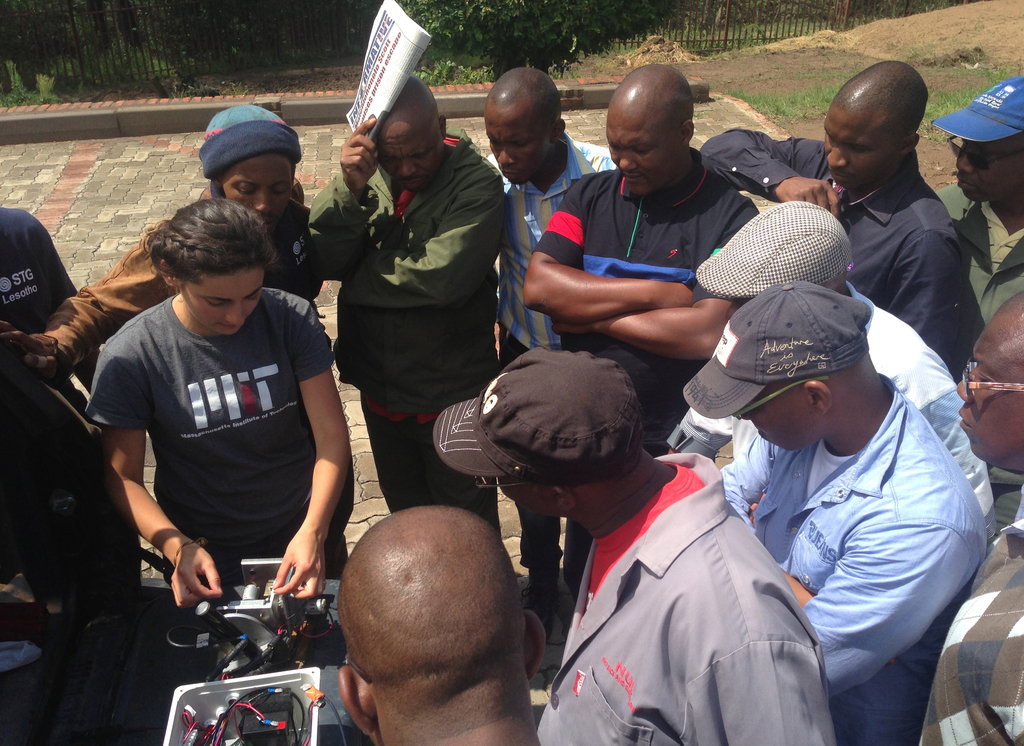
What your donations did. GlobalGiving gifts to this project have always paid for the human side of rural power: training, internships, and wiring for schools and clinics. That investment in people is why a team that started in Lesotho can now build and run minigrids in three countries.
What's next
We've raised our goal to $65,000 so we can keep training the technicians, customer-care agents and entrepreneurs who make this work. Every gift helps: $25 pays for a training seminar, $200 for a two-month internship, and $1,000 for wiring a clinic.
With gratitude,
Matthew Orosz, on behalf of the STG International and OnePower teams
Project reports on GlobalGiving are posted directly to globalgiving.org by Project Leaders as they are completed, generally every 3-4 months. To protect the integrity of these documents, GlobalGiving does not alter them; therefore you may find some language or formatting issues.
If you donate to this project or have donated to this project, you can receive an email when this project posts a report. You can also subscribe for reports without donating.



Support this important cause by creating a personalized fundraising page.
Start a Fundraiser