By Amber Teskey | Communications and Events Producer
Thank you so much for your generous donation. This donation was hugely valuable in helping us to deliver our specialist Model of Integrated Care to hundreds of survivors of torture, modern slavery, human trafficking and other forms of extreme human cruelty. We are very pleased to present this report on our activities.
Specialist Psychological Therapies
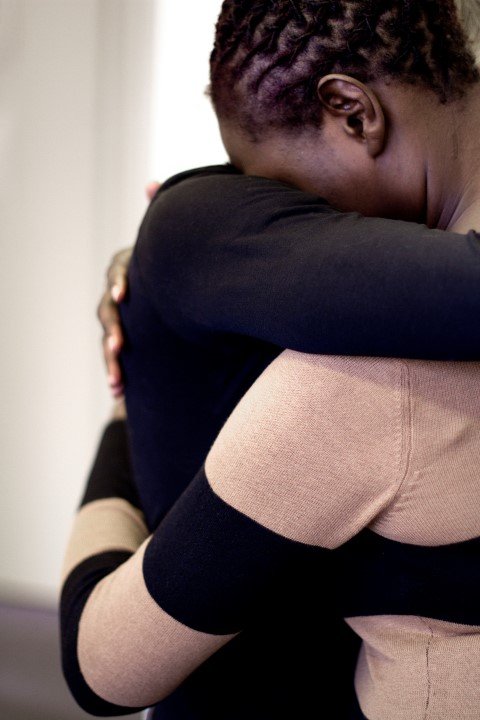
Survivors of torture, human trafficking and other forms of extreme cruelty suffer acute psychological health conditionsincluding severe Post-Traumatic Stress Disorder (PTSD), which causes survivors to repeatedly re-experience past trauma through excruciating flashbacks and nightmares and suffer debilitating panic attacks, extreme depression, anxiety and despair. The majority of our clients (more than 80%) have a psychological distress rating within the top two points on the diagnostic scale (Severe or Moderate to Severe); their suffering is so severe, survivors often believe they will never recover and have nothing to live for. HBF offers a range of specialist psychological therapies to treat the psychological impact of trauma. These treatments work to reduce acute symptoms such as flashbacks, panic and self-harm and, through very delicate and specialist trauma-focused therapy, to help survivors confront and come to terms with their traumatic experiences. Recovering from the psychological trauma of extreme and prolonged violence often takes many months; indeed, recovery is often a life-long journey for survivors. However, we know that treatment at HBF results in a reduction in psychological distress for more than 75% of our clients and almost 1 in 10 clients achieve ‘healthy’ status. This rate of success is extremely positive for a client population who suffer severe symptoms of psychological trauma.
New therapy: Compassionate Mind Therapy; a new therapy at HBF helping survivors develop self-compassion
Most of us recognise that compassion is important for our well-being. When we face difficulties in our lives, receiving kindness and compassion from others is very important in order to help us move forward. Self-compassion is particularly important after traumatic events.
Survivors of human cruelty often struggle with self-compassion. They may have been told that the cruelty they have experienced was their own fault, or that they deserved bad treatment, this a common device of perpetrators and abusers. When people are told this repeatedly, they begin to believe it.
To address this, we are offering a new Compassionate Mind Therapy group that helps clients explore and make sense of any difficulties they have, being compassionate towards themselves. Taking part in the group therapy helps survivors to develop skills to deal with shame and self-criticism that affects the ability to build a worthwhile life.
Compassionate Mind Therapy is offered alongside 11 other therapies at HBF. Clients are assessed individually to find the appropriate treatment or combination of treatments necessary
Medical Advisory Clinic
Survivors often have complex medical conditionsas a result of repeated violence including being brutally beaten, whipped, electrocuted, burnt, stabbed, starved, raped and / or subjected to prolonged exploitation and confinement in unsafe conditions. Survivors suffer neurological, gastrointestinal and respiratory disorders as well as badly healed fractures and wounds and rape injuries, including sexually transmitted infections. Despite suffering complex and debilitating medical conditions, clients have often had ineffective and sporadic contact with health care providers, often limited to emergency or crisis contact with A&E departments. In HBF’s Medical Advisory Clinic, volunteer GPs examine and assess client’s symptoms and, working with specialist interpreters, help clients to understand their conditions and treatment options. Our doctors then work with NHS GPs and other specialists, offering expert advice and guidance to ensure survivors receive effective treatment for their conditions.
Medico-Legal Assessment and Documentation
Risk of continuing and / or further persecution in their country of origin means survivors seek asylum (legal protection) in the UK. The asylum process is incredibly challenging for our clients; they are often too unwell, frightened or ashamed to provide the required evidence of the atrocities they have suffered. As a result, clients often struggle to be believed by authorities. Our Medico-Legal service assists survivors in obtaining legal protection by producing expert Medico-Legal Reports (MLRs) that document the physical and psychological impact of the trauma they have suffered, which clients use to support their asylum claim. HBF’s Medico-Legal Report service is regarded as the leading authority in the documentation of the physical and psychological impact of human cruelty and our MLRs have been instrumental in influencing the way that the UK legal system responds to medical evidence.
Housing and Welfare casework
Housing and welfare crises are common for our clients; every year more than 50% of our clients experience crises situations where they are threatened with losing their home and / or their only source of income. As refugees and asylum seekers, clients are increasingly experiencing a hostile environment where housing and welfare support is extremely limited and subject to short notice change and frequent interruptions / stoppages. Survivors struggle to advocate for themselves in times of hardship, and crises often quickly escalate into situations of homelessness and destitution. These are incredibly risky for survivors of cruelty, as they exacerbate trauma conditions and expose clients to abuse and exploitation. HBF’s Housing and Welfare Casework Co-ordinator, supported by a dedicated team of experienced casework volunteers, help clients experiencing crisis by appealing to the council / Home Office for appropriate housing, liaising with benefit providers to reinstate welfare support and in emergency situations, securing urgent accommodation through refugee hosting charities and additional support though community based welfare support organisations including food banks and destitution services.
Physical rehabilitation activities
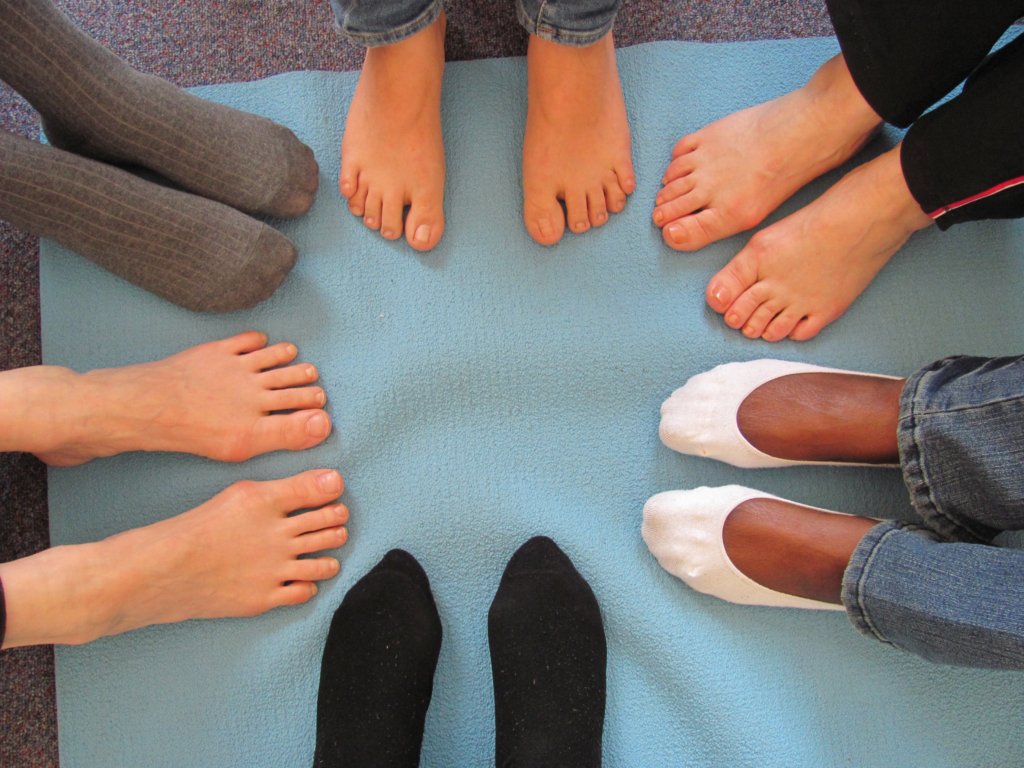
As a result of repeated physical violence, many survivors we work with suffer constant and / or profound pain and impaired movement. HBF’s physical rehabilitation team deliver treatments and activities that help clients manage their pain, increase their overall strength and regain confidence and mastery over their body. Treatments available to clients in-house include osteopathy, which encourages healthy, mobile joint and muscle functioning, and acupuncture, which helps manage pain and increase relaxation. The team also offers free yoga classes and develops partnerships with community gyms so clients can access physical activity in the community.
Specialist Counter-Trafficking service for victims of human trafficking
Approximately 20% of our clients have suffered modern slavery and / or human trafficking. The extreme and prolonged nature of this form of cruelty means survivors have significantly impaired capacities for autonomy (independence) and agency (the ability to make, and act on, decisions) are are extremely vulnerability to further exploitation,including being re-discovered and re-victimised by their original abusers, as well as being pursued by criminal gangs that target vulnerable individuals. HBF’s specialist Counter-Trafficking team work closely with survivors of human trafficking, offering enhanced contact and safeguarding to ensure they access and maintain contact with all necessary services. Crucially, this includes supporting survivors through the complex legal process for recognising survivors of trafficking, the National Referral Mechanism. Some survivors also require support through the criminal investigations by the specialist counter-trafficking section of the Metropolitan Police SC&07; giving evidence in a criminal investigation is incredibly challenging for our clients, many of whom have been indoctrinated to fear the police and that giving evidence would result in reprisals against themselves or their families.
Specialist service for families
We work with approximately 60 families, including single-parent families, families where both parents have suffered torture and cruelty and families who have been reconnected after years of being forced to live apart. Pregnancy and parenthood can be very risky for survivors of extreme violence and abuse, particularly if the child is from rape or sexual exploitation. There is also considerable evidence that becoming a parent or reconnecting with family members can trigger re-traumatisation amongst survivors and that the devastating impact of trauma can be passed on from parent to child. Through our specialist service for families, parents access practical and emotional support from HBF’s therapy and physical rehabilitation teams as well as incredibly valuable peer support for themselves and their children, many of whom are otherwise dangerously isolated. The service has also partnered with specialist therapeutic yoga instructors, English teachers and a local charity which helps vulnerable expectant mothers prepare for birth, including attending the birth and offering vital home visits to new mums.
Integration Programme
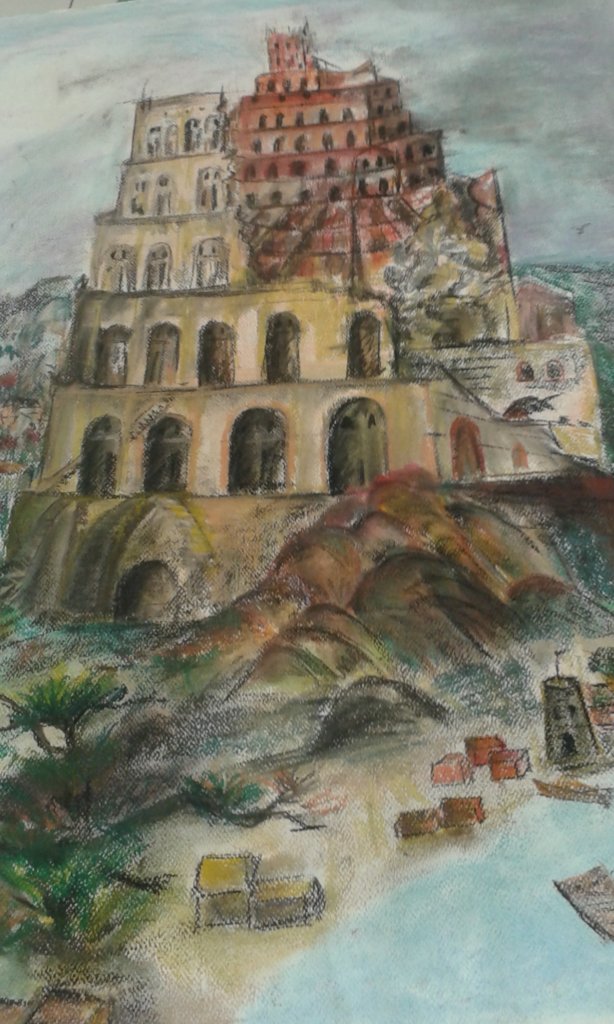
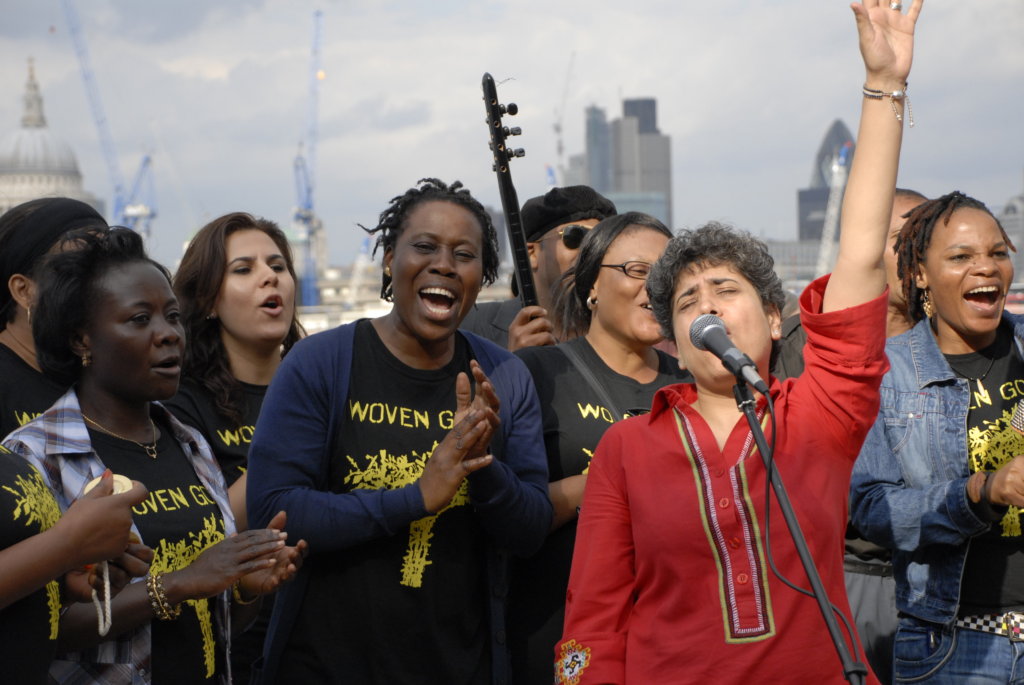
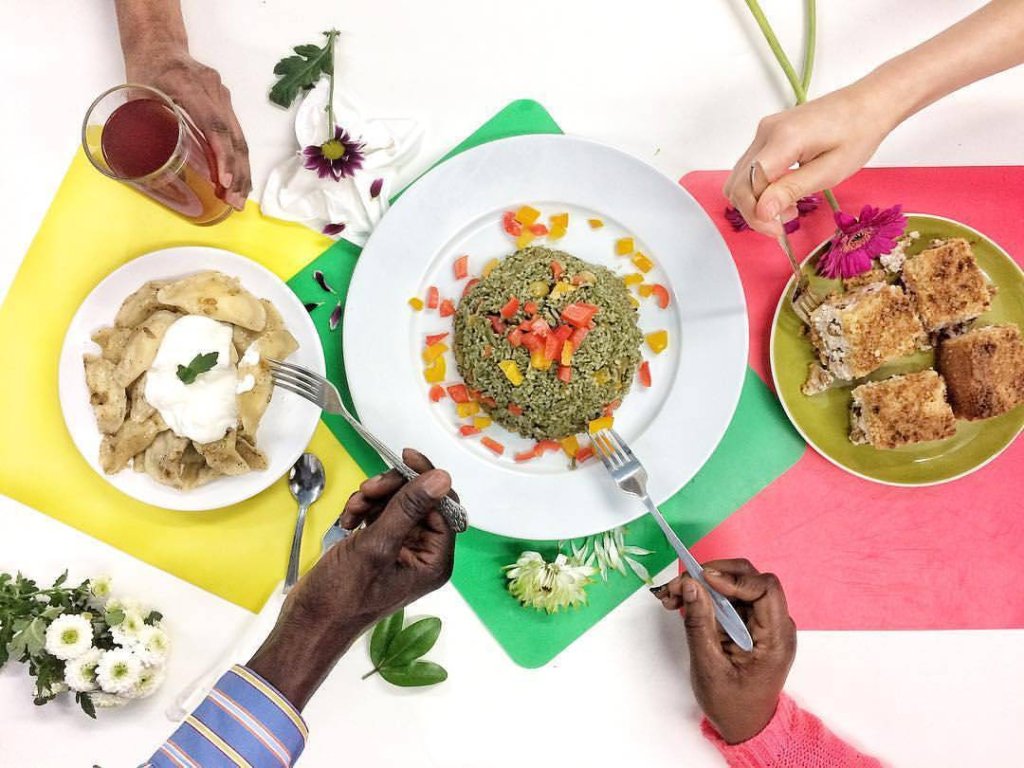
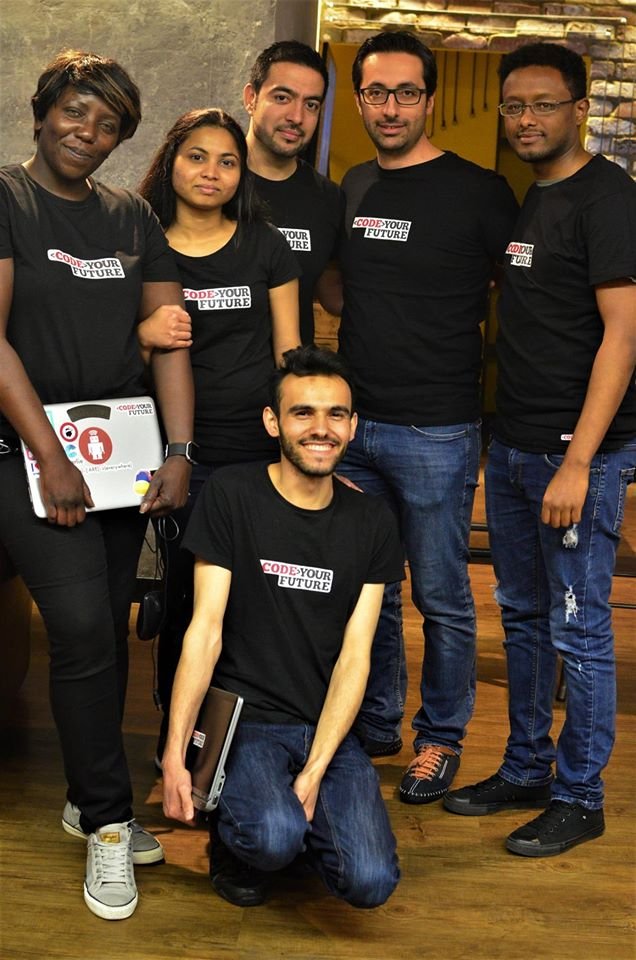
Integration is the final, crucial stage of recovery. However, fear, emotional withdrawal, isolation and language barriers often stand in the way of survivors trying new experiences, developing creative and practical interests and accessing education, employment and training. HBF has devised a comprehensive integration programme, including group activities where survivors develop practical, creative and emotional skills to help them build a life for themselves in the UK. Building on the success of numerous long-running creative arts groups, the integration programme includes art, computer skills, knitting, learning English, photography, football, as well as our much accomplished music group Woven Gold. New initiatives in 2017 include education and employment clinics, where clients are supported to develop employability skills and identify and apply for opportunities. These groups are all run by professional and dedicated volunteers, clients report being involved in the integration programme has a significant improvement on their confidence and skills levels and reduces feelings of isolation.
Links:
Project reports on GlobalGiving are posted directly to globalgiving.org by Project Leaders as they are completed, generally every 3-4 months. To protect the integrity of these documents, GlobalGiving does not alter them; therefore you may find some language or formatting issues.
If you donate to this project or have donated to this project, you can receive an email when this project posts a report. You can also subscribe for reports without donating.