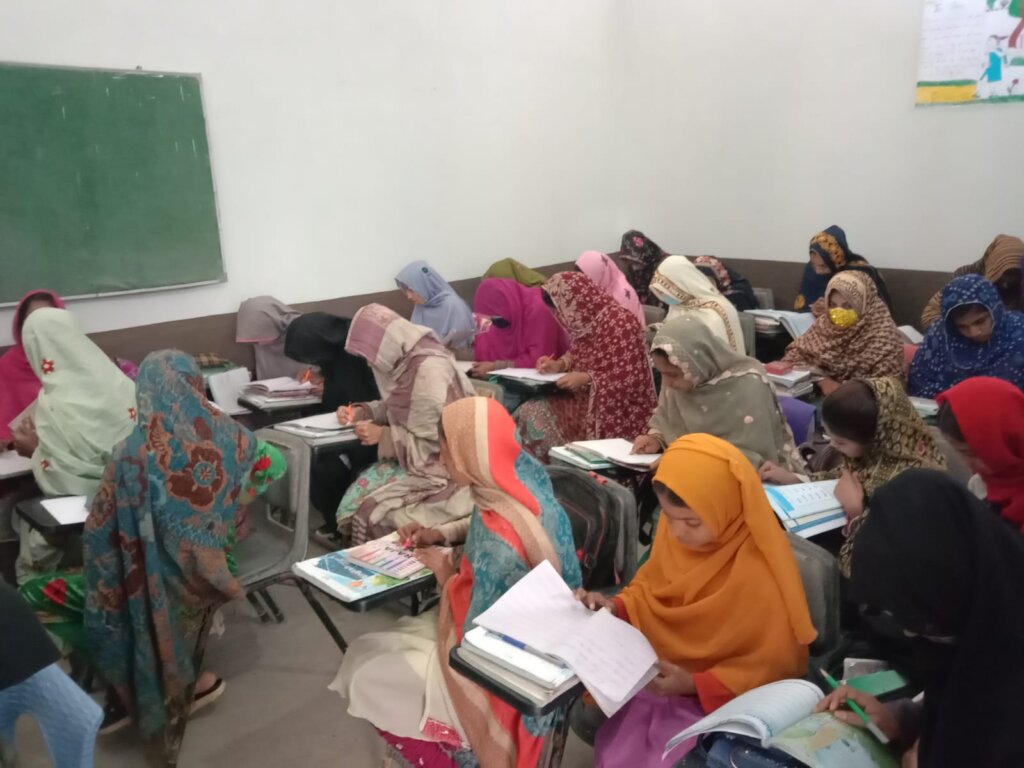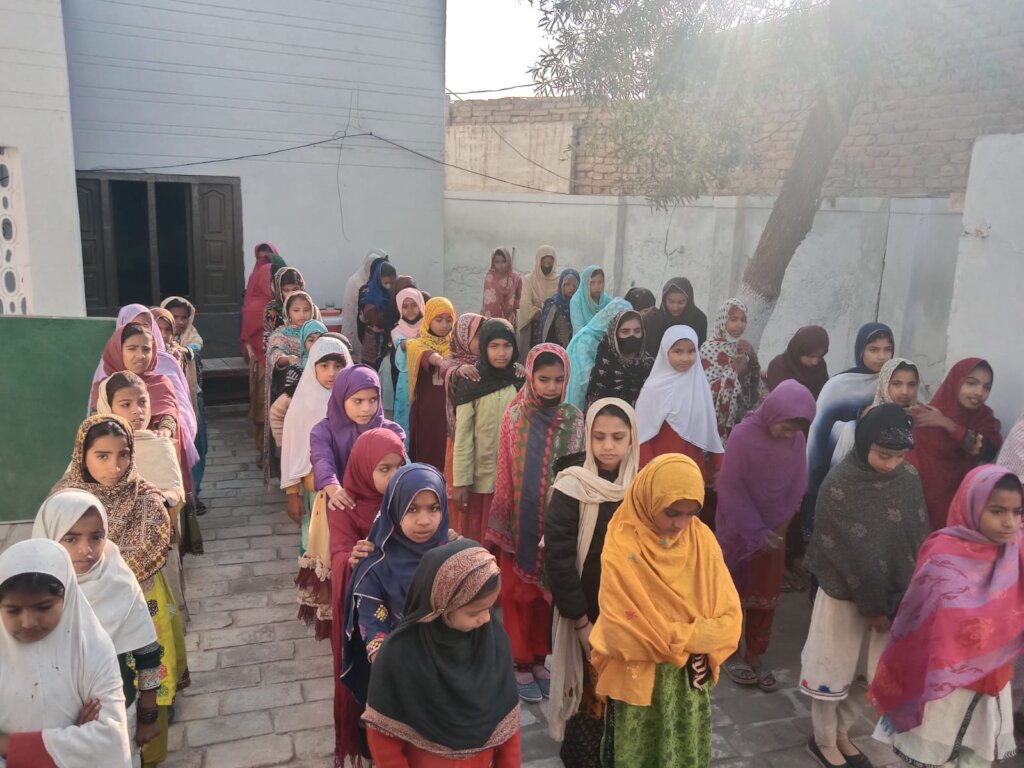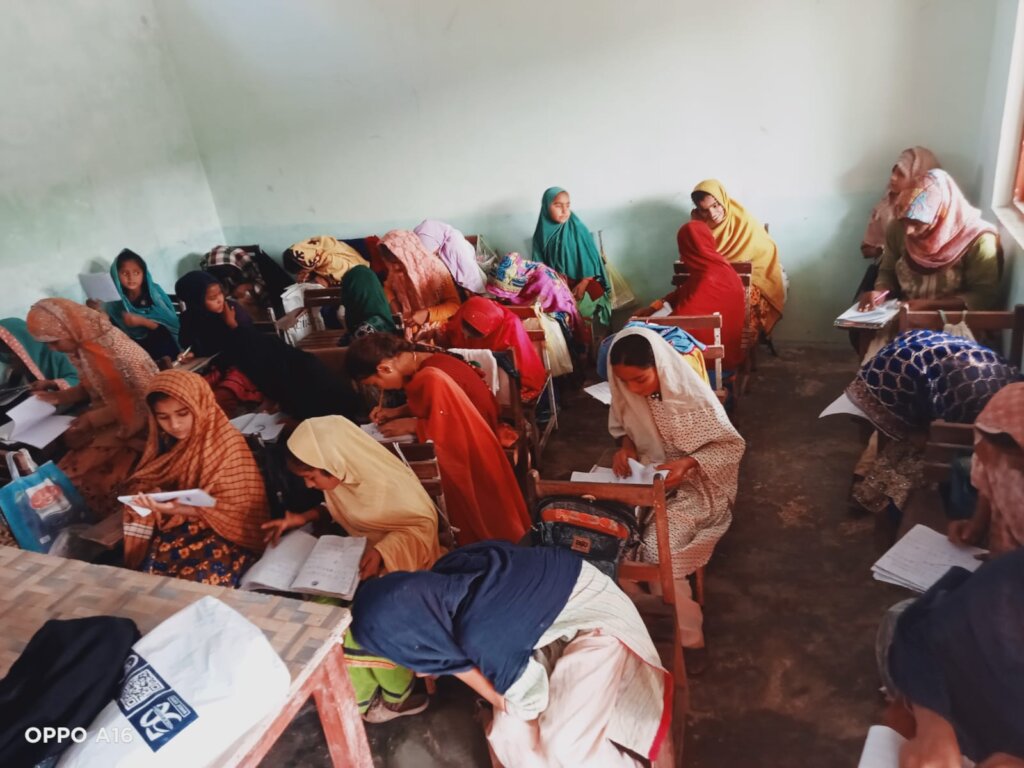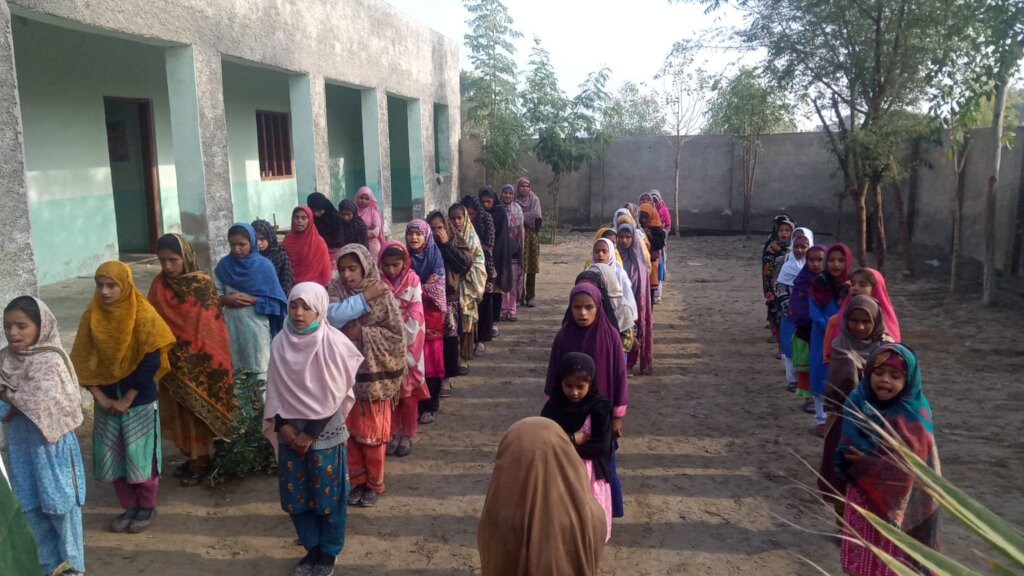
In Jacobabad,extreme heat during May, September, and October makes classrooms unbearable, leading to high dropouts among girls. Many schools lack reliable grid electricity to run basic cooling To protect the health and education of female students and the 64% female staff, a sustainable, off-grid cooling solution is required to overcome frequent power outages and intense regional temperatures. CDF,will install solar panels and fans to ensure a cool, dignified learning environment.
Extreme heat in Jacobabad (May, Sept, Oct) makes girls' schools unbearable, forcing students to study in stifling, dangerous conditions. Frequent power outages and a lack of grid access mean classrooms have no fans or light. This energy poverty directly causes high absenteeism and dropouts among female learners. Without sustainable cooling, the heat remains a primary barrier to education for students and the 64% female staff.
In Jacobabad, extreme heat during May, Sept, and Oct makes classrooms unbearable, causing high female dropout rates. Frequent power outages leave 64% female staff and students without fans or light. CDF and SEF will install solar panels, hybrid inverters, and fans to provide off-grid cooling. This ensures a dignified, climate-resilient environment where education remains uninterrupted by the regional heat crisis.
The project will ensure sustainable, climate-resilient education for 20 schools, significantly reducing dropout rates among female learners in Jacobabad. By eliminating heat as a barrier, attendance will stabilize during extreme months like May and October. It empowers the 64% female staff with a dignified workspace and builds local capacity for renewable energy management. Long-term, this model proves that green infrastructure can bridge the gender gap in education for Sindh.
This project has provided additional documentation in a PDF file (projdoc.pdf).



Support this important cause by creating a personalized fundraising page.
Start a Fundraiser