By Silvia Paul | Fundraising and Communications Manager.
Sarita* ran away from home and married at the age of 16 with an old man with no livelihood she was physically abused and faced a lot of difficulty when she had two children and extreme poverty brought her to the red light area as she was uneducated and had no source of earning. Initially it was very difficult for her to sustain in this area, continuous torture, financial exploitation made her life miserable even though she used to earn decent money which was sufficient for herself and the children. As she came in touch with our outreach team she expressed to learn but not in front of everyone she was then enrolled in the adult literacy programme through Adult literacy she learned and also got awareness about boarding placement for her children. She successfully placed both of her children in boarding .Through financial literacy she learned the method of saving and through saving she also bought herself a home in the suburbs .Currently she has enrolled herself in the tailoring class. She is regular and has lot of interest to learn after learning she wishes to open her own tailoring shop.
Outreach:
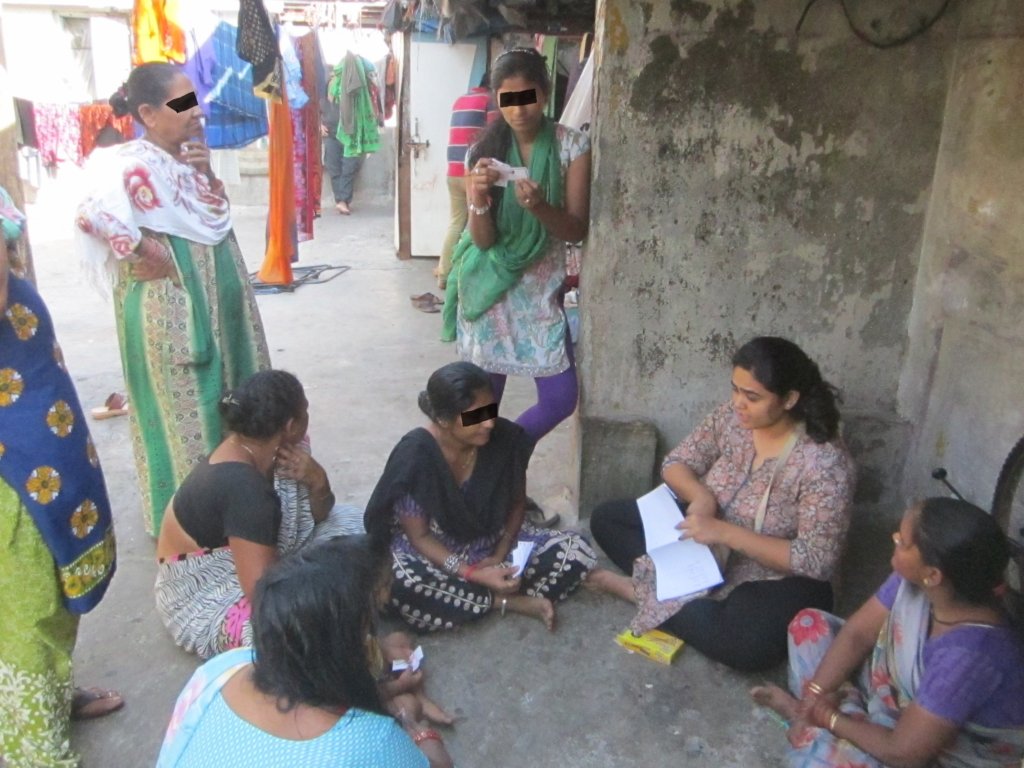
The team has been conducting regular home visits, even though challenges are faced by outreach worker team with regards to the beneficiaries behaviour and the onset of various season changes which acts as a hindrance as the beneficiaries are not found in the same place every time. The team makes it a point to look out for the beneficiaries in different places in order to reach out our services to them.
Due to the rigorous outreach, our team has been able to enroll 39 women beneficiaries under the Umeed program, which has helped us to grow and even the beneficiaries who are already registered in our programs motivate and encourage other women in the area to join our program. Our outreach team has helped 61 women beneficiaries to attain new identification documents.
This is one demonstration of the constant efforts put in by AAWC, clubbed with growing awareness amongst the women to strive for a better life through the resources provided by us. We have been able to conduct 22,113 home visits, this quarter, where we conducted both individual and group sessions with the beneficiaries on various topics.
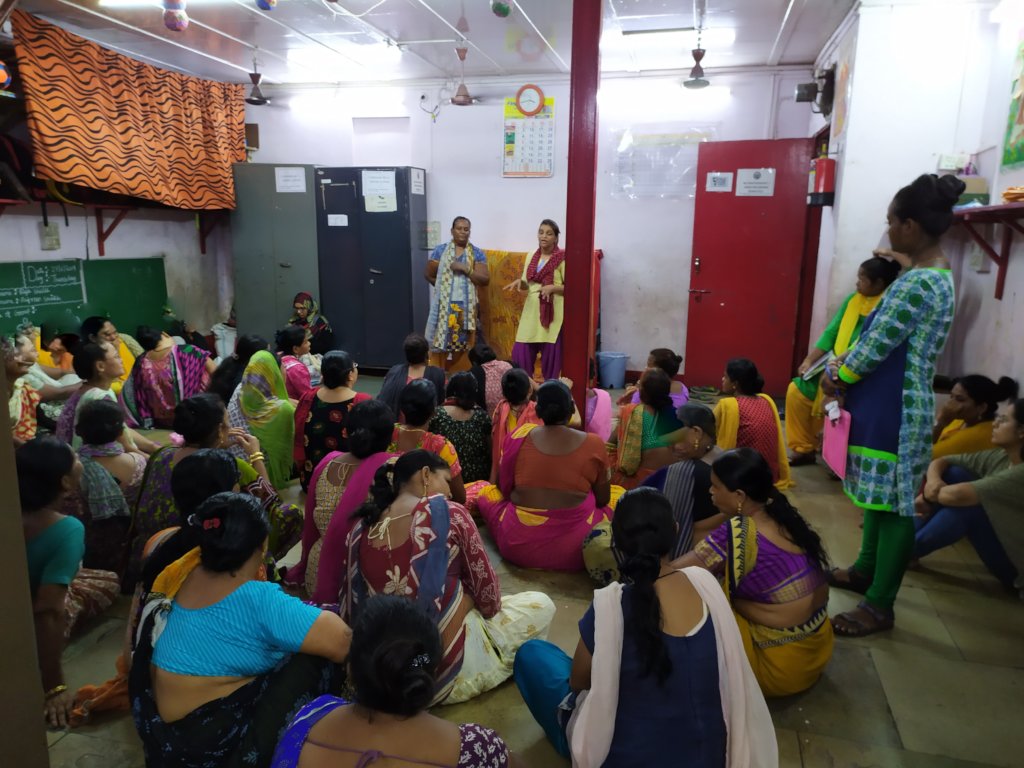
The outreach team, in order to empower the beneficiaries continuously spread awareness about identity documents such as (Aadhar card, Pan card, ration card etc) through various modes such as area activity and during monthly meetings they discuss about the step and procedure to attain these identity cards. The team assists them in the process of making their identity cards.
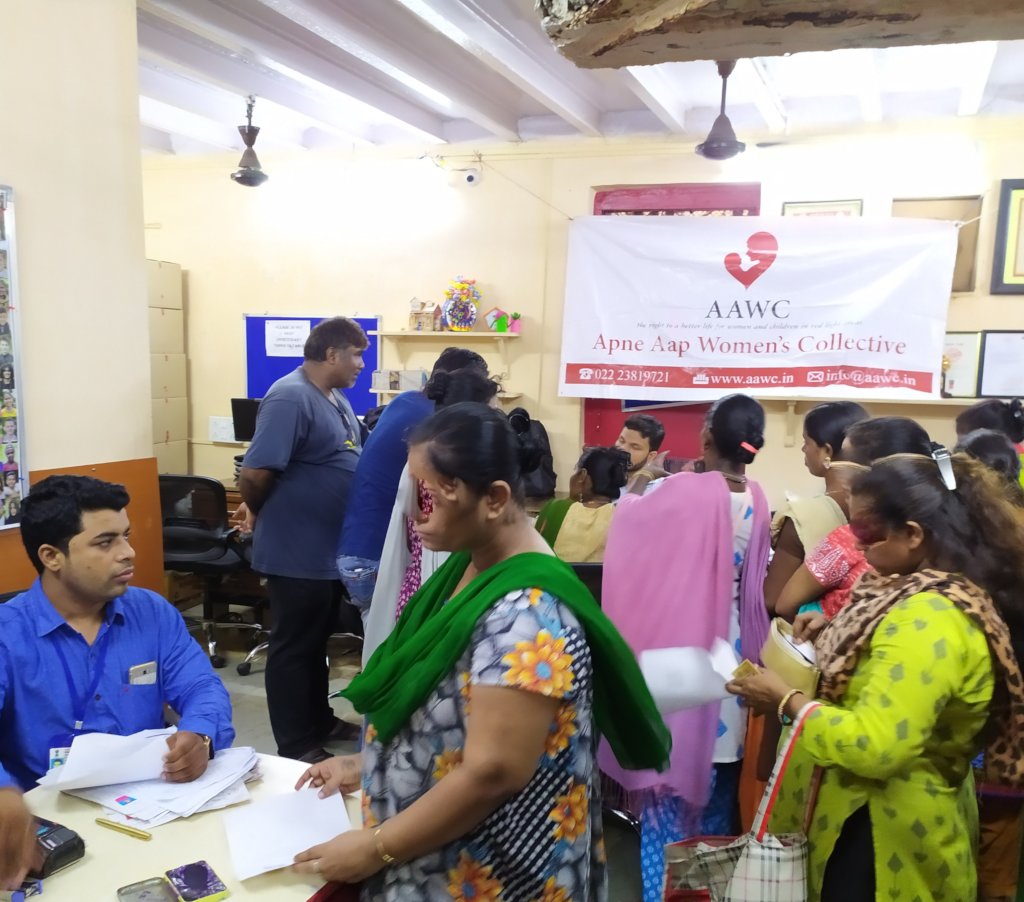
This quarter the team conducted a ration card making camp in collaboration with the ration department in the center to provide ration cards to beneficiaries who do not have ration card yet. As the team had already done the back ground work beneficiaries did not have to undergo much hassle with the documentation process. The camp went smoothly and the Government officials appreciated the efforts taken by the Organization.
The beneficiaries who were reluctant to go to the ration department, came to the center and got the procedure done easily which was greatly appreciated by the beneficiaries. Beneficiaries who submitted the documents for the ration card spread the word about the camp and more beneficiaries turned up during the camp.
This quarter also the team conducted travel pass compensation camp for beneficiaries who are HIV positive wherein the beneficiaries were provided with certificates as in the previous month, on behalf of the beneficiaries AAWC had filled the form to apply for the travelling compensation. Thus the certificates have been made which the beneficiaries can produce while travelling to avail the compensation.
In the camp the certificates were distributed to the beneficiaries. It was noticed that beneficiaries were happy that they received the certificate in a short time without going to the government office and taking tremendous efforts. They asked their doubts about the certificates which were clarified after which the beneficiaries understood how and when to produce the travelling compensation certificate.
Education:
“I feel good that I am able to read and write that I wasn’t able to do as a child for which I am thankful to the agency”- Umeed beneficiary.
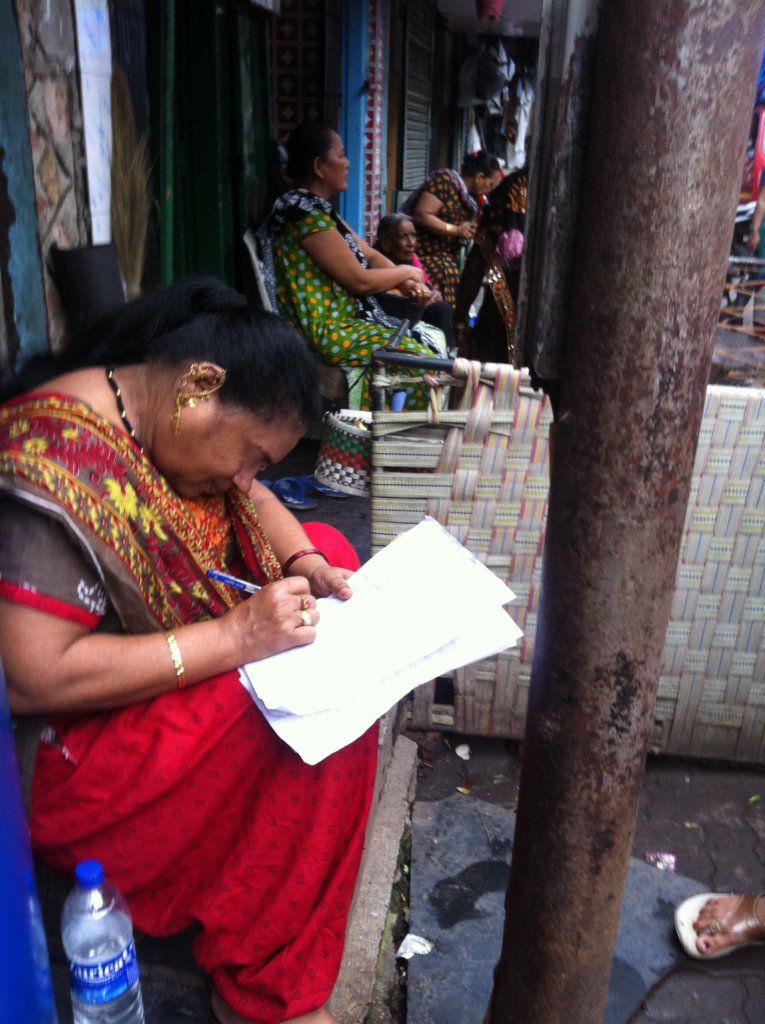
This quarter the outreach team noticed an increase in the interest of beneficiaries which was depicted by their behaviour. It was observed that very often beneficiaries have by themselves approached the outreach worker and asked for text books as they mentioned that their old text book was full after practice.The beneficiaries now confidently are able to sign for procuring documents related to identification, banking etc.
For adult literacy the hesitation among beneficiary to participate rises due to their age as they feel that they have already reached a certain age at which they would not be able to learn and learning in this age in front of everyone is awkward but it is often seen that if one beneficiary starts learning she starts motivating the others to learn as well as sometimes when a beneficiary notices that the other beneficiary is signing on her own and understand the documents better it makes them realize the importance of education and hence they approach our outreach workers themselves.
In this quarter the team is focusing on improving the hand writing of the beneficiaries along with taking numerical classes especially addition and subtraction.
It was noticed that slowly the impact of adult literacy has been visible wherein the beneficiaries during school admission of their children were able to sign the documents, while travelling by train they are able to read the indicator and even they are performing really well in tailoring classes as they are well aware about numbers and measurement.
Financial literacy:
The financial literacy sessions involve making the beneficiaries understand varied saving methods by opening a savings account and help them understand transactions related to money which protects them from getting into the clutches of debt.
Adult literacy along with financial literacy goes hand in hand as the beneficiaries become more independent which was seen this quarter that the beneficiaries require less support to open a bank account, deposit and withdraw money. Even awareness about various schemes that are undertaken is implemented in a better way which leads to benefitting them from all the schemes related to saving by the government which has led to an increase in planned saving by the beneficiaries.
This quarter, 17 of our Umeed beneficiaries have been able to open their own bank accounts, after rigorous discussions and support from our outreach team.
Sara* has been associated with AAWC since 9 years. She is suffering from HIV as well as MDR (Multi drug resistant) TB. Initially she was reluctant to even accept her health condition, she was in denial phase which resulted in late treatment. After rigorous counselling, she agreed to start her treatment. However, she stopped taking ART (Anti-retroviral Treatment) for HIV. For few months she did not take medicines. ORW team then planned and spoke to her about her health, they immediately started her ART once again from the nearby ART center. ORW take her follow up daily. Since then she has been taking her medication on regular basis. ORW check her CD 4 report and now her CD 4 count has increased than earlier. Her improving health has boost her confidence and hope of living a healthy life.
Health:
Physical Health:
In order to maintain good health of our beneficiaries our outreach team provide nutritional supplement at the door step of the beneficiaries. It has been observed that the beneficiaries eagerly wait for the team to come and they are happy to receive the nutritional supplement provided daily.
The supplement provided daily includes banana, moringa seed, soya milk, bread etc. It has also been noticed that the beneficiaries slowly through repetitive follow up have started understanding the importance of eating healthy food.
In order to keep the track on their health improvement regularly height and weight measurements are taken as increase in weight indicates a healthy sign especially in patients taking ART.
The outreach team along with nutritious supplements also take regular follow up with the beneficiaries on the treatments undertaken by them as they keep a check on reports and also convince patients to take art therapy regularly as it will help in improving their health as the beneficiaries are reluctant to take medicines, to check their CD 4 or to undergo viral load test; thus they require constant follow up through which ORW keep check on their medications, and reports.
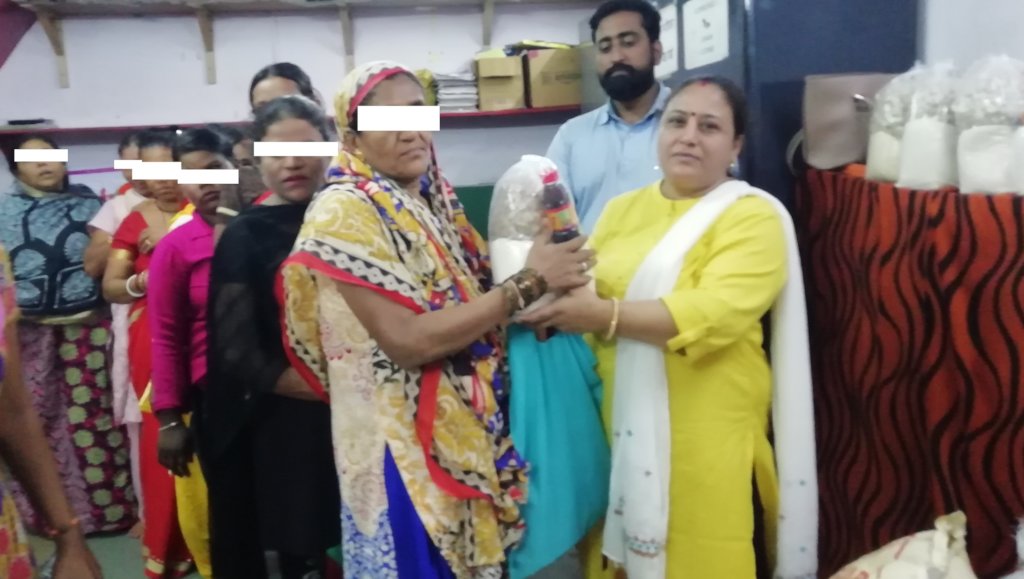
This quarter in order to maintain their nutritional needs daily a ration distribution camp was organized for the beneficiaries. The beneficiaries were very satisfied with what they received and said that they look forward to more camp like these as they mention that due to less resources available they are unable to meet the criteria of nutritional food. They were very thankful to the team for the support provided.
This quarter the beneficiaries approached outreach worker (ORW) for medical assistance, ORW then accompany beneficiaries to the hospitals and explain them the procedure of getting the health services/benefits, as the procedure is difficult for them to understand.
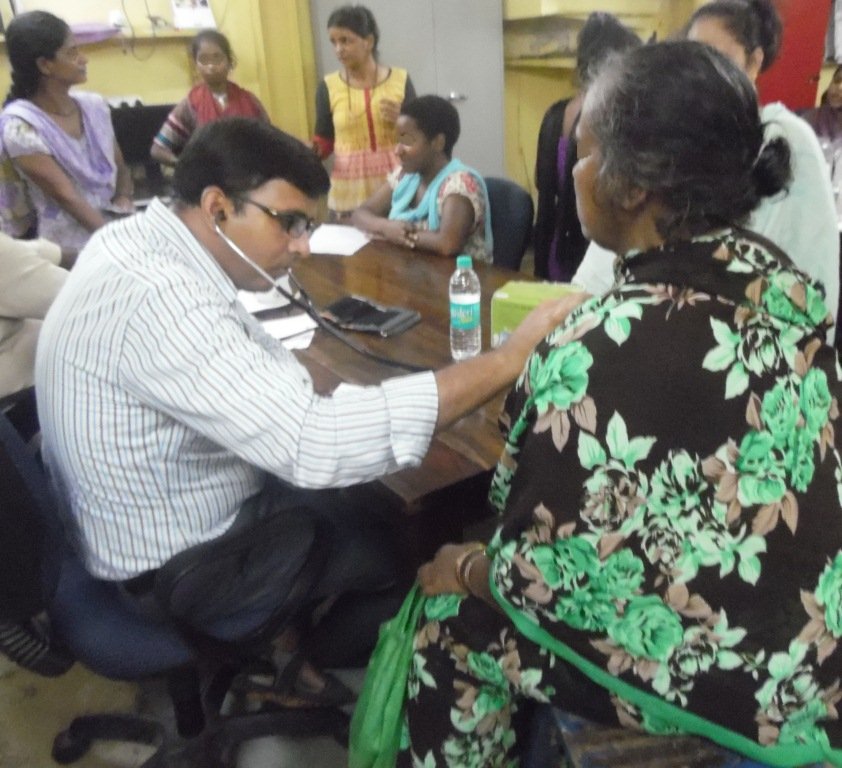
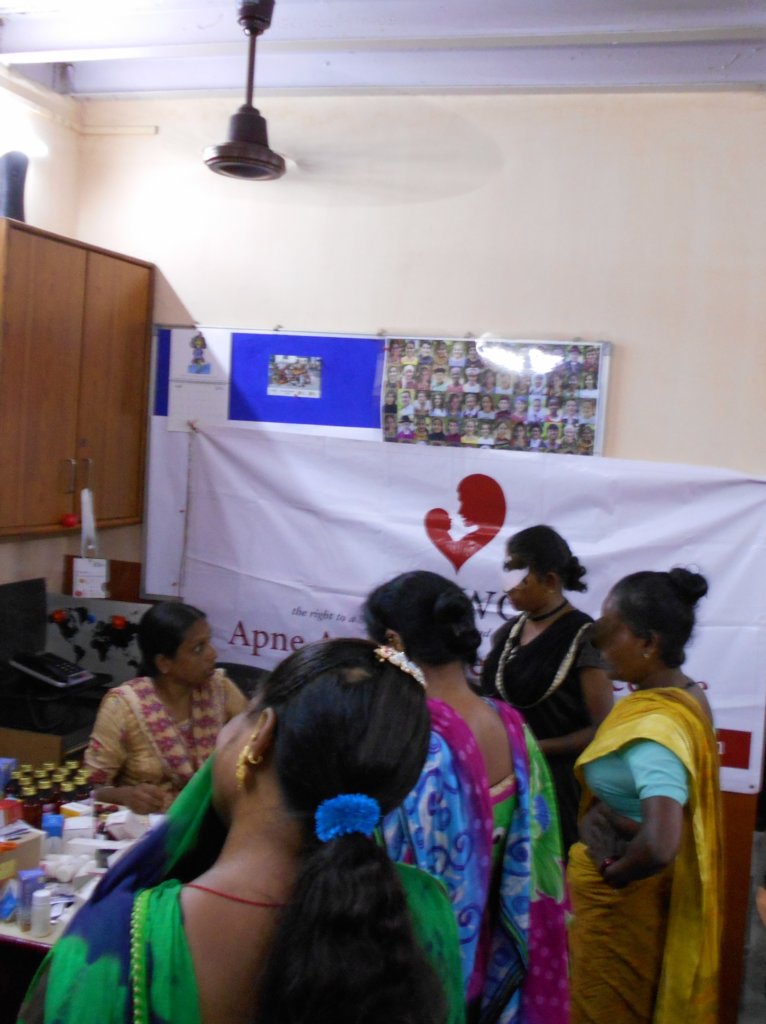
This quarter general medical camp was conducted in collaboration with the doctors from BMC wherein the beneficiaries discussed about their issues they are facing in detail with the doctors and received medicines for their problems for critical illness and doctors also provided references to the hospitals for further treatment.
In the health camps the strength of the beneficiaries was approximately 88. 19 medical referrals have been done for TB patients and 228 medical referrals have been done for antiretroviral therapy (ART) patients. Apart from these, 5 HIV+ women and 1 Tuberculosis (TB) infected women have been identified through regular health check-ups held by AAWC. We have also been able to collect CD4 reports for 27 beneficiaries in order to track the improvement in their immunity.
This quarter awareness session was conducted in form of area activities in which topics like good health, Kidney stone and superstitious belief, Jaundice, benefits of Garlic, Aamla, Bitter guard etc, Moringa seeds, harmful radiation of Mobile phone, and use of other electronic devices, benefits of Green leafy vegetables, benefits of eating fruits and maintaining hygiene were undertaken. As these sessions are conducted in the area the beneficiaries tend to listen carefully and also invite others to listen, it’s has been observed that they understand the topic well and do not hesitate to ask questions if any.
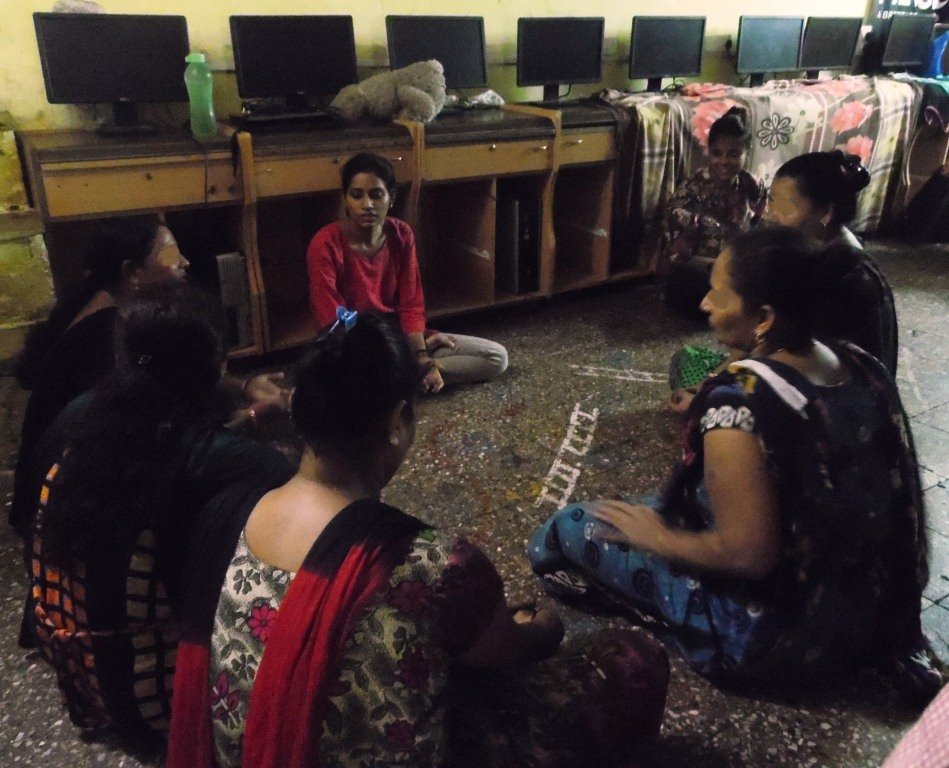
This quarter the first monthly meeting was conducted to discuss about the use of condoms. A briefing was shared about the benefits of using condoms by the team. The team asked questions about what are the benefits of using condoms, to which beneficiaries gave responses. Initially the beneficiaries were shying and also giggling about the topic but as the team started discussing the benefits of Usage the beneficiaries shared how they can protect themselves from unwanted pregnancy, STDs etc. When Poonam ma’am demonstrated how to use condoms and how to hold it without tearing it, beneficiaries started paying more attention. Gradually the participation of the beneficiaries increased.
It was observed that the beneficiaries knew about condoms but they received more clarity on the usage of it and its benefits. This session created awareness amongst the women beneficiaries which led the beneficiaries to start motivating each other to use it and protect themselves due to which without hesitation women came forward to collect condom packets from the center.
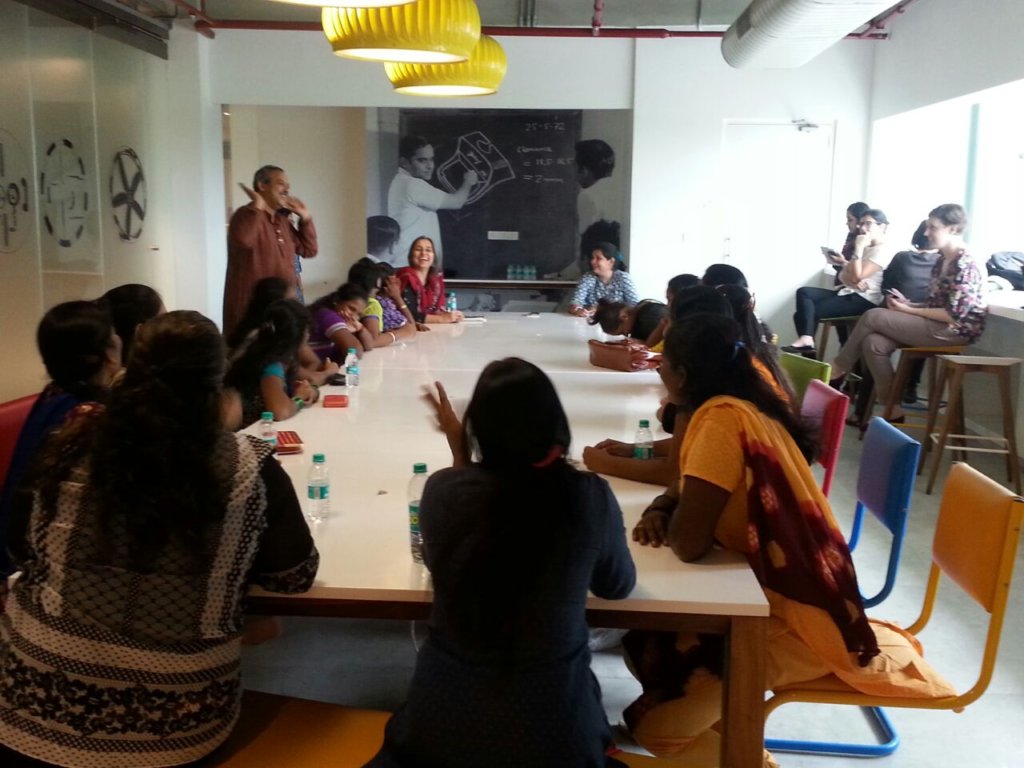
The second monthly meeting was conducted to discuss the harmful effects of use of Tobacco and to celebrate the forthcoming World Tobacco Day.Before the discussion took place the Udaan elder beneficiaries performed a skit depicting a household scenario in which the father and mother eat tobacco in front of their children and how slowly the use of tobacco affects their health and have an impact on their children. This performance was followed by concurrent discussion among the beneficiaries and then field director discussed about how tobacco usage can change their lives and also affect the lives of their children. Through the skit the beneficiaries understood the impact clearly and said that they would not eat tobacco in front of their children as the same would be learnt by them. They became emotional that their children took the initiative of making them realize how harmful tobacco is and how severe the consequences can be if it reaches the children and even after this if they consume it then it is not right.
The other topic discussed in the meeting was the importance of having safe sex. In details the topic was discussed where in impact of having unsafe sex practices were discussed with the beneficiaries. Again proper utilization of condoms was explained and importance of family planning was discussed. It was noticed that during this meeting the beneficiaries were very attentive and they brought forward many challenges they face during their work because of which more clarity could be provided to the beneficiaries and the session became an interactive session.
Mental Health:
AAWC understands that women in the red light district go through both mental and physical traumas, and hence it is imperative to support them through our mental-health assistance. Mental health assistance which involves regular counseling and therapy sessions with all of our women beneficiaries. Most of our counseling happens on the field, while therapy sessions take place on individual and group level at our centers.
Few beneficiaries constantly require counselling to make them understand the importance of ART, daily care and their health issues etc., during this quarter we have conducted 110 counselling sessions.
Empowerment:
“Didi, I only had one dream to learn stitching, and because of you and the organization I am able to learn it and I promise you I will start my own Shop and stitch something valuable for the organization”- Umeed beneficiary.
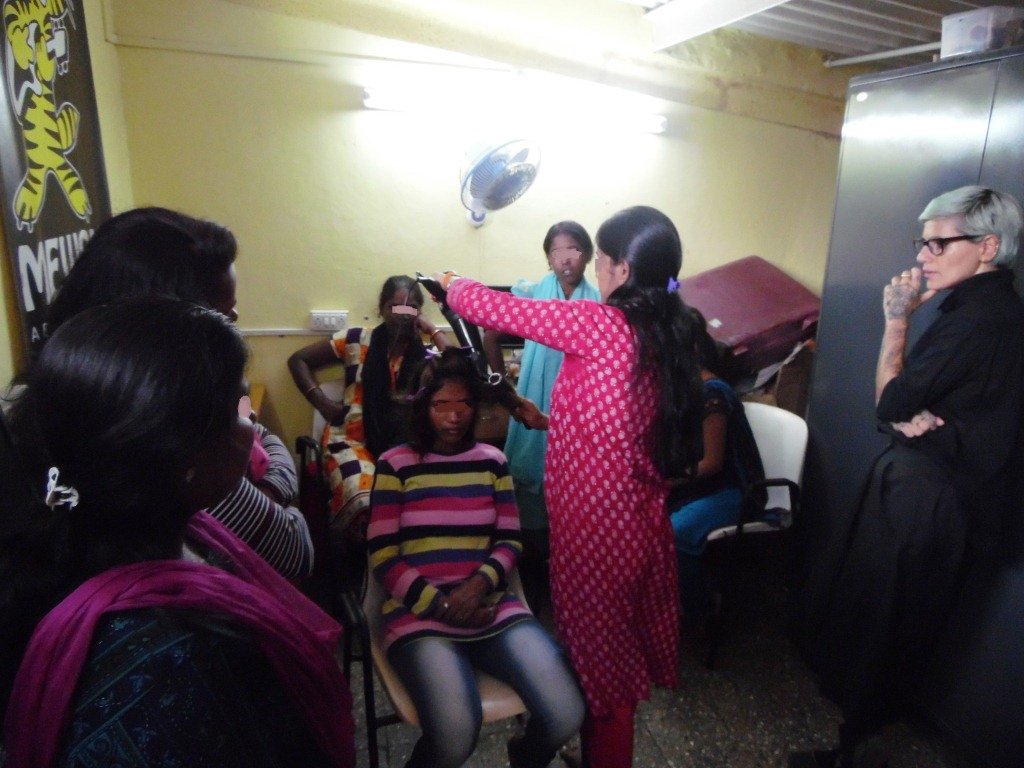
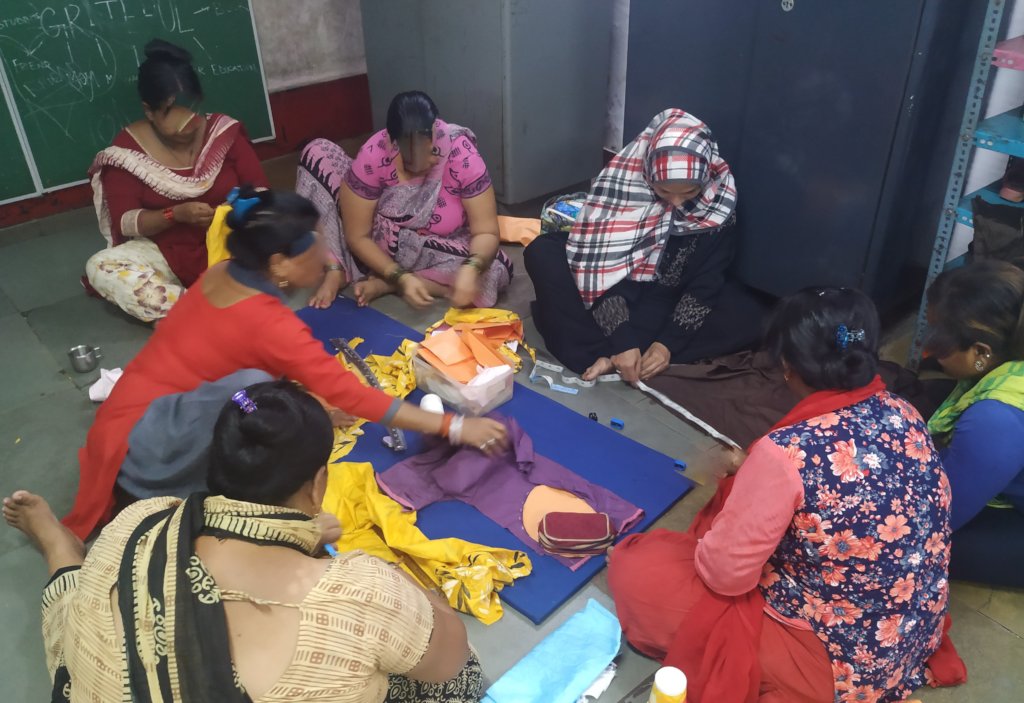
This quarter to empower the beneficiaries and develop their skills tailoring and sewing classes have begun in the center. The beneficiaries have started with the basics of tailoring. These sessions take place three times in a week. The resource person is very good and effective as she uses simple methods to teach because of which the beneficiaries enrolled in the programme are learning at a very quick pace. It has been observed that the beneficiaries enrolled have an interest in the programme hence they take initiative by themselves to even practice during other days.
The beneficiaries have learnt to make small caps for the new born babies. Whenever the beneficiaries learn something new they become more and more positive and start thinking about opening their own tailoring classes someday.
Recreation:
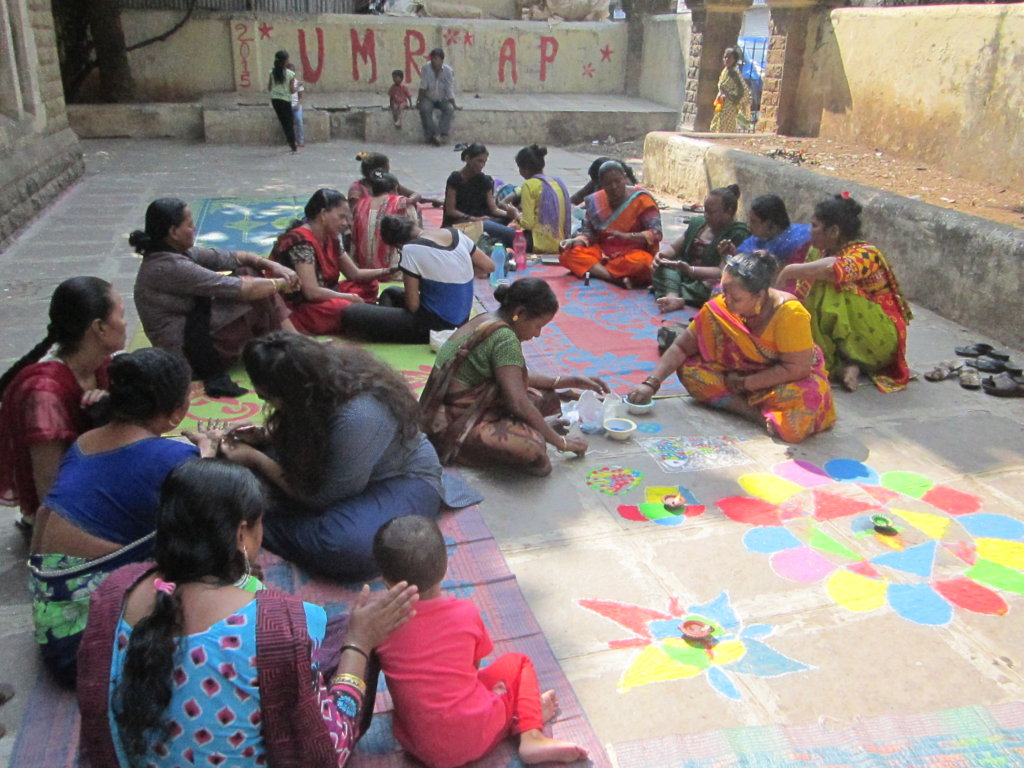
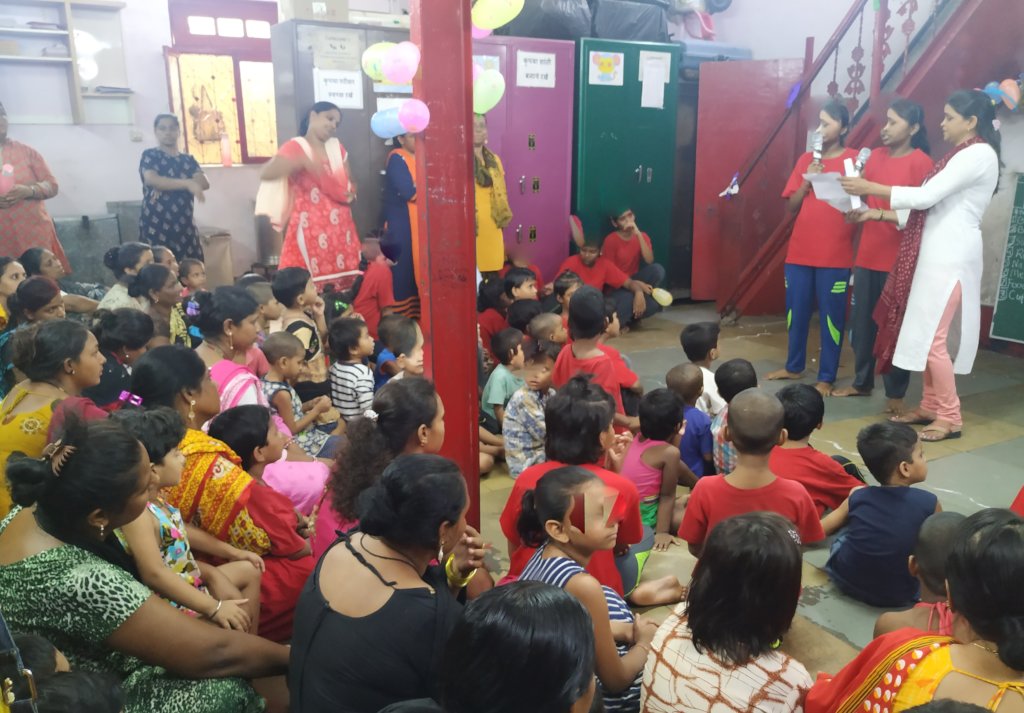
This quarter mother’s day was celebrated for which mothers of Udaan and Umang beneficiaries were invited. Udaan and Umang beneficiaries performed dance and sang songs to appreciate the efforts their mothers take for them. They also shared what they feel about their mothers.
Umeed beneficiaries were happy and excited to see their children performing. Few of the mothers cried during their performance as they felt proud to see their children perform it was the first time that Umang and Udaan younger beneficiaries performed in front of their mothers.
Some mothers were late for the performance, it was observed that they felt guilty that their missed their child’s performance and were apologetic and promised that in future they would not miss it. All the mothers present were happy to see their child’s progress and appreciated the effort that their children took to make their day special.
*all names have been changed and photos have been blurred to protect the identities of our beneficiaries.
Pictures:
Project reports on GlobalGiving are posted directly to globalgiving.org by Project Leaders as they are completed, generally every 3-4 months. To protect the integrity of these documents, GlobalGiving does not alter them; therefore you may find some language or formatting issues.
If you donate to this project or have donated to this project, you can receive an email when this project posts a report. You can also subscribe for reports without donating.