By YSK Prerana | Fundraising and Communications Manager
Know how your funds have been utilised this quarter:
Walking through a dimly-lit and dilapidated building, our outreach team walks up a narrow flight of stairs to finally reach the pinjaras (cages) cramped on the third floor of a brothel. Heaving, they squat so as to be able to communicate with the women sitting around on the cracked floor.
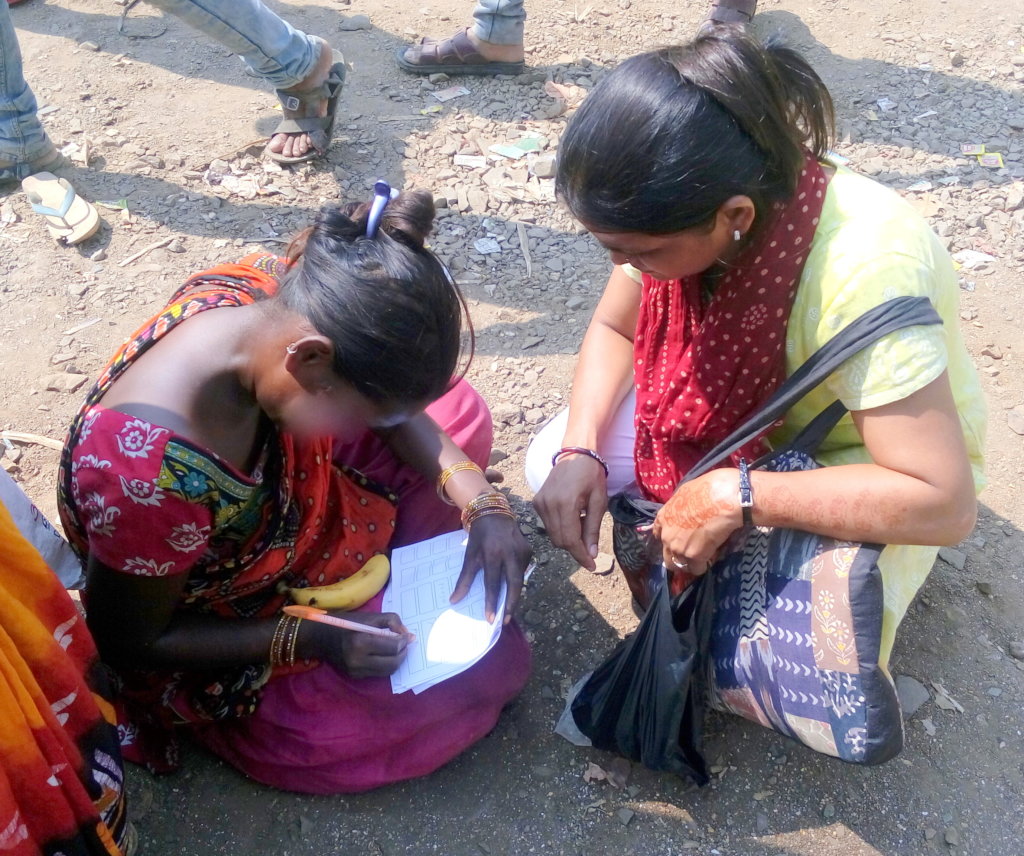
The outreach team starts handing out each of the women a packet of soy milk, protein biscuits and some bananas, along with a sheet of activity paper. ‘Here, we are going to learn some basic English today’, says one of outreach members to the women around. Curious and excited, the women almost immediately start scanning through the activity sheets provided to them. Parvati*, a women trafficked into prostitution at the age 14 asks, ‘Didi, will we also learn how to hold a proper conversation in English? I want to greet my children in English when they come back from school! I want them to feel proud of their mother.’
Outreach:
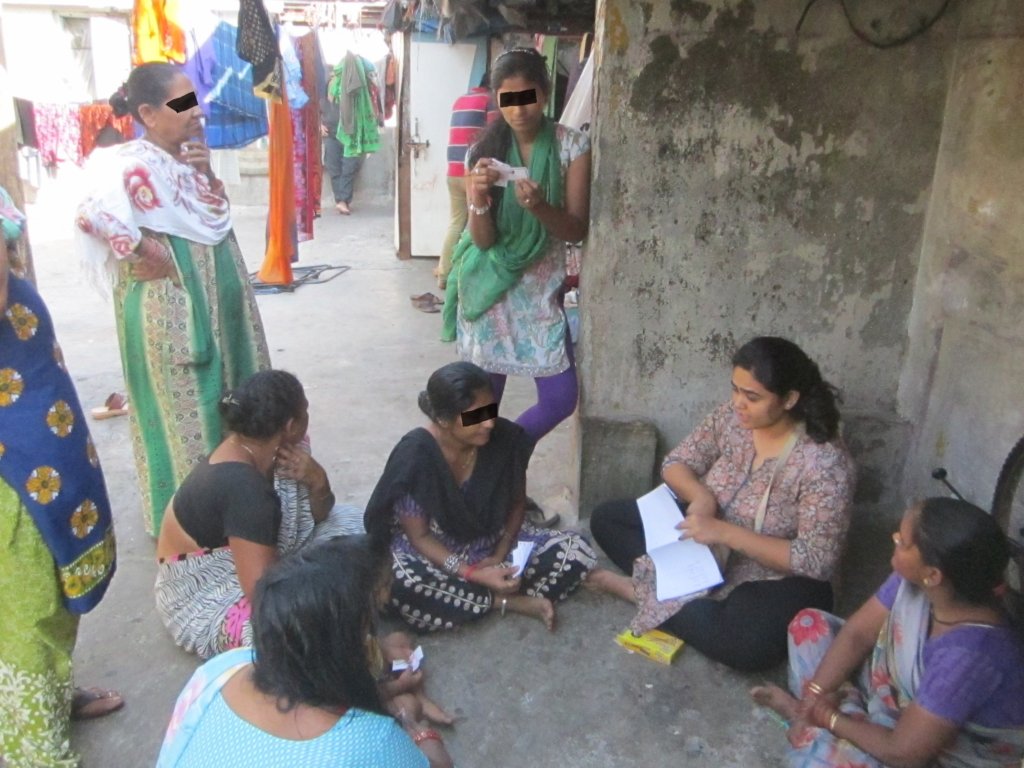
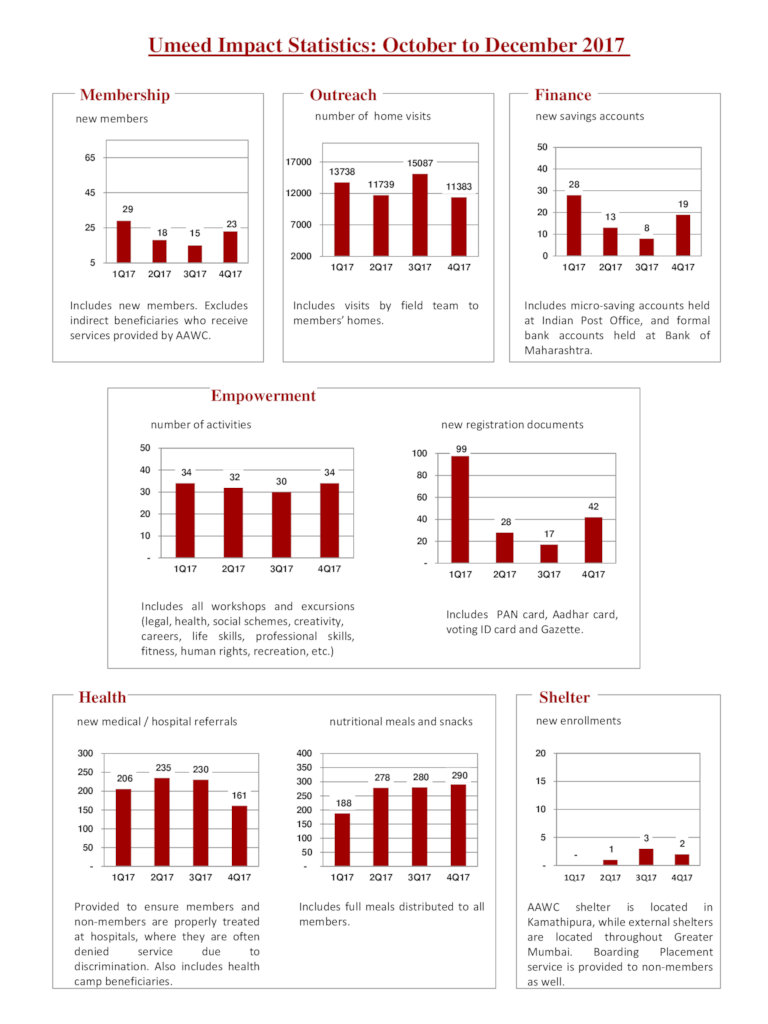
Parvati* is just one of the many women living in the red light district of Mumbai, hoping that someday she would have the skills and stability to leave this trade for a life of dignity outside of the community. At AAWC, we work on facilitating this process into a reality for such women. As the primary contact between AAWC and the women of the red light district, our outreach team provides women of Mumbai’s red light district with regular adult literacy classes, nutritional supplements, health camps, counseling and other emotional support, awareness meetings on topics of hygiene, effective parenting, sexual health etc., financial literacy and other general aid as and when required. Due to the rigorous outreach we conduct, our team has been able to enroll 23 new women under the Umeed program. This is demonstrative of the constant efforts put in by AAWC, clubbed with growing awareness amongst the women to strive for a better life through the resources provided by us.
Education:
We at AAWC recognize the importance of formal education, and the consequences of being unable to access it. Education is a system that is often affected by- and in return perpetuates, many forms of marginalization. Due to their socio-economic backgrounds and due to being trafficked into the flesh-trade at an early age, most of our Umeed beneficiaries have never had any exposure to formal or informal educational systems.
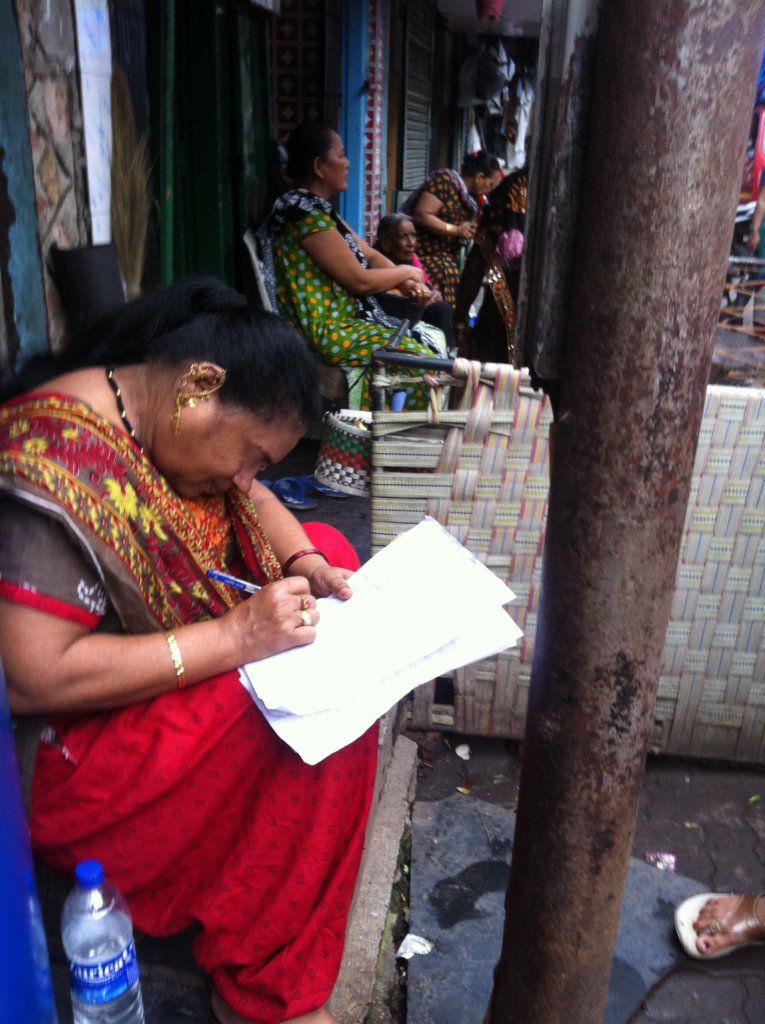
AAWC realizes that providing formal education to women involved in prostitution is not an easy process, and hence we have designed a program that works along with the routine of our beneficiaries. Our outreach team conducts regular adult and financial literacy drives- an important parameter of the Human Development Index, and even provides our beneficiaries with notes and assessment sheets at their homes on a daily basis.
a) Adult literacy
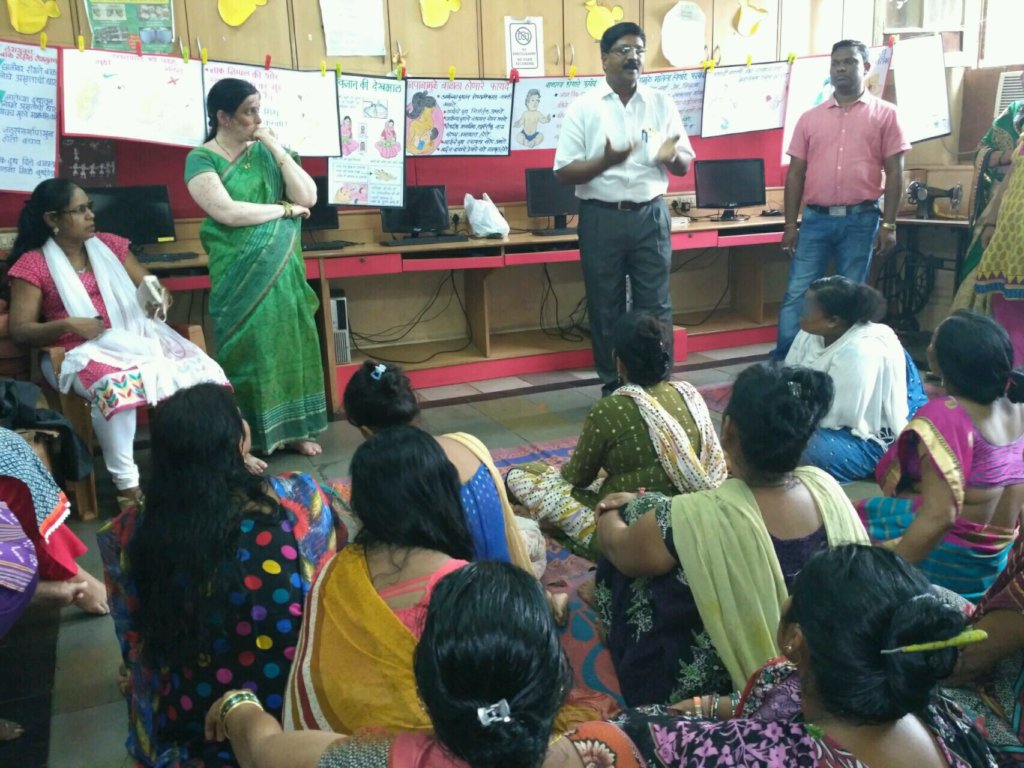
This quarter, we have introduced basic English and Math to our beneficiaries by reaching them regularly within their work area. Along with providing them with constant educational resources and teaching, we have also recently further elaborated parameters to gauge their level of understanding through interactive worksheets and tests.
‘One of the challenges we face as the outreach team imparting adult literacy is, when the police are nearby the community at the time of our classes. Most of our beneficiaries simply abandon all our activities to hide away from the authorities. This creates a lot of chaos, and break in the continuity of our curriculum.’ grieved the AAWC field director when asked about the challenges in providing adult literacy inside the brothels of Mumbai.
Despite such challenges and hindrances, our field team has been successful in reaching, educating and monitoring almost 70 beneficiaries in a month for the adult literacy activities. Considering that access to these women is not easy, and comes with a lot of rapport and trust building – such a large number of attendance in our adult literacy course is a monumental achievement.
b) Financial literacy
Along with the prescribed adult literacy syllabus, we also work on providing our Umeed beneficiaries with specialized financial literacy aid. While working within the community over 20 years, we have recognized the need to spread awareness and bring confidence to our Umeed beneficiaries with regard to the money they earn through the trade. Often, the women are duped by money lenders, community members, like the brothel owners, pimps, temporary partners, family members, etc.- thus trapping the women further in this cycle of prostitution. Upon realizing that financial stability is key for the women to feel safe, and probably even exit the flesh trade- we have created our financial literacy programs to tackle issues of gambling, savings, creating bank accounts, etc. This quarter, almost 15 of our Umeed beneficiaries have been able to open their own bank accounts, after rigorous discussions and support from our outreach team. This shows the positive impact of our financial literacy program on the women’s understanding of financial stability.
Health and Nutrition:
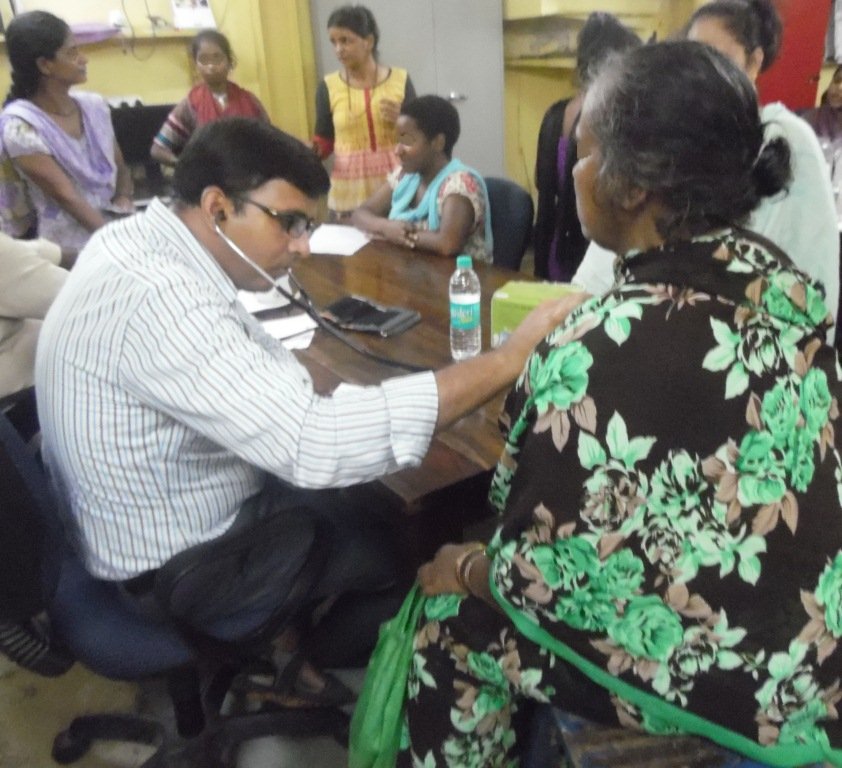
Health, like education, is a basic necessity and a fundamental right of any Indian citizen- as has also been provided in article 21 of the Indian Constitution. AAWC understands the importance of access to quality health care, and has always been proactive about our beneficiaries accessing only the best and certified healthcare professionals. From providing our Umeed beneficiaries with monthly health-checkups to medical referrals to govt hospitals for aiding the HIV+ beneficiaries/ STDs with specialized care, we realize the needs of our beneficiaries and support them accordingly.
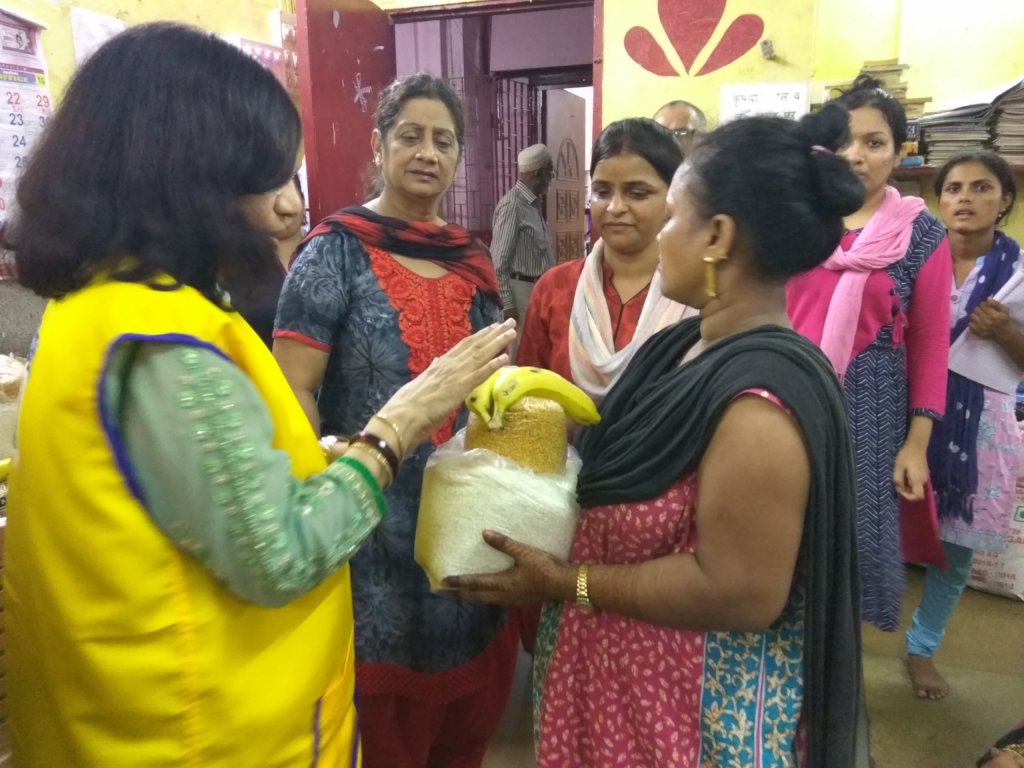
Apart from medical assistance, we also provide our Umeed women with nutritional aid like multivitamin/protein supplements, health packs of soy milk, bananas, moringa seeds, multigrain breads, etc., additional hot meals and snacks as required. We also supply our beneficiaries with access to subsidized/free groceries, so as to enable their potential to cook healthy meals for themselves.
This quarter, around 35 of our Umeed beneficiaries attended the quarterly health camp held in November, with upto 75 women receiving nutritional aid. The number of women attending the health camp took a toll in November due to the celebratory long weekend- Diwali, wherein a lot of women were out of reach due to the holiday mood. The health camp was conducted with the help of government agency, and the only diagnoses made were of season respiratory issues like common cold and throat infection. Apart from this, almost 14 of our beneficiaries were diagnosed with HIV/AIDS in this quarter through the regular health checkups held by AAWC.
Along with direct aid, we also help our beneficiaries in procuring health-based documents like birth certificates, health-cards, required medical prescriptions etc. that ease their access to certified health-care professionals. This quarter, we have helped almost 27 of our women to apply and receive health-cards.
Empowerment:
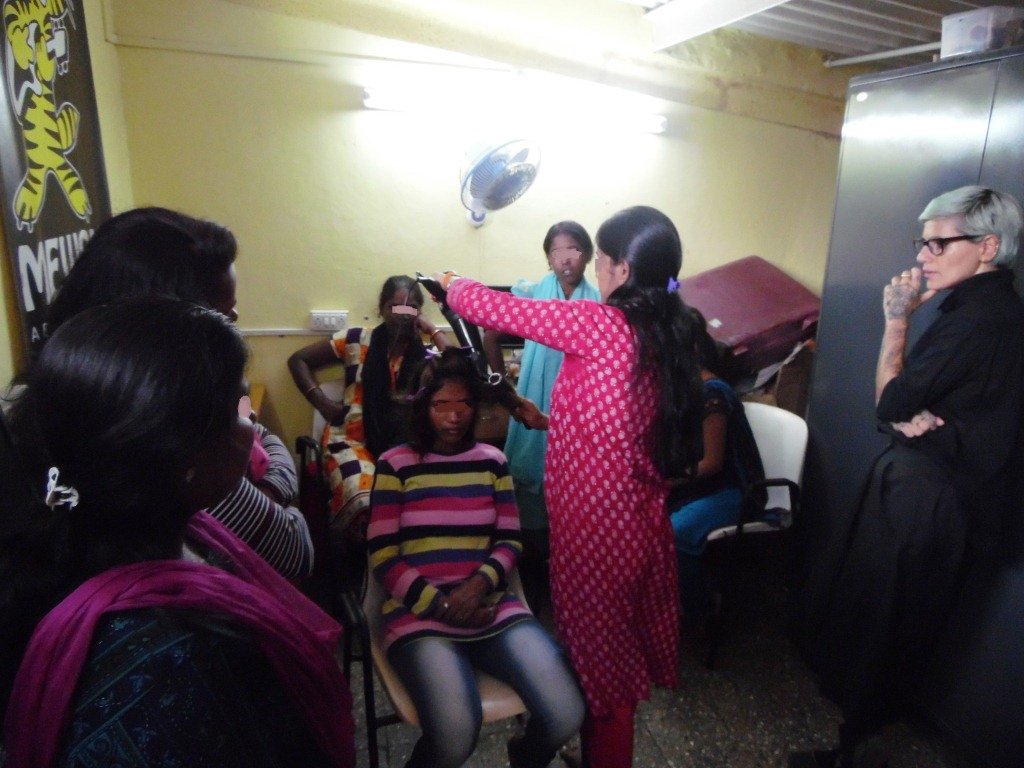
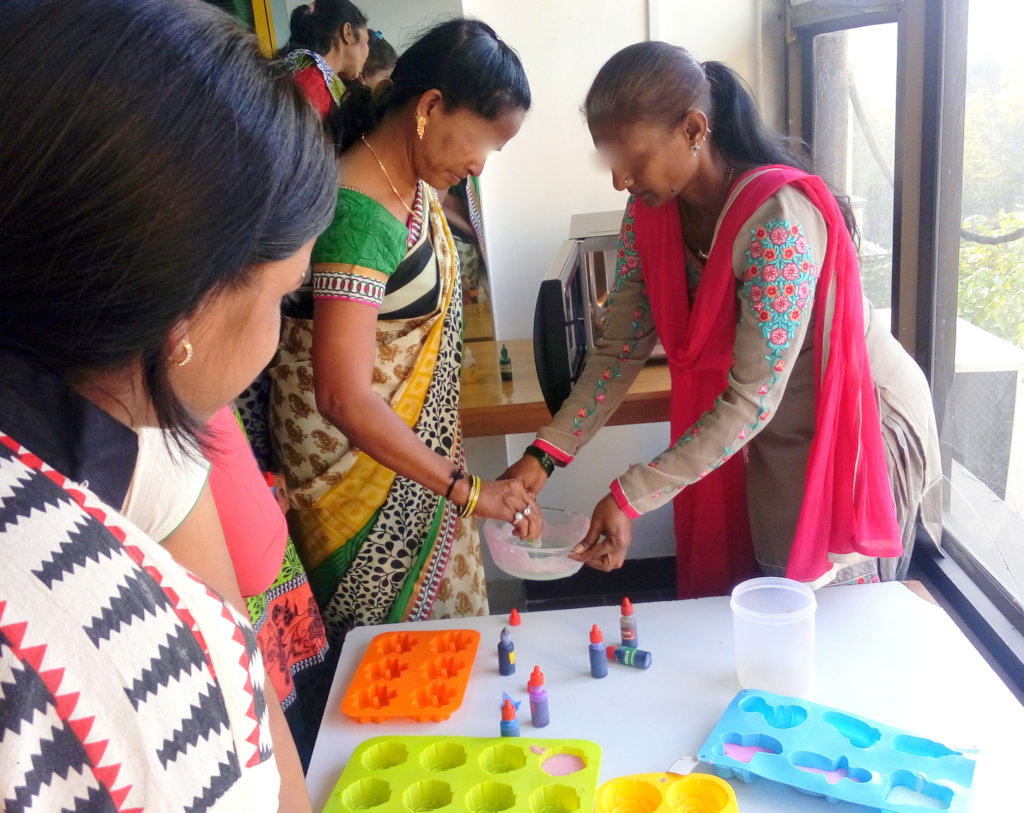
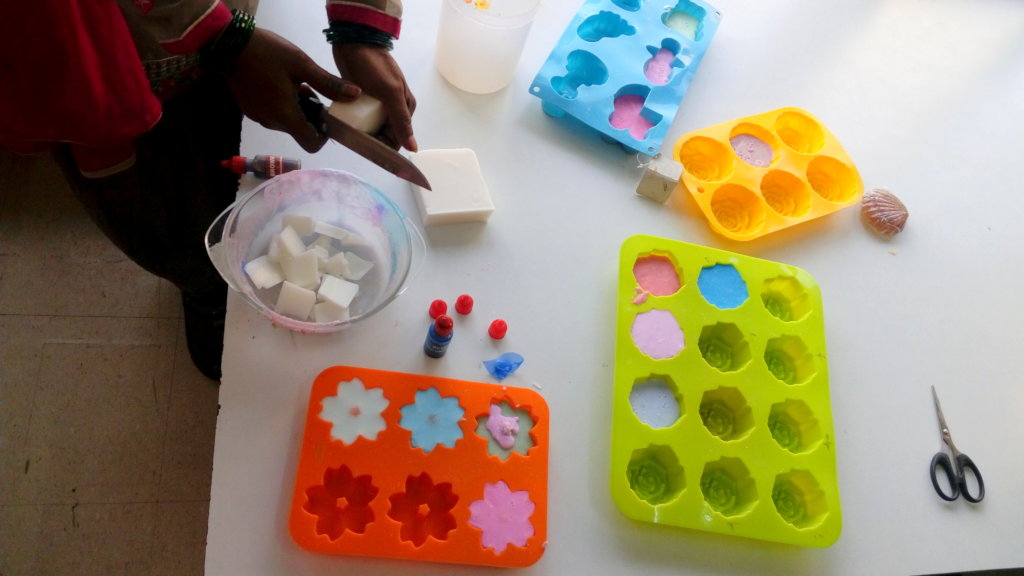
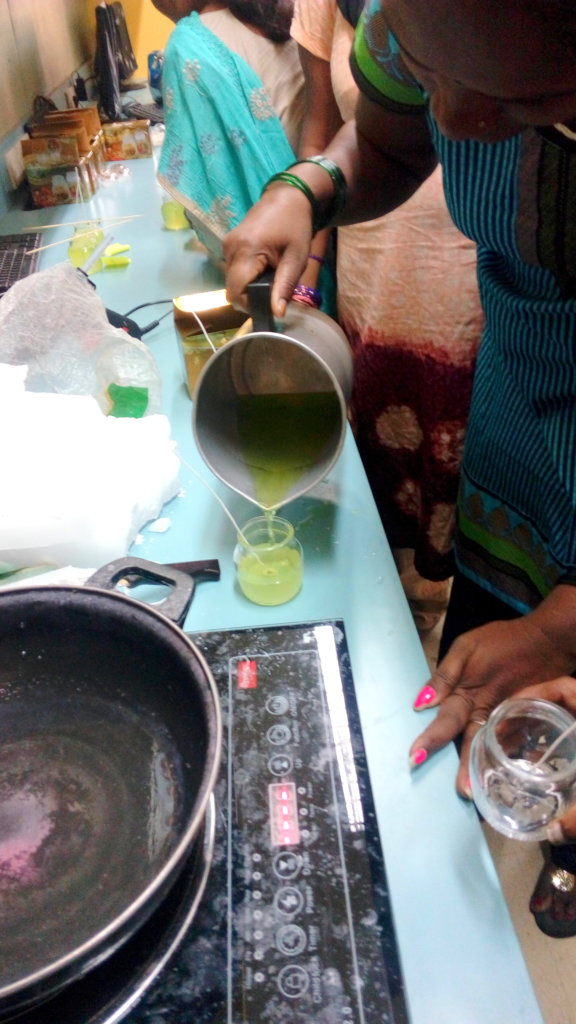
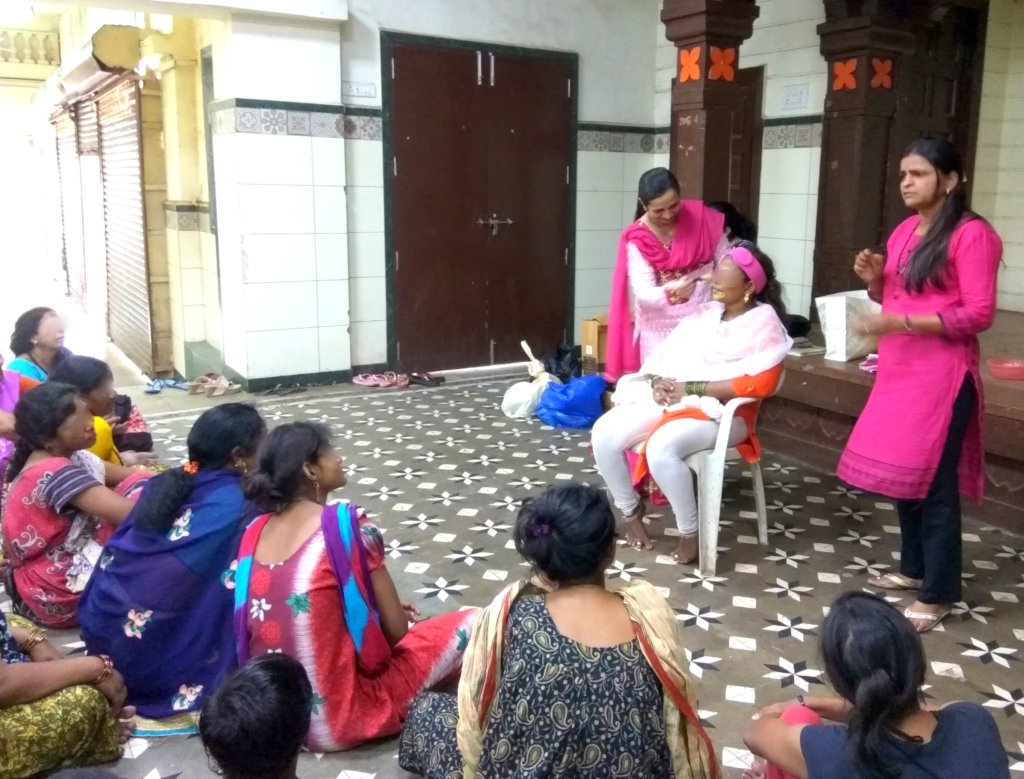
Considering that women get trapped in prostitution at a young age, and are thus unskilled and uneducated for most parts of their lives- we assist and empower our beneficiaries through additional support like understanding bureaucratic activities, vocational training, life skills training, aid with identification documents, etc. This quarter, some of the vocational training courses have been held for beauty-training, and developing cottage industry skills like soap/candle-making.
'I am definitely going to start producing this face mask, not just for myself but for the purpose of selling it at a subsidized rate to other vulnerable women in our brothels who are not allowed to get out.' said Priya*, a 29-year-old woman in prostitution.
We believe that equipping our women with such simple yet financially-beneficial skills will further aid them in leading a life of dignity and sustainability, eventually getting out of the traps of prostitution. This quarter, around 38 of our beneficiaries (including new enrollments) undertook these vocational training courses. Along with empowering them with these skill sets, we also aid them in maneuvering everyday challenges of being members of the red light district- like helping them receiving birth certificates, health, ration and Aadhar cards, other governmental schemes and benefits, opening bank accounts, analyzing official documents, etc. Approximately 40 of the women were provided with such additional support.
We also empower our beneficiaries to advocate and lobby for their own rights. In November, AAWC had collaborated with 48 other NGOs of Mumbai to petition for the usage of viral load testing for HIV+ individuals. Almost 20 of our women had participated in the same, and had an enriching experience learning to fight for themselves.
Counseling:
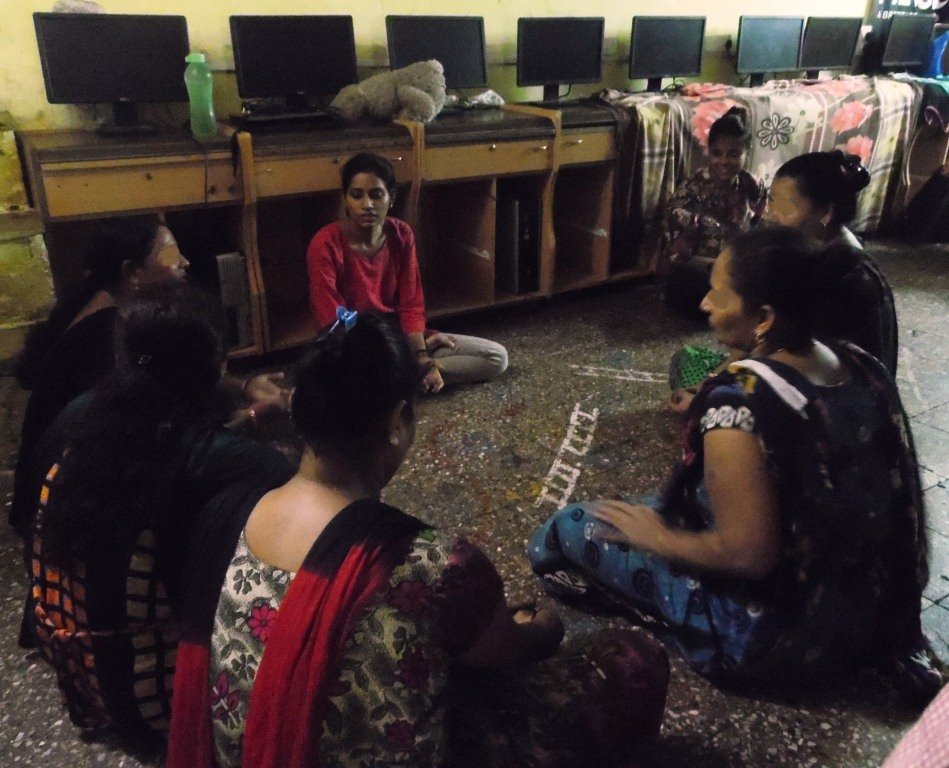
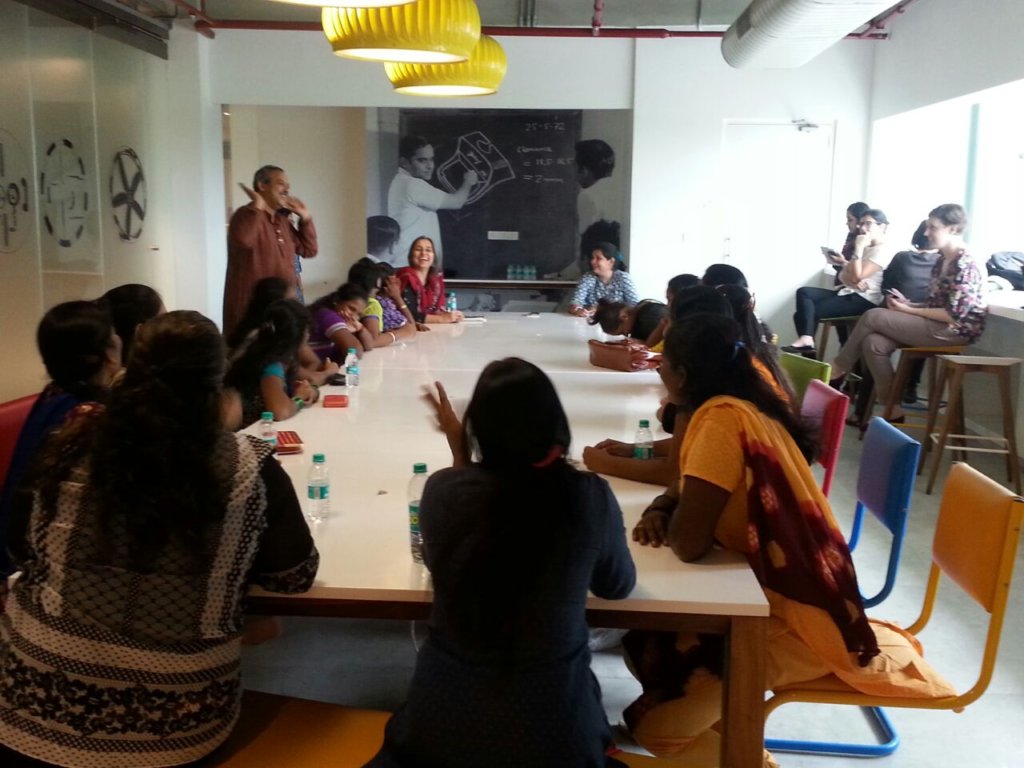
AAWC understands that women in the red light districts go through both mental and physical traumas, and hence deem it imperative to support them through our mental-health assistance. We conduct regular counseling and therapy sessions with all of our women, along with providing specialized discussions on topics such as sexual and menstrual health, substance abuse, personal relationships, effective parenting, healthcare for chronic illnesses, etc. which may have adverse effect on the mental well-being of our beneficiaries.
Most of our counseling happens on the field, while therapy sessions are undertaken on an individual and group basis at our centers. Considering that providing such nuanced counseling within the structures prostitution is almost impossible, we have been able to reach around 35-40 women and help them through many dire situations. Along with this, we also hold macro-level field based activities to promote mental well-being of our beneficiaries. These activities include using performative arts, flyers, group discussions, sessions on yoga and other interactive platforms to spread awareness about emotional well-being and the many ways of achieving the same especially as women living in this community of flesh trade.
Home visits:
Home visits are an important and fundamental element of our Umeed program. Considering the trade our beneficiaries are employed in, our home visits require utmost sensitivity and planning. Home visits also ensure that we are constantly in touch with our beneficiaries, and available to aid them even in situations where they can’t visit us at our centers. During such visits, we try to gain access into the lives of our beneficiaries and support them as required. This is absolutely vital taking into account the dangers of working in prostitution.
These visits also act as a great space to bond with the women about their children- who are usually enrolled under our Udaan/Umang programs. As a lot of the enrolled Umeed women are often constricted by finances, time and the agency to make their own choices within a brothel- these circumstances lead to them neglecting or (sometimes) abandoning their children at our centers. To bridge this gap in their relationships, we make sure to discuss the importance of motherhood and positive parenting with our Umeed women. Without our outreach team’s home visits, we would be unable to create such an intimate and positive rapport with all our beneficiaries.
Some of the home visits this quarter were undertaken to discuss with our beneficiaries about sending their children to school, following up on one’s ART (for HIV+ women) procedures and medication, checking in about a possible Tuberculosis diagnosis, and a welcome visit for a mother of a newly enrolled Balwadi (kindergarten) beneficiary.
Recreational visits/activities:
Recreational visits are activities that often lead to the bonding between AAWC and our beneficiaries. Apart from creating rapport, such visits help us create trust and incentivize positive behavior from otherwise authoritative figures like- brothel owners and pimps. We make it a point to include most female pimps and brothel owners in our recreational events/activities so as to create a positive relationship with them. It is imperative to create such a relationship given that these authoritative figures are our points of contact with the women trapped in prostitution.
This quarter, we undertook innumerable recreational activities like the annual picnic, beach visits, interactive activities like art and crafts, witnessing drama, etc. One of the grandest activity was the annual day-long picnic mentioned above. Almost 50 of our Umeed beneficiaries visited a local religious/cultural monument- Prati Shirdi-Balaji. Along with providing them with the transportation, we also provided them with regular meals, snacks and entertainment throughout the day.
‘It is an unusual but happy feeling to drop our mothers at the center. Usually, it is our mothers who drop us at the AAWC center everytime we are leaving for such picnics but it is our turn now. I feel so responsible and mature doing this.’ Giggled a young *Riya, when asked about her mother’s picnic.
Even for our Umeed beneficiaries, it was an extremely positive experience with many of them giddy about the respect and joy they received from AAWC through such events.
Celebrations:
At AAWC celebrations take place throughout the year. In this quarter, one of our most cherished celebration was of Diwali.
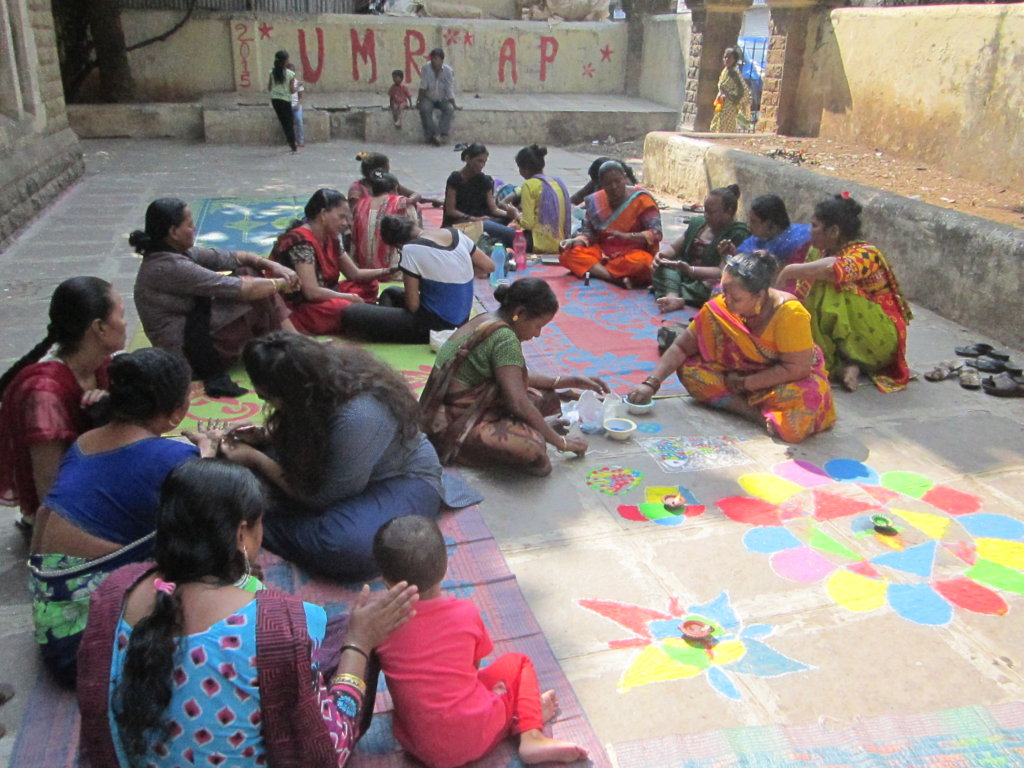
Diwali is a pan india celebration of the win of Good over Evil, and is often known as the ‘festival of lights’ for its high usage of lanterns as a decorative equipment. Our Umeed beneficiaries volunteered to draw and decorate the floors with beautiful Rangolis with the colours provided to them. The program manager requested the beneficiaries to light the lamp, and the beneficiaries where delighted to do the honors.
The manager and the outreach team narrated the legendary story behind the celebration of Diwali from the epic of Ramayana. The beneficiaries played games, danced and sang songs with the staff members. The meeting concluded with special festive refreshments- Samosa, Besan laddo (famous Indian sweet-balls made of flour), potato chips and juice. We bid farewell to the beneficiaries on a sweet note by giving them Diwali gift packets with diyas created by the former beneficiaries, sari and assorted snacks.
Project reports on GlobalGiving are posted directly to globalgiving.org by Project Leaders as they are completed, generally every 3-4 months. To protect the integrity of these documents, GlobalGiving does not alter them; therefore you may find some language or formatting issues.
If you donate to this project or have donated to this project, you can receive an email when this project posts a report. You can also subscribe for reports without donating.