By Adrien Coron | International Volunteer
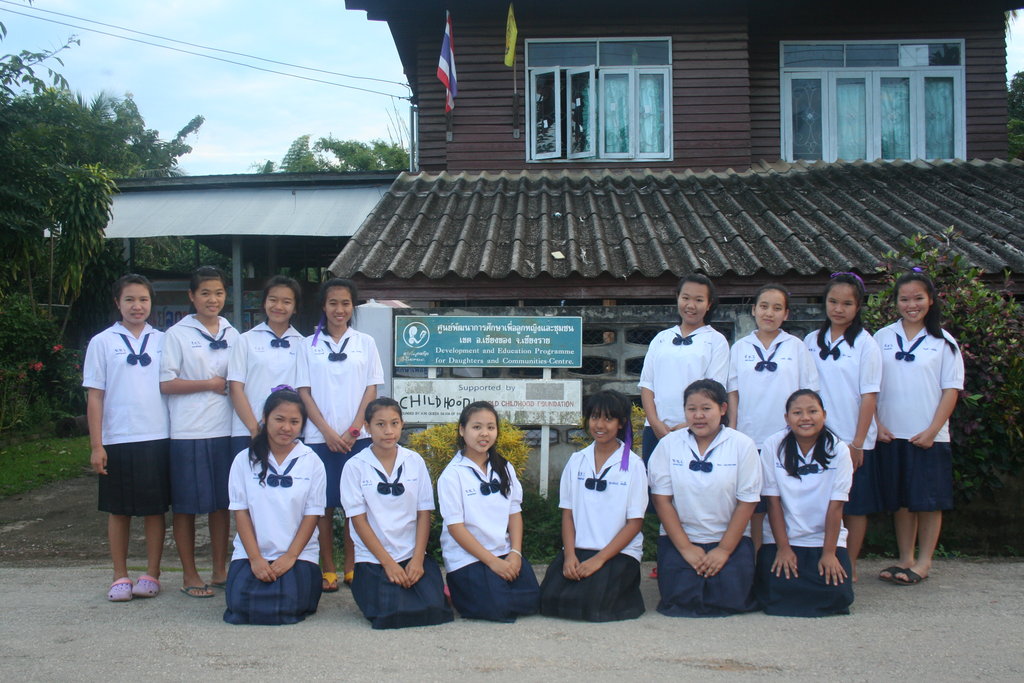
Since our last report in May 2014, life in Northern Thailand goes on with the Southeast Asian monsoon season bringing rain nearly every day. The 15 girls of the safe shelter are back to school and the director of the project in Chiang Khong, Ms. Puangthong Takan, recently received a visit from three International Volunteers who work at the DEPDC / GMS Mae Sai site to explain the main human trafficking issues and processes in the region. So, this an occasion to give further explanation about our organization's effort to fight against child trafficking in the region, which is not limited to this safe shelter project.
The location of this safe shelter for vulnerable ethnic minority girls was chosen strategically. International border areas are often critical areas for all kinds of trafficking. The Thai – Lao border is especially sensitive for human trafficking, because of the difference of economies between Thailand and Laos and because of the ease to cross the Mekong River which separates the two countries.
The recent increase in Thailand's national minimum wage to 300 baht (about 10 USD) per day has led to an increase in the recruitment of cheaper labour from Laos, since most businesses cannot afford to pay local (Thai) labourers at this rate. Furthermore, this region is not as developed as other parts of Thailand. It is mainly rural and many different ethnic groups live there, such as Thai Yuan, Leu, Lao, Kamu, Yao, Lahu, Mong, Chinese Hor, and Akha.
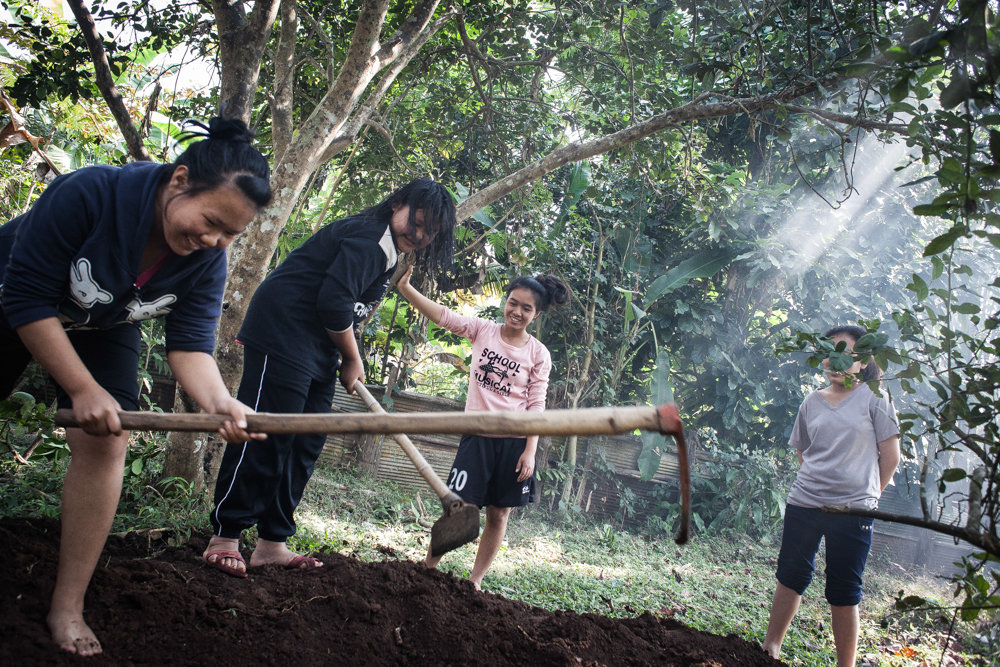
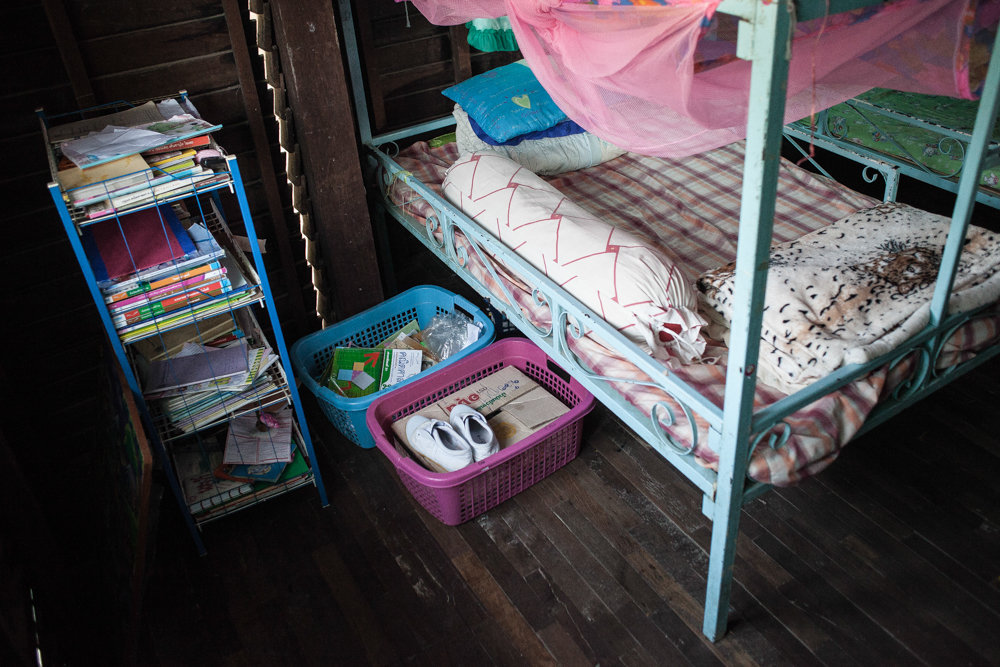
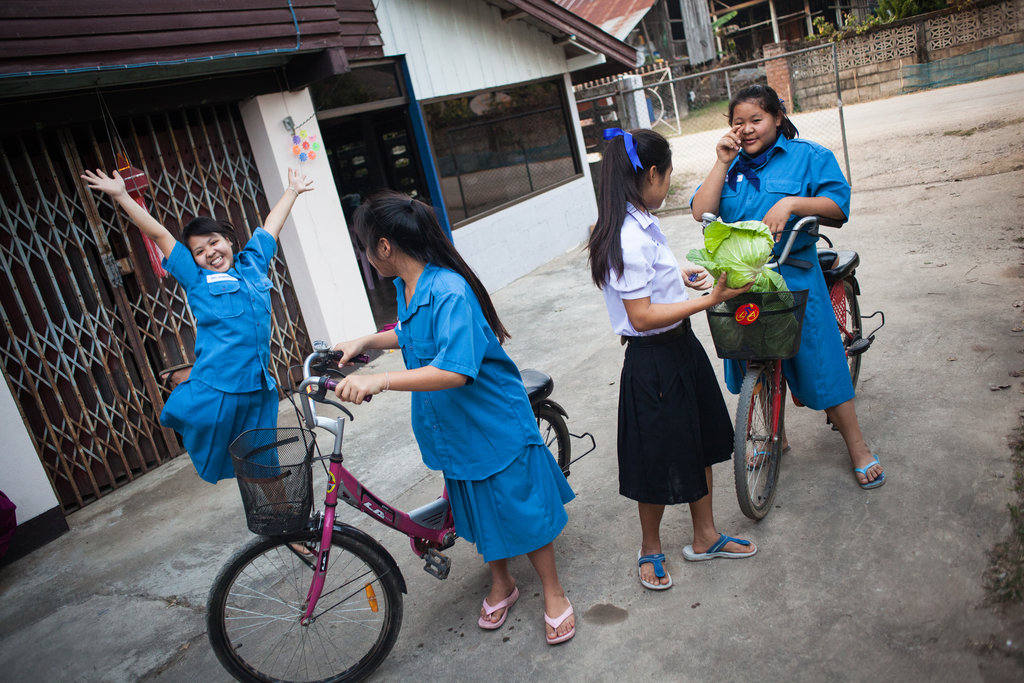
The Chiang Khong safe shelter is home to 15 girls, who are at very high risk of being forced or lured to into exploitative work, especially the commercial sex industry. This solution is envisaged when a girl’s environment (family or caretakers) is unsafe for her. The protection project provides them with a safe place to live and grow, an opportunity to study in public school (scholarship, uniform, educational supplies…), healthcare, food, and an on-going variety of vocational and life-skills trainings.
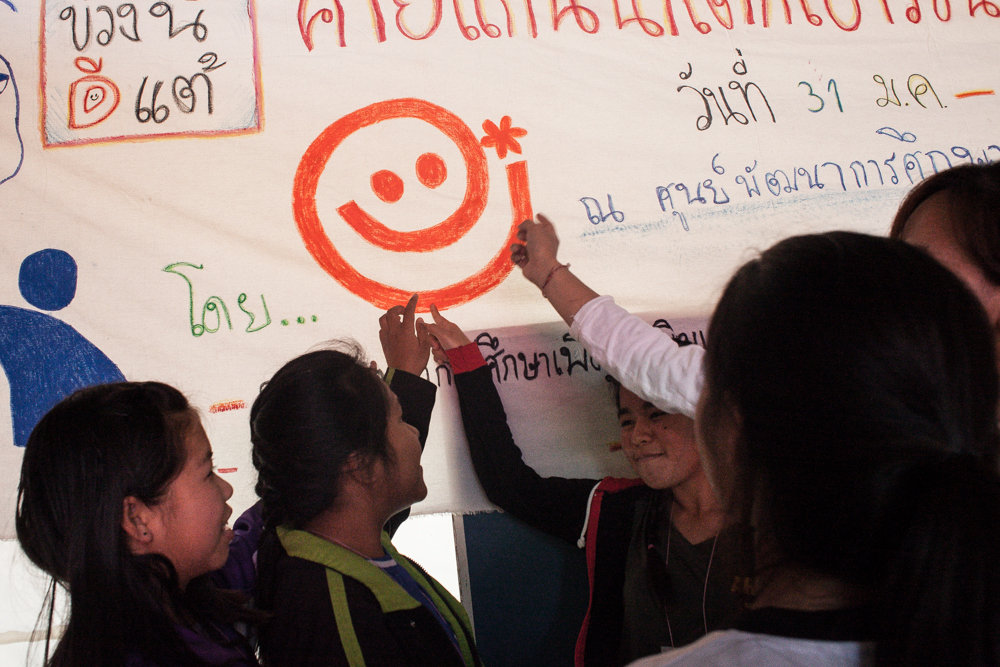
The work of this project is not limited to shelter protection of the 15 girls, however. Despite its limited capacity to host these children at risk, project staff also oversee a wide range of field research and intervention work. They first identify the children who are most at risk of being trafficked in poor, vulnerable villages and then conduct prevention work through awareness-raising workshops directly to their communities. There is also provision of financial assistance to vulnerable non-resident children to cover their school fees, because the project's mission aims to provide access to education as the first critical step in the prevention of child trafficking.
The Chiang Khong protection project is also the origin of an efficient prevention and protection network that involves governmental and non-governmental organisations, schools, health and social services, and concerned village residents. The network collaborates with the children's families and communities on many issues related to human trafficking such as HIV/AIDS prevention and care, drug addiction awareness and treatment, statelessness, child and labour rights, and child abuse prevention.
We would like to thank you so kindly for your help and generosity, which allows the safe shelter protection project to have a deep, long-term. and responsible impact at all stages of the child trafficking prevention process.
Links:
Project reports on GlobalGiving are posted directly to globalgiving.org by Project Leaders as they are completed, generally every 3-4 months. To protect the integrity of these documents, GlobalGiving does not alter them; therefore you may find some language or formatting issues.
If you donate to this project or have donated to this project, you can receive an email when this project posts a report. You can also subscribe for reports without donating.