By Geetika Chandra | Development Manager and PR
A sense of belongingness help in sustainability of Self Help Groups
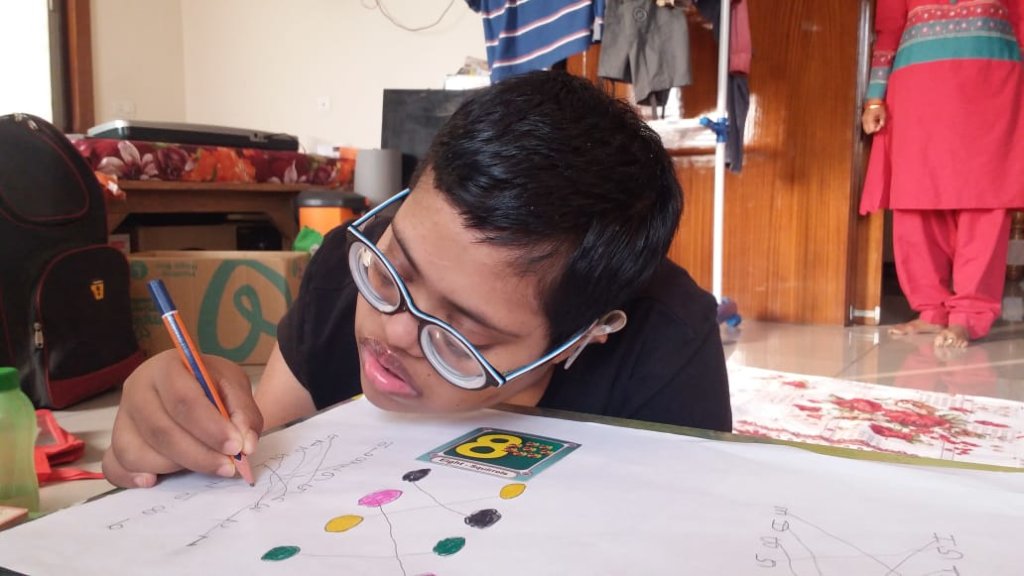
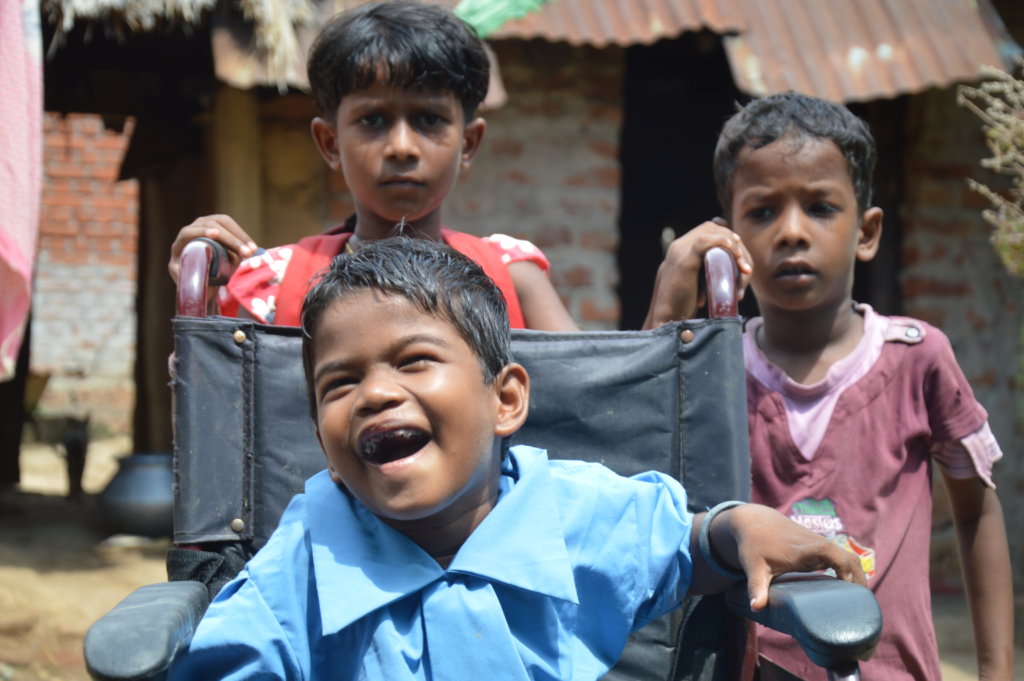
Aaina has been working for people with disability for more than 16 years in the state of Odisha, India. People with Disability remain one of the most marginalized group especially women and children. People with disability are often excluded from different livelihood schemes and children with disability from academic education system.
Most often Aaina adopts CBR (community based rehabilitation approach) with a thrust on inclusion to rehabilitate the People with Disability (PwDs) in the project areas. Formation of Self Help groups to facilitate livelihood and self management of people with disability is one of the basic strategies of Aaina. In 2002 Aaina had helped in the formation of more than 130 Self Help Groups in the operational areas. . It was a success in terms of number of SHGs formed. The target population was made to realize their potential and was provided necessary support whenever required for their formation and carrying out the activities. With a period of time it was assumed that the group members have been capacitated enough and can survive without further direct support from Aaina. As Aaina weaned from providing direct support to the group members, a sense of insecurity grew in the members. The members expected Aaina to continue as service provider in the long run and expected Aaina to intervene every time in case of any issue. Few of the members were unable to pay back the loans on time taken from bank which further harmed their image as trusted group members. Banks slowly hesitated from providing further loans. With the result, only 30 SHGs remained active.
Absence of sense of ownership among group members was perhaps one of the major reasons for the collapse of many SHGs formed. Aaina provided support whenever necessary but could not create a sense of belongingness in the group members. Aaina was perceived as an agency that would be available to carry out the activities on behalf of the group. The switch of responsibility from Aaina to group members was not smooth making members unable to sustain on their own.
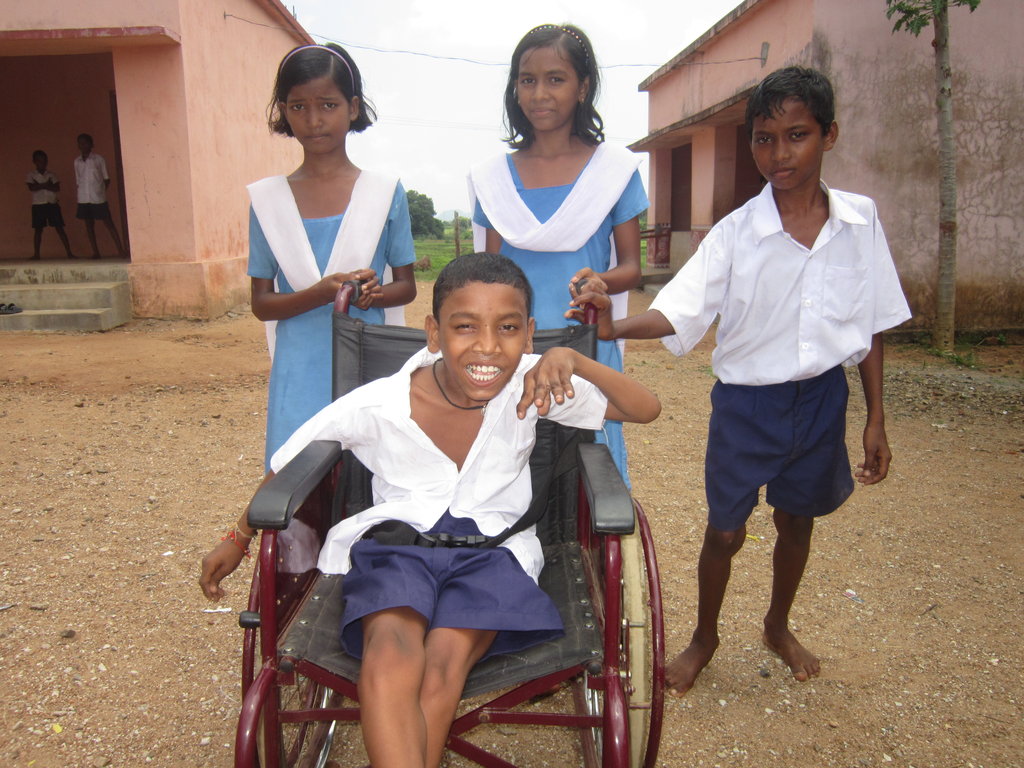
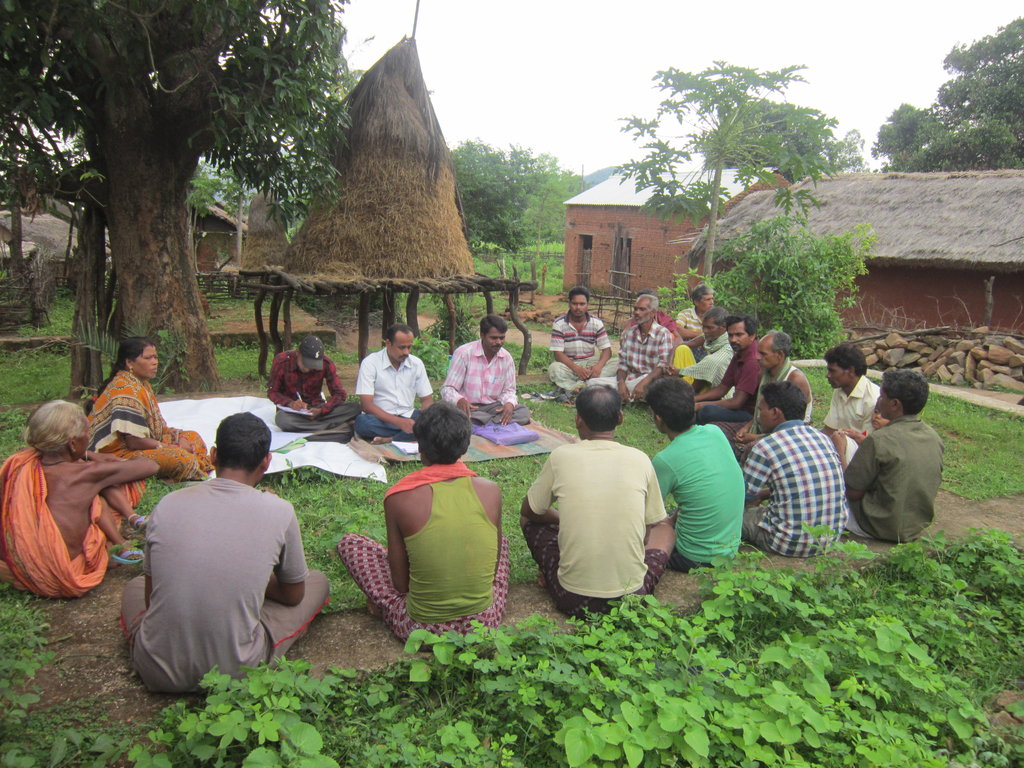
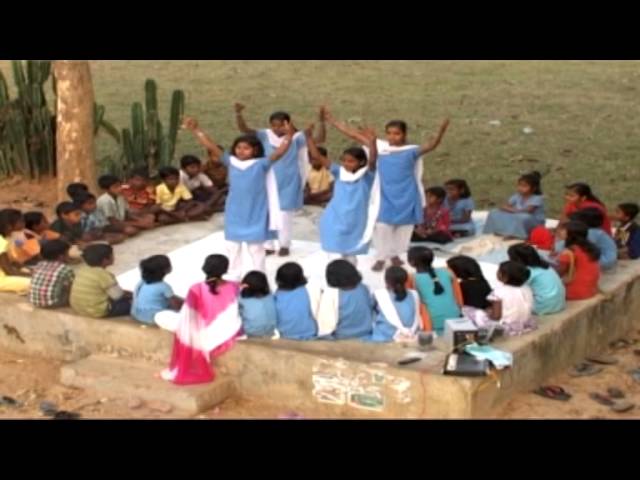
In 2011, Aaina joined hands with PACS to work on “Towards Inclusion” project with an aim to facilitate livelihood of People with Disability by linking them with livelihood opportunities such as MGNREGA, creating awareness about different facilities and schemes and promoting inclusive education. From past experience, Aaina was aware of the importance of not only promoting formation of SHGs of PwDs but also creating a sense of ownership and belongingness in each member. This was done right from the beginning of the project by strengthening of target labourers/ workers, PwDs and children and helping them to take active role in inclusion issues. Shramik Sangha(Labour Unions) and DPOs (SHGs of PWDs) were formed where each member had a defined role to play and was empowered to collectively demand to ensure the rights of the target group. Children with disability were made members of Children club. Role definition of each member of CPC and Shramika Sangha were defined and access to right information created a sense of responsibility and belongingness. The members have been capacitated to demand their rights to livelihood and education through proper means.
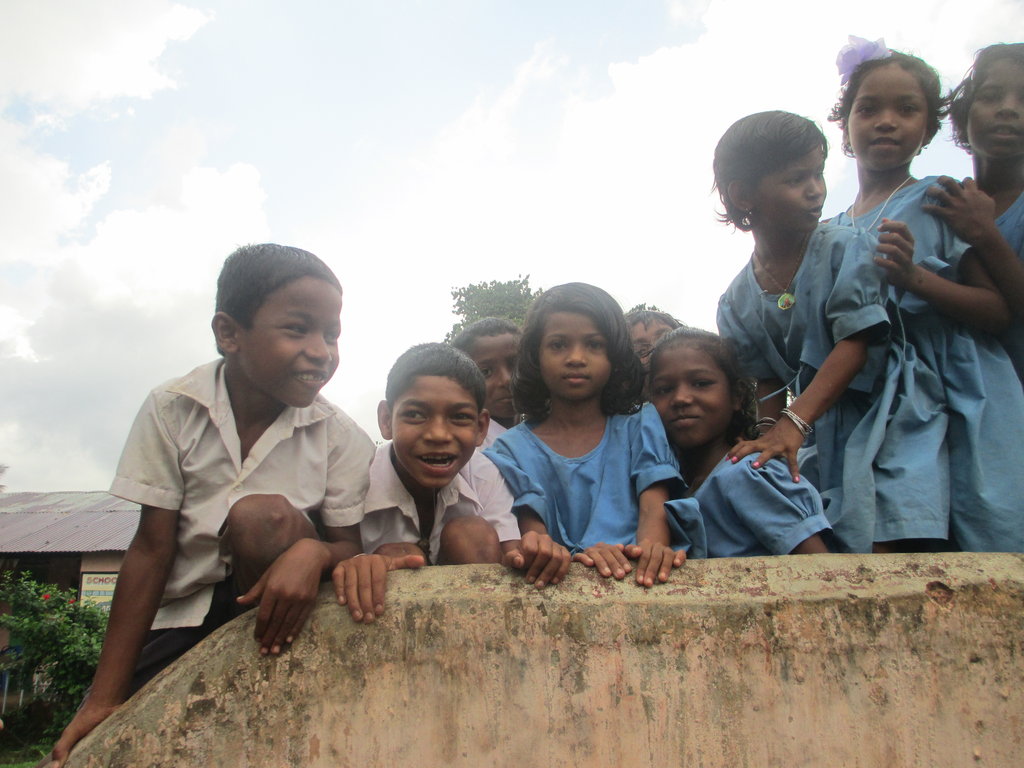
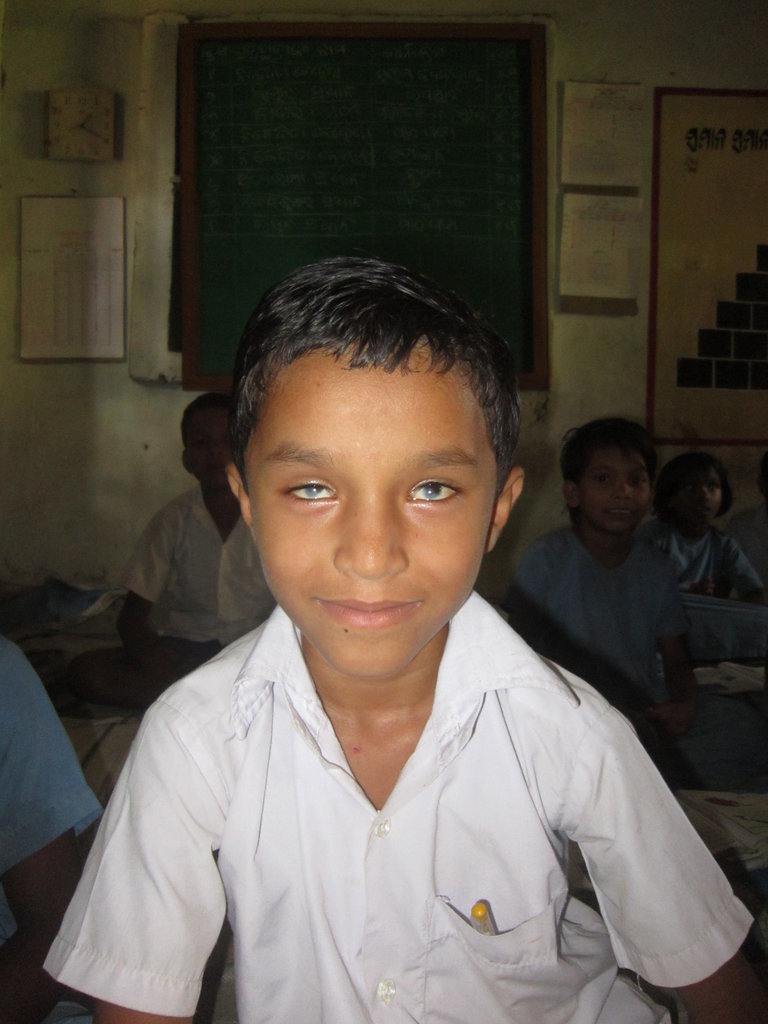
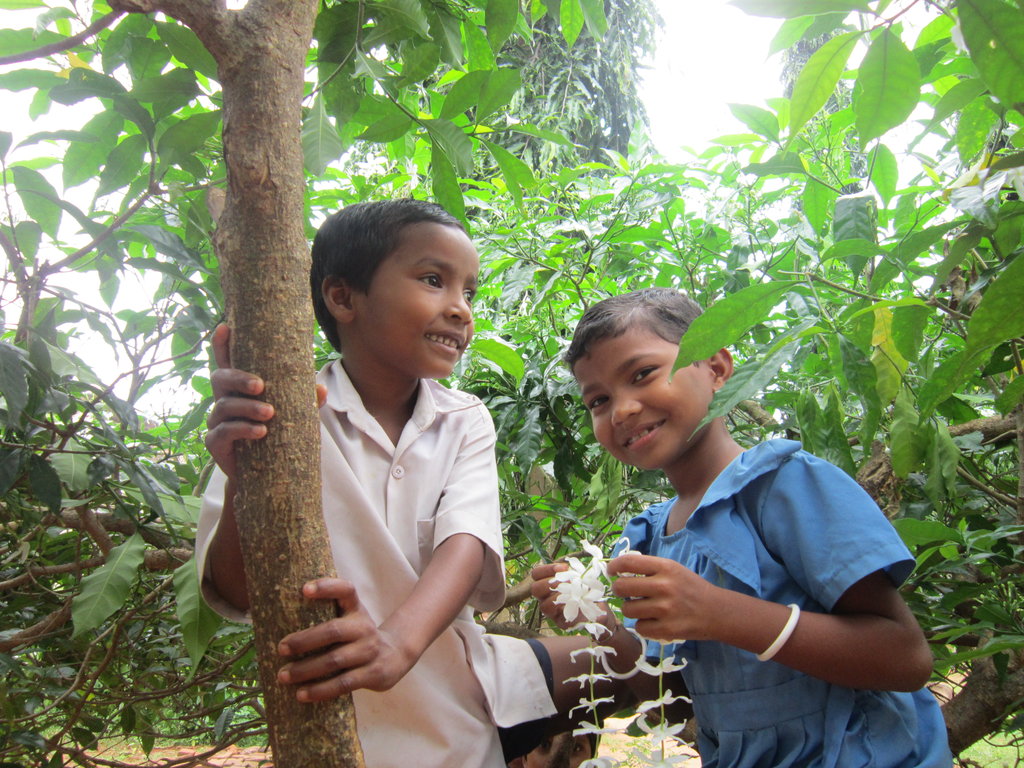
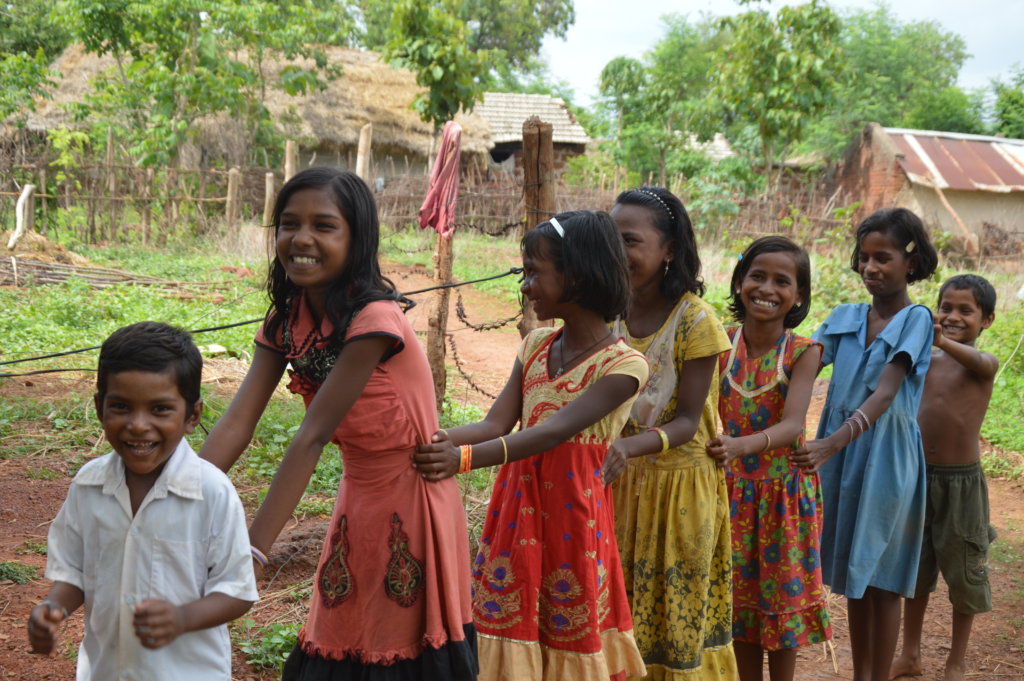
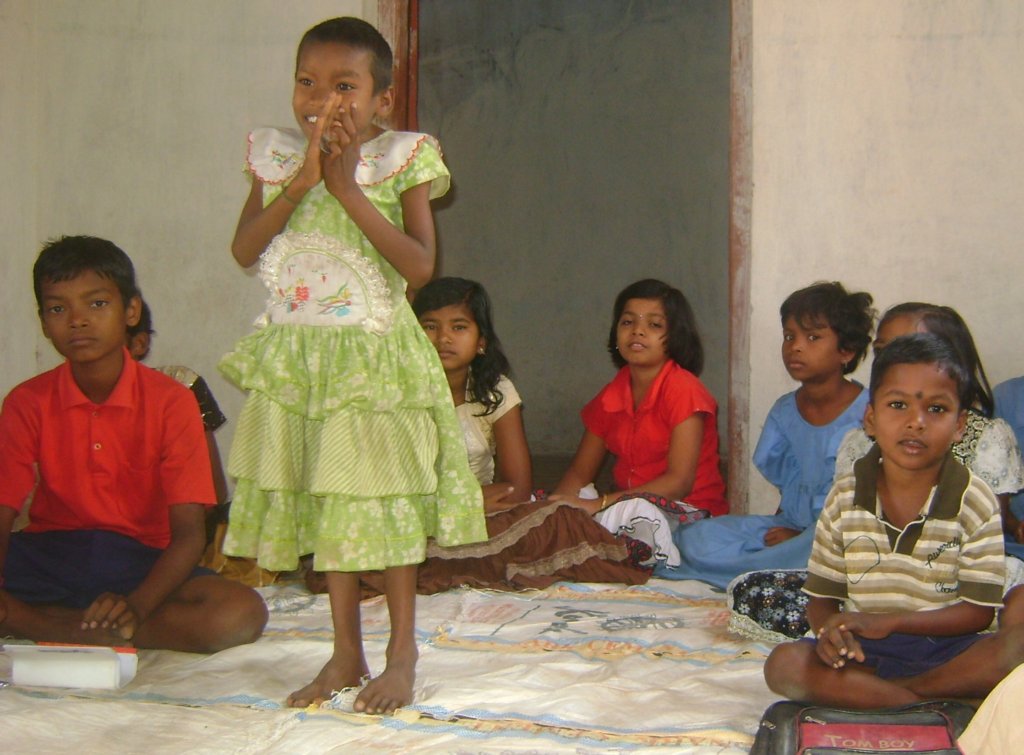
Today there is an active involvement of CPC and SMC members as well as parents, volunteers and Children’s Clubs in addressing the issues of exclusion in and out of school. Enrolment, attendance and retention of marginalised children e.g. girl children, children with disabilities, child labors, children belongs to SC & ST and other excluded communities in elementary and secondary school were ensured. 728 dropped-out and out-of-school children enrolled in schools and 315 of them are from Socially Excluded Groups.
Also, men and women from the excluded communities have now increased access to livelihood through MGNREGA and other poverty alleviation schemes in a collective manner. The ShramikaSanghas & PWDs groups have gained the strength to act as pressure groups for the socially excluded.
Project reports on GlobalGiving are posted directly to globalgiving.org by Project Leaders as they are completed, generally every 3-4 months. To protect the integrity of these documents, GlobalGiving does not alter them; therefore you may find some language or formatting issues.
If you donate to this project or have donated to this project, you can receive an email when this project posts a report. You can also subscribe for reports without donating.