By Alhousseini Issa Maiga, Ingenieur | Vice-President BERADA
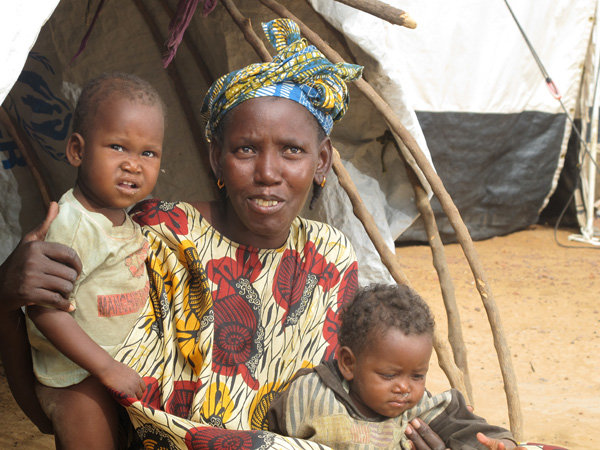
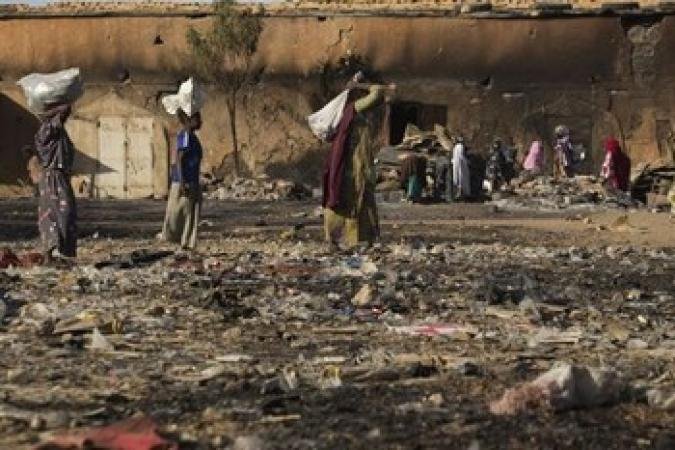
Since January of 2013, the people of the Gao region of Mali and the Circle of Gao, have been victims of terrorist attacks that have created an acute food crisis. These attacks are occurring on top of the already short supply of food in the region caused by a multi-year drought.
Last summer Food First’s Global Giving donors contributed to Food First’s Global Giving campaign to fund a farming/gardening project, Seeds and Pumps for Gao, Mali, administered by our Mali partner, BERADA.
The 2013 funding provided:
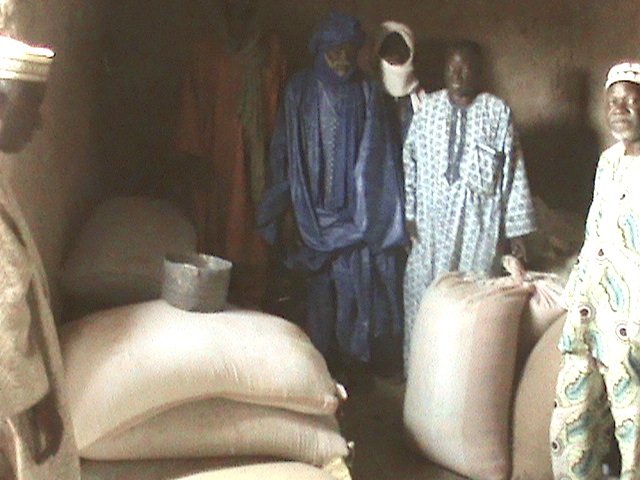
• 150 bags of paddy rice seeds for 30 Gao, Mali villages; and
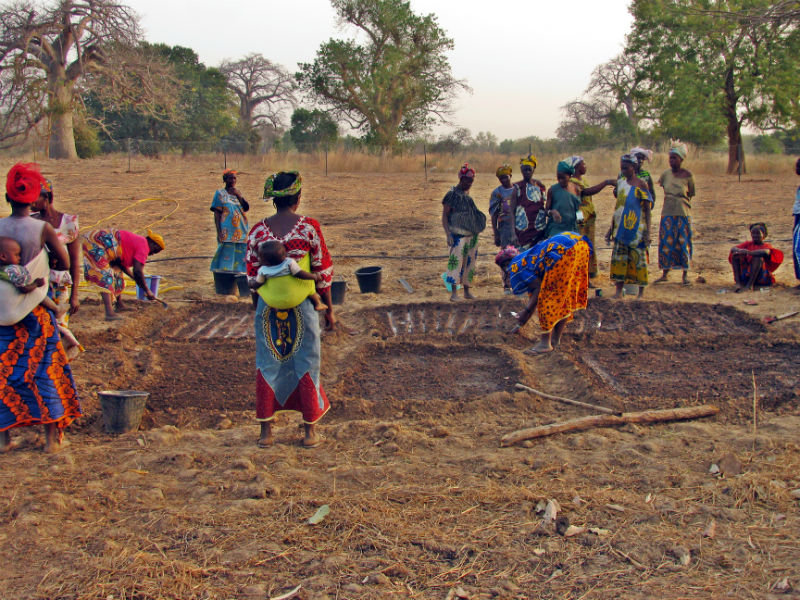
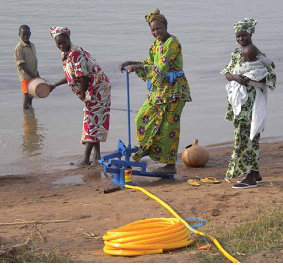
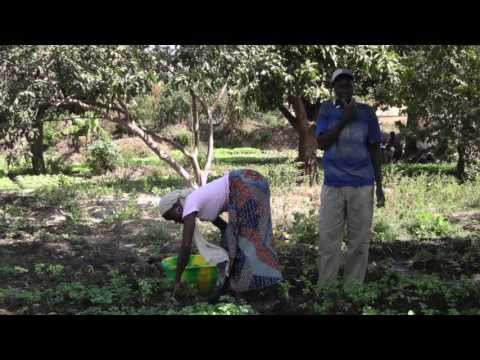
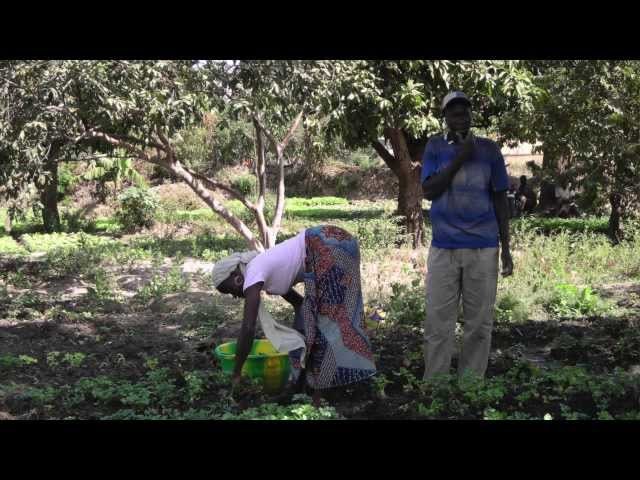
• 5 Chiwara pumps in 5 women’s vegetable gardens plus seeds for those gardens.
This BERADA report provides the results of that first planting and growing season of 2013-14.
What was the impact on the people of Gao who benefitted from these 150 bags of rice paddy seeds; 5 water hoses installed in the rice fields and 5 Chiwara pumps in the gardens of women's associations?
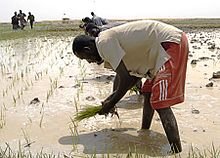
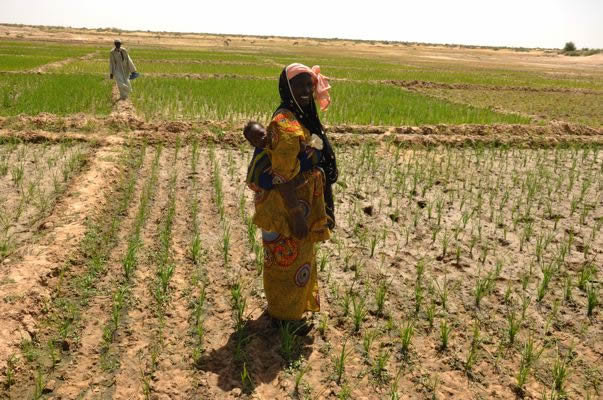
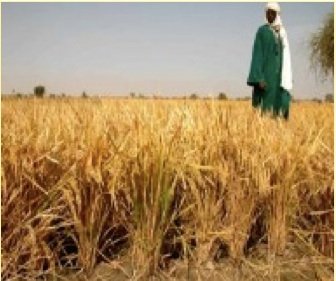
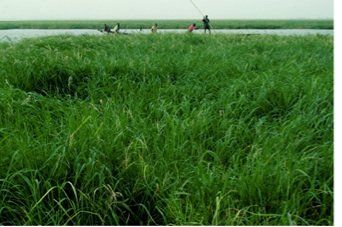
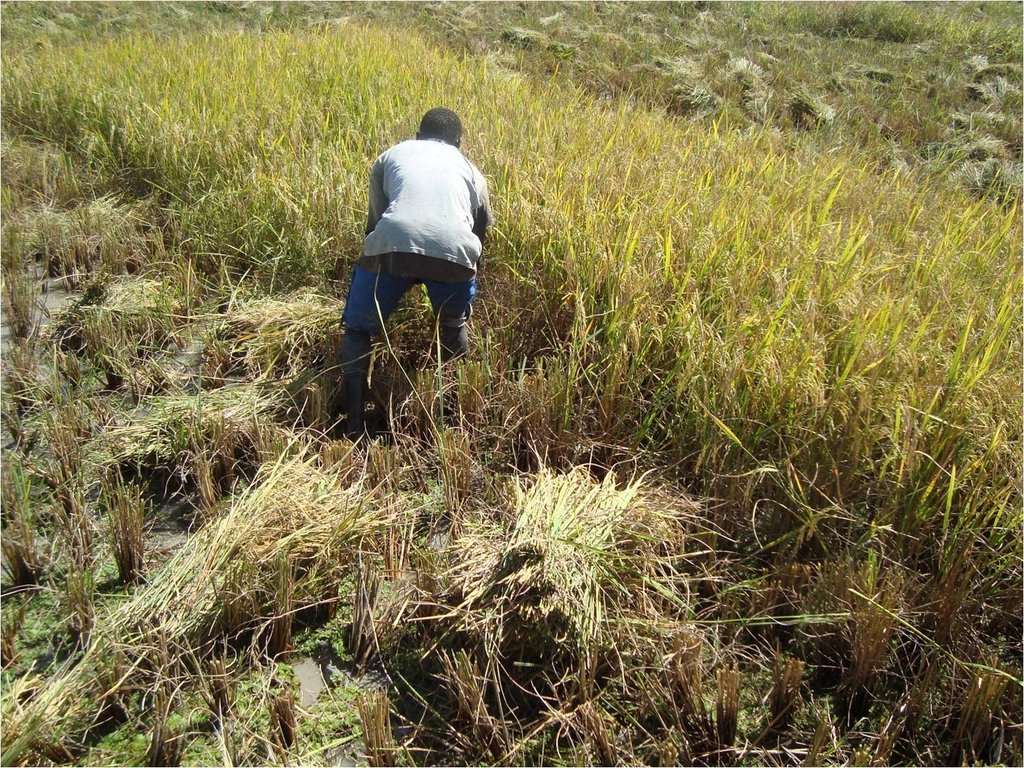
Each of the 150 bags of rice seed (70 Kgs/bag) seeded 1 hectare of rice paddy. Each cultivated hectare was conservatively estimated to yield approximately 1,000 Kgs of rice, for a total estimate of 150,000 Kgs of paddy rice distributed to the beneficiary villages.
Five of those l hectare fields had two water hoses installed on each hectare. Irrigating the fields with water from the water hoses increased the yield in those fields by 30%. The BERADA survey showed that each water hose installed in a field increased the yield beyond the expected 1,000 kgs per hectare to as high as 1,500 Kgs per hectare for the 5 hectares that had access to this water. This added irrigation allowed the rice farmers to provide an additional 15,000 Kgs of rice to the families of Gao.
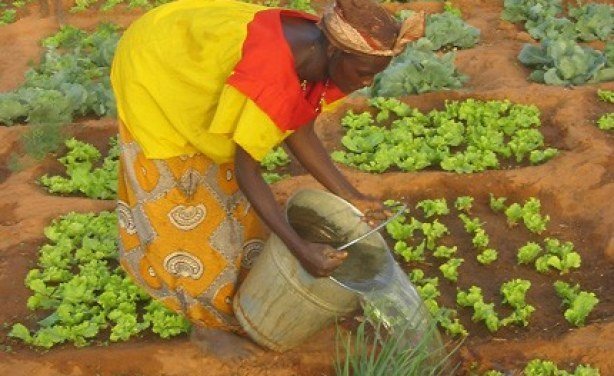
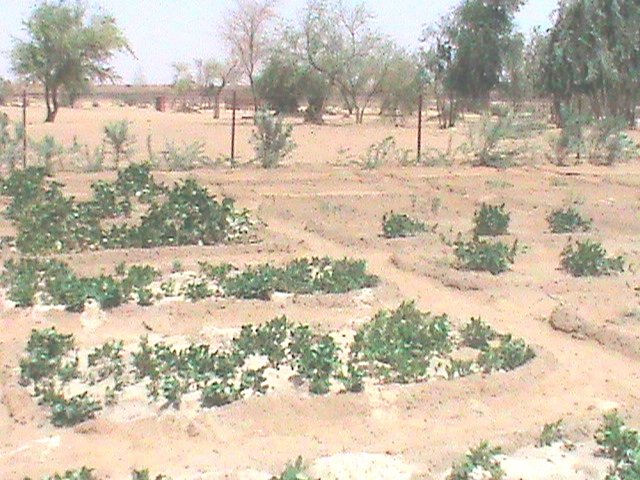
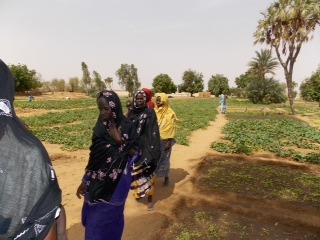
The Chiwara pumps that were purchased with our donations increased the yield of vegetables by 50%. Each of the five gardens were planted on one hectare of land. The yield on a one hectare garden is expected to be approximately 1,000 Kgs of vegetables per year depending on seed varieties. The water pumps helped increase the annual harvest up to 1,500 kg in each of the five gardens for a total harvest of 7,500 kg of vegetables for the families of Gao.
Additional outcomes and benefits of this project include:
• Increasing the awareness of farmers and beneficiaries;
• Improving the internal organization and exchange of experiences;
• Quantifiying the payoff of the investment of resources and infrastructure;
• Improving training and information retrieval.
Conclusion
This project initiated and implemented by the NGO BERADA and our partner FOOD FIRST, provided an important contribution to the people in the rural communes of Sonni Ali Ber and Gounzoureye located in the Circle of Gao in the Gao region in Mali (West Africa).
BERADA’s investigators also identified the need to supplement the diet of these communities through fishing, which is actually a complementary activity of these villages supported by this project.
Key lessons for Year Two include:
• A harvest that yielded 150,000 Kgs of paddy rice as a result of 10,500 kg of seeds distributed is significantly lower than an anticipated harvest of 850,000 kgs of rice. This was, in part, due the lack of fertilizer to improve the yield per hectare.
• While the 10 water hoses in the rice fields on 5 hectares increased the production by 50%, it is expected that fertilizer combined with closer supervision could double the production of those 5 hectares.
• It is projected that the associations of women’s gardens could also double their yield with access to more seeds at regular intervals combined with fertilizer.
The farmers and the families of the Gao region of Mali experienced less hunger and benefitted greatly from our donations. A really important and heartwarming outcome of this first year of the seeds and pumps project is that the women’s gardens allowed children—especially girls—to have both the time and the energy to attend school. With additional funding in 2014, we can buy more pumps and seeds to feed more families and get them on more solid economic and social footing.
Recommendations
Continue this project intervention by:
• -Providing more water pumps;
• -Providing a solar pump as a pilot project;
• Providing fishing nets for the fisherman. This will allow them to catch fish to provide needed protein in the diet and, at the same time, use the fish waste fertilizer to improve the performance for each hectare of rice and vegetables;
• Providing enhanced training activities, information and awareness for the beneficiary villages; and
• Supporting exchanges of experience with other projects of this kind at the national level.
By Eric Holt-Gimenez | Executive Director of Food First and Project Lead
By Alhousseini Issa Maiga | Vice President, BERADA