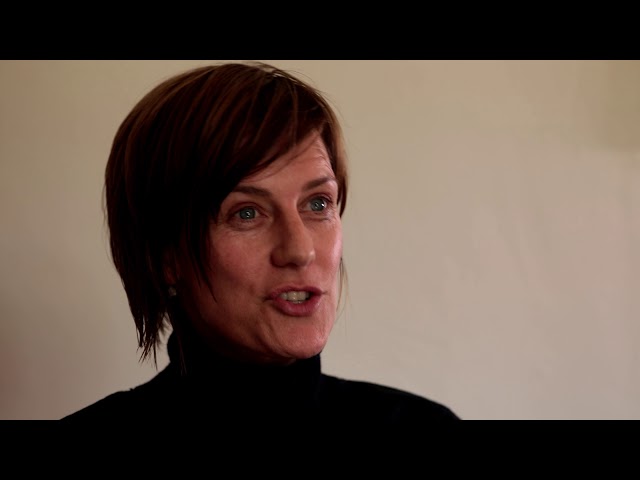
By Leigh Brown | Director
Two-thirds (69%) of households in the Cape Flats were living below the food poverty index prior to the disastrous economic consequences of the Covid-19 lockdowns.
The Covid-19 pandemic has brought to light the vulnerabilities of our food systems and served as a rehearsal for the impending climate crises. It has presented us with a unique opportunity to foster local production for local consumption, with shorter value chains and greater diversity and resilience. This shift liberates us from the destructive industrial feeding system, empowering communities to take control of their own destinies.
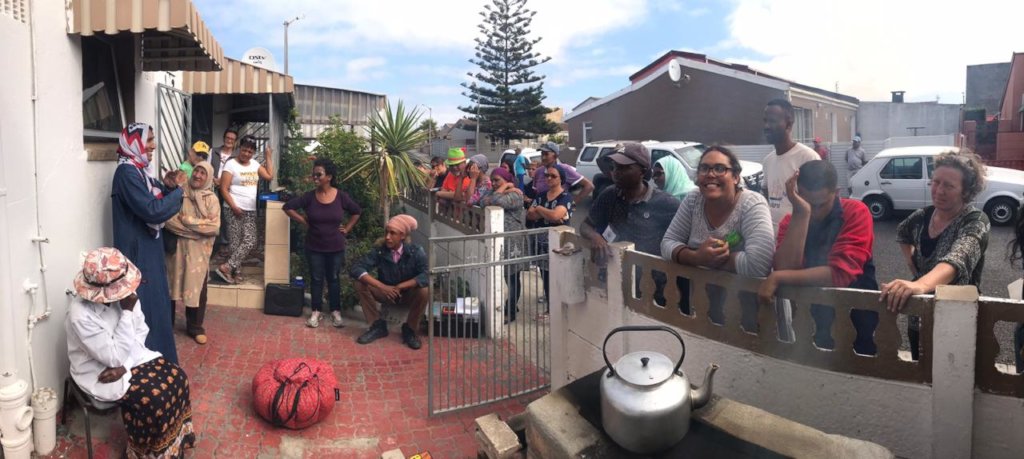
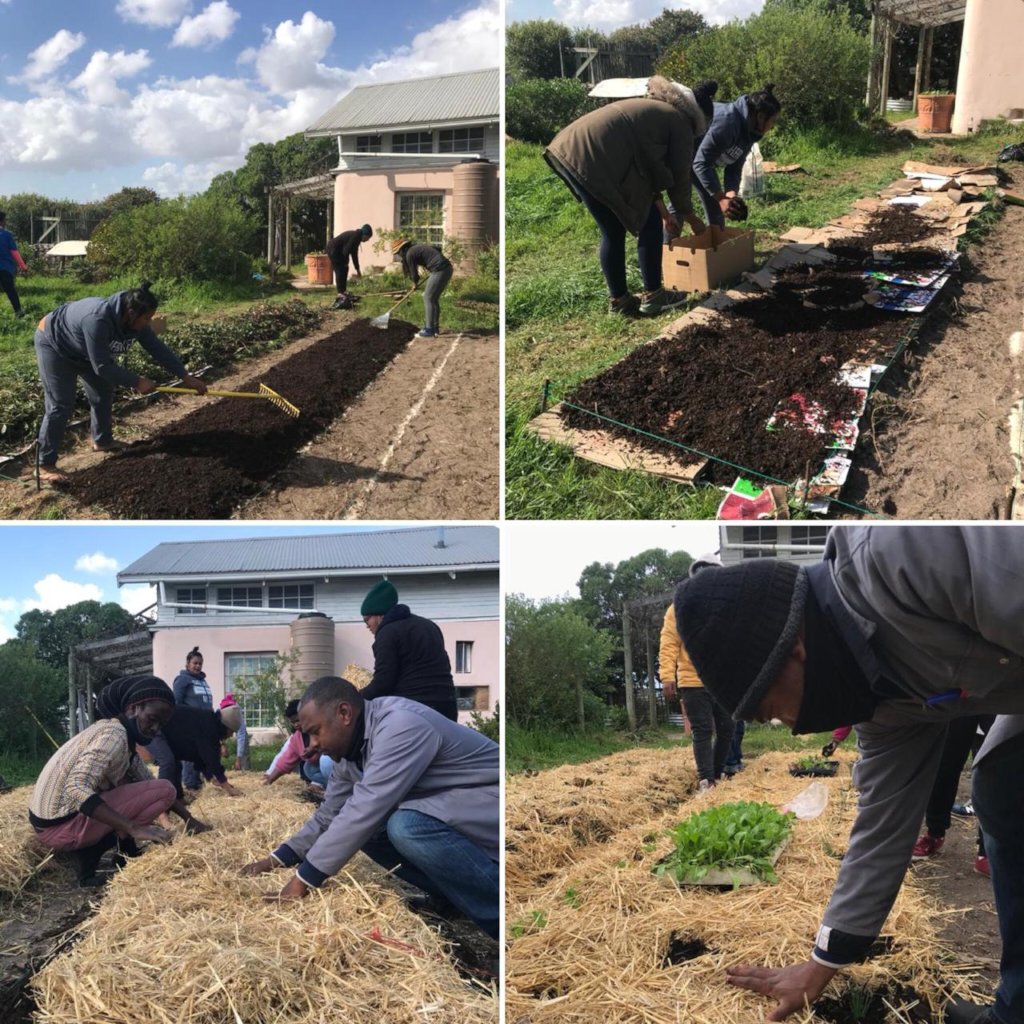
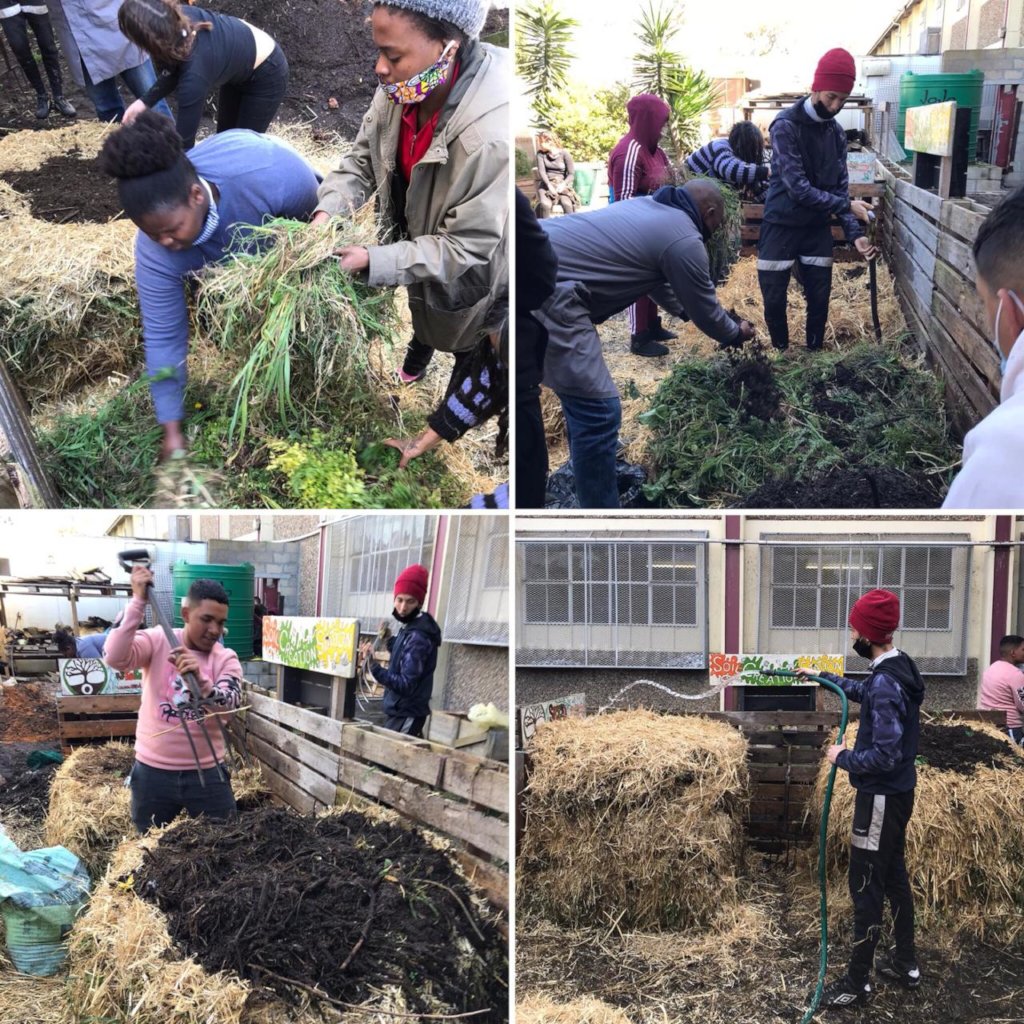
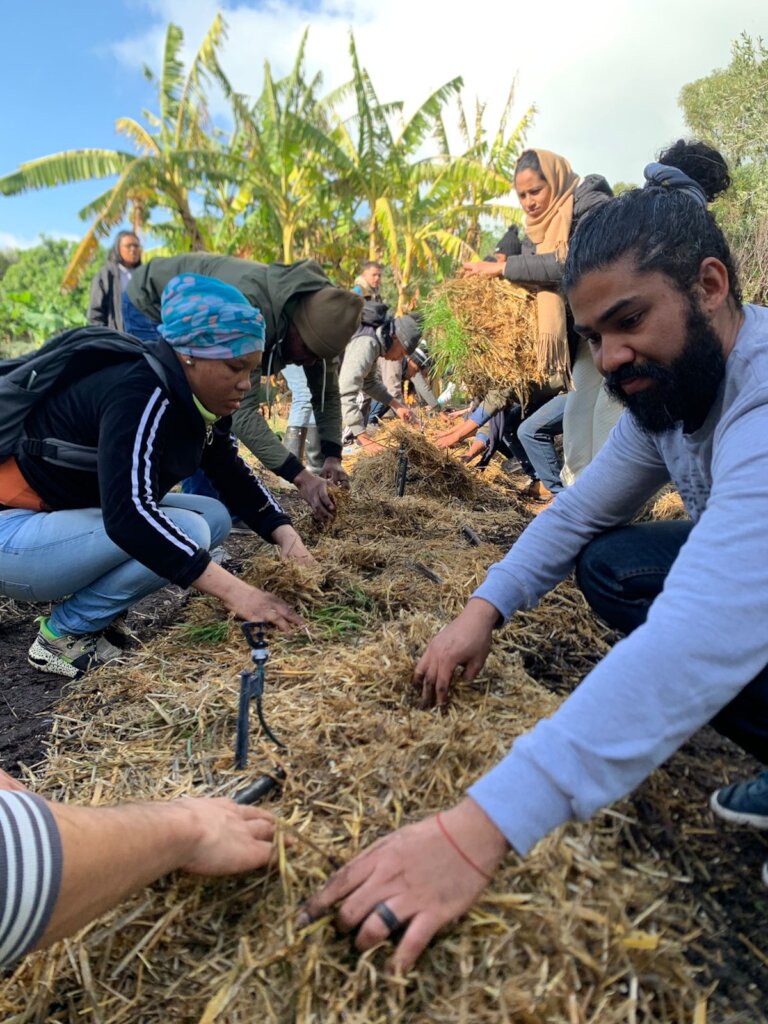
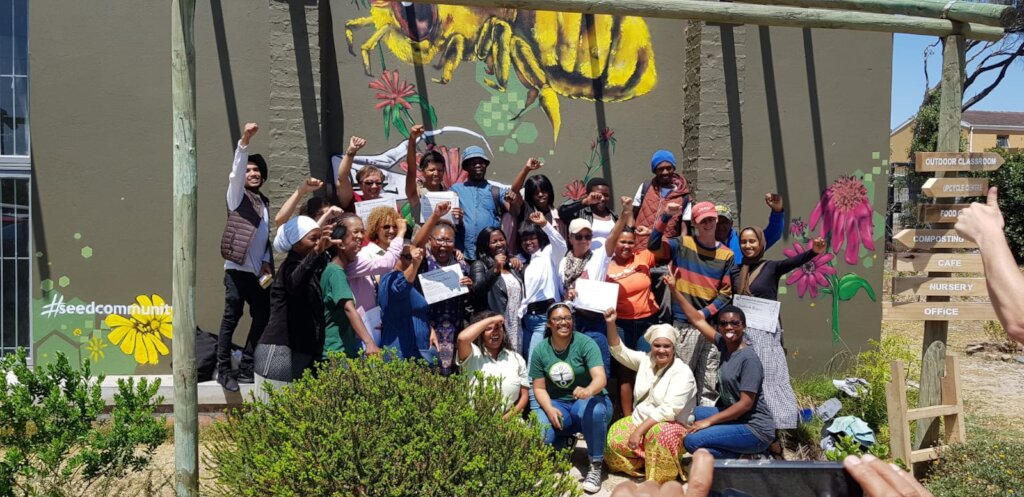
We take pride in the leadership shown by SEED Alumni, who have spearheaded efforts to enhance community food resilience by establishing food gardens during the Covid-19 lockdowns and addressing the escalating hunger in their surroundings.
However, we have yet to establish a program that supports our Alumni in ensuring the long-term sustainability of these food gardens.
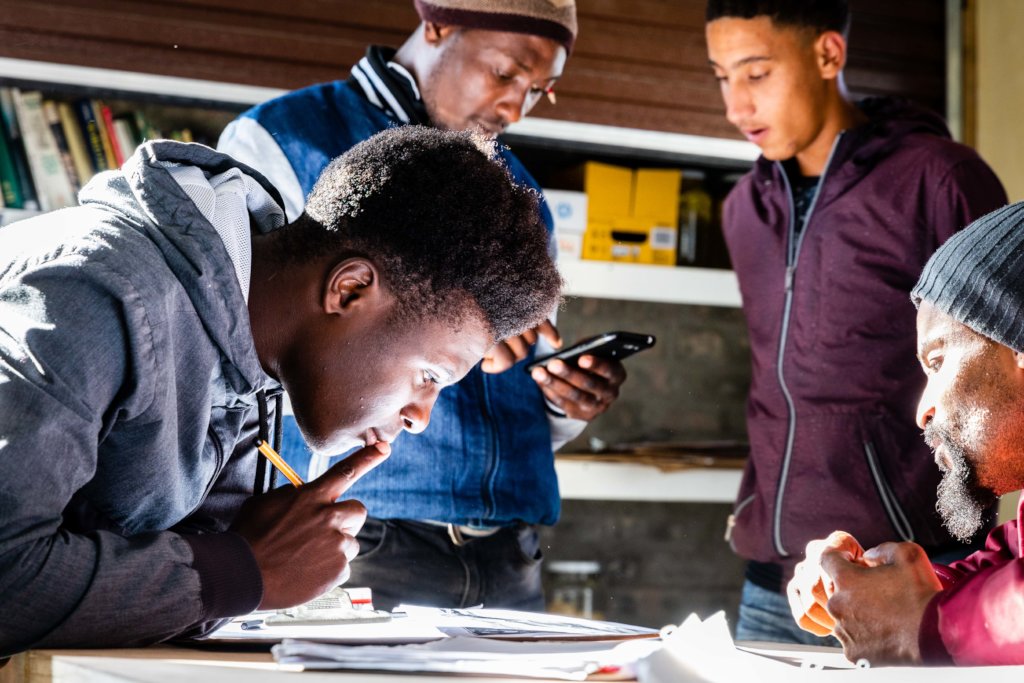
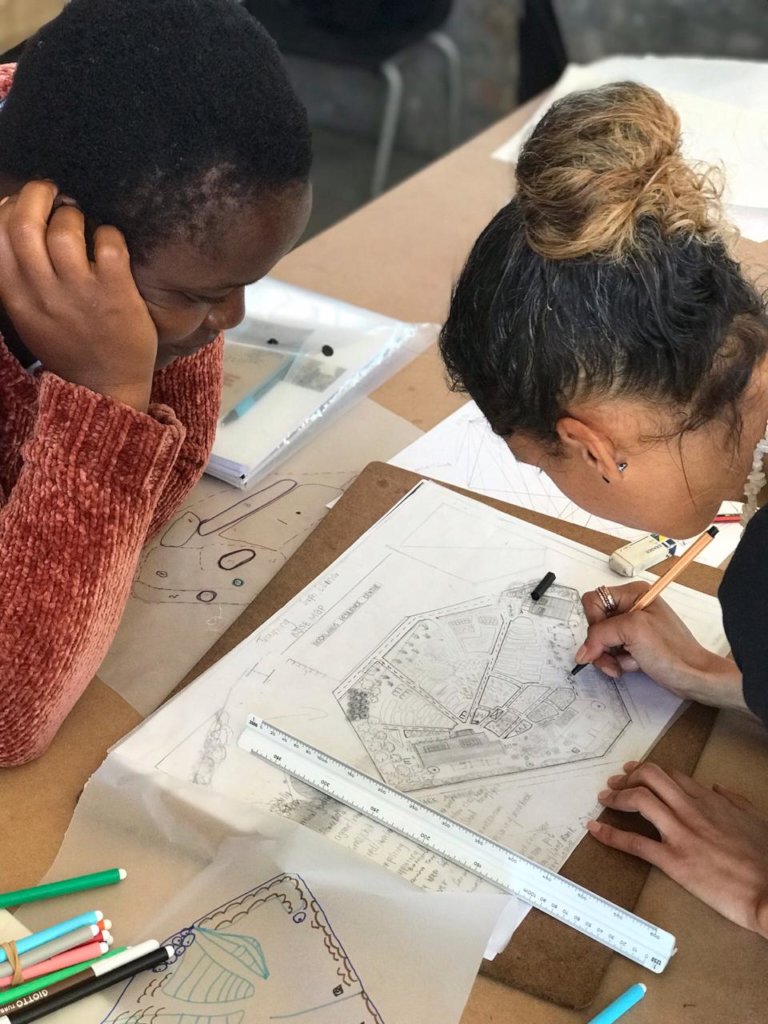
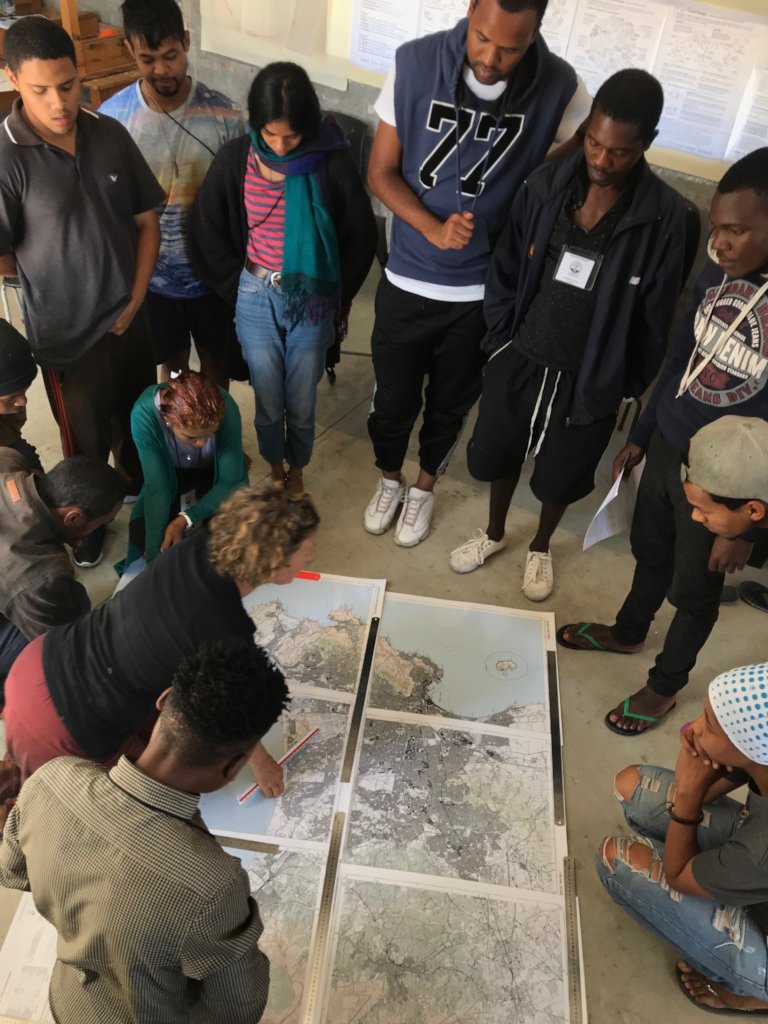
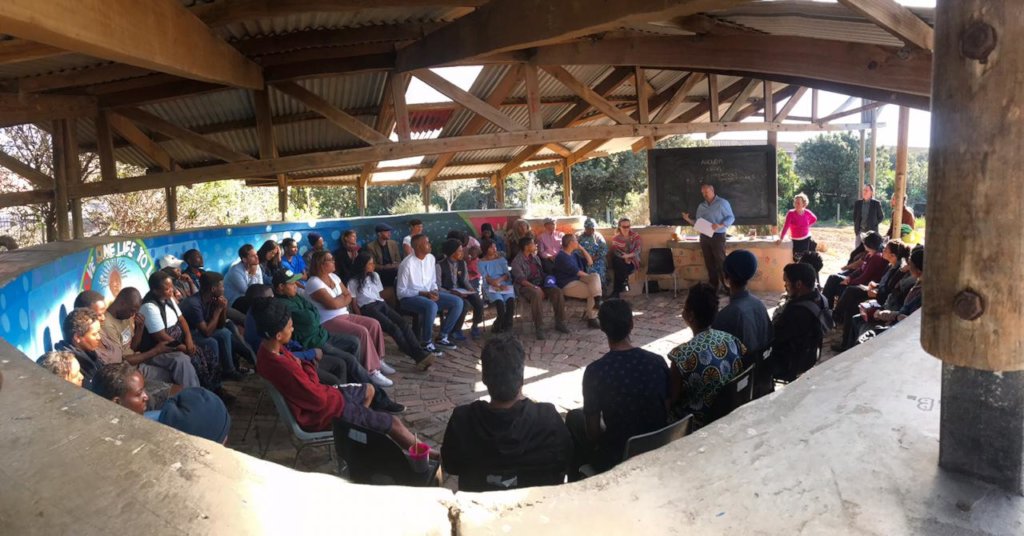
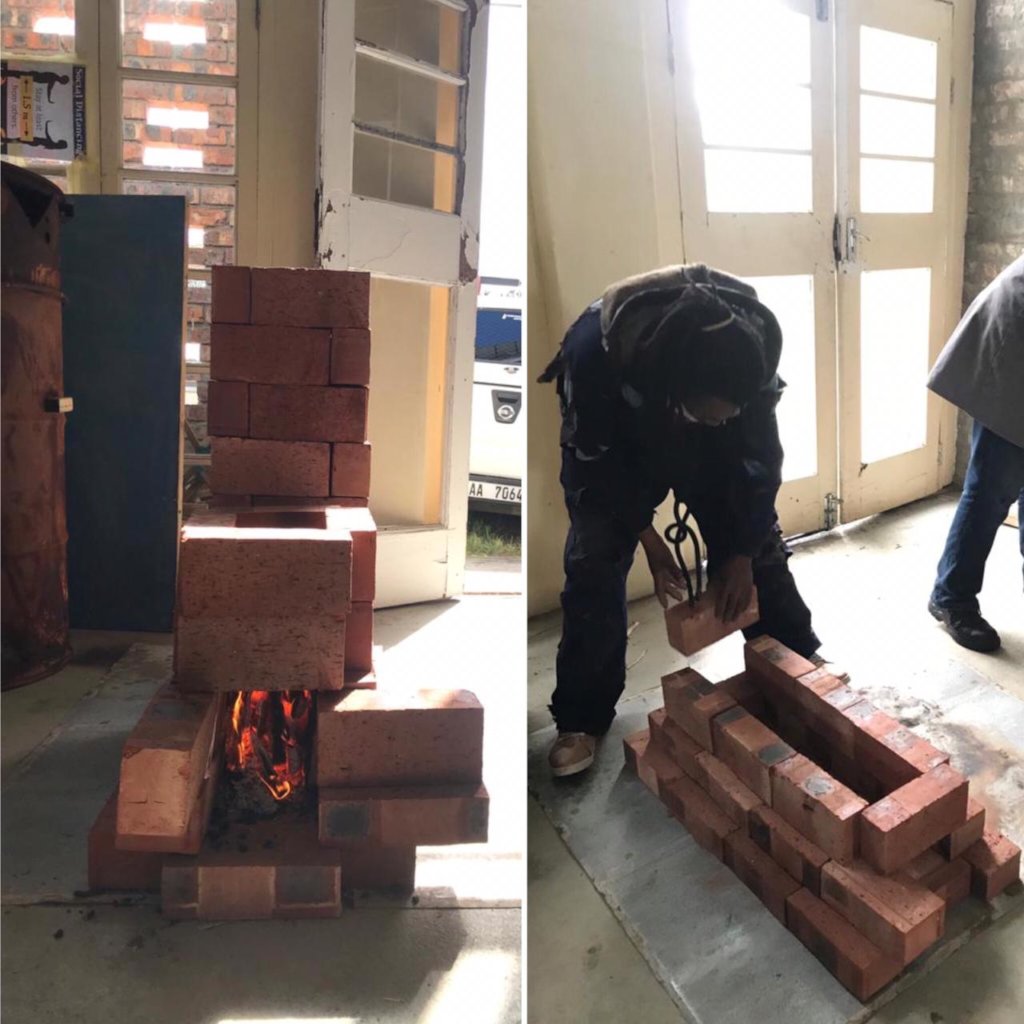
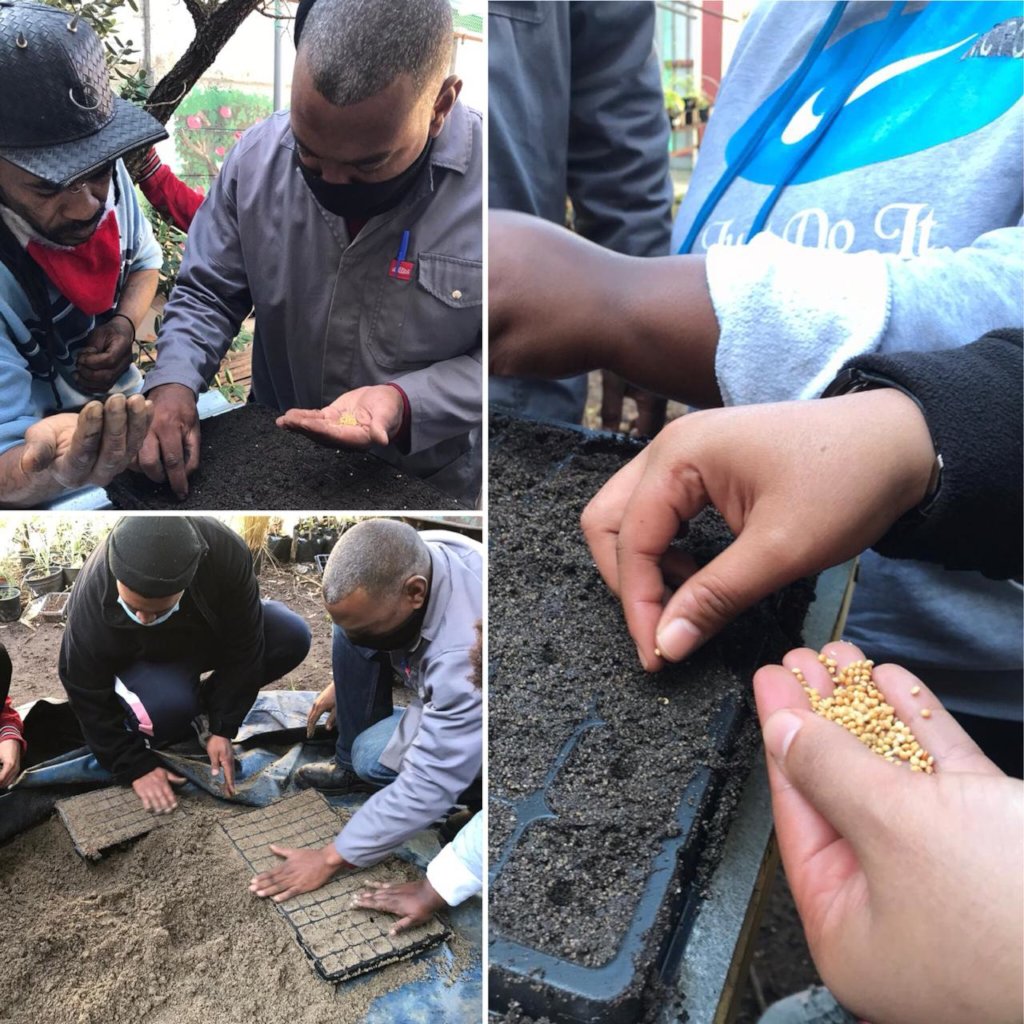
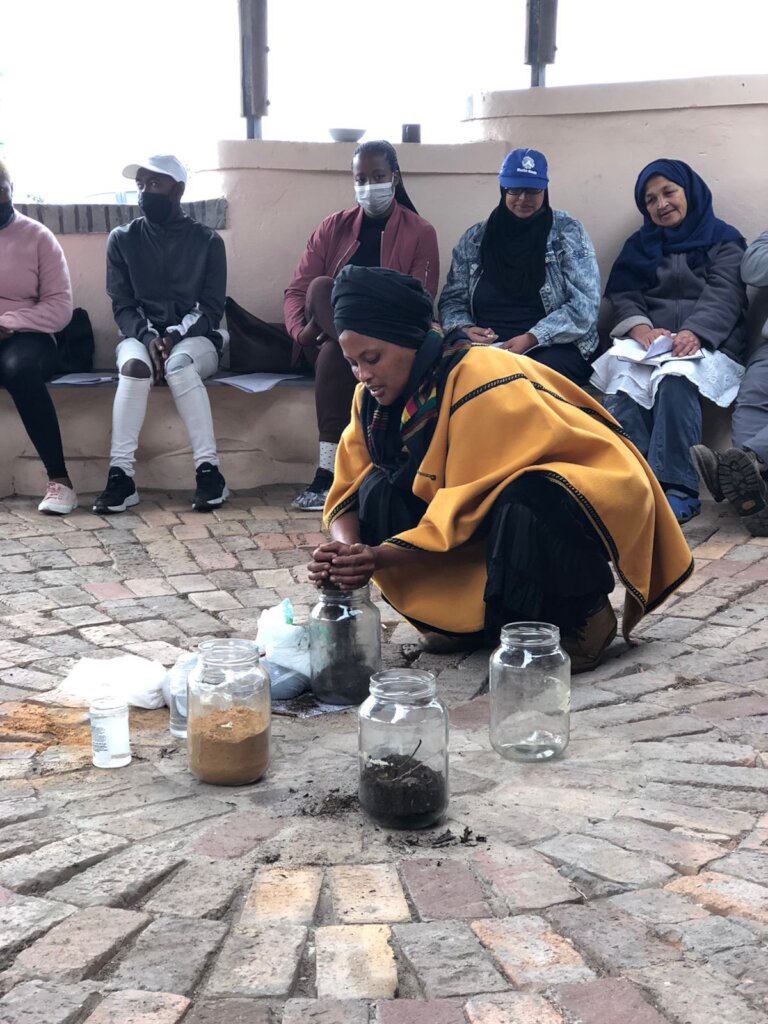
Presently, our Alumni offer Organic Gardening workshops to individuals interested in cultivating local food production within the Cape Flats. Additionally, we provide Resilience Design workshops, enabling participants to apply the Permaculture design process to their community gardens. We offer ongoing support and resources to assist them in their endeavors.
The interdependence of our food systems and petrol prices has become exceedingly evident. Localizing our food systems emerges as the only viable solution to ensure that we can adequately feed our people.
Project reports on GlobalGiving are posted directly to globalgiving.org by Project Leaders as they are completed, generally every 3-4 months. To protect the integrity of these documents, GlobalGiving does not alter them; therefore you may find some language or formatting issues.
If you donate to this project or have donated to this project, you can receive an email when this project posts a report. You can also subscribe for reports without donating.