By Leigh Brown | Director
WE THANK YOU FOR SUPPORTING SEED – WITHOUT YOU WE WOULD NOT BE ABLE TO MANIFEST THE VISION INTO WORK.
To date we have completed three cohorts of Seeding Futures and Cohort 4 starts on Monday - we have worked with 114 Cape Flats youth.
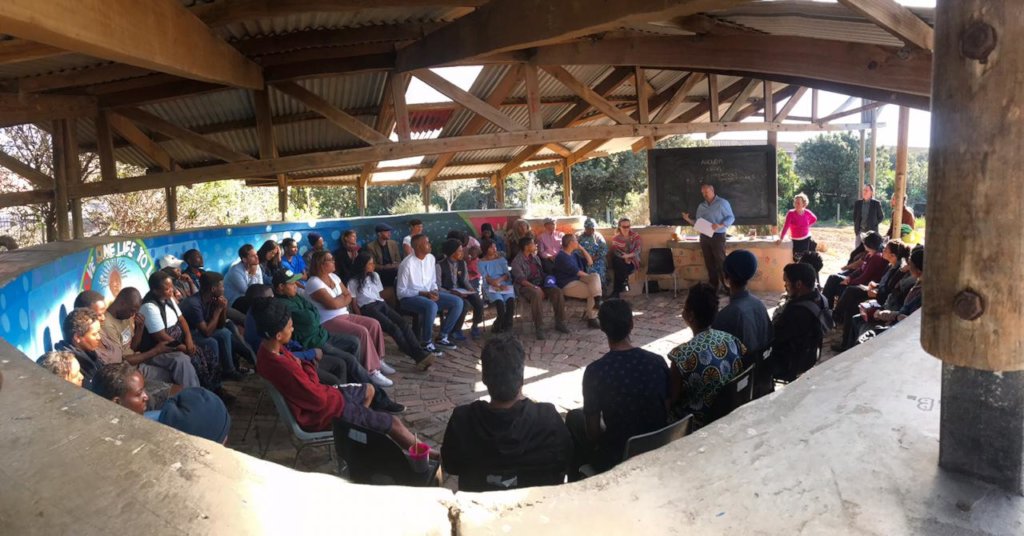
We wanted to share the course outline with your so that you get a deeper look into the program. The Program covers 4 Modules:
MODULE 1: APPLIED PERMACULTURE TRAINING (4 Weeks)
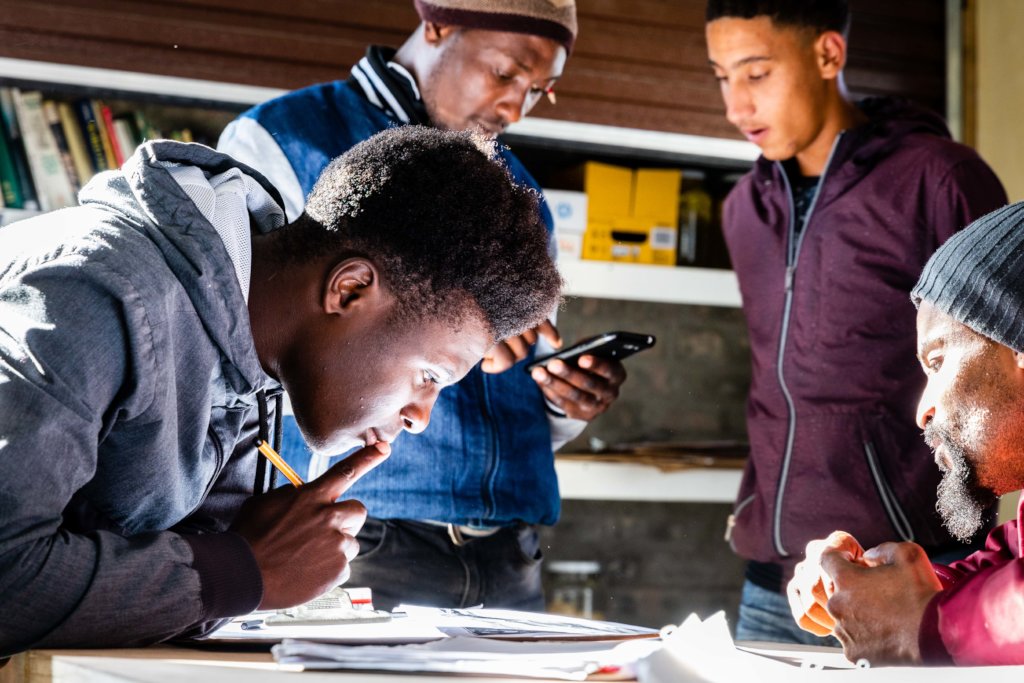
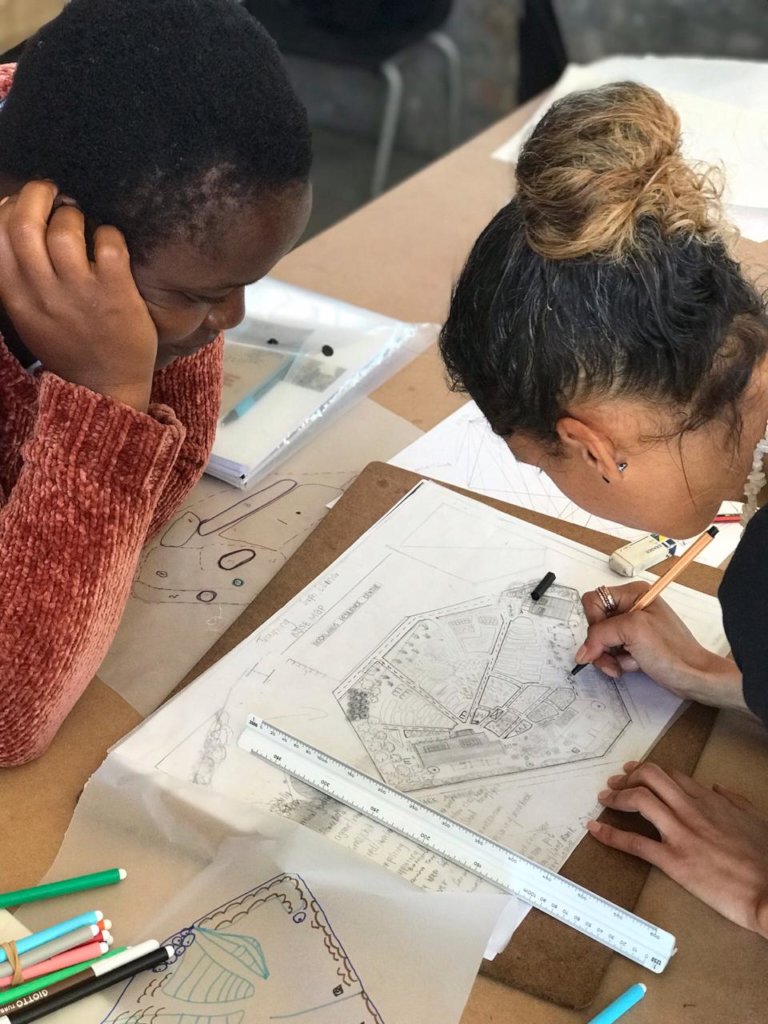
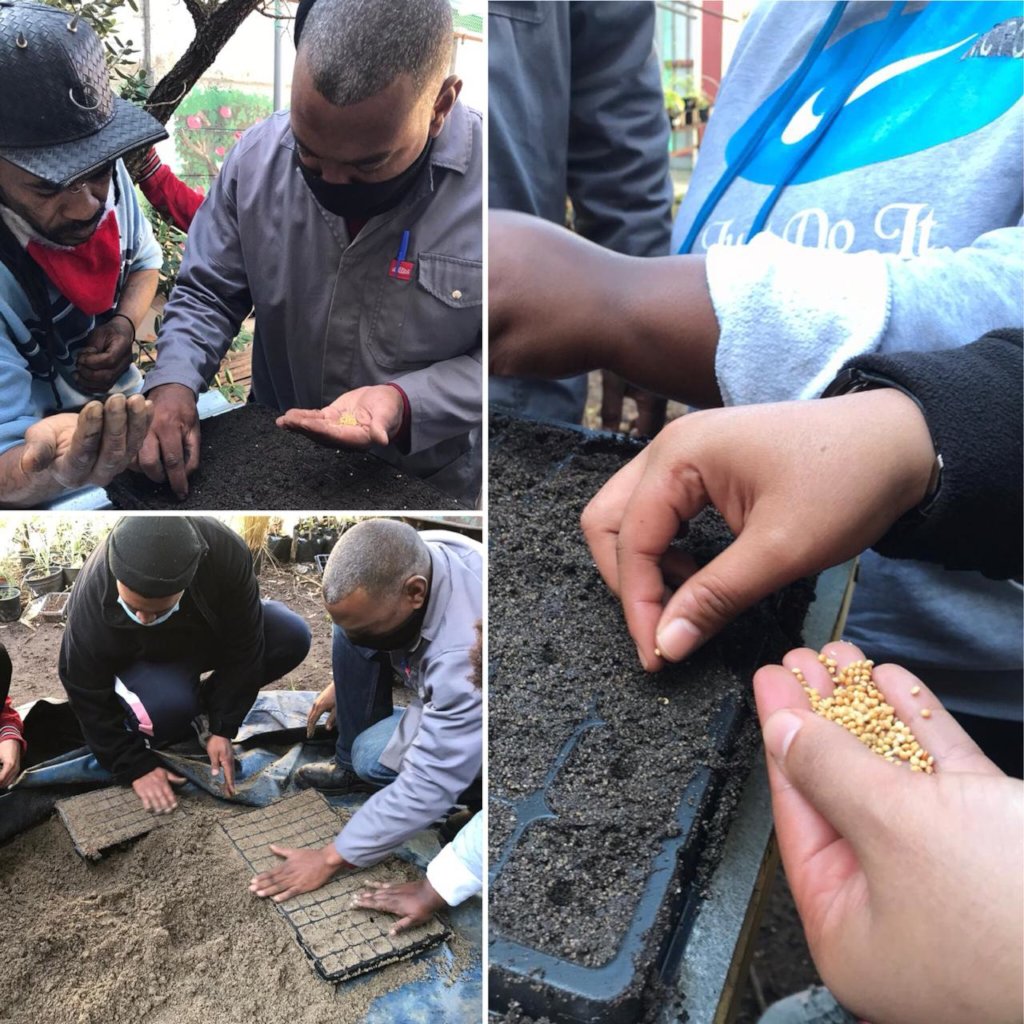
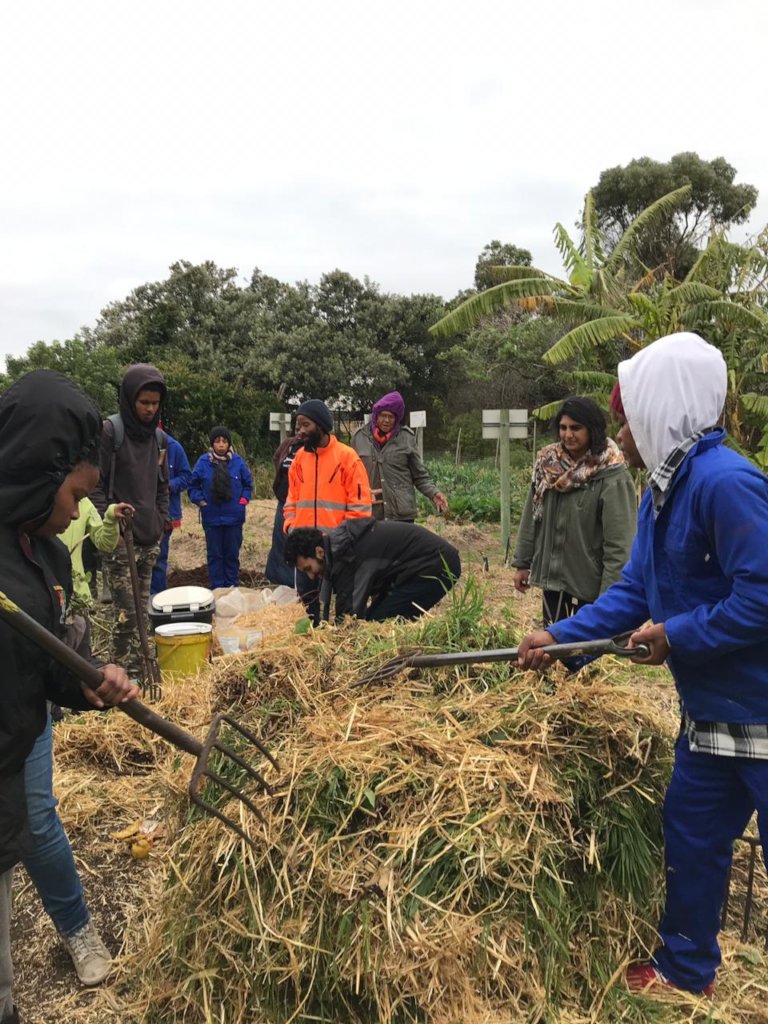
This four weeks is a bit like boot camp: Students learn a whole new way of thinking about the world and also learn the essential Permaculture Design Skills – which they learn though a series of design exercises.
This Module is Accredited at Level 4 of the National Qualifications Framework and also covers the, internationally recognised, Permaculture Design Certificate.
Students learn the following:
MODULE 2: URBAN REGENERATION (6 Weeks)
NEIGHBOURHOOD RESILIENCE
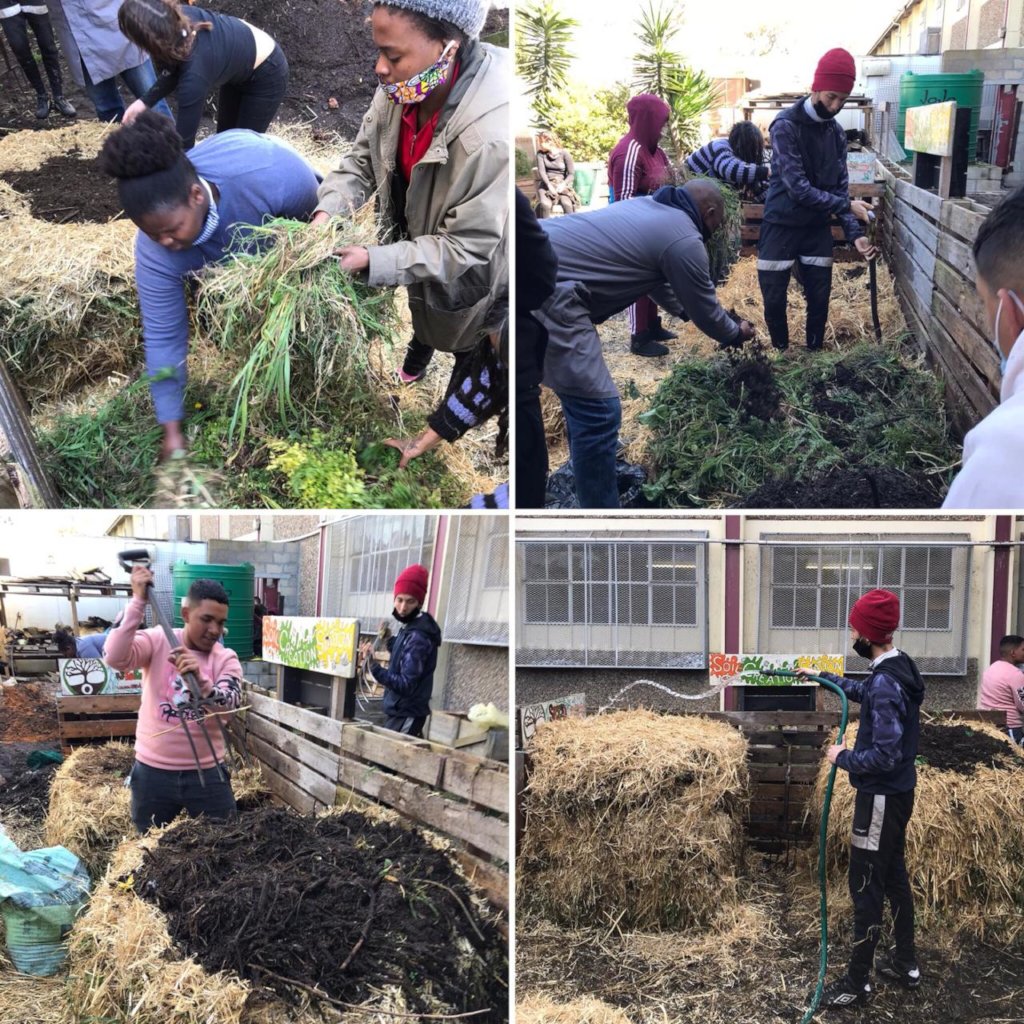
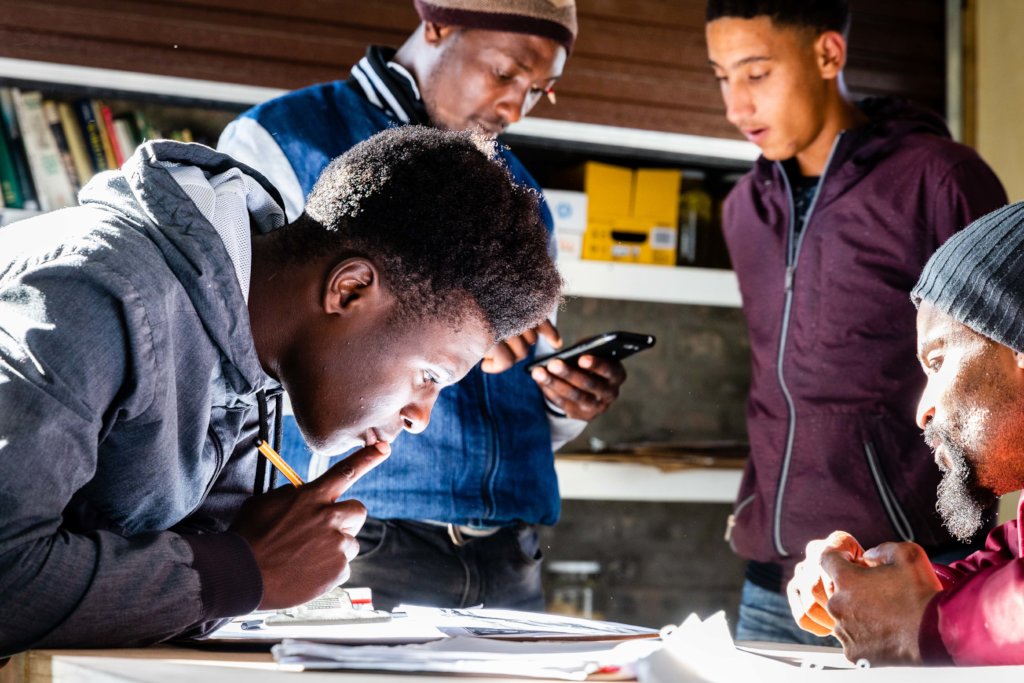
This three-week module sees participants using their, newly acquired, Permaculture Design Skills to work with streets to uncover their biggest resilience challenges and then design and implement systems to meet these.
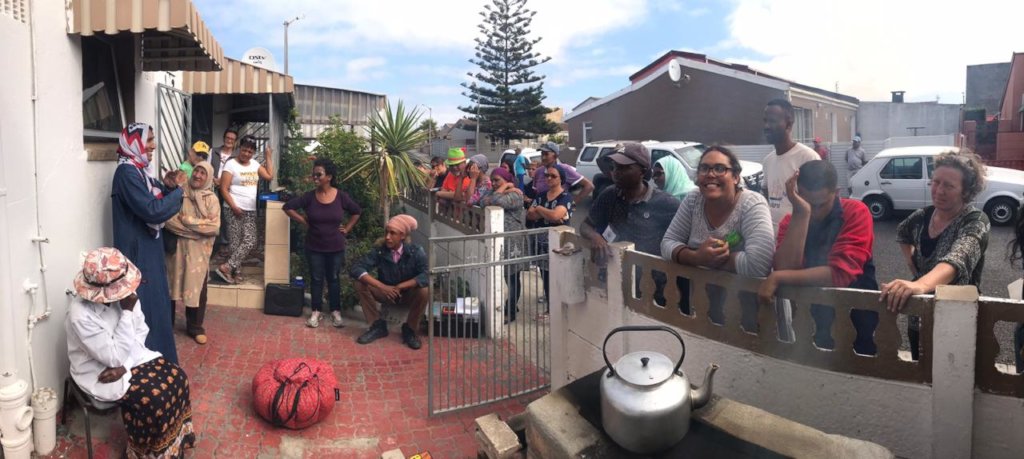
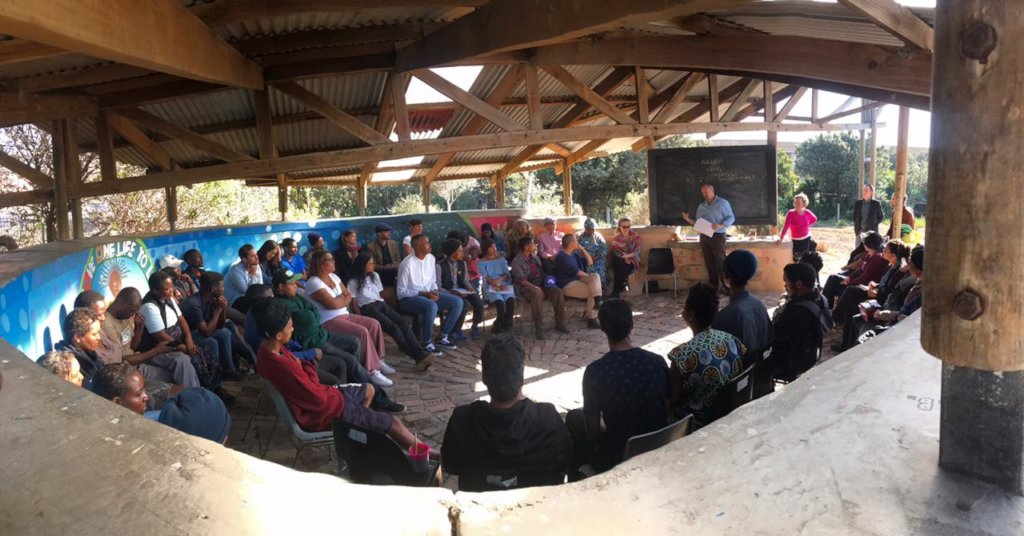
We used participatory neighbourhood design principles as the guiding framework for our interactions with the neighbourhood, and conducted interviews and needs analysis as a starting point.
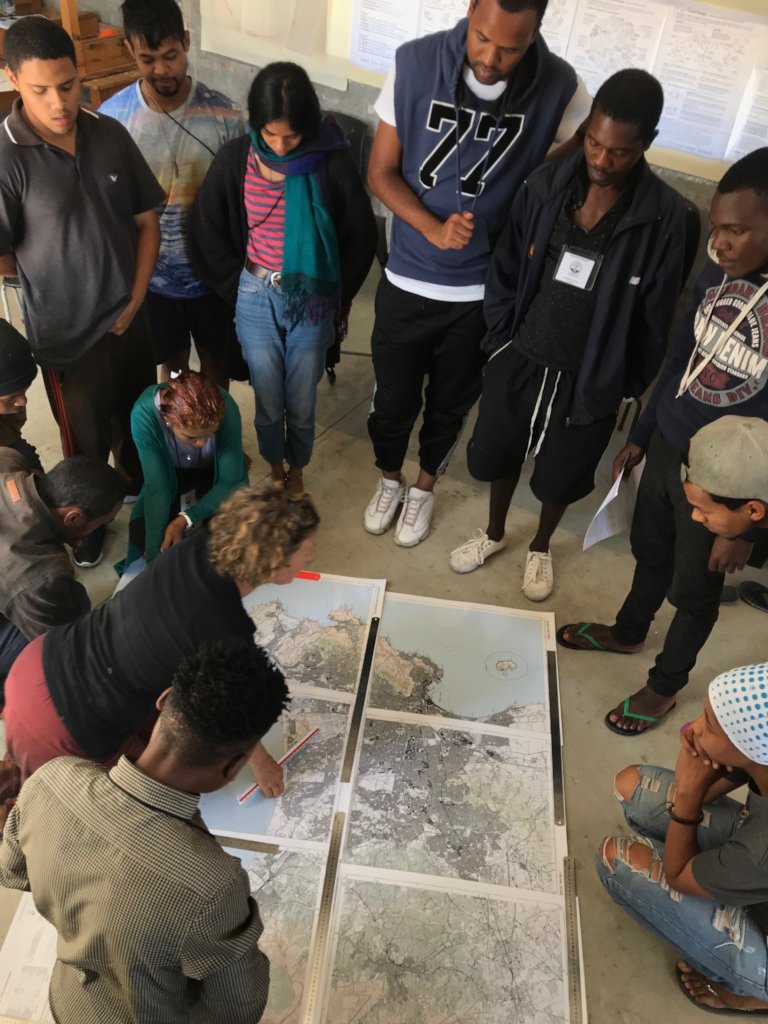
We map urban challenges and undergo a resource analysis of Cape Town – understanding the service lines that we rely on. We then worked with community members in a participatory design that addressed these challenges.
The Module is divided into the three weeks:
Week One: Information
Understanding urban challenges under the following headings: energy, transport, water, waste, food and livelihoods.
What makes a live-able city? We examined models from around the globe to elicit the principles of a live-able city or neighbourhood.
Week Two: Design
We engage with participatory research and students learn to interview, collect data and create data-maps based on their findings.
The themes that emerge are then translated into designed implementation in both the short and long term.
The results of the community interviews were insightful. Students managed to interview a sample size of 27 individuals for each cohort, all living in within 5 minutes walking distance from the school.
Week Three: Implementation.
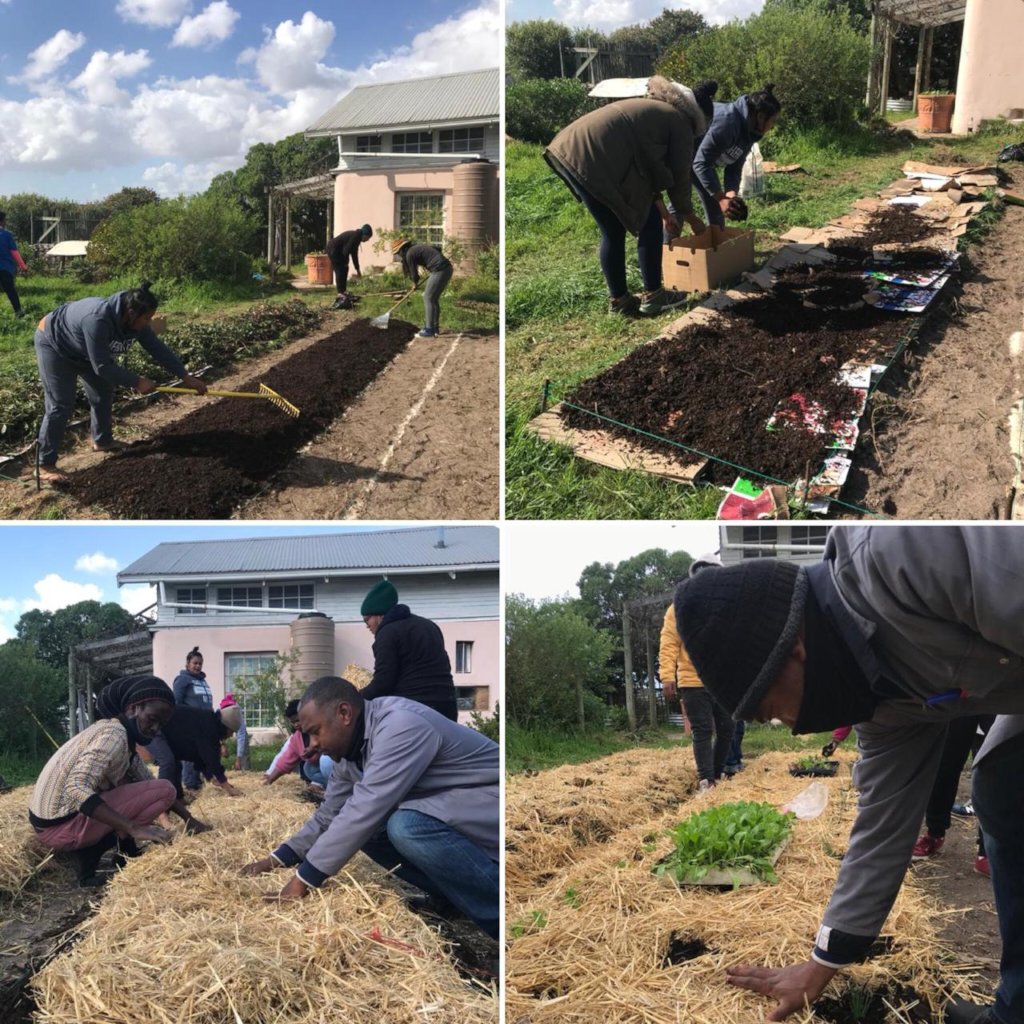
We Implement resilience retrofits in 16 Mitchells Plain homes per year.
We implement 16climate resilience systems into Michells Plain neighbourhood each year.
MODULE 3: PERSONAL RESILIENCE
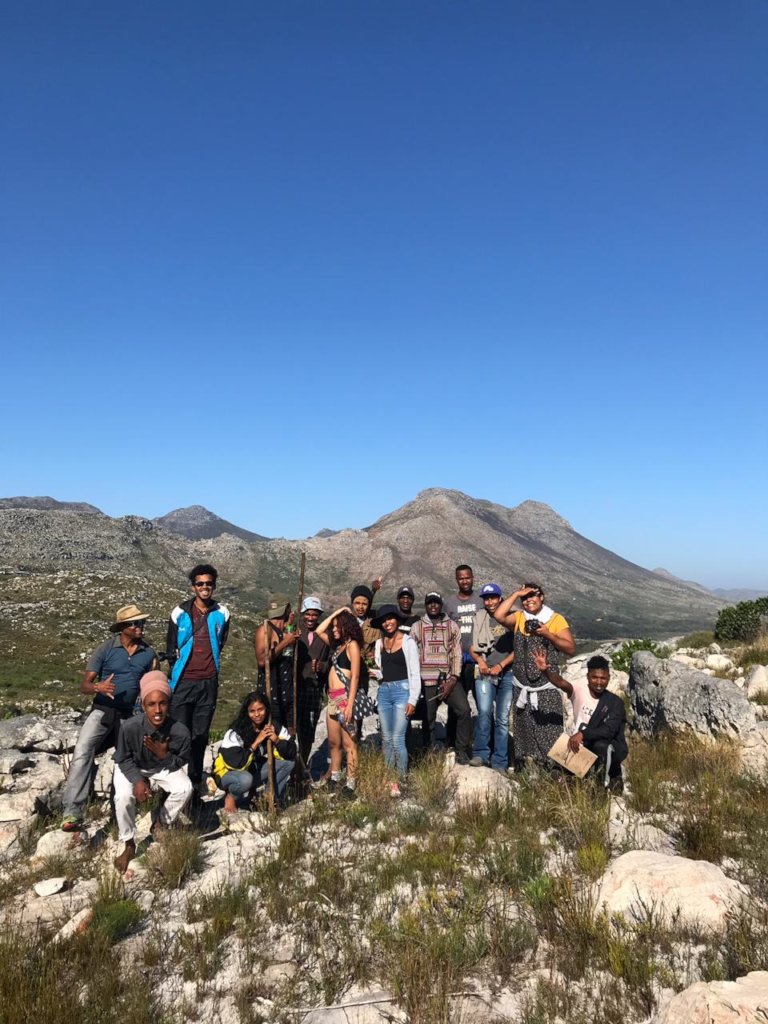
This Module is extremely important as we find cannot hope to change our outside lives, without tending to our inner landscapes. Many students have challenging home lives and have lives through a lot of trauma and the unpacking of some of this, as well as visioning their futures is extremely powerful. We find that this module works really well if immersed in Wilderness and managed to secure venues through partnerships. Cohort #1 enjoyed Baskloof In Scarborough immensely and Cohort #2 were excited by how amazing Wolfgat Nature Reserve was (and it’s so close)
The Module, which is ably facilitated by a Seeding Futures Alumni, covers the following:
We developed these themes through the following activities:
MODULE 4: JOB SHADOWS
This Module is designed to equip students with job skills relevant to their gifts and goals and also to position them to be employed or to start enterprises. The program has the added benefit of boosting the local green economy – through committed youth donating free hours and also through us developing a capacitated and committed work force for green business.
Local Green Economy Database
We started with desk research and phone calls and, where possible, meetings. We made sure our partners understood the Seeding Futures Program and screened them for job shadow possibilities – looking at the skills sets students would learn and also explored employment opportunities for our graduates. We also importantly researched their skills gaps – with a view to growing our training to meet these (if within our scope).
This database of 68 partners was presented to students, resulting in excited discussions. Students then work on their CV’s and apply for the Job Shadow (this is good practice for the world of work). Once the Job Shadows were rolling, we conducted weekly phone calls with supervisorsand students to ensure that all is going well.
TESTIMONY FROM STUDENTS
“When I came to SEED I was lost and broken and a few weeks later I felt like a human again. When I came here I did not have friends but now I have a green family. I have found myself again. I am ready to go uplift my household and look life in the eyes again.”
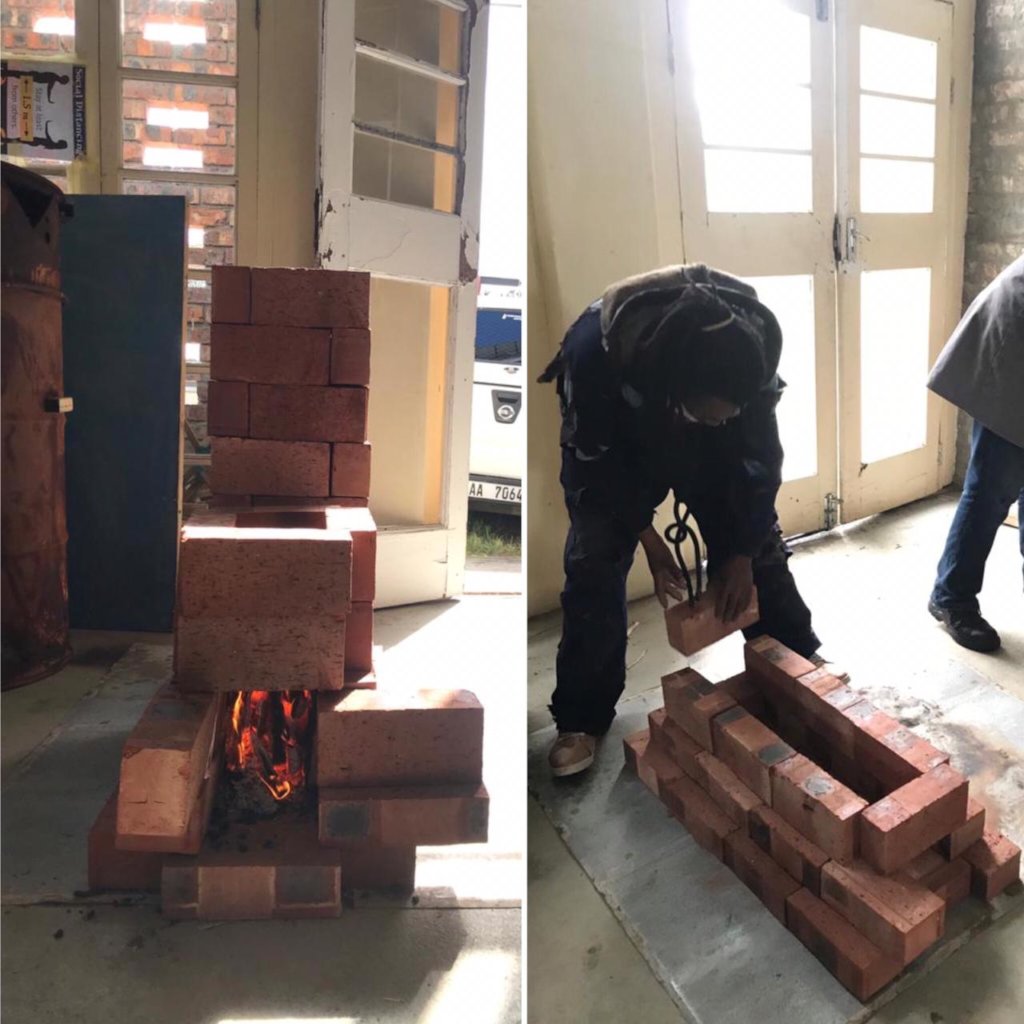
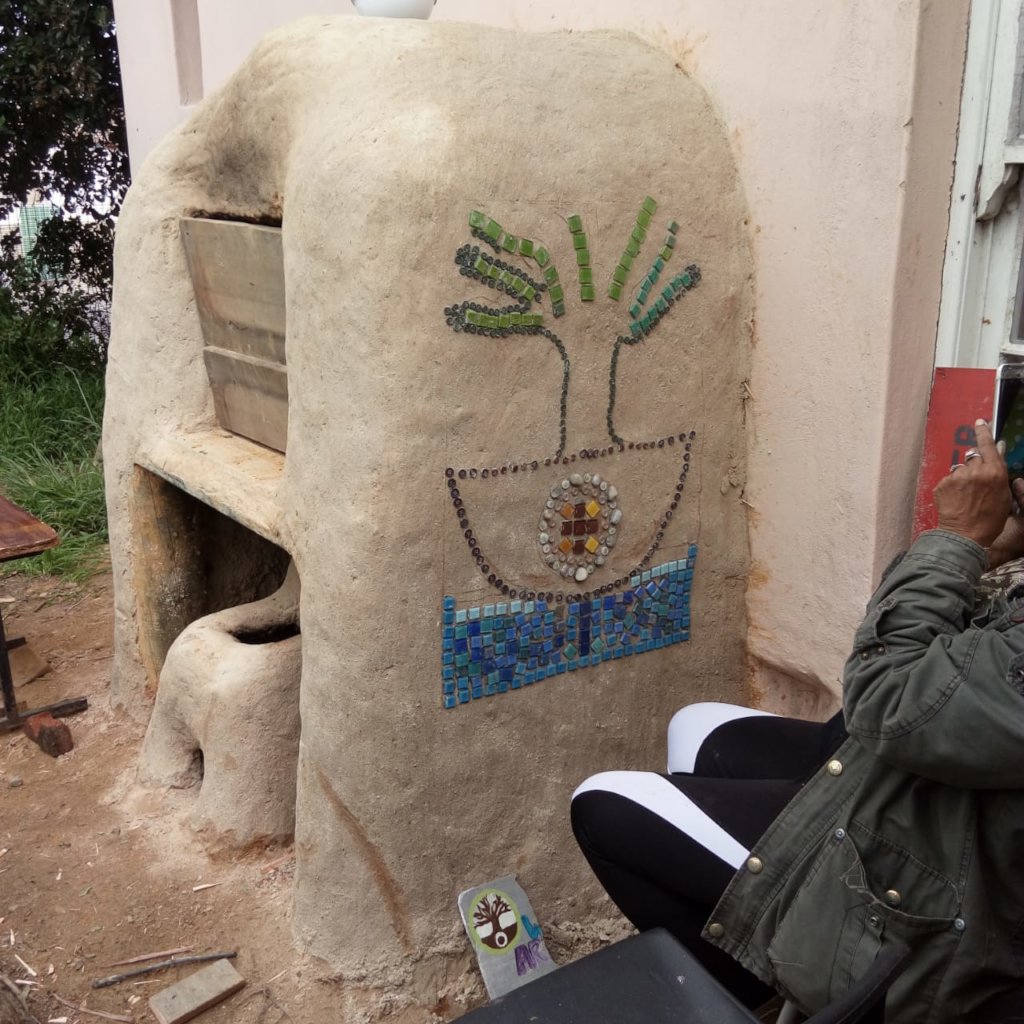
“The Seeding Futures Programme has bought me an incredible opportunity to learn about something that is primal to our existence; Permaculture truly embodies the co-existence of all nature’s ecosystems. This course has been incredible in teaching me actual life skills and gaining experience with the use of tools like building a rocket stove and learning about passive solar design.
“This course has re-adjusted and re-wired my brain. In essence, this course has held my heart and words will never describe the pure gratitude I feel. I promise to carry this light far & wide!”
“On my first day I came into the course with a loner mentality and did not plan on befriending anyone; I never expected to meet the group of people that I have desired to connect with all my life. I learned and experience what true love is. This course has changed my life forever and made me remember who I am.”
Links:
Project reports on GlobalGiving are posted directly to globalgiving.org by Project Leaders as they are completed, generally every 3-4 months. To protect the integrity of these documents, GlobalGiving does not alter them; therefore you may find some language or formatting issues.
If you donate to this project or have donated to this project, you can receive an email when this project posts a report. You can also subscribe for reports without donating.