By Nicki Wheeler | project leader
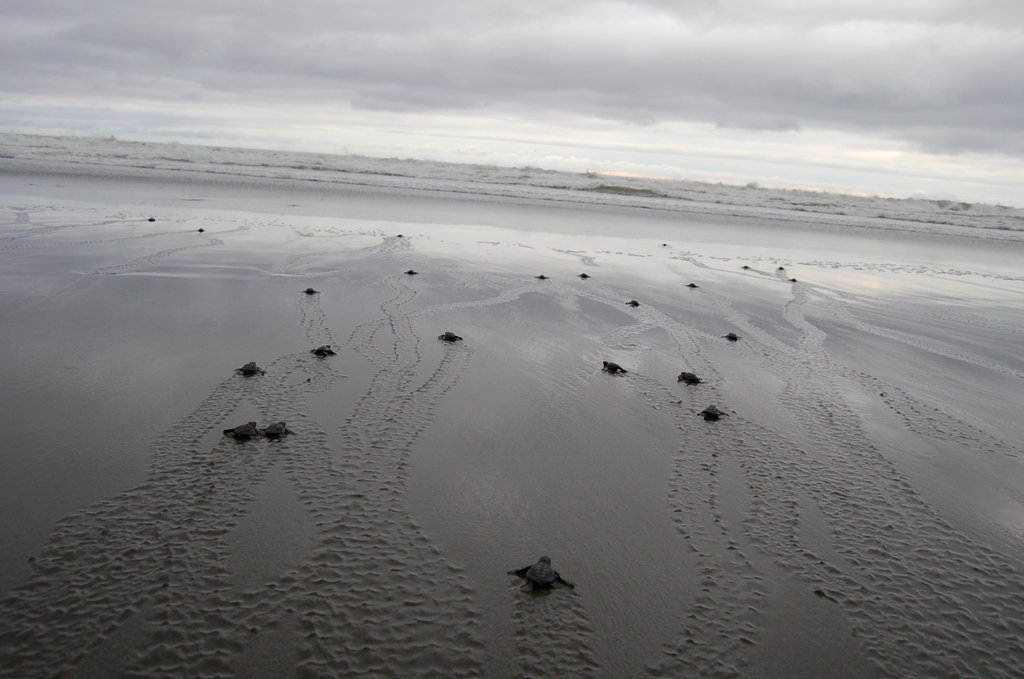
July saw the start of a brand new nesting season on Buenavista beach, and the hope that it will be a successful season just like 2014.
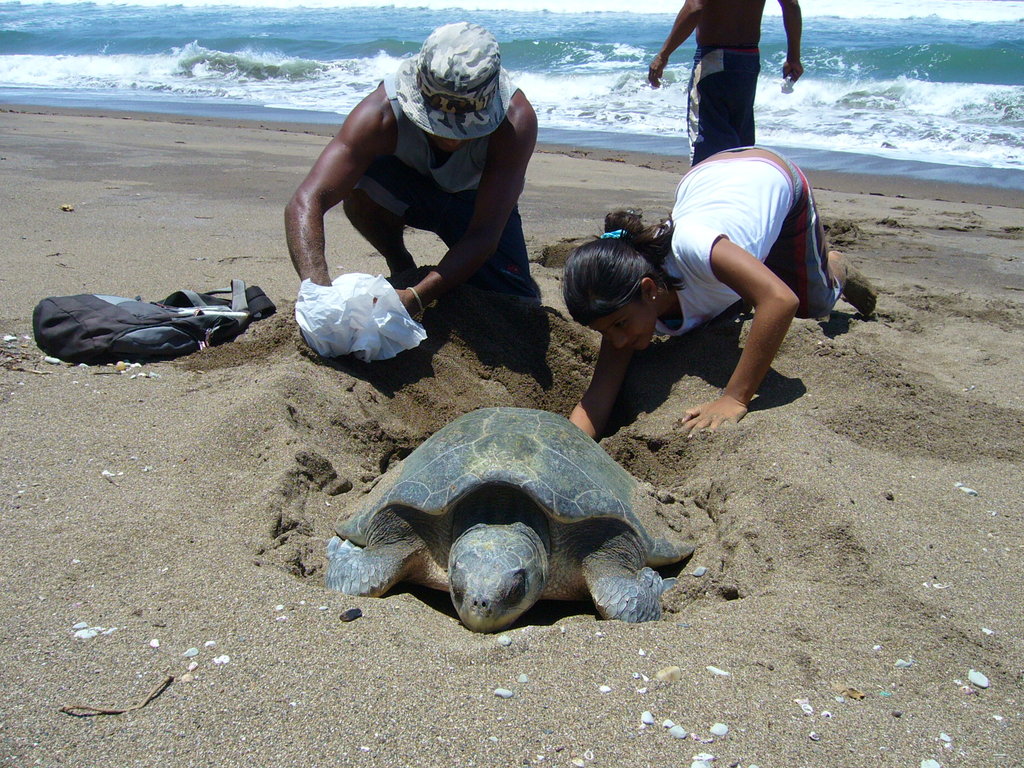
The statistics so far are promising with the arrival of a rarely seen hawksbill turtle ( Eretmochelys imbricata) on these coasts. And she is not alone:-
So far this year we have logged 104 turtle sightings of which 9 have been the elusive hawksbill. The majority of the other sightings were of the Olive Ridley ( lepidochelys olivacea) which is common in this area of Costa Rica. 13 were unidentified.
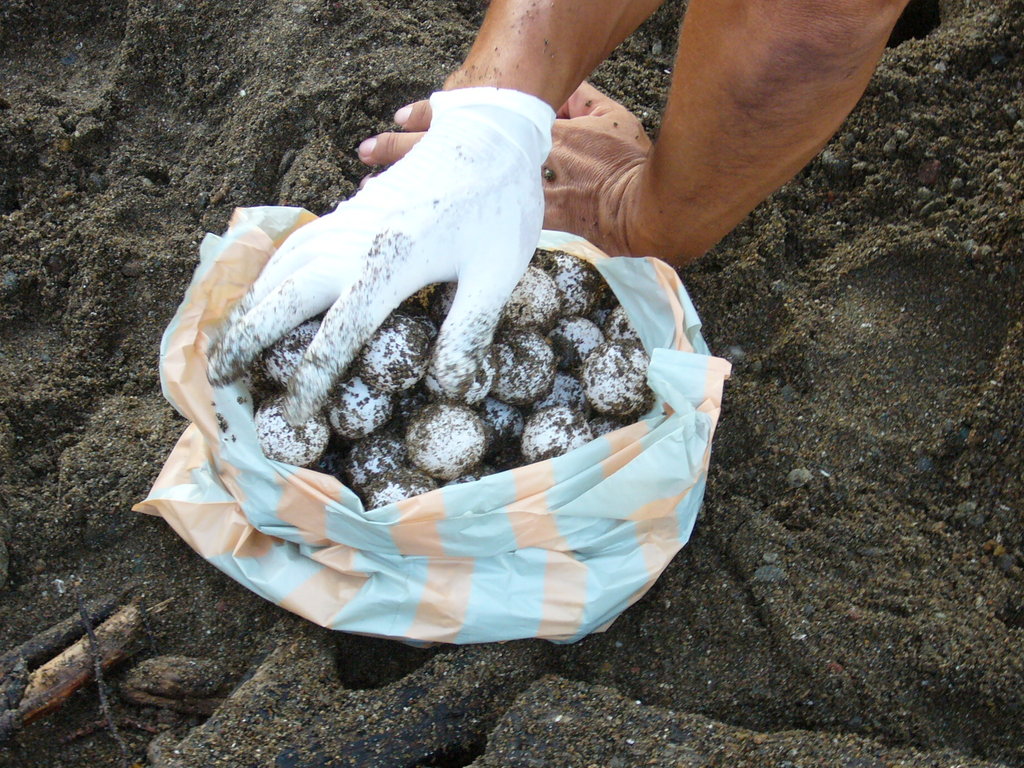
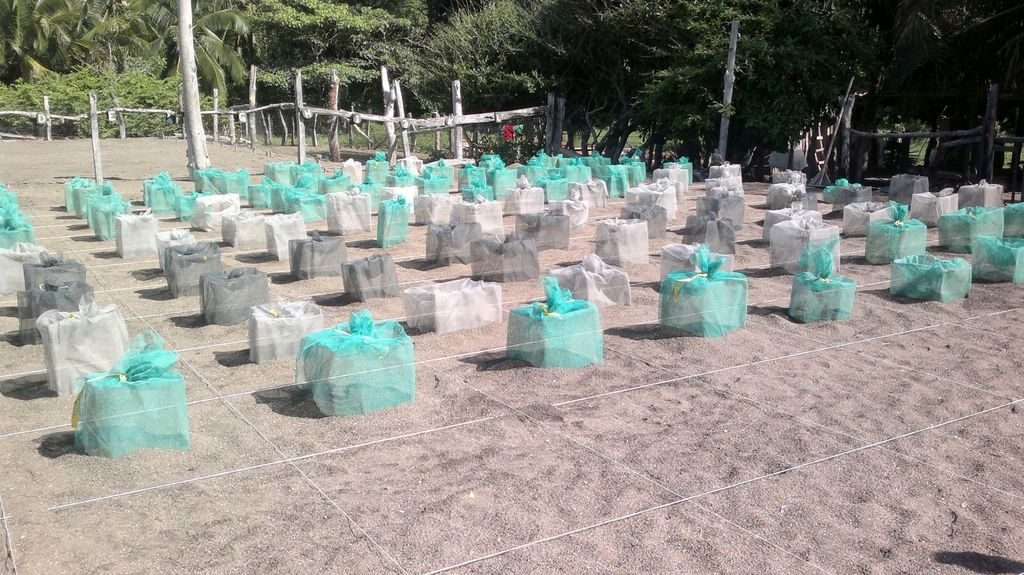
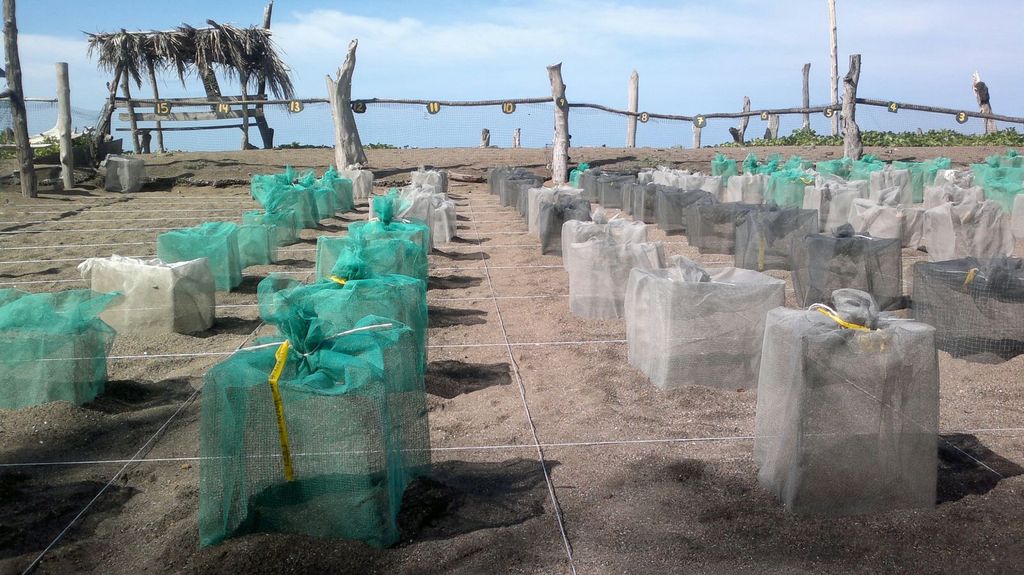
So in our hatchery we now have over 7000 olive ridley eggs,and nearly 300 hawksbill eggs incubating. Considering that the hawksbill turtle is a critically endangered species according to the IUCN Red list, this is no small feat.
The "el Niño" phenomenom has had a devasting effect on caribbean shores, and the rainy season this year on the pacific is expected to be just as harsh. So far Guanacaste region has been suffering a drought for several months - not the best conditions for incubating turtle eggs. Volunteers and staff and manually watering each nest, to bring down the scorching sand temperatures.
We so desperately need to put the finishing touches to the hatchery, that was built using Global Giving donations.
As you can see from the pictures, the nests need some shelter and protection from the sun, and from the rain when it inevitably comes.
This will allow the eggs to have the best chance of survival at the optimum temperatures - especially in these difficult conditions. We are so close...
Project reports on GlobalGiving are posted directly to globalgiving.org by Project Leaders as they are completed, generally every 3-4 months. To protect the integrity of these documents, GlobalGiving does not alter them; therefore you may find some language or formatting issues.
If you donate to this project or have donated to this project, you can receive an email when this project posts a report. You can also subscribe for reports without donating.