Schistosomiasis Control Initiative (SCI)

by Imperial College London
Play Video
Schistosomiasis Control Initiative (SCI)

Project Report | Dec 6, 2016
Reduced disease prevalence across SCI programmes

By Demran Ali | Communications Manager

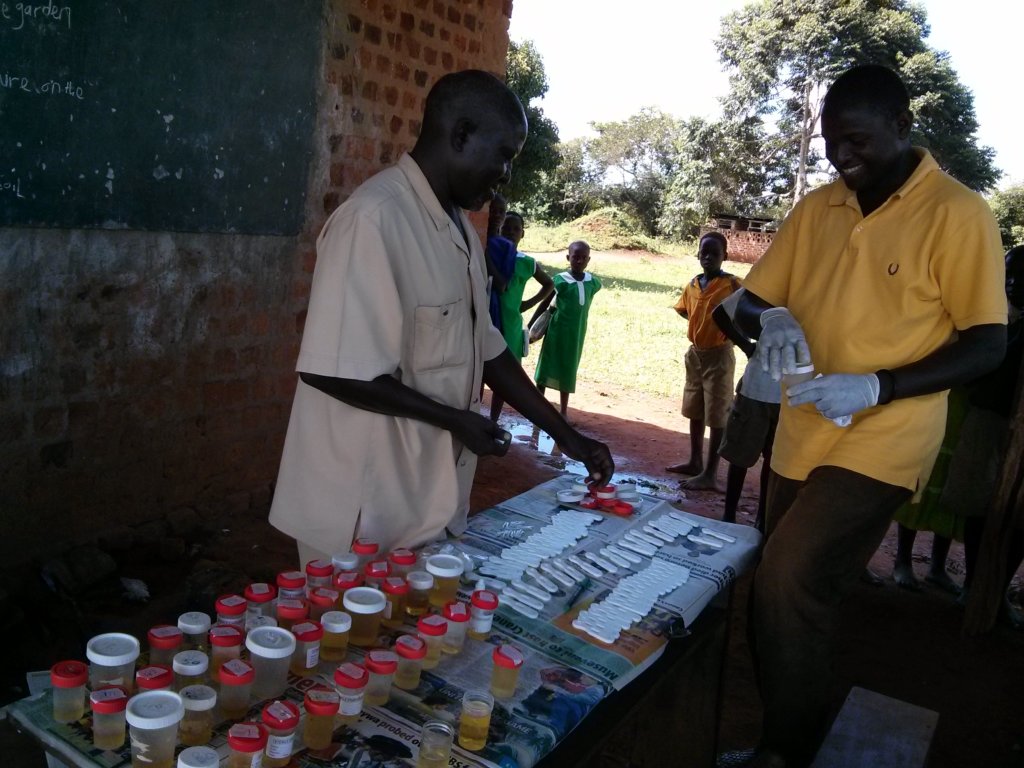
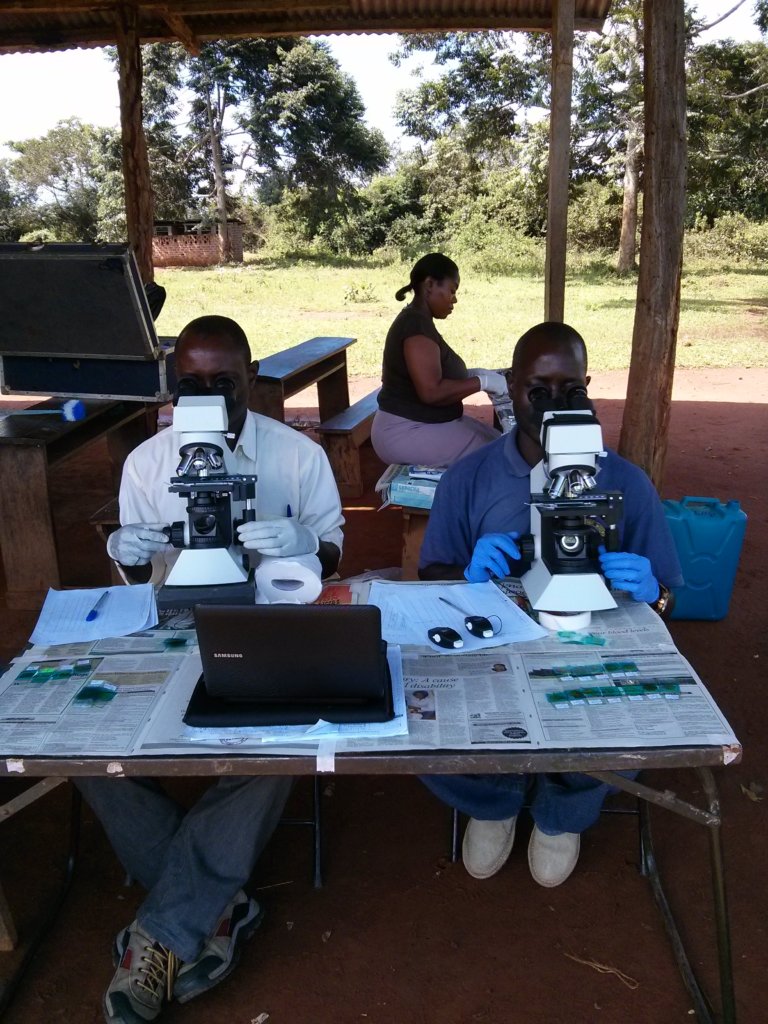
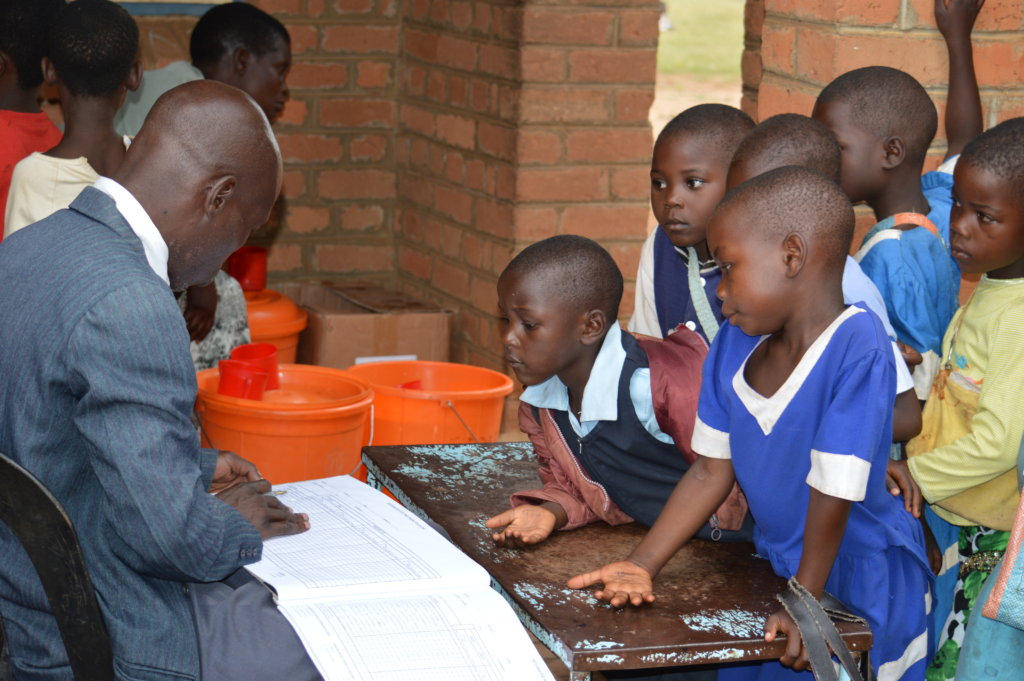
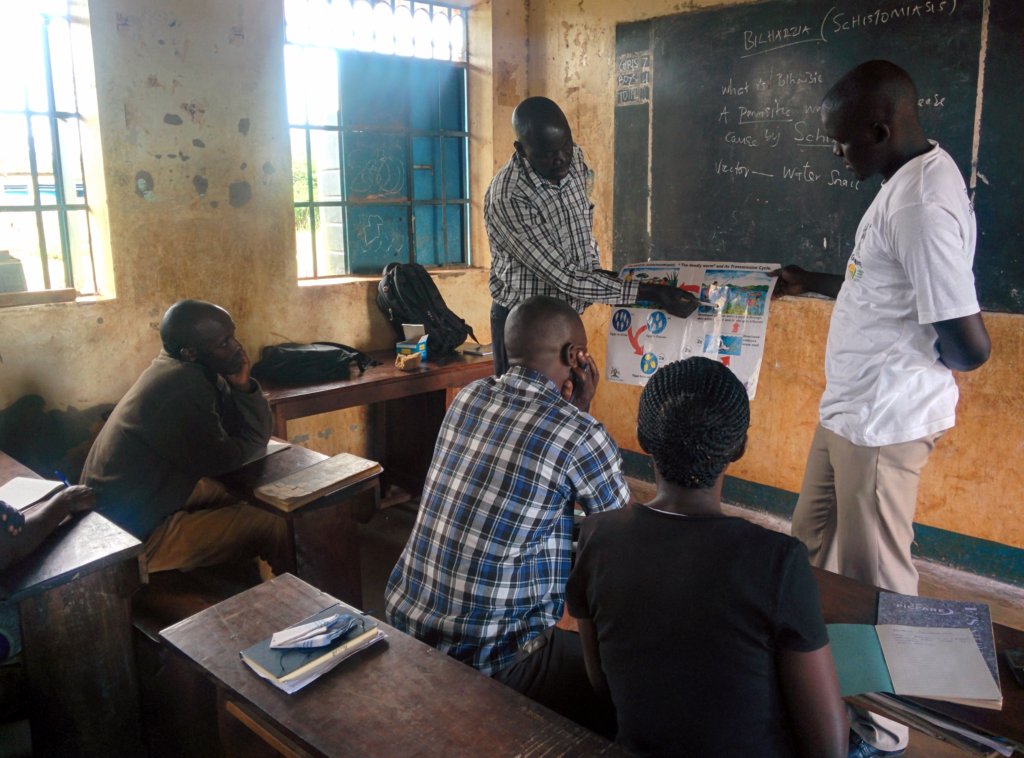
SCI are delighted to report reductions in prevalence (proportion of individuals in a population infected) for both urinary and intestinal schistosomiasis (SCH) in follow-up surveys of school-age children (SAC), for the majority of countries with survey data available.*

In representative samples, prevalence reductions of up to 45 percentage points for both SCH species are observed following one treatment round (“Follow-up” in the graphs below) and overall prevalence in the majority of countries fell below 10% following at least two rounds of treatment.

These data demonstrate that mass drug administration (MDA) programmes (the treatment of an entire population of SAC in a geographic area) are not only achieving great prevalence reductions of SCH, but that this impact can be observed very quickly in many countries.

Prevalence reductions of SCH are generally greatest in pre-ICOSA (Integrated Control of Schistosomiasis in Sub-Saharan Africa) surveys where the starting prevalence is also higher, as SCI work was focused in the areas of greatest need. As the programmes have expanded to treat whole countries, there has been a corresponding decrease in initial average prevalence  (as areas with lower levels of disease have also been incorporated). There are endemic areas where a decrease in prevalence is not seen and SCI works with its in-country partners at the Ministry of Health to develop a more comprehensive understanding of SCH transmission in those areas and determine appropriate control solutions.    

* Data is not yet fully available in some countries where programmes have only recently started.

Links:

Share on Twitter Share on Facebook

About Project Reports

Project reports on GlobalGiving are posted directly to globalgiving.org by Project Leaders as they are completed, generally every 3-4 months. To protect the integrity of these documents, GlobalGiving does not alter them; therefore you may find some language or formatting issues.

If you donate to this project or have donated to this project, you can receive an email when this project posts a report. You can also subscribe for reports without donating.

Sign up for updates

Organization Information

Imperial College London

Location: London - United Kingdom
Website:
Facebook: Facebook Page
Alexandra Weldon
Project Leader:
Alexandra Weldon
London , London United Kingdom

Funded Project!

Combined with other sources of funding, this project raised enough money to fund the outlined activities and is no longer accepting donations.
   

Still want to help?

Find another project in Ethiopia or in Physical Health that needs your help.
Find a Project

Learn more about GlobalGiving

Teenage Science Students
Vetting +
Due Diligence

Snorkeler
Our
Impact

Woman Holding a Gift Card
Give
Gift Cards

Young Girl with a Bicycle
GlobalGiving
Guarantee

Get incredible stories, promotions, and matching offers in your inbox

WARNING: Javascript is currently disabled or is not available in your browser. GlobalGiving makes extensive use of Javascript and will not function properly with Javascript disabled. Please enable Javascript and refresh this page.