By Demran Ali | Senior Communications Manager
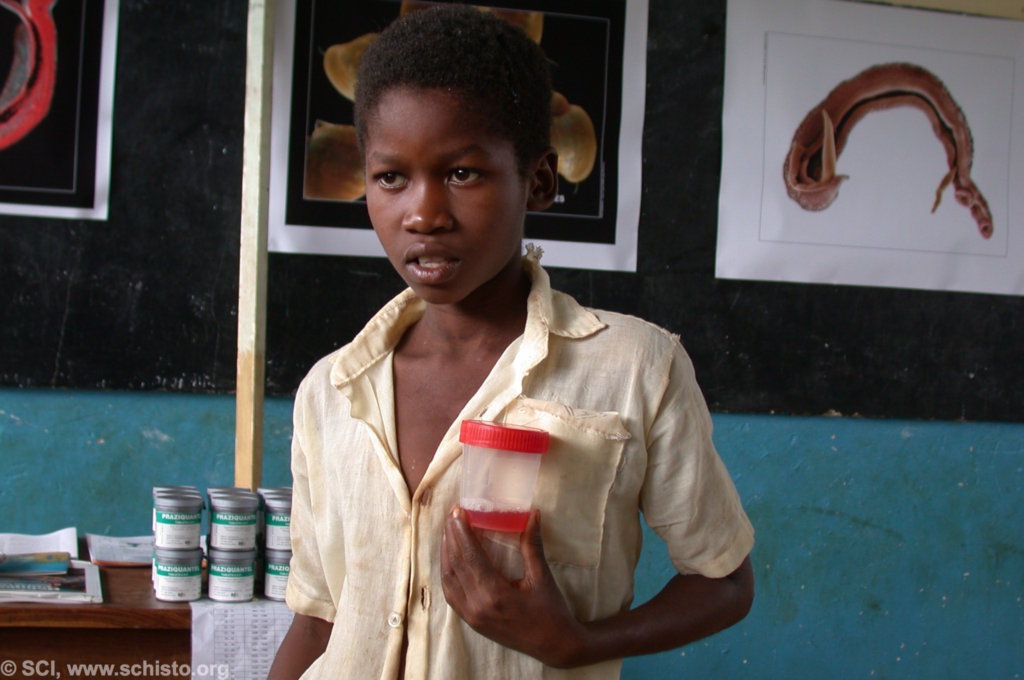
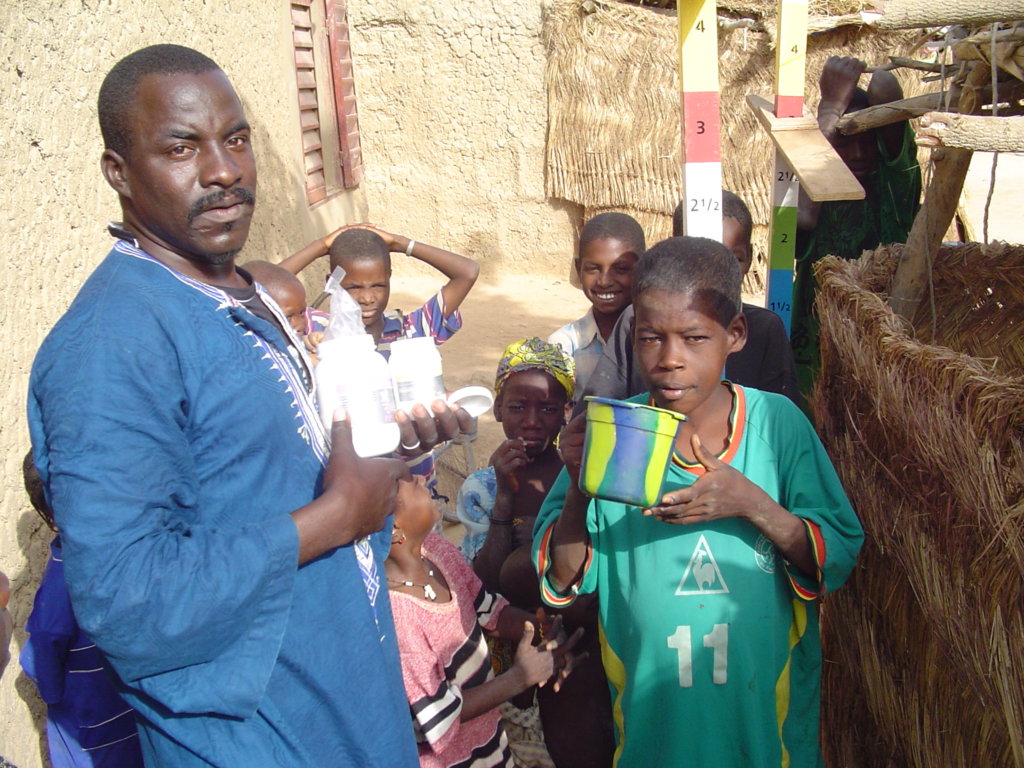
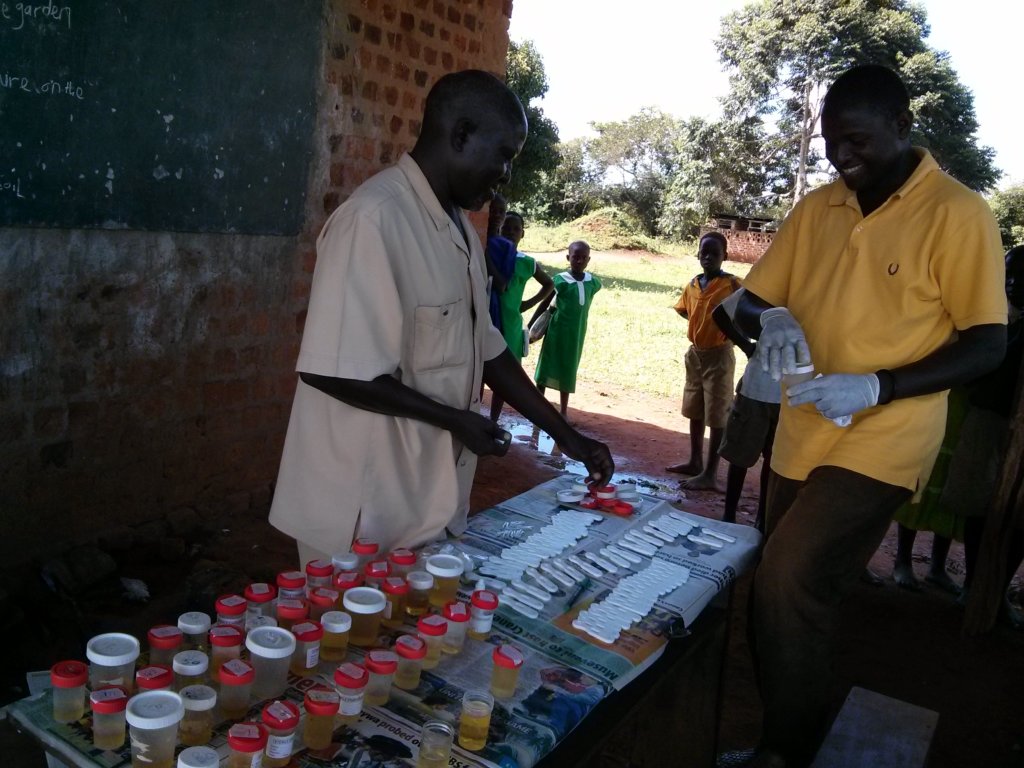
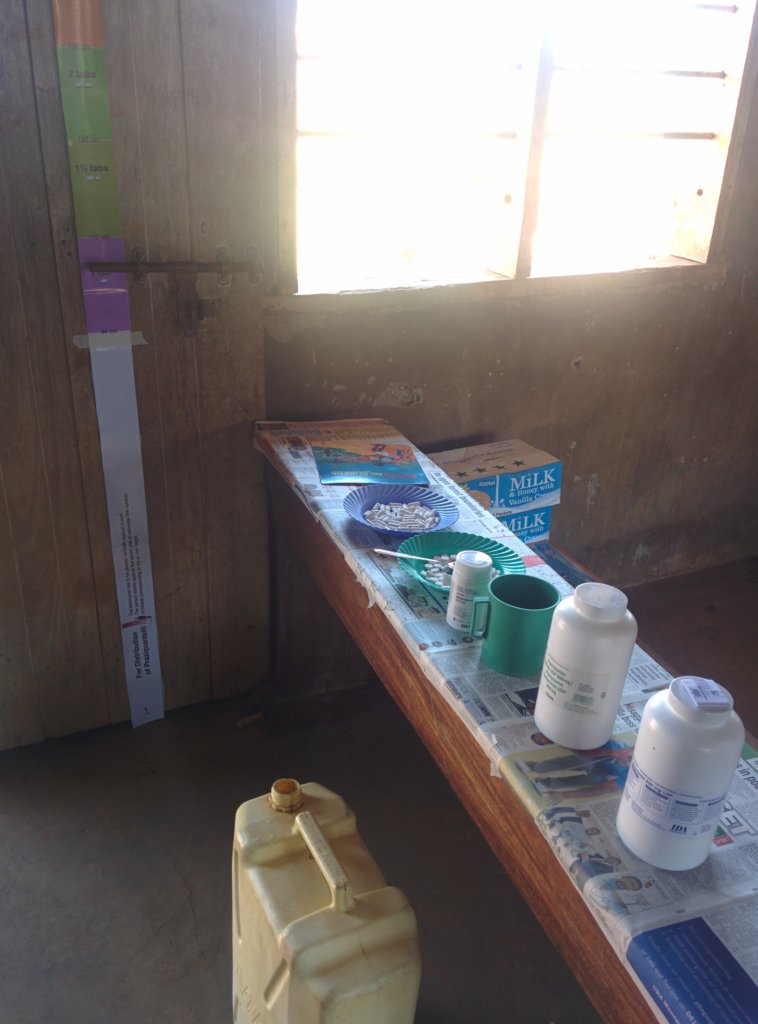
Mass treatment of communities exposed to parasitic worm infections, such as schistosomiasis and intestinal worm infections, is one of the ways control of these diseases can be achieved over time. Preventive chemotherapy through mass drug administration not only reduces the damaging effects of infection, but it is also a public health intervention to diminish the overall incidence of disease.
Thanks to donations from the pharmaceutical companies Merck KGaA, GSK and Johnson & Johnson, millions of people are able to receive the treatment they need against these diseases to live a healthier life. Every year, up to 850 million quality-assured tablets are donated by these companies.
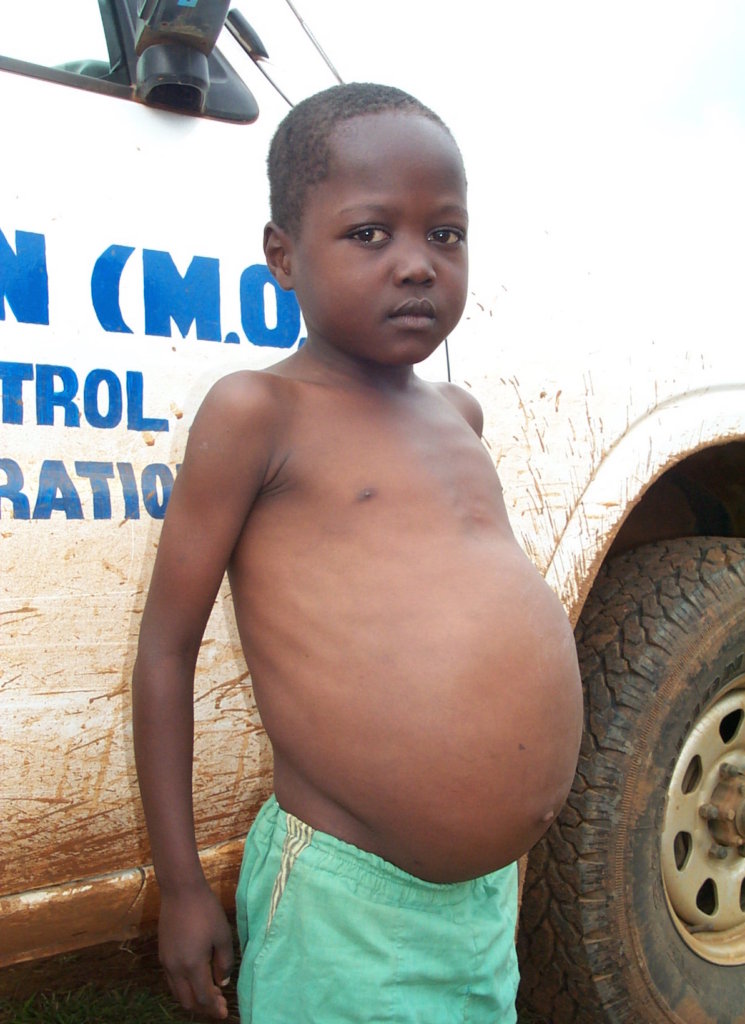
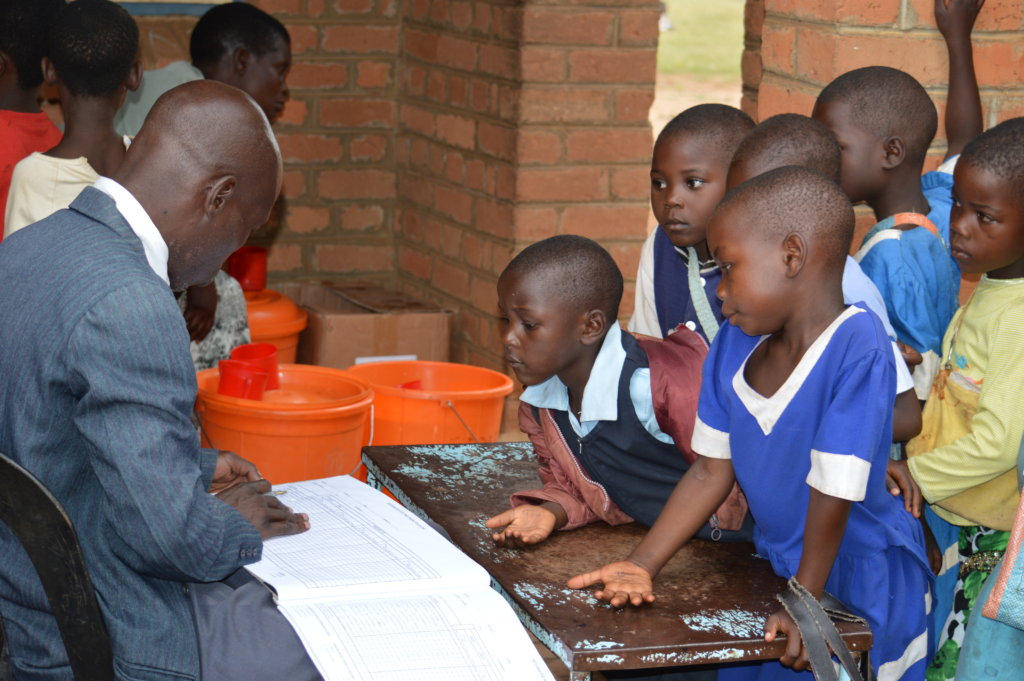
Increases in donations in recent years have enabled the treatments of up to 100 million more children suffering with parasitic worms. Without these generous donations, costs of treatment would increase significantly. Fewer children would have access to the necessary medicines, resulting in stunted growth, internal organ damage, impaired cognitive development and more. With these donations, we’re getting closer to achieving universal health coverage.
Why are donated drugs available?
There are global targets to control and eliminate these diseases for good, in accordance with the United Nations Global Sustainable Development Goals and the World Health Organization’s (WHO) Roadmap for NTDs. Pharmaceutical companies signed the ‘London Declaration on Neglected Tropical Diseases’ in 2012 which committed to controlling, eliminating and eradicating these diseases by 2020, improving the lives of over a billion people.
How does it work?
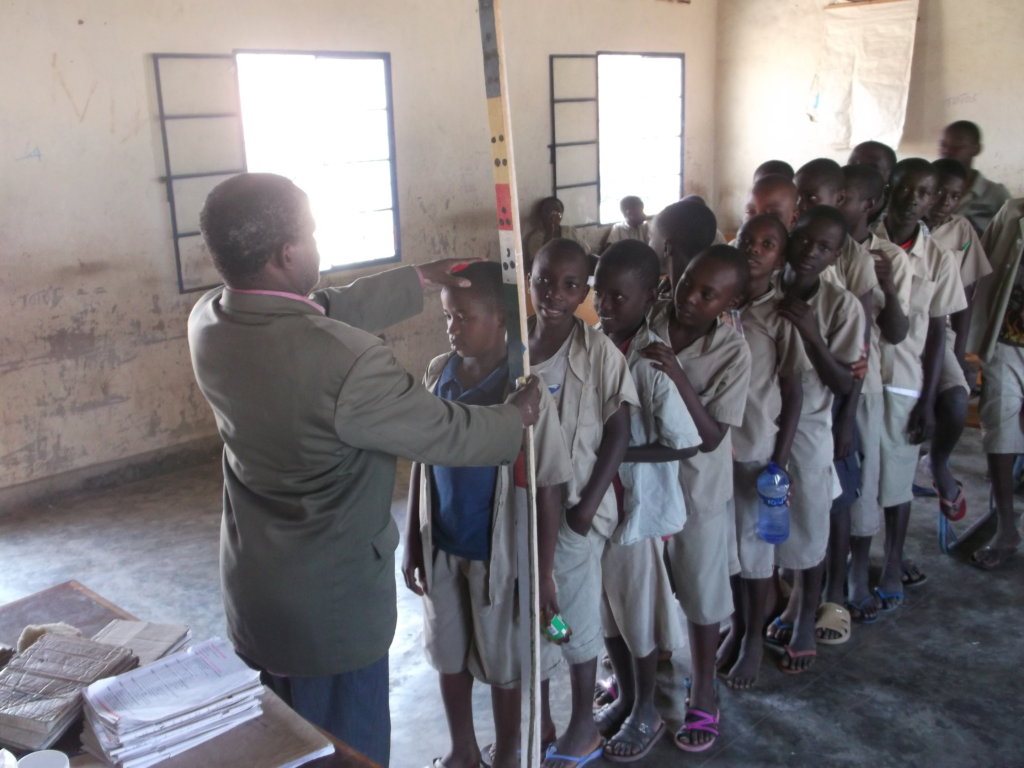
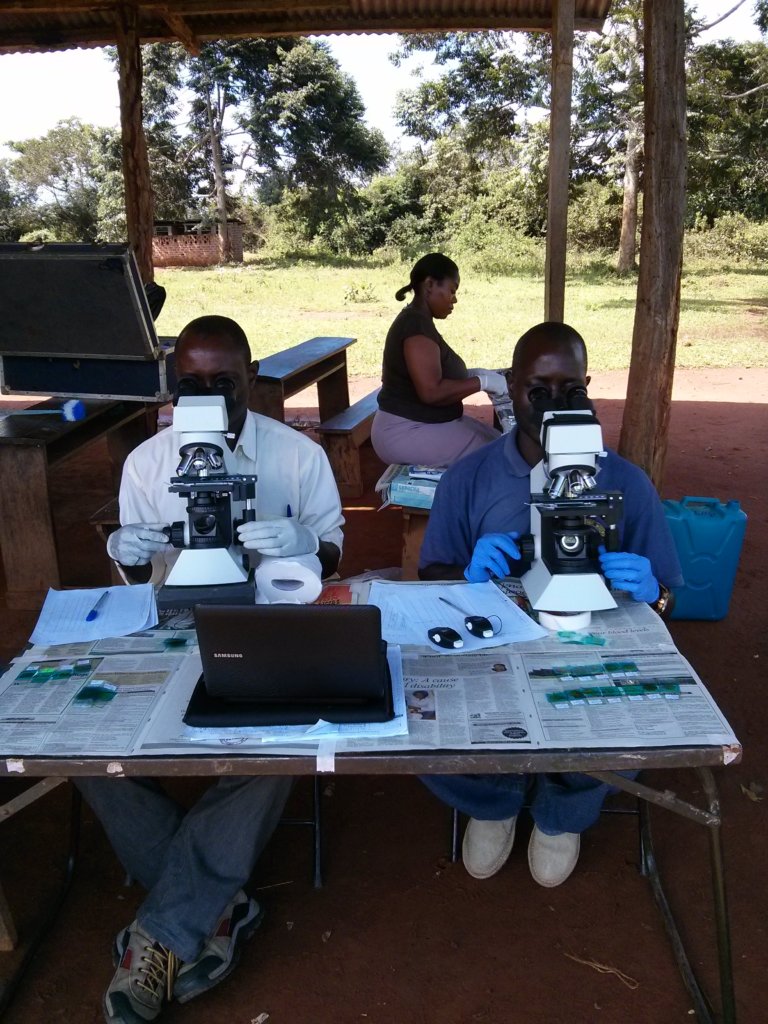
SCI supports countries to accurately forecast the quantities of donated medicines against parasitic worm infections they need each year. Results from mapping, which measures the level of disease across each country affected, helps to determine how frequently the population needs to be treated. In communities where there is a high level of disease, treatment should be distributed to all those eligible every year.
Countries then apply annually to the WHO for the donated medicines they need. To facilitate the process of application, review and reporting and to improve coordination and integration, Ministries of Health submit standardised joint request forms to the WHO. These forms are reviewed and consolidated through a process coordinated by the WHO, who work closely with the pharmaceutical companies to plan deliveries.
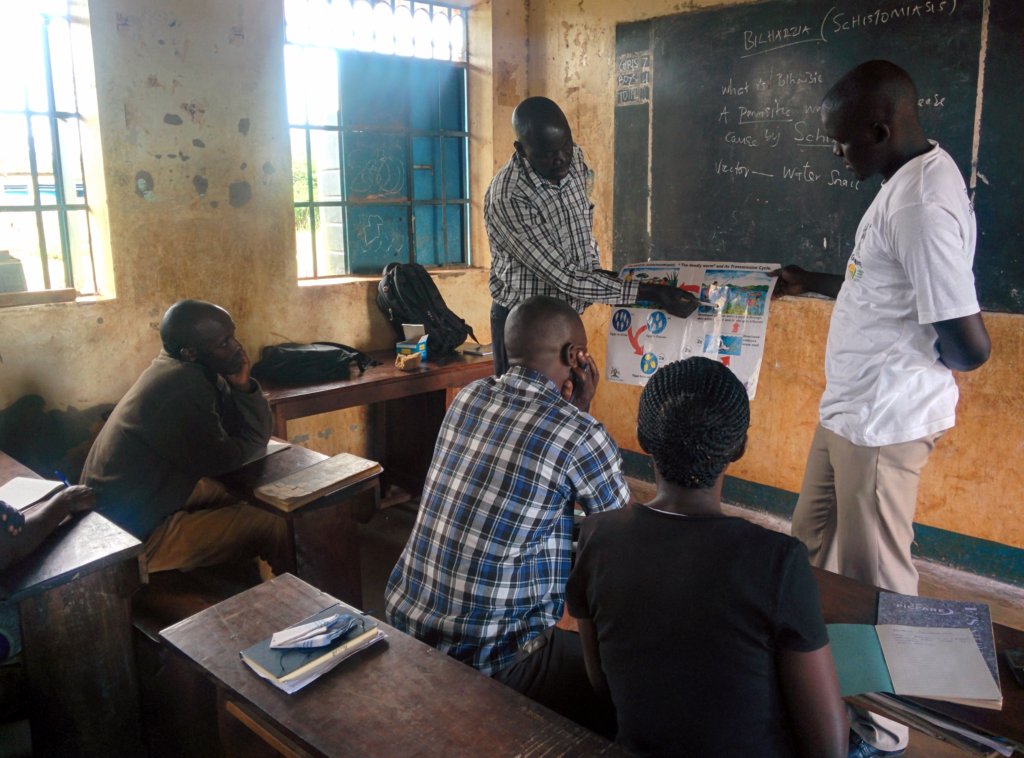
Until sanitation facilities and access to clean water can be improved in affected countries, the SCI will continue to support the delivery of the donated drugs to people living with parasitic worm infections like schistosomiasis and intestinal worm infections. Drug donations are therefore essential to keep the cost down and allow us to support as many treatments as possible.
If you’d like to learn more about what we do at the SCI, follow us on social media.
Links:
Project reports on GlobalGiving are posted directly to globalgiving.org by Project Leaders as they are completed, generally every 3-4 months. To protect the integrity of these documents, GlobalGiving does not alter them; therefore you may find some language or formatting issues.
If you donate to this project or have donated to this project, you can receive an email when this project posts a report. You can also subscribe for reports without donating.