By Meagan Silencieux | Engagement Director
From January to March 2026, Haiti continued to navigate a complex landscape of socio-political unrest and systemic instability. While these challenges occasionally delayed field activities, they also ignited a powerful wave of community-led advocacy. In more remote areas like Pikmi, survivors and local leaders took to the streets to demand justice, while others launched small social enterprises to fund their own education advocacy.
This quarter proved that the collective will of the community to protect its children is unbreakable despite the fragility of government services. Our work is delivered in partnership with the Matènwa Community Learning Center (MCLC), other local partners, the numerous Child Protection Brigades, Multi-stakeholder Education Advocacy Platforms, and Neighborhood Survivor groups; focusing on five core pillars: mobilization, capacity building, advocacy, child protection, and survivor empowerment.
Breaking the Silence in New Communities (Mobilization)
We focused on expanding our reach into areas where the restavek practice remains common and educational services are in deficit. By engaging local leaders and parents through dialogue groups and public events, we are successfully raising public awareness and dismantling the cultural acceptance of child domestic servitude.
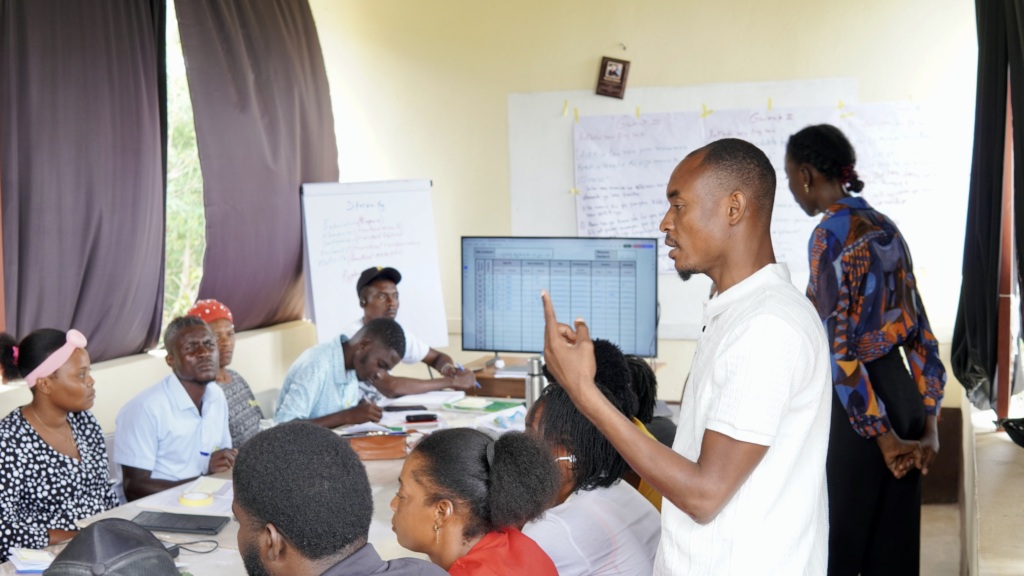
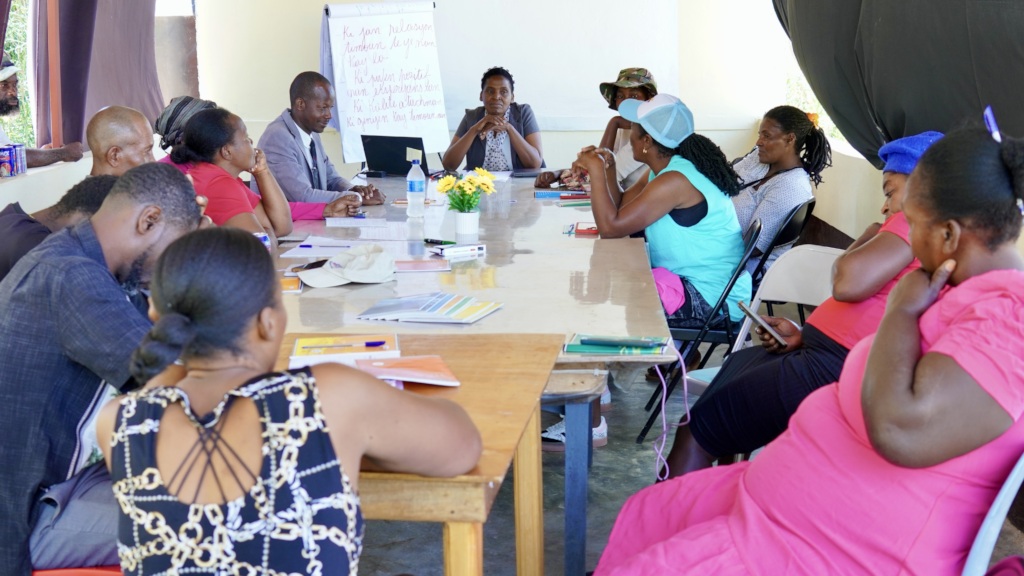
Our teams utilized the Education is a Conversation (ESK) method to reach 1,806 individuals in child rights dialogue workshops, while multi-stakeholder Education Advocacy Platforms hosted 11 General Assemblies to involve parents and community advocates in the local movement to improve access to education, school management, and ensure local school districts meet their obligations to rural areas. These efforts have transformed passive observers into active protectors, creating a community-wide safety net that monitors both child safety and school attendance.
Highlights:
Empowering Local Leaders and Teachers (Capacity Building)
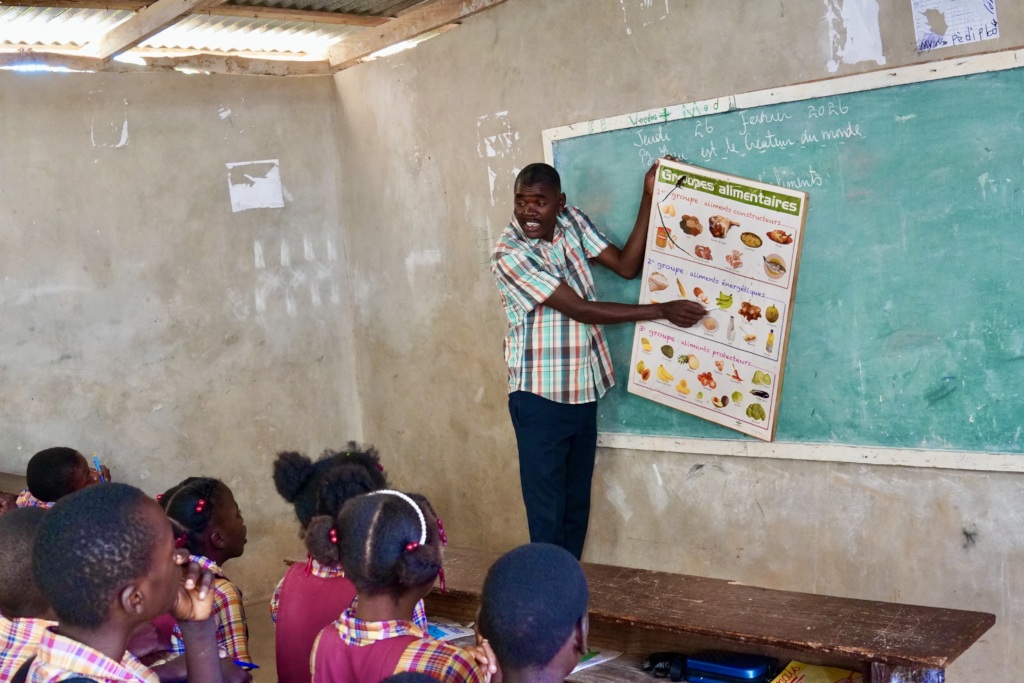
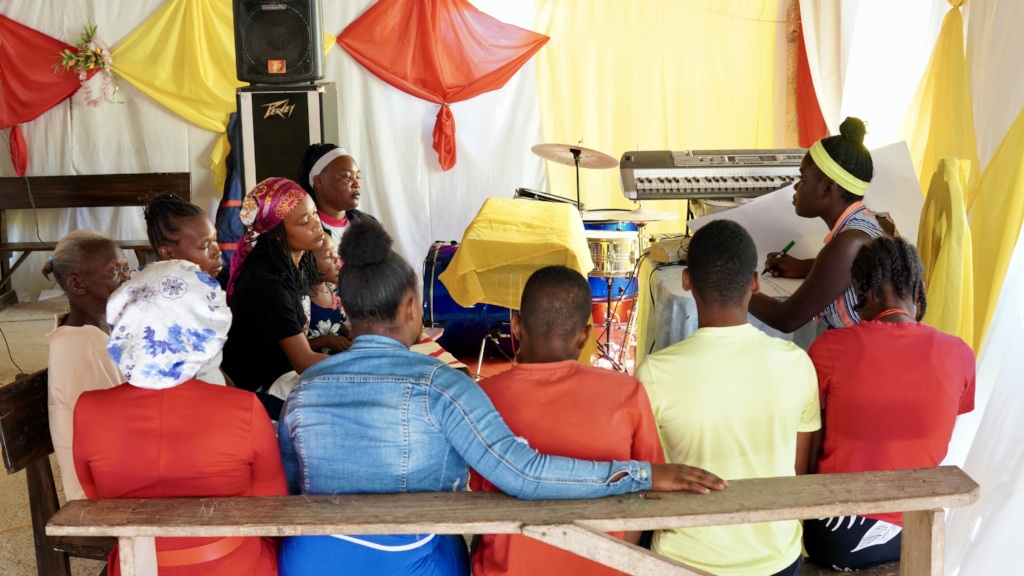
Our movement-building approach centres the empowering of local actors to be the experts in their own communities. This quarter, we focused on two areas : training neighborhood survivor-led groups to manage their own advocacy and training teachers to master participatory, nonviolent and inclusive teaching methods, effective classroom management, and native-language literacy instruction.
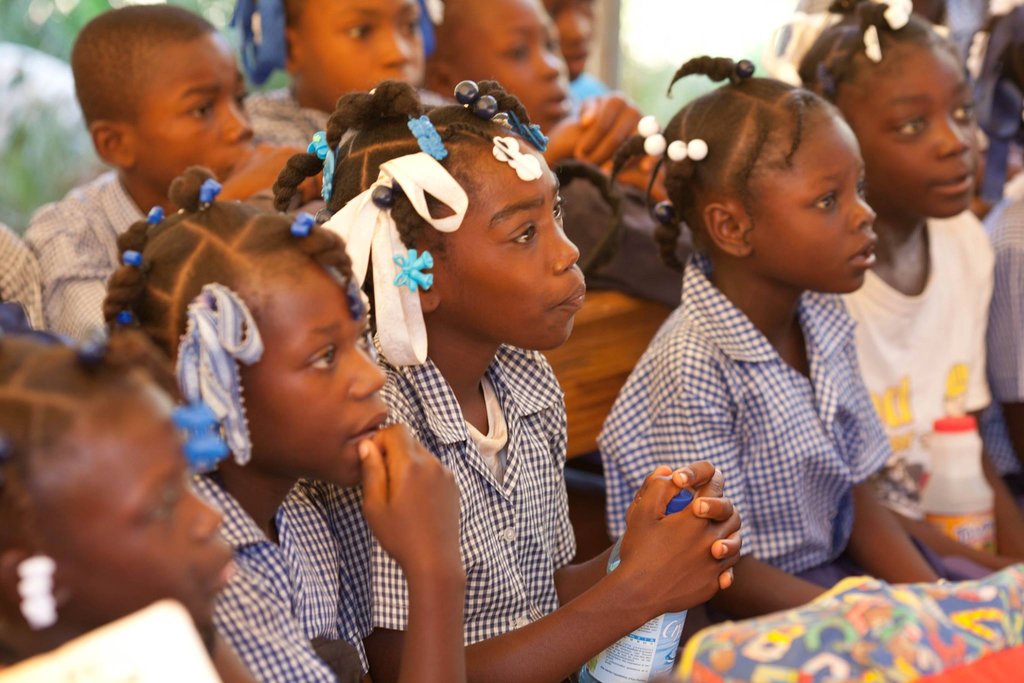
In order to build knowledge and skills as widely as possible , we focused on Training for Trainers, reaching 117 educators. This training is vital because a well-managed, engaging classroom helps ensure that every child has the safety and support needed to learn, thrive, and reach their potential.
Simultaneously, we provided coaching and technical support to 15 Neighborhood Survivor groups, equipping them with the professional tools—such as requisition forms and secure fund boxes—needed to operate independently, and strengthen the community-wide safety net that protects children from exploitation.
Highlights:
Seeking Justice and Accountability (Advocacy)
Advocacy this quarter shifted from simple awareness to demanding systemic accountability. By representing our work via the Caribbean Network Against Human Trafficking, our movement is now sharing on an international stage. Locally, our advocates are no longer just asking for change; they are demanding it directly from the state and the justice system.
One of the most effective tools this quarter was the Mock Trial activity (Pwosè Simile), which dramatizes the legal consequences of child exploitation. These simulation events have moved local authorities to request formal partnerships, ensuring that child protection laws are not just on paper, but are understood and enforced in the streets.
Highlights:
Child Protection & Reintegration
The ultimate goal of our work is the physical and emotional safety of the child. This quarter saw a high volume of direct interventions, ranging from the legal liberation of children in domestic servitude to the reintegration of children back into the school system. A rescued child needs skilled accompaniment, and a safe, supportive place to go, which is why the foster care network is so critical.
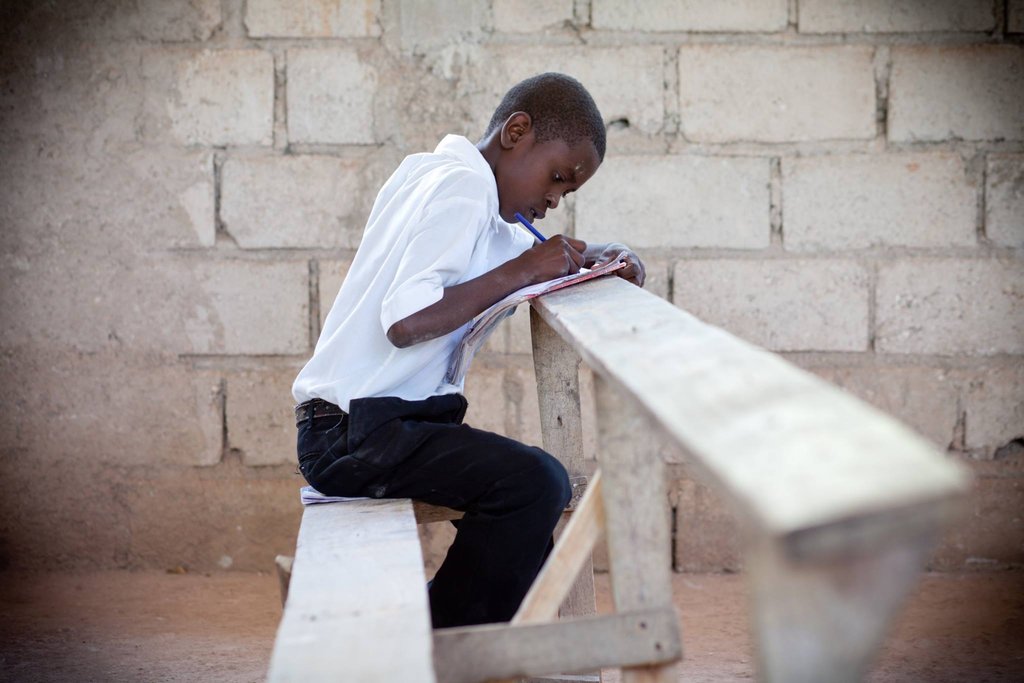
We hosted workshops for 14 accredited foster families on Lagonav to ensure they are prepared for the complex needs of survivors. On the education side, staff and local activists successfully identified and re-enrolled children who had been out of school for years. This dual approach—rescuing them from servitude and placing them in a supportive school environment—is an effective way to break the cycle of poverty.
Highlights:
Pillar 5: Survivor Empowerment
Our survivor-led wellbeing and literacy programs are designed to restore the dignity that the restavek system attempts to take away. This quarter, we saw progress in economic independence, with survivors managing their own Neighborhood Savings and Credit groups (AVEK) - also known as village savings and loans groups, to save together and start small businesses.
The March graduation of 32 more women from our literacy centers was a crowning achievement. For a survivor, the ability to read and write is more than an academic skill; it is a shield against future exploitation and a key to participating in the economy.
Additionally, the launch of community-owned businesses, like a new phone-charging venture in Pikmi, shows that these communities are finding innovative ways to fund their own path to freedom. This unique income strategy will generate local funds to keep children in school and out of servitude.
Highlights:
Anadove’s Story
At the Literacy Center in Mònalo, Anadove is celebrating her graduation from her 1st year in the program. For Anadove, learning to read and write as an adult isn’t just about self improvement, but a reclaiming of the childhood she lost as a survivor of restavek.
"School has been very, very useful to me," she explains. "Because of these classes, I can write on my phone. Before, I couldn't do anything, but now I can send and reply to messages well."
This newfound literacy has changed her daily life in practical, empowering ways. In church, she can now read the hymn sheets in her women’s group. On her phone, she writes and communicates in Kreyòl with confidence. Most importantly, when she goes to the bank, she no longer needs a thumbprint or assistance; she proudly signs her own name.
The journey hasn't been without its emotions. Anadove shared her disappointment at not being the top student in her class, and her regret that she couldn't yet afford a gift for the teacher who visited her home to help her study.
"I don't know what else to say but thank you," she says. "I am so happy. I can participate in anything now."
Conclusion
Your support provides survivors like Anadove with the tools to write their own futures.
Thank you for helping her turn the page toward independence. Your unwavering commitment to the Schools Not Slavery project provides the critical resources needed to liberate children from servitude, equip teachers with life-changing pedagogical skills, and empower more survivors to mobilize neighbors, and welcome others into a life of safety, belonging, and shared leadership.
Project reports on GlobalGiving are posted directly to globalgiving.org by Project Leaders as they are completed, generally every 3-4 months. To protect the integrity of these documents, GlobalGiving does not alter them; therefore you may find some language or formatting issues.
If you donate to this project or have donated to this project, you can receive an email when this project posts a report. You can also subscribe for reports without donating.



Support this important cause by creating a personalized fundraising page.
Start a Fundraiser