By Pueblo a Pueblo | School Health and Nutrition
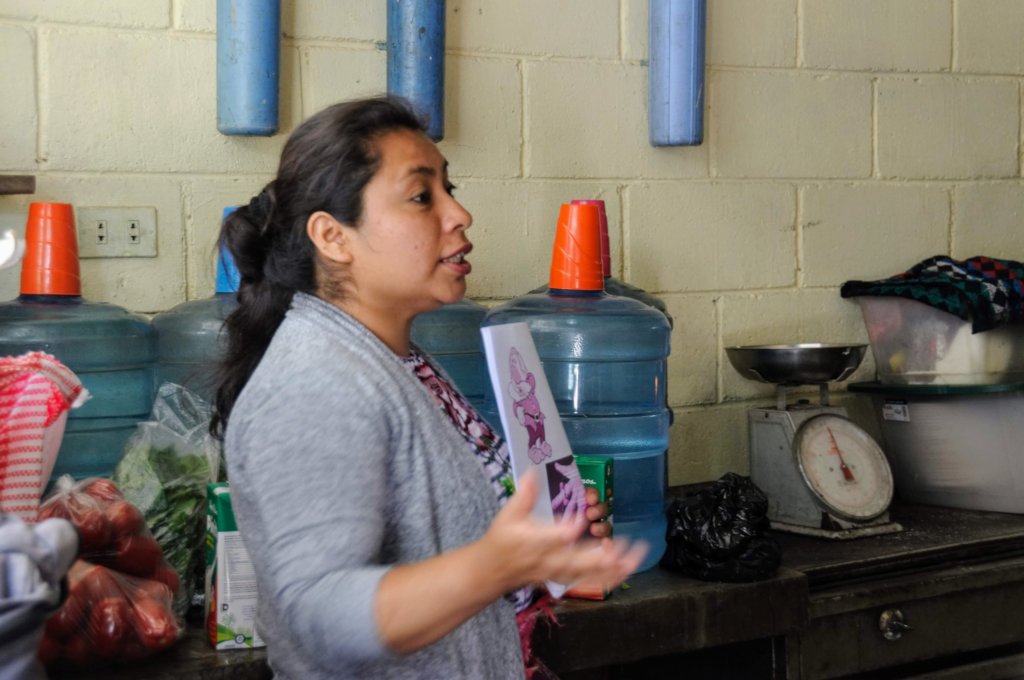
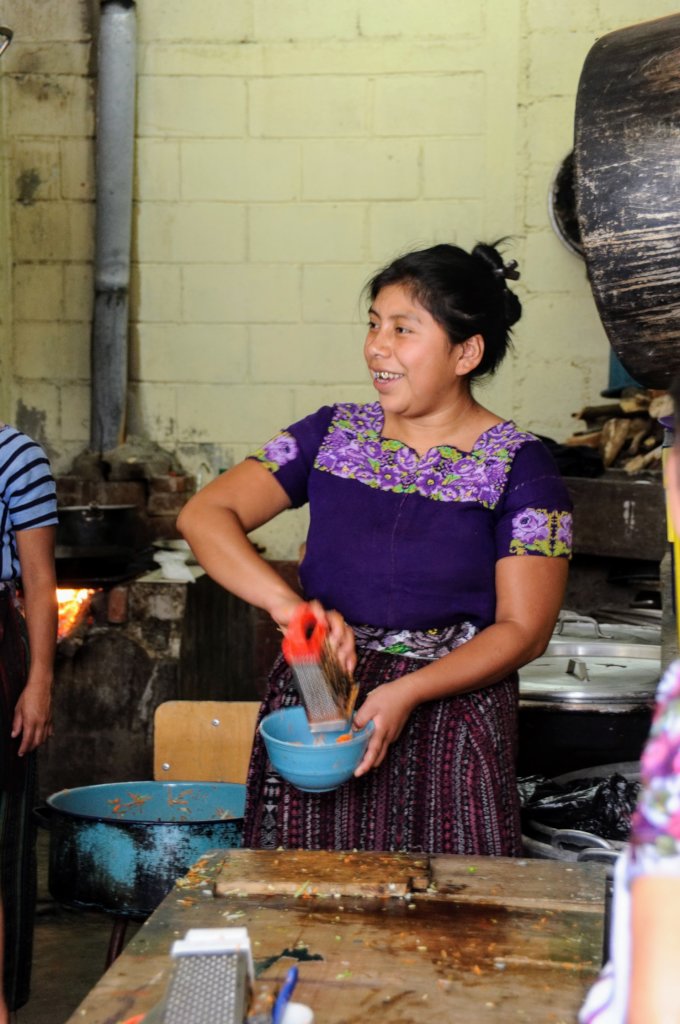
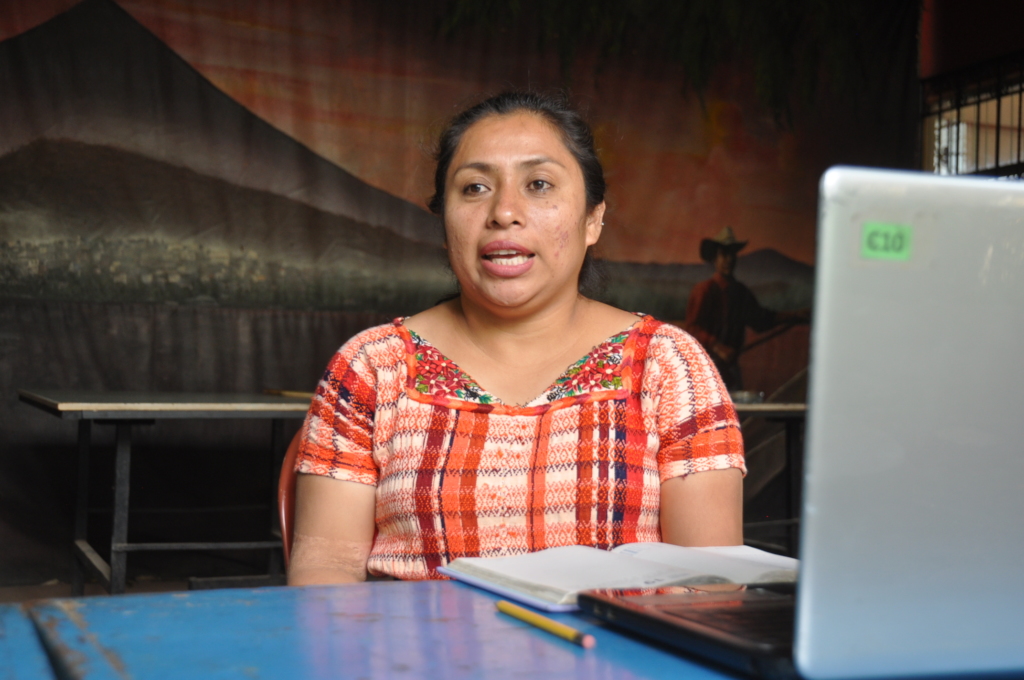
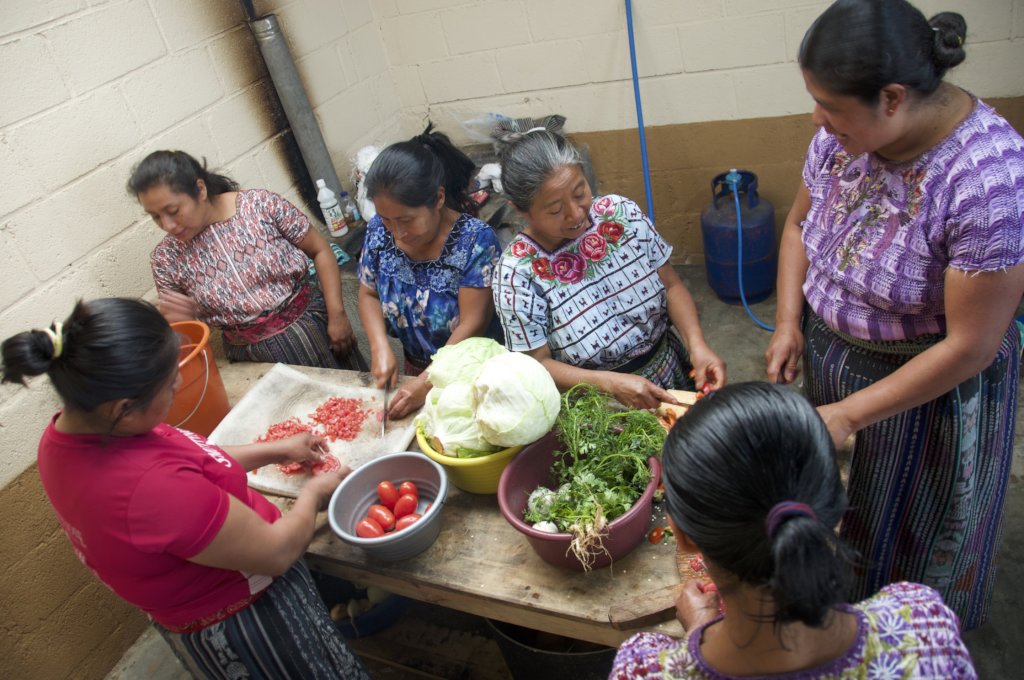
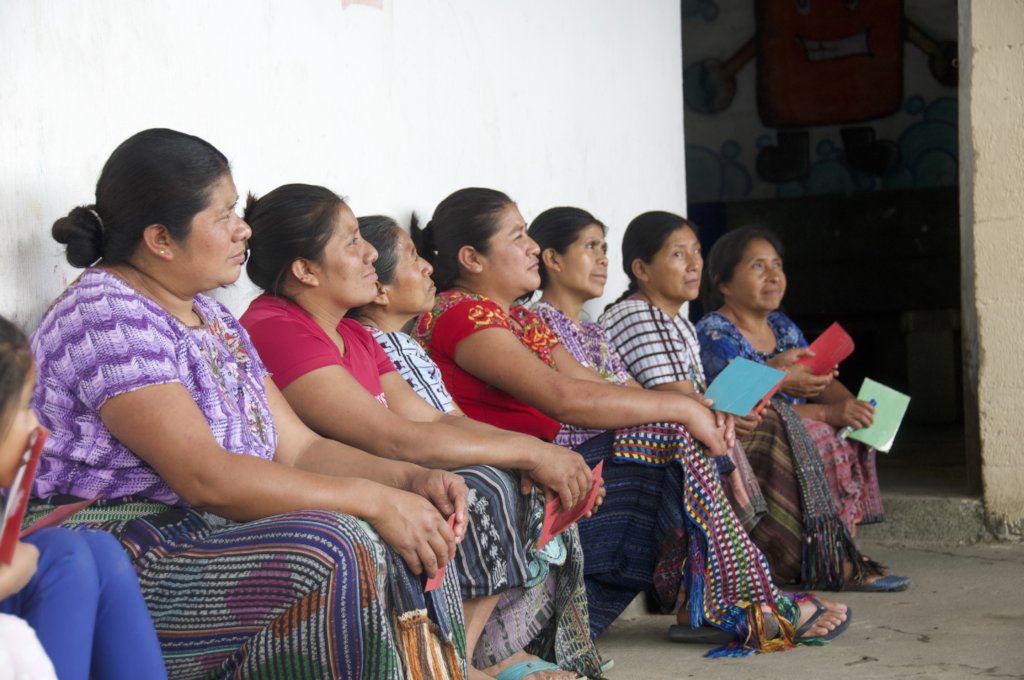
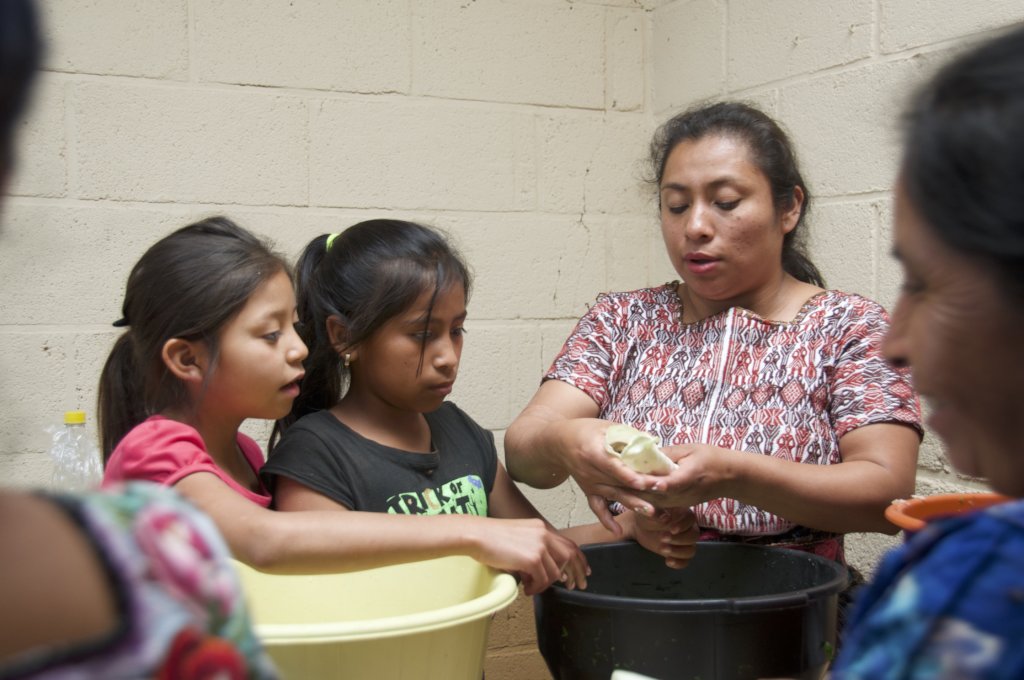
When we teach nutrition, it’s not always in the kitchen. Last week, Sandy visited Patzilin Abaj Primary School to lead a nutrition workshop for teachers—in the school’s organic garden!
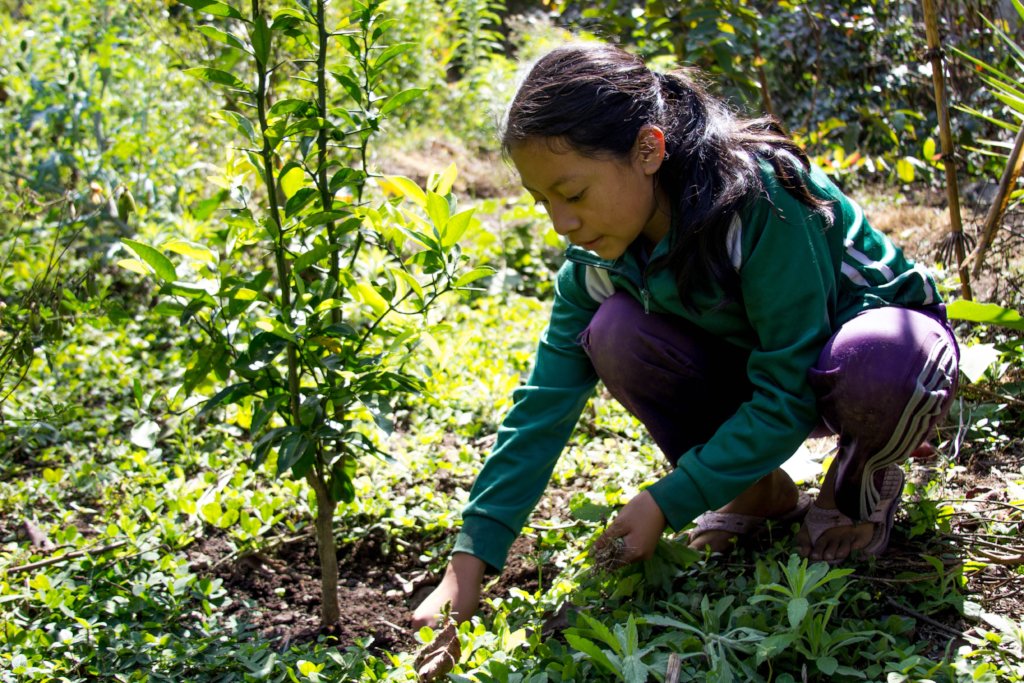
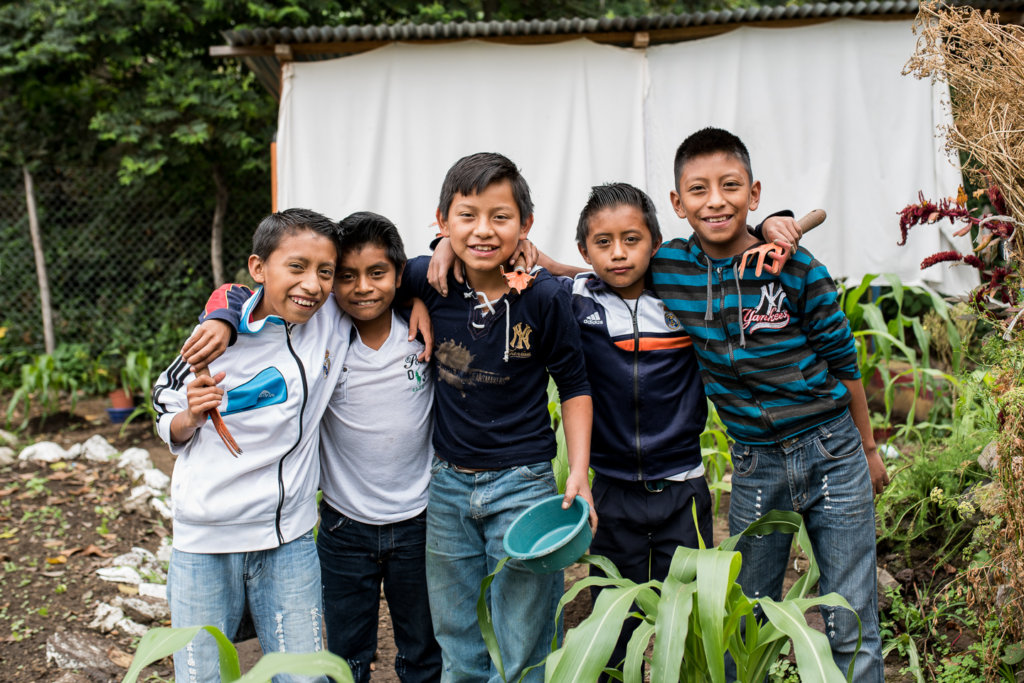
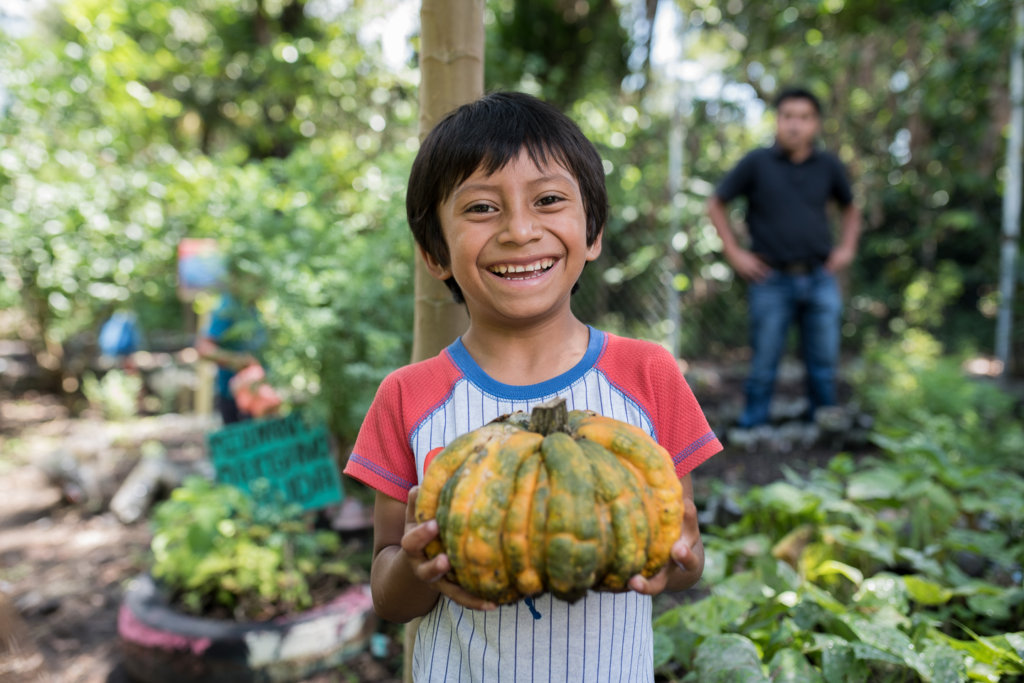
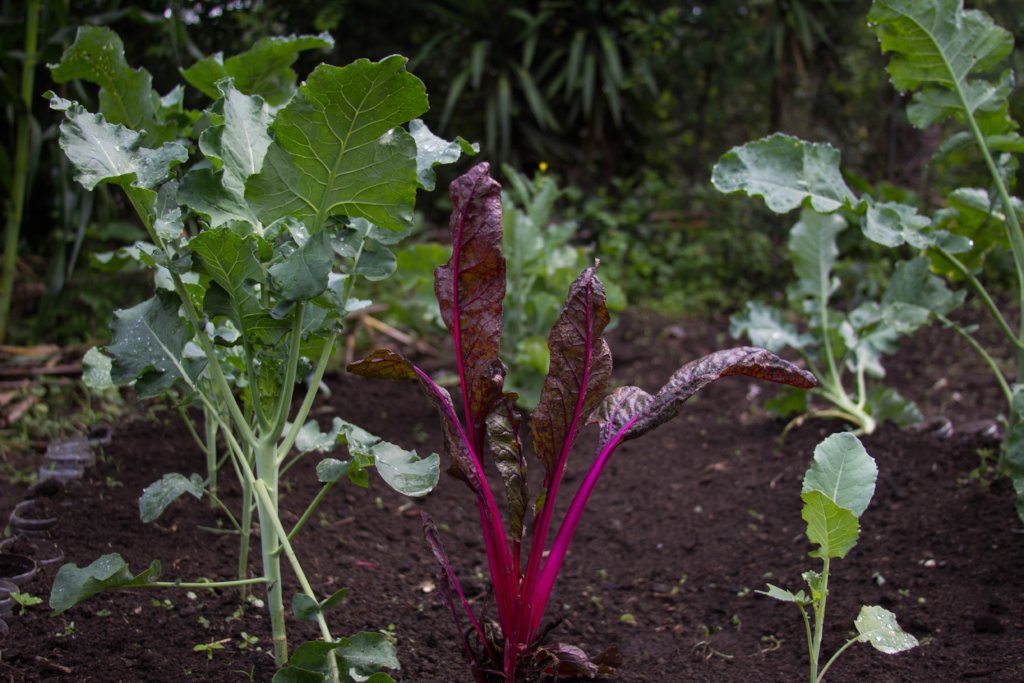
“Healthy cooking is just one facet of nutrition,” says Sandy. “We also need to know where our food comes from in order to understand how to prepare and eat healthy food.” The Patzilin Abaj school garden—established by local teens through Pueblo a Pueblo’s Youth Leadership project—is a valuable teaching tool that gives students hands-on experience with the process of growing organic vegetables from seed to harvest.
Sandy also hopes to encourage teachers to use the garden as an outdoor classroom. “Being outdoors gets students excited to learn,” she says, “so teachers have a lot to gain from incorporating the garden into their lesson plans no matter what subject they teach.”
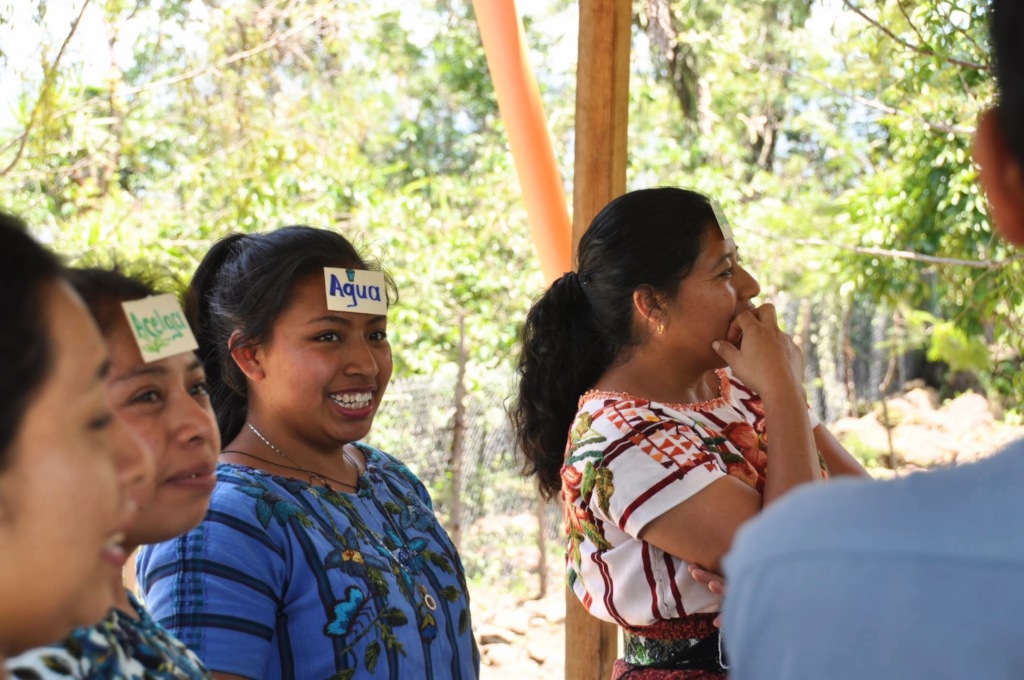
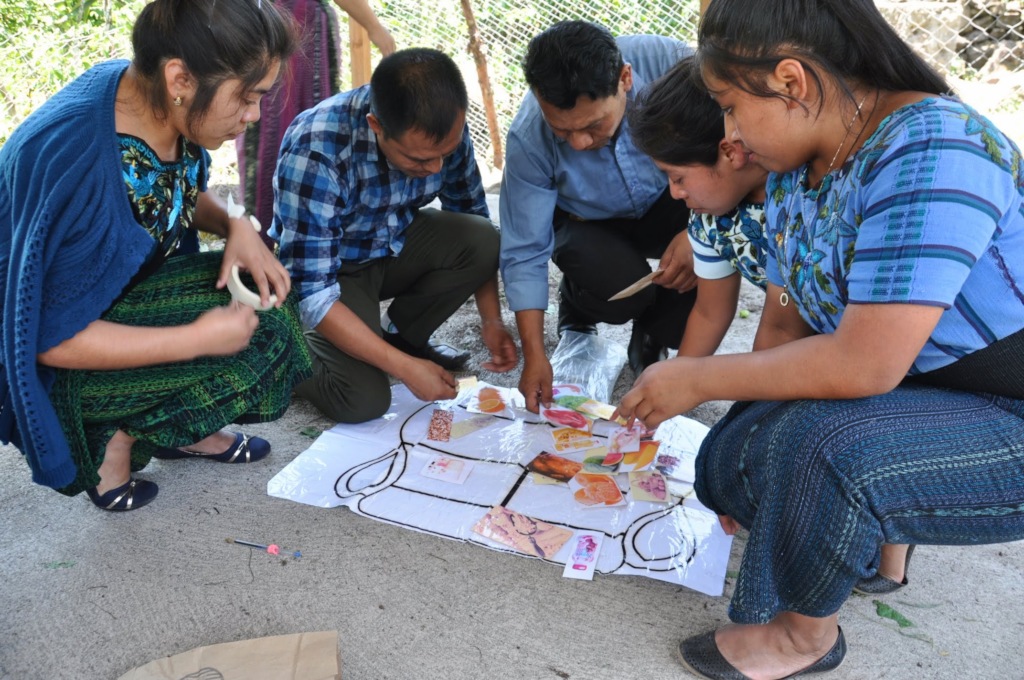
During the workshop, Sandy led a game to model a fun way teachers can engage students in nutrition education. She assigned each teacher an element of the food system to wear on their forehead and challenged them to guess their “identity” by asking their fellow teachers questions. Some, like tomatoes and spinach, were easier to guess. But others forced the teachers to think outside the box. “Yes,” said Sandy as she laughed along with the others, “water and soil are important parts of our food system, too!” She also modeled an activity based on the "olla familiar": the Guatemalan equivalent of the food pyramid.
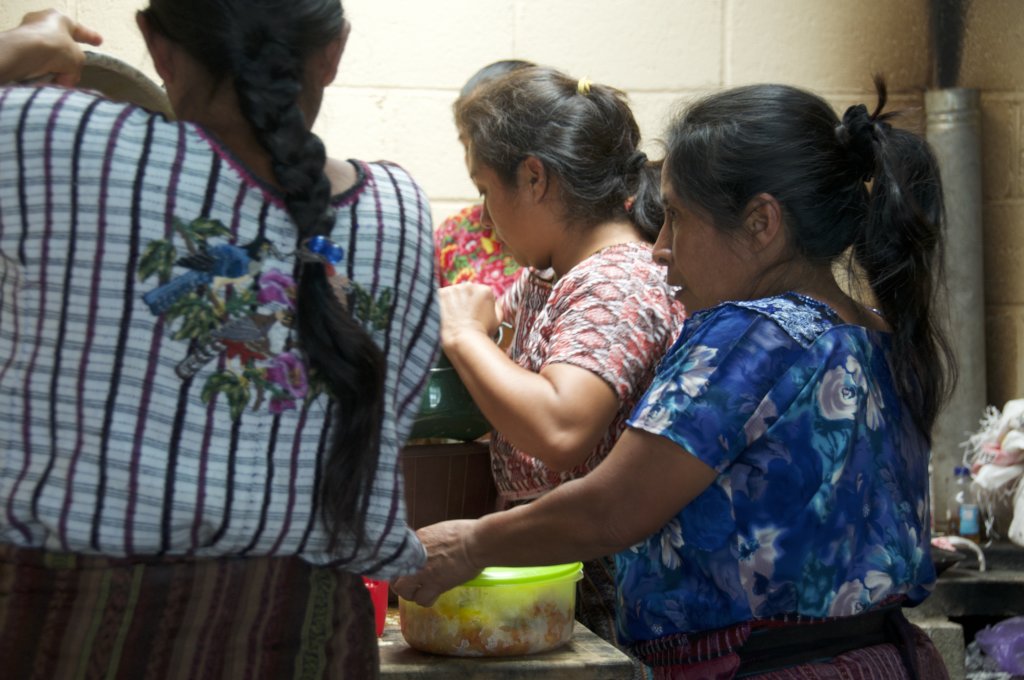
This kind of nutrition education addresses all three of Pueblo a Pueblo’s focus areas—health, education, and food security—which are deeply intertwined in the lives of our project partners. We seek not only to spread the word about eating healthy food but also to teach families how to grow that food in their own backyard. Thank you for believing in the power of education to build healthier communities! Your support fuels our success.
Links:
By Pueblo a Pueblo | School Nutrition
By Pueblo a Pueblo | School Health and Nutrition
Project reports on GlobalGiving are posted directly to globalgiving.org by Project Leaders as they are completed, generally every 3-4 months. To protect the integrity of these documents, GlobalGiving does not alter them; therefore you may find some language or formatting issues.
If you donate to this project or have donated to this project, you can receive an email when this project posts a report. You can also subscribe for reports without donating.