By Oscar Mauricio Siles Heredia | Fundraising Coordinator
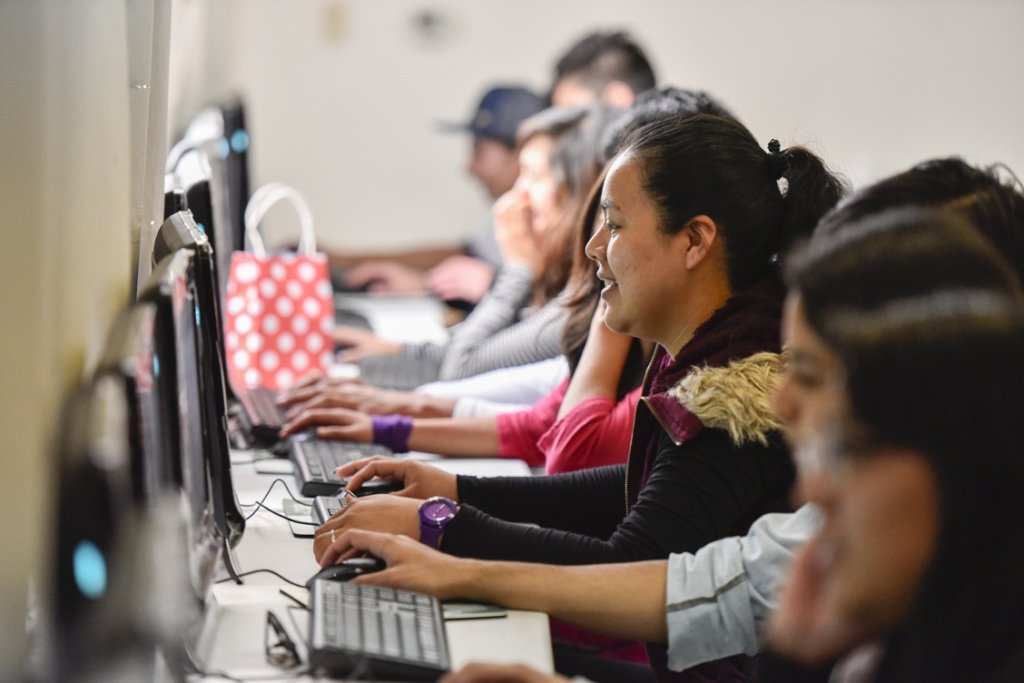
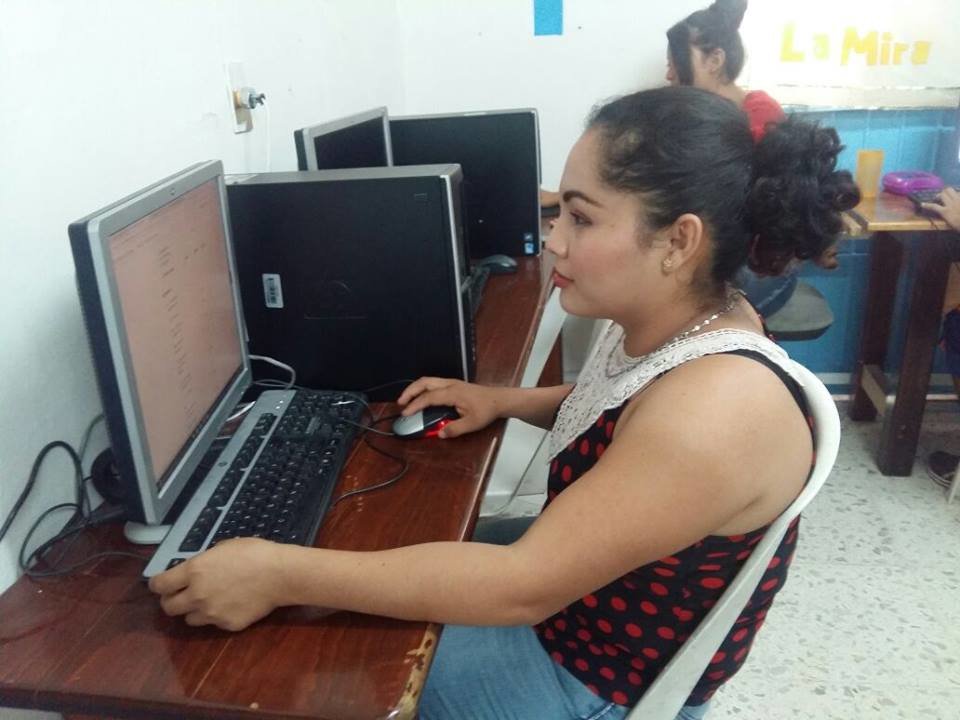
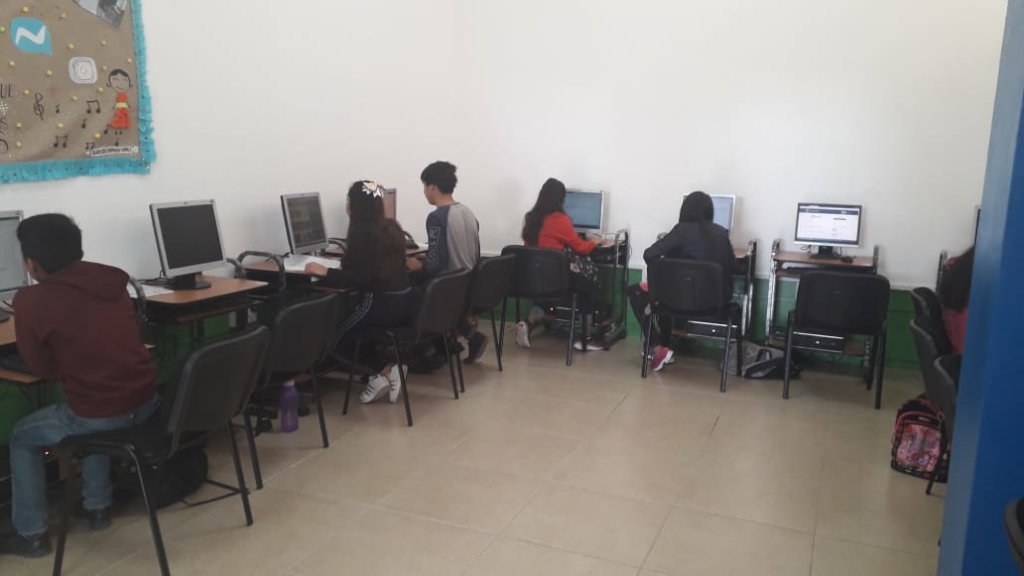
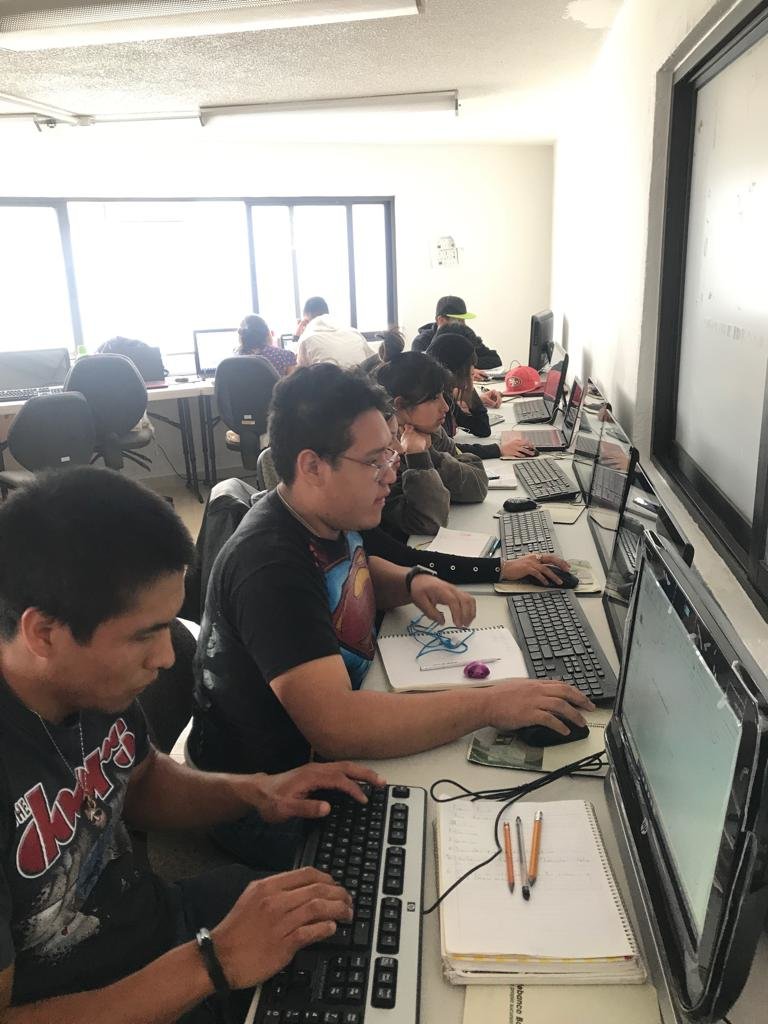
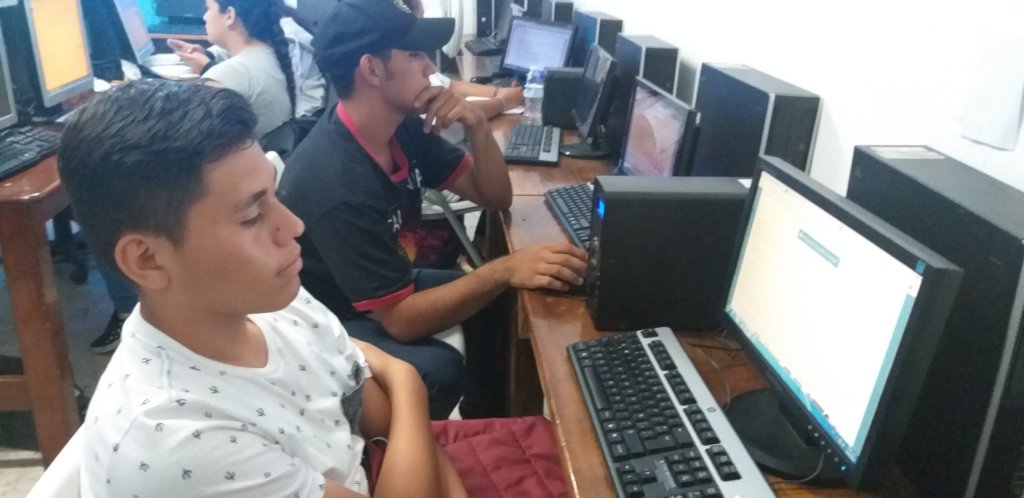
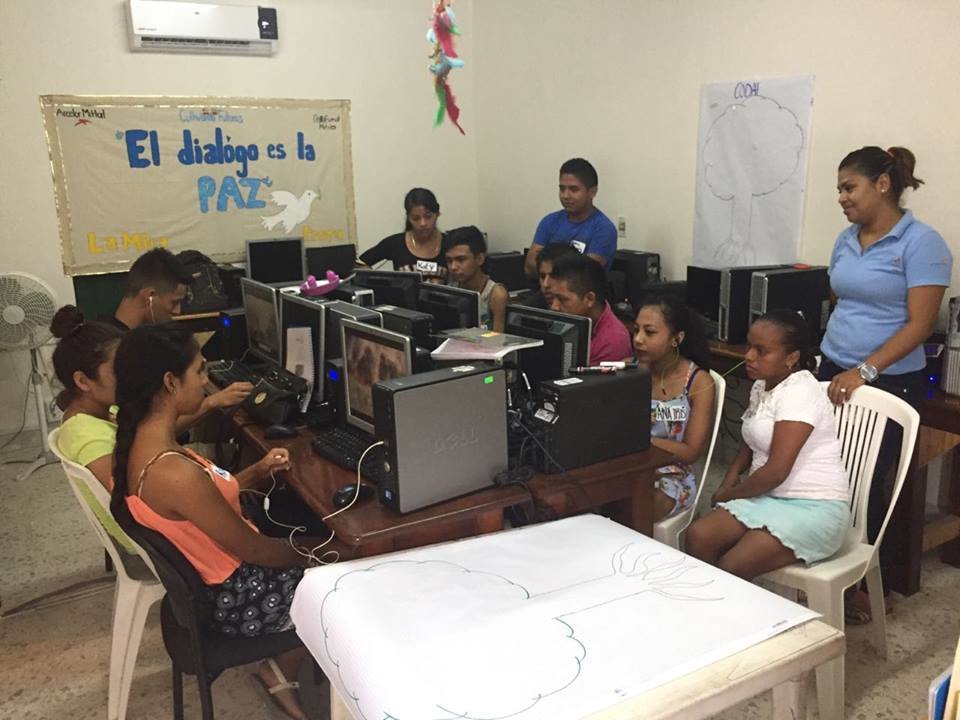
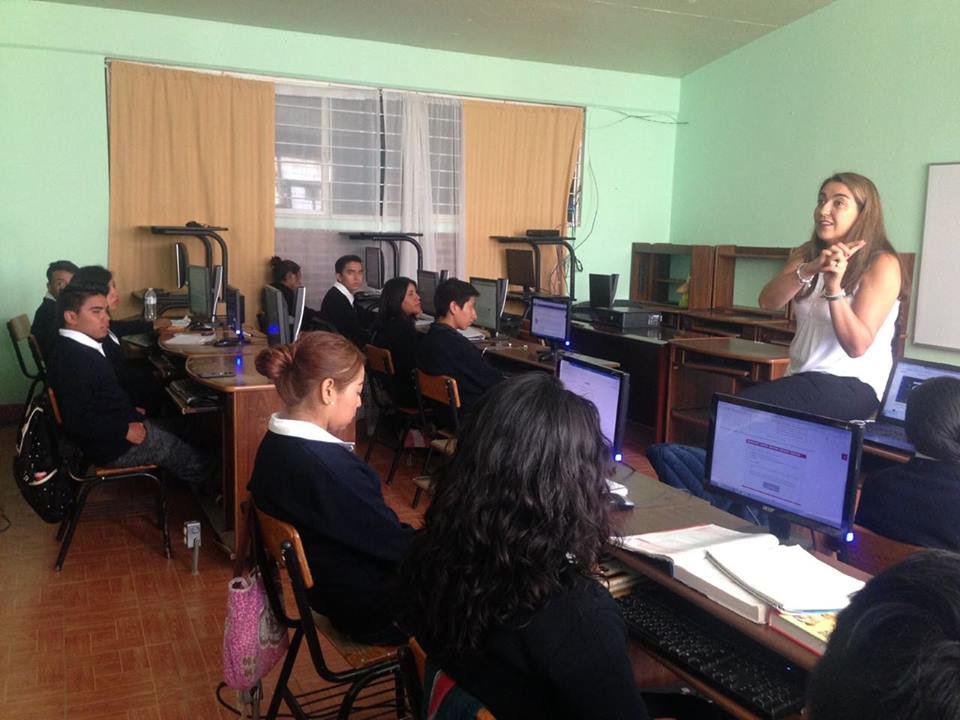
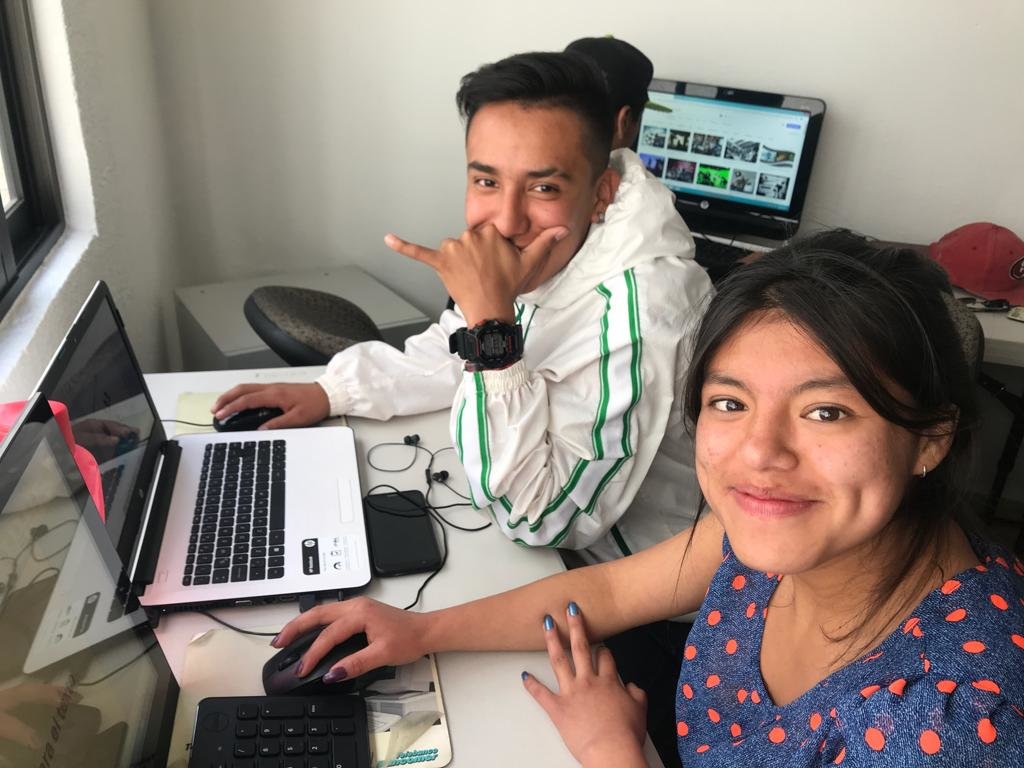
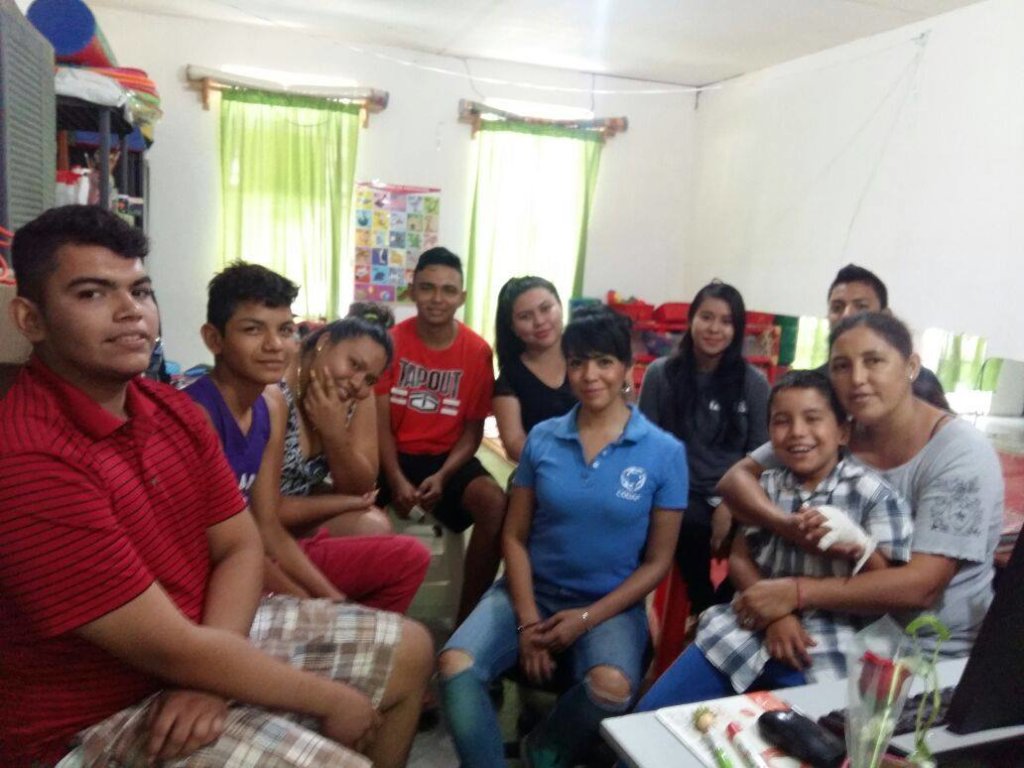
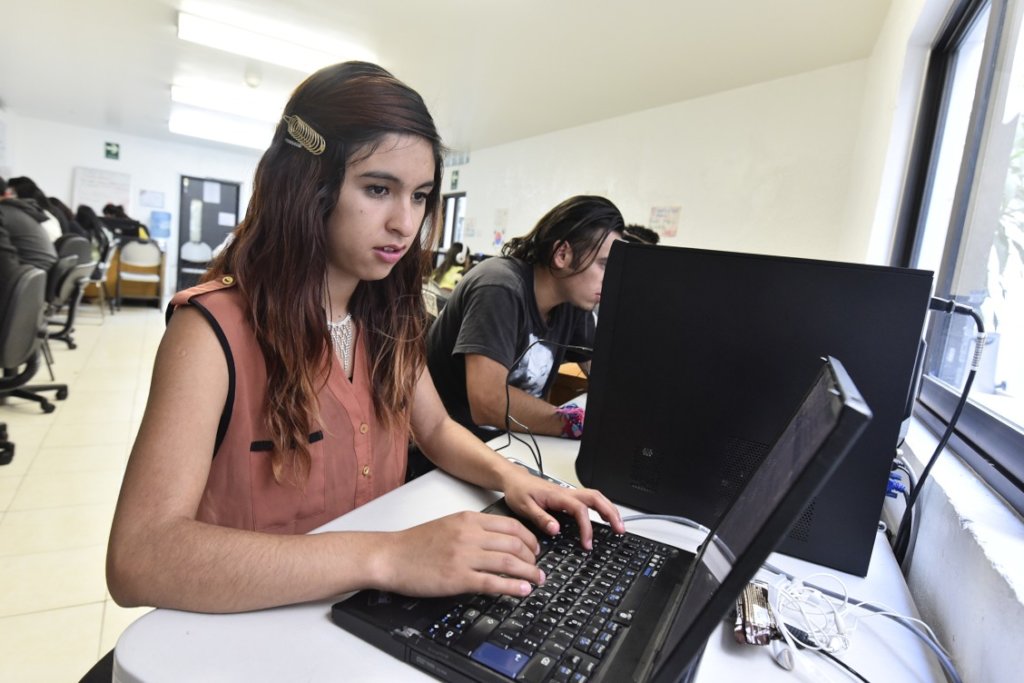
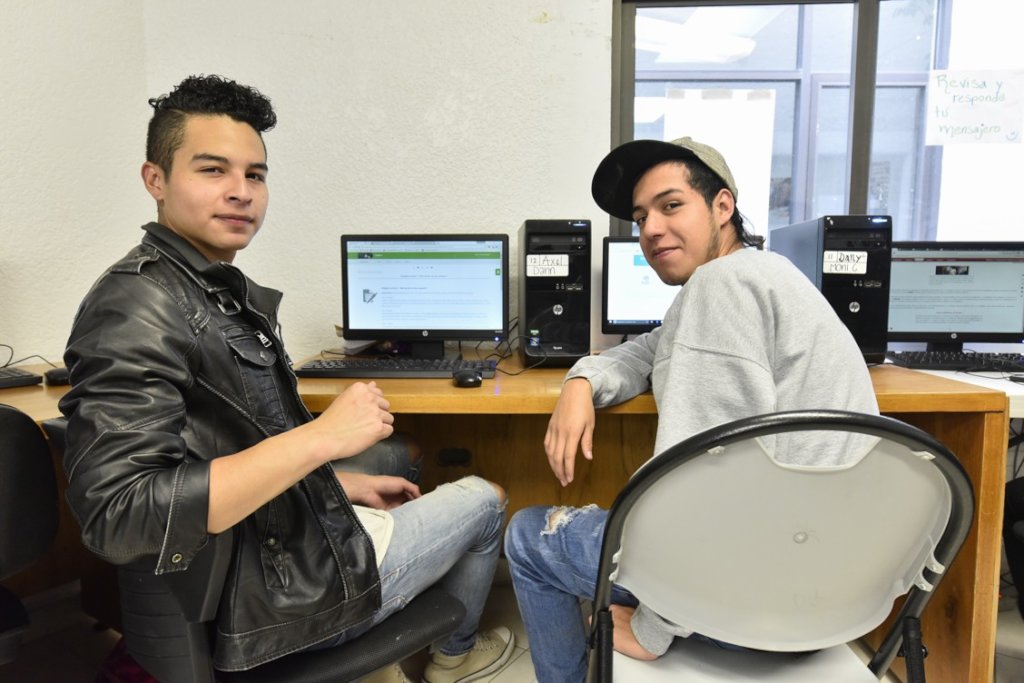
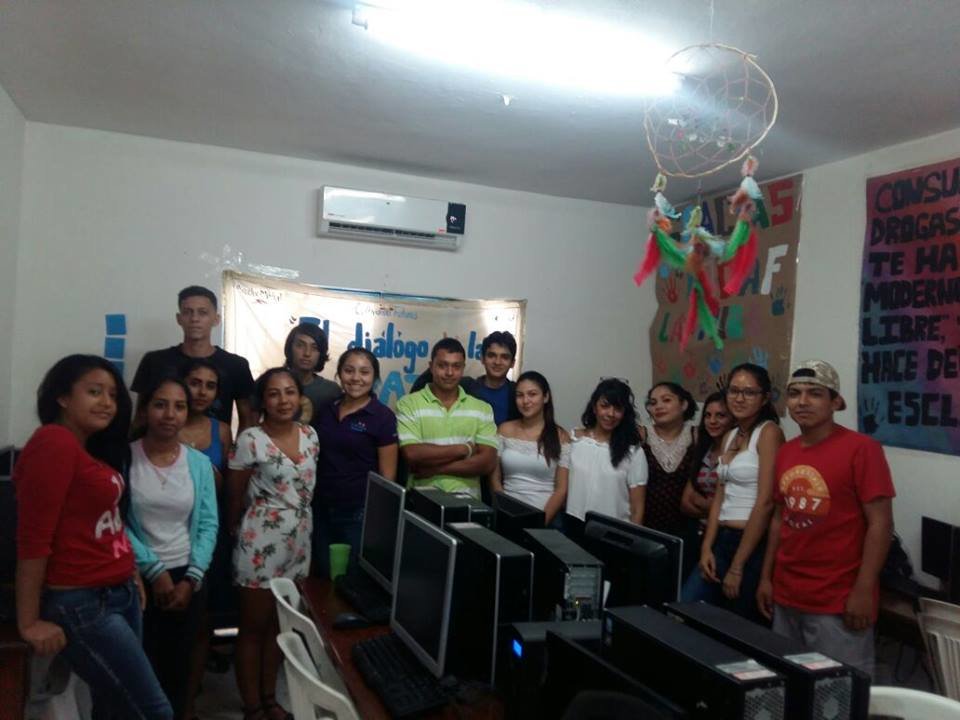
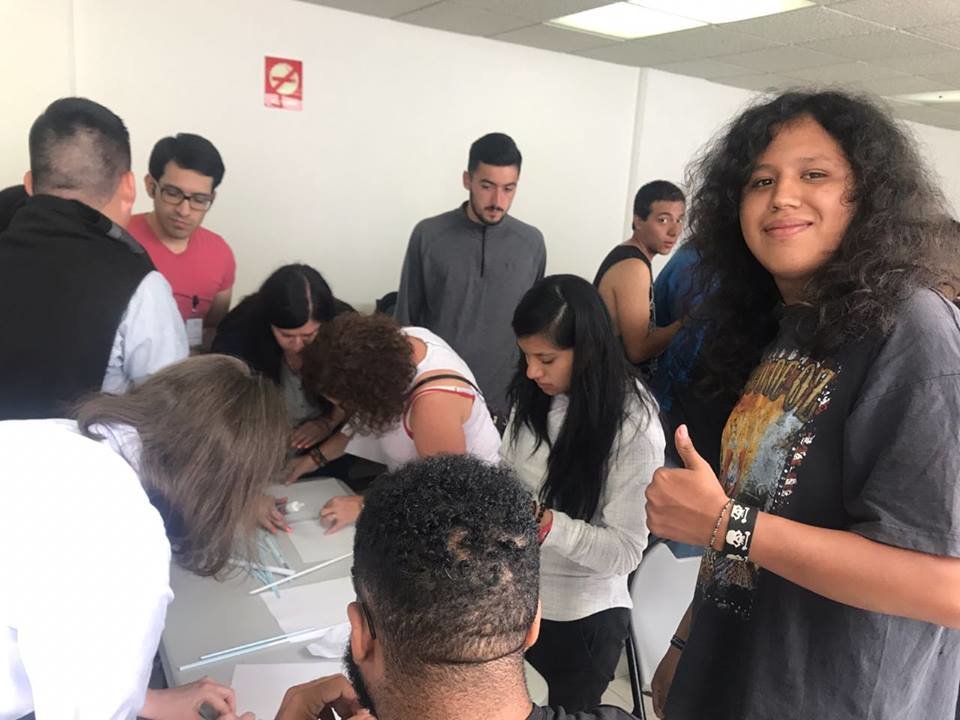
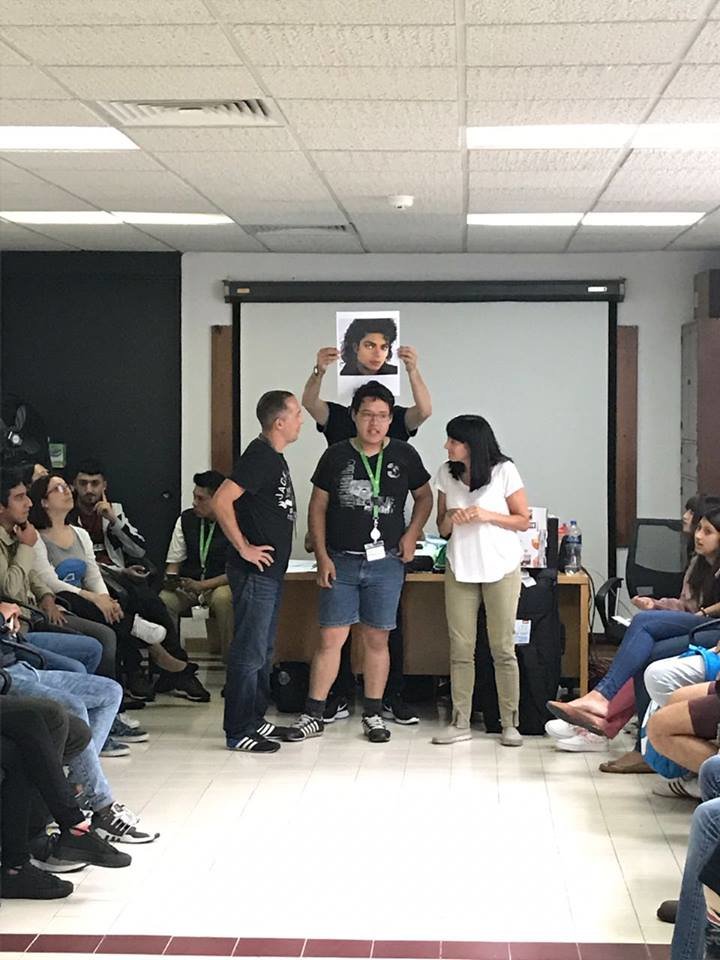
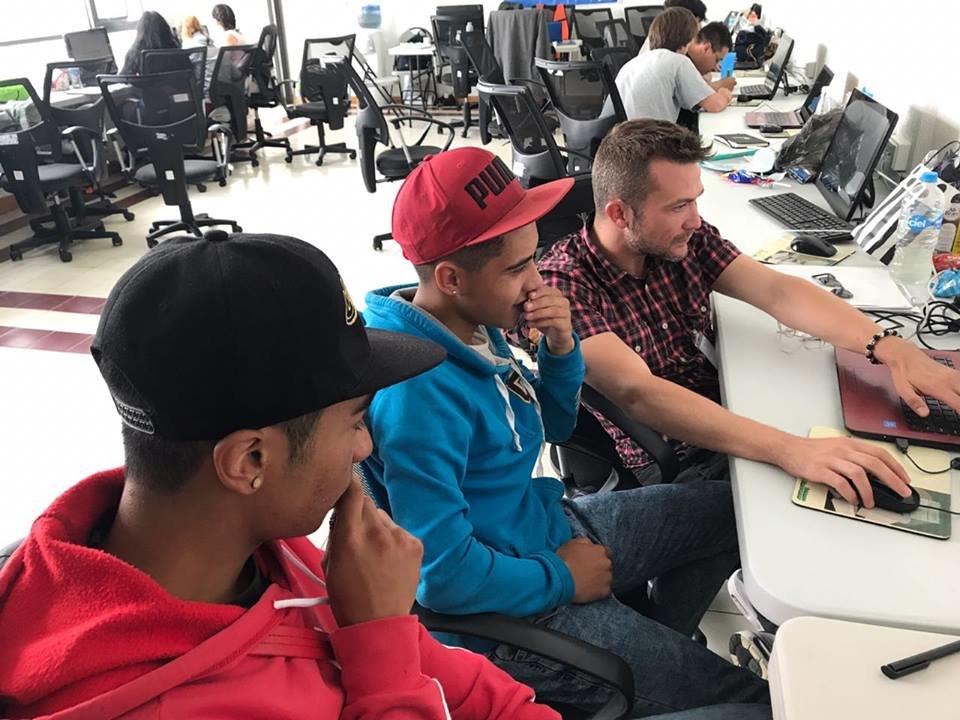
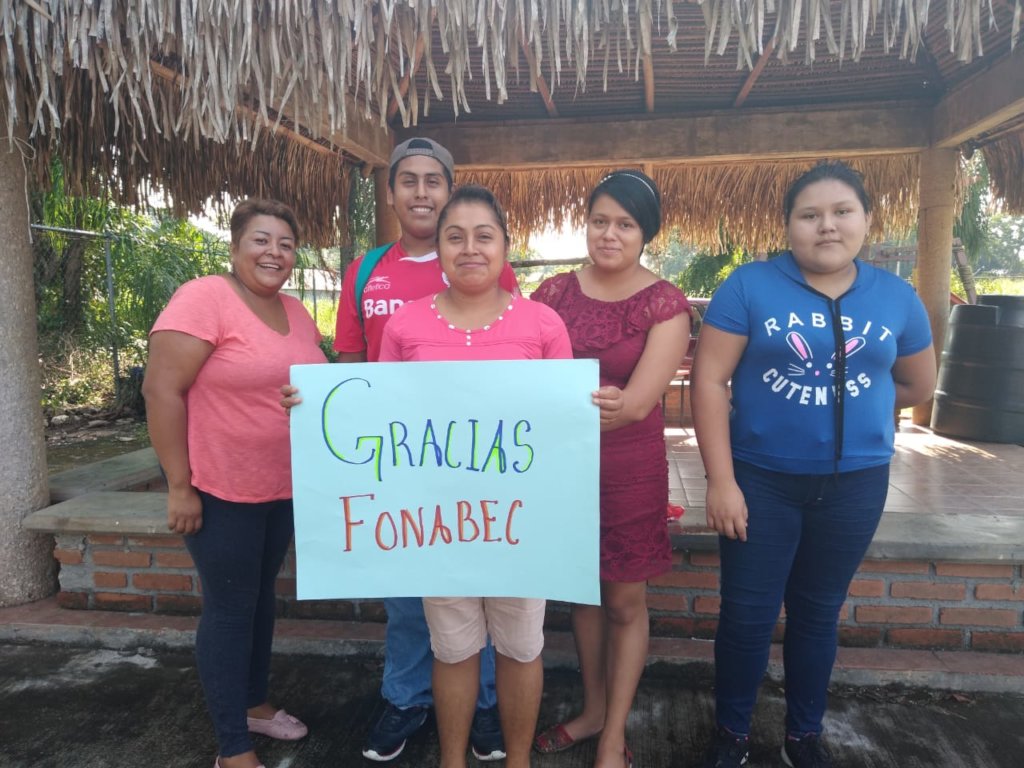
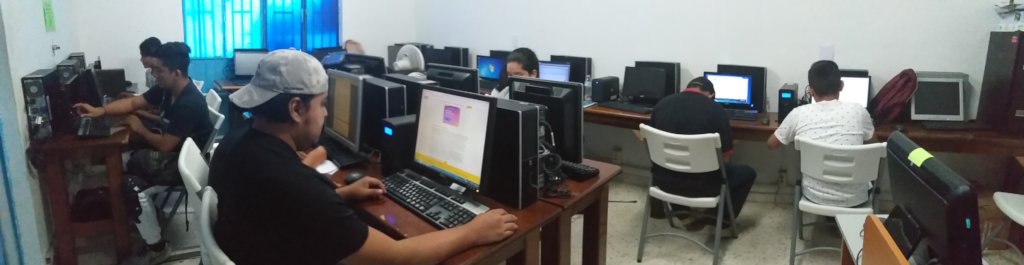
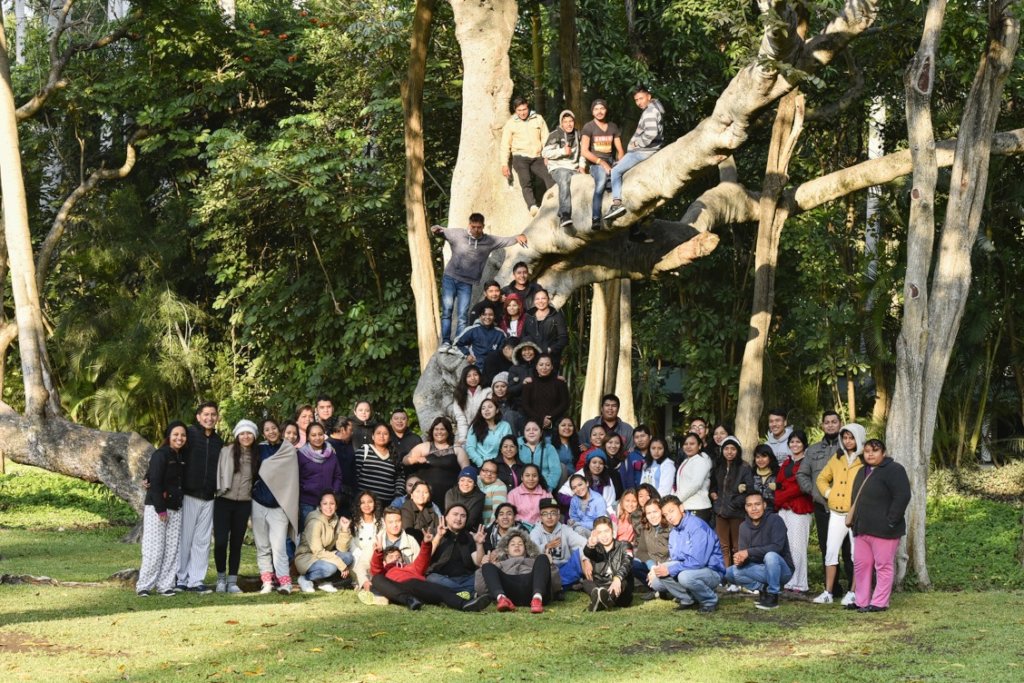
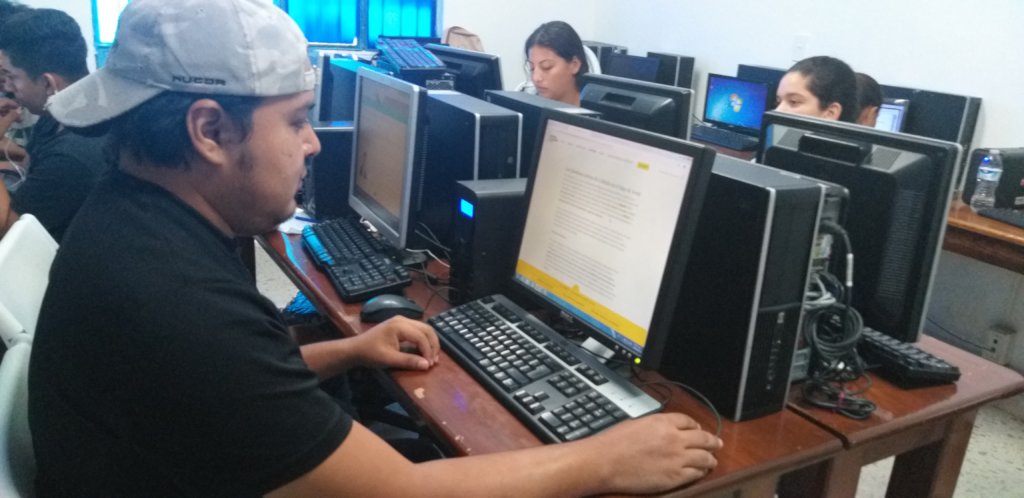
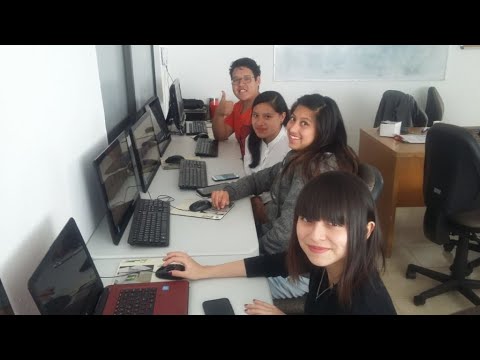
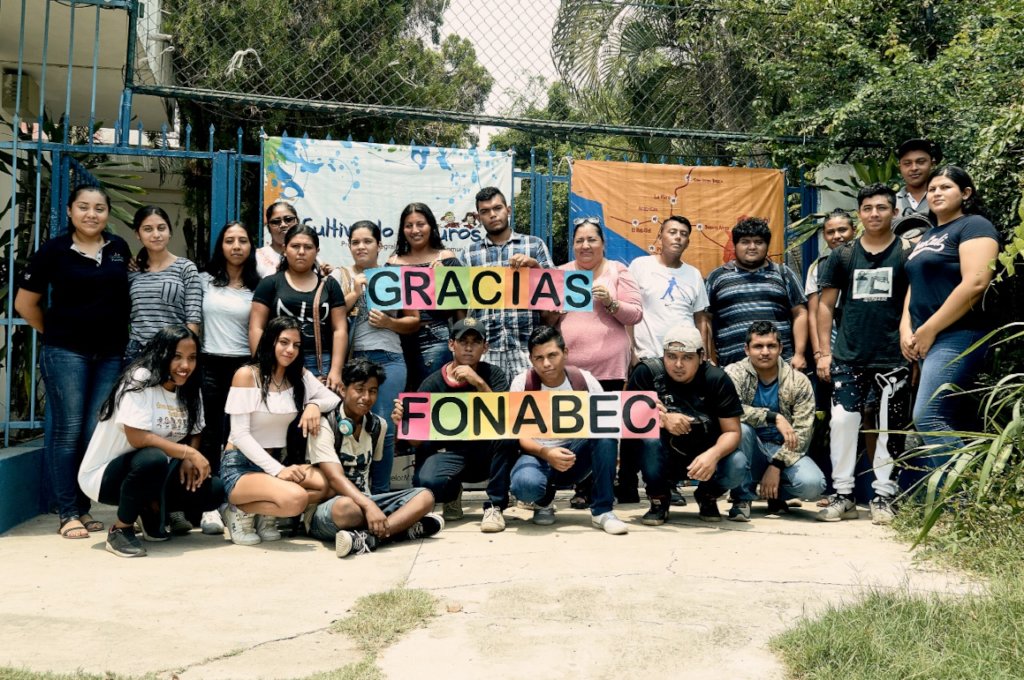
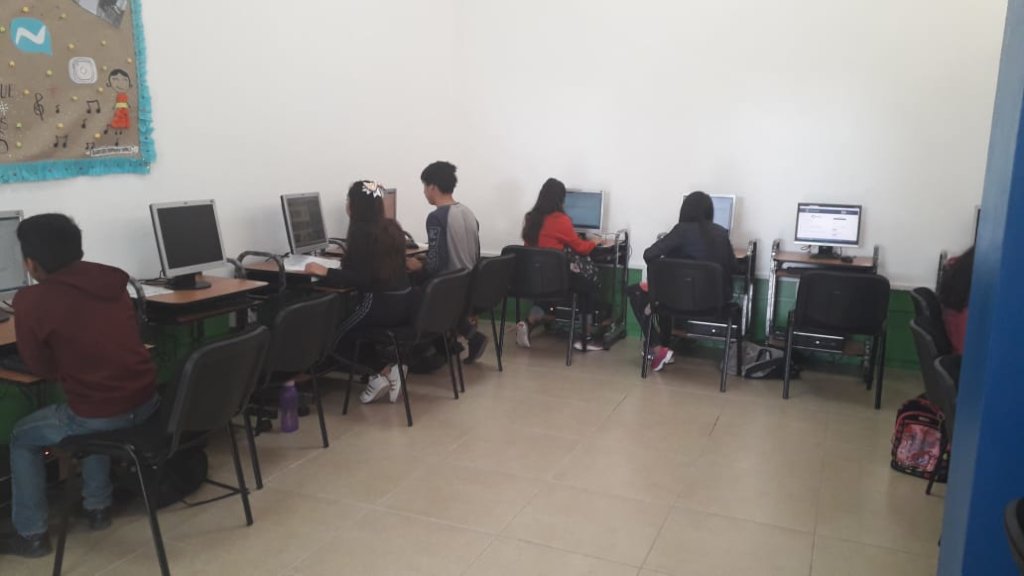
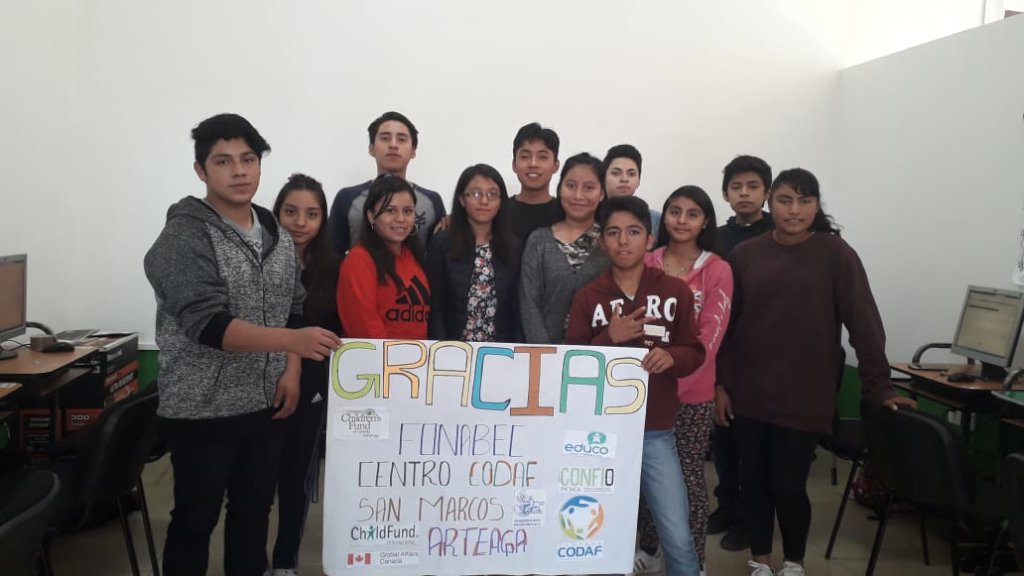
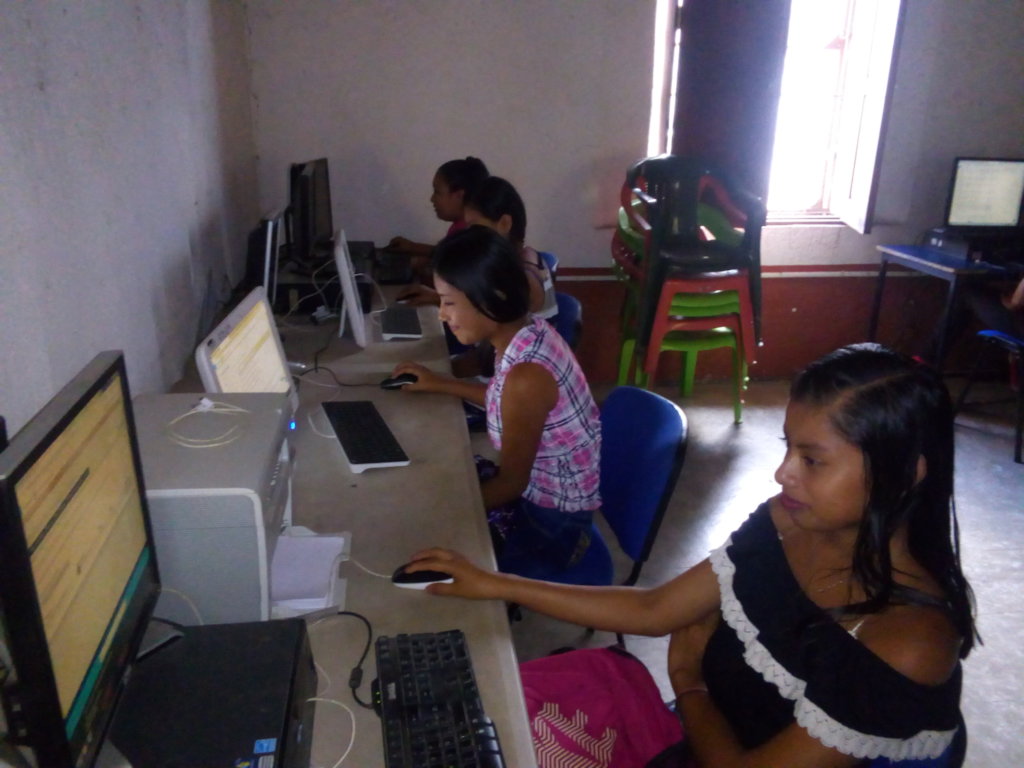
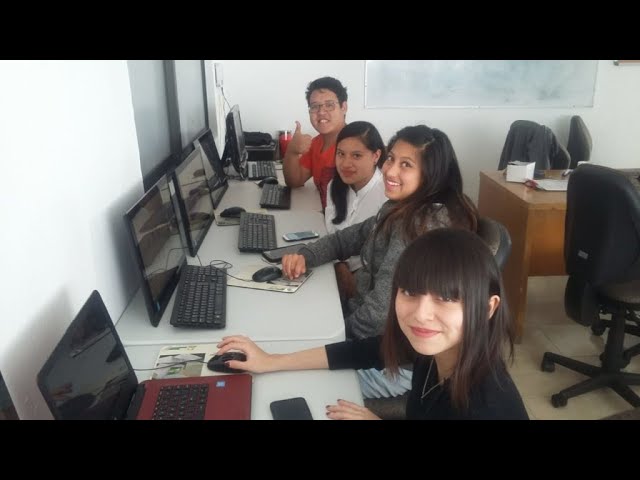
We want to report excellent news of the recent opening of the 9th and 10th generation of CODAF Centers with a total of 95 new students, with 5 new Centers that are:
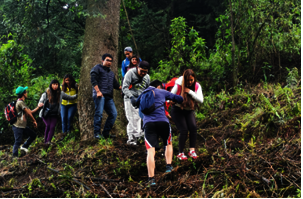
With these new openings, the current beneficiaries of the project are 159 Mexican youth and adults in 3 generations of high school, established in 13 communities in 8 states of the Mexican Republic. It is important to mention that of the total of CODAF Centers currently in operation, approximately 25% are established in rural communities where the majority of the beneficiaries are indigenous people, whose main characteristics are the use of their own native languages and the use of means of subsistence related to agriculture, livestock, fishing and other primary economic activities.
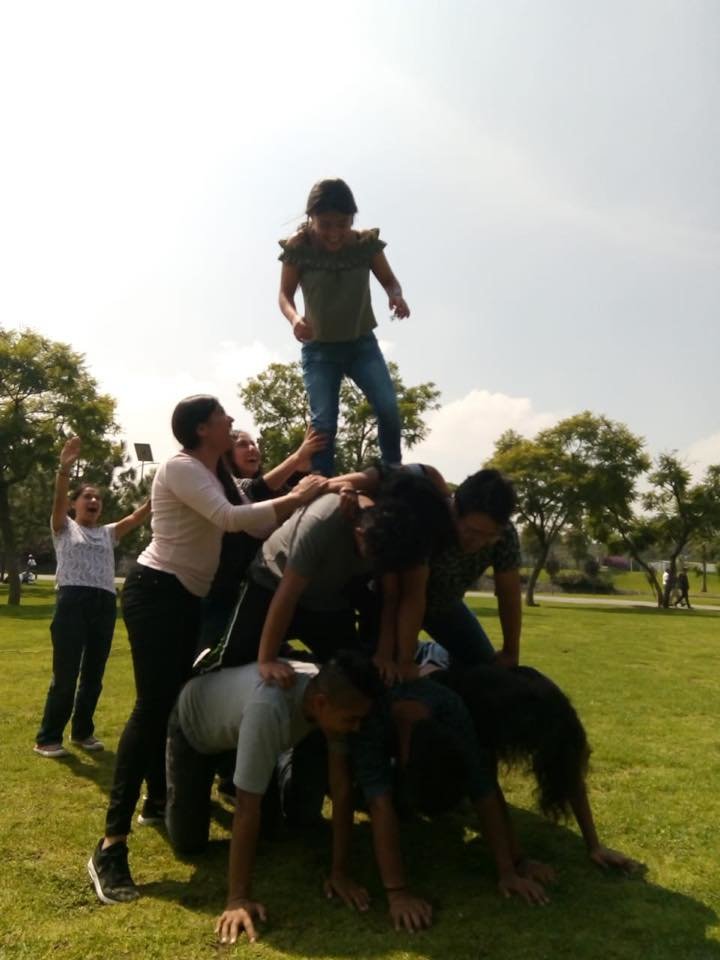
CODAF Centers continues to grow in a perspective of geographic coverage and, above all, of educational inclusion for the socioeconomically vulnerable communities in Mexico.
In each of community realities where a Center is established there are specific contexts that determine necessary actions to provide educational support for beneficiaries of Senior high School Program. In case of new 5 CODAF Centers, we have identified the following socioeconomic conditions of beneficiaries.
1) San Marcos Arteaga.-
It's a community of medium marginalization (SEDESOL, 2011) 12% of the population between 15 and 24 years old has to go to study in other community different than the one of residence (INEGi, 2019).
2) Magdalena Teitipac.-
It´s a community where 94% of the population lives in poverty, of which 30% have moderate poverty and 64% live in extreme poverty (SEDESOL, 2011)
3) El Cardonal.-
It's a community where 94% of the population lives in poverty, of which 30% have moderate poverty and 64% live in extreme poverty (SEDESOL, 2011)
4) San Miguel Tlazintla.-
It's considered a community of medium marginalization (SEDESOL, 2013). The educational average in the community is 5.8 years of schooling, less than the state average that is 6.6 years of schooling. Young people work in agriculture, forestry, livestock and mining activities (information obtained by Fonabec A.C.)
5) Pajaritos, Ciudad Victoria.-
It´s a comunnity with a very high degree of marginalization (SEDESOL, 2013). The majority of the population are workers who are employed in auto parts, electrical equipment and metal parts manufacturing companies (Information obtained by Fonabec A.C).
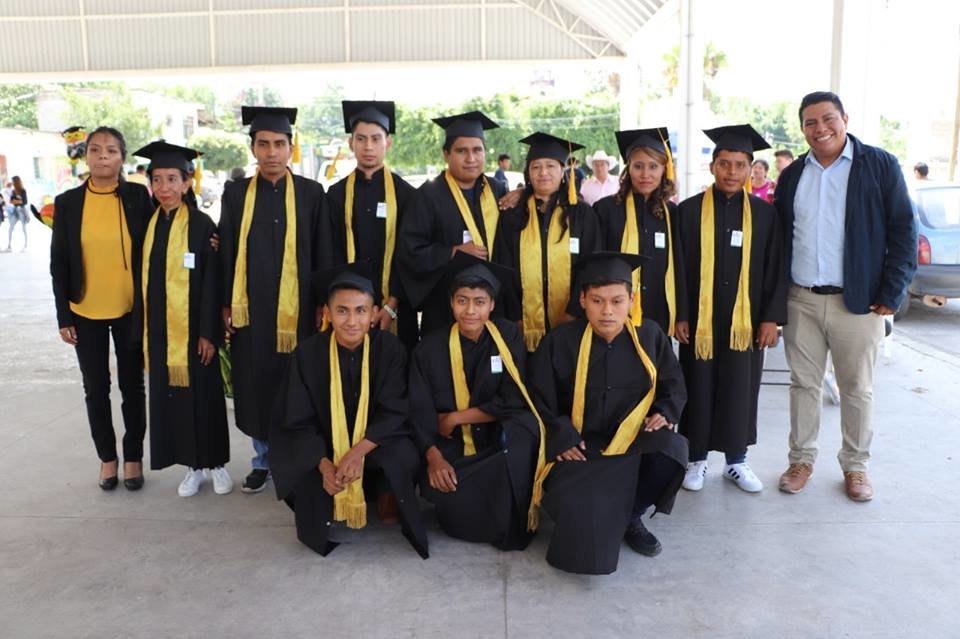
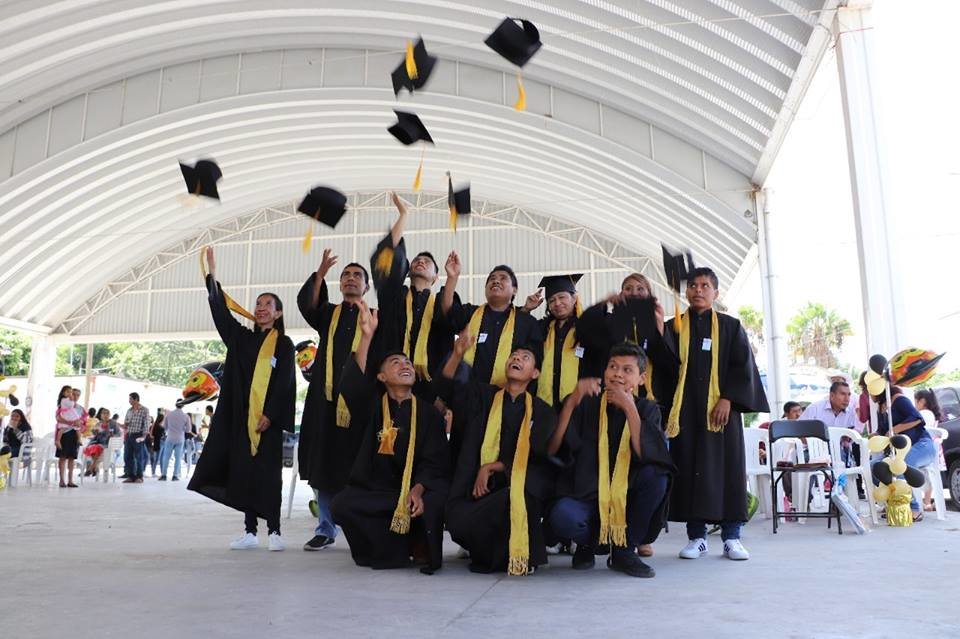
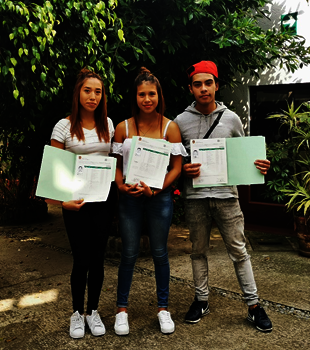
It should be noted that Fonabec AC has professional specialists in psychology and pedagogy who work as local managers and supervisors of CODAF Centers, trying to collaborate with each of the young people within their own context and in personal problems that can potentially prevent them from continuing their studies . To date we have been able to maintain our high school graduation rate at 40% of the total beneficiaries who enter to study in our different generations of online senior High school.
We invite you to continue supporting dreams of education and growth of our students!
Project reports on GlobalGiving are posted directly to globalgiving.org by Project Leaders as they are completed, generally every 3-4 months. To protect the integrity of these documents, GlobalGiving does not alter them; therefore you may find some language or formatting issues.
If you donate to this project or have donated to this project, you can receive an email when this project posts a report. You can also subscribe for reports without donating.