By GIZAZA DAVIS | DIRECTOR HANDS OF EMPOWERMENT UGANDA
2025–2026 SCHOLARSHIP & NUTRITION PROGRAM REPORT
For Orphans in Uganda
Prepared by Hands of Empowerment Uganda
1. EXECUTIVE SUMMARY
The 2025–2026 Scholarship and Nutrition Program continued to make transformative strides in improving education and health outcomes for orphans and vulnerable children in rural Uganda. Beneficiaries increased from 120 to 145, with greater emphasis on sustainability and community-led initiatives. Children not only received full scholarships and daily meals but also benefited from strengthened health monitoring, mentorship, and parental engagement.
This report highlights expanded reach, measurable improvements in education and nutrition, and key innovations introduced this year — including school gardens and local income-generating projects to support long-term program sustainability.
2. PROGRAM OVERVIEW
Background
Many children in rural Uganda still face barriers to education and nutrition due to poverty, orphanhood, and limited infrastructure. The program responds by providing scholarships, nutritious meals, and health and psychosocial support.
2025–2026 Objectives
Provide 145 scholarships covering tuition, uniforms, and scholastic materials.
Deliver nutritious daily meals across four schools (up from three in 2024–2025).
Enhance health and psychosocial support through regular wellness checks and mentorship.
Strengthen community participation and ownership through liaisons and workshops.
Introduce sustainability projects (school gardens, poultry, and small-scale farming).
3. KEY ACTIVITIES
Scholarship Support
- Beneficiaries: Increased to 145 (55% girls, 45% boys).
- Coverage: Extended to rural communities in Jinja, Iganga, Buikwe districts.
- Support Included: Tuition, uniforms, shoes, exercise books, pens, and mentorship sessions.
Nutrition Support
- Daily Meals: Balanced meals of grains, vegetables, fruits, and proteins.
- School Coverage: Expanded from 3 to 4 schools.
- Health Monitoring: 95% of children maintained healthy BMI and recorded fewer illness-related absences.
- School Gardens: Piloted at two schools to provide vegetables and promote agricultural learning.
Health & Psychosocial Support
- Medical Screenings: Regular health checks conducted with district health officers.
- Counseling: Group and individual sessions introduced for trauma-affected children.
- Mentorship: Role models and older program alumni engaged students in career guidance.
4. IMPACT & OUTCOMES
Education
- Attendance: Increased by 42%, with a dropout rate below 1%.
- Academic Results: 79% improved performance; 10 students earned academic honors.
- Advancement: 5 students qualified for advanced secondary scholarships.
Nutrition & Health
- Malnutrition: Reduced by 70% compared to baseline.
- Energy & Focus: Teachers reported greater attentiveness and classroom participation.
- Health Outcomes: Decline in common illnesses such as anemia and stunting.
Community Engagement
- Parental Participation: Improved after appointing community liaisons.
- Local Ownership: Parents contributed labor for school gardens and attended workshops.
- Youth Empowerment: Older beneficiaries began mentoring younger students.
5. CHALLENGES
- Funding Gaps: Expansion outpaced financial resources.
- Transport Barriers: Remote areas remain difficult to reach during rainy seasons.
- Cultural Attitudes: Some families remain reluctant to prioritize girl-child education.
- Sustainability: Income-generating projects are still in early stages and require scaling.
6. FUTURE STRATEGIES
Expand beneficiaries to 160+ children.
Scale school gardens into all supported schools, integrating nutrition education.
Strengthen partnerships with transport providers and local councils for better logistics.
Launch a scholarship alumni network for mentorship and peer support.
Develop income-generating projects (poultry, goat rearing, and crafts) to finance part of the program.
7. VISUAL HIGHLIGHTS
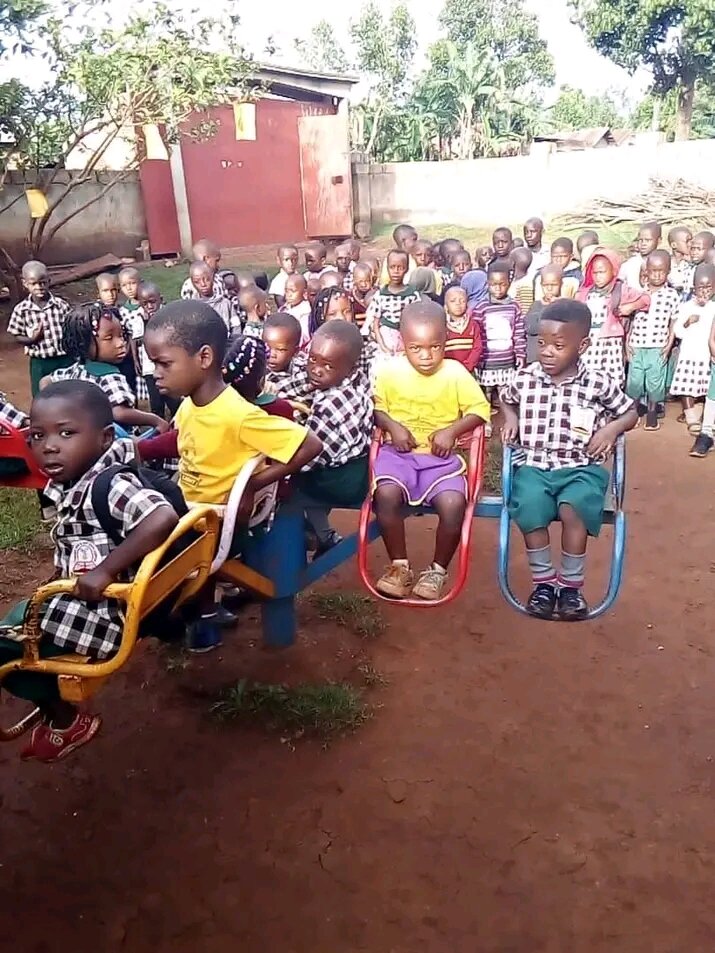
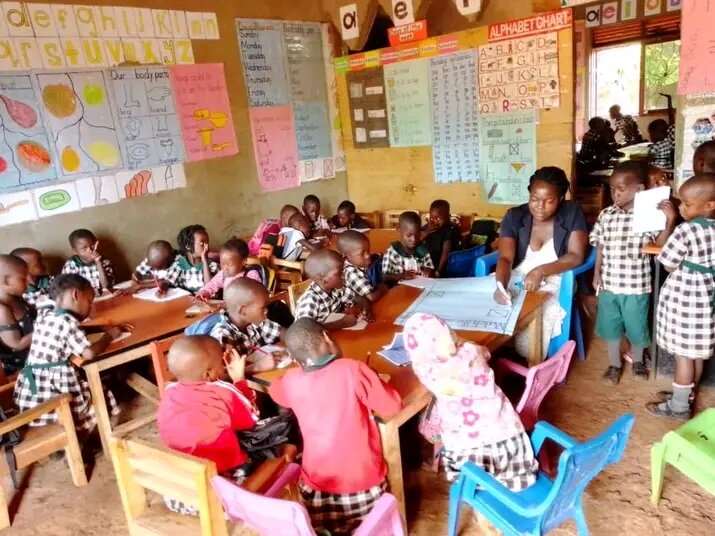
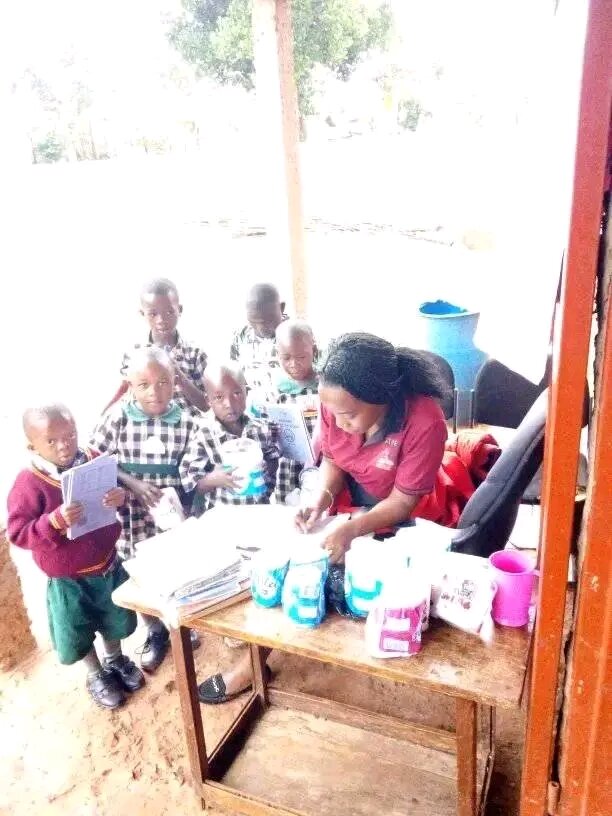
- Fig 1: Students receiving new uniforms and school supplies.
- Fig 2: Children harvesting vegetables from the pilot school garden.
- Fig 3: A nutrition officer monitoring children’s growth progress.
- Fig 4: Parents, teachers, and students at a community education workshop.
CONCLUSION
The 2025–2026 program achieved significant progress in scholarship support, nutrition, health, and community engagement. With increased beneficiaries, expanded school coverage, and the introduction of sustainability initiatives, Hands of Empowerment Uganda continues to bring hope and opportunity to orphans in rural Uganda. Ongoing collaboration with donors, partners, and communities remains crucial for scaling impact in the coming year.
Prepared by:
Gizaza Davis
Director, Hands of Empowerment Uganda
handsofempowermentu@gmail.com
WatsApp +256781401868 / +256783520269
Links:
Project reports on GlobalGiving are posted directly to globalgiving.org by Project Leaders as they are completed, generally every 3-4 months. To protect the integrity of these documents, GlobalGiving does not alter them; therefore you may find some language or formatting issues.
If you donate to this project or have donated to this project, you can receive an email when this project posts a report. You can also subscribe for reports without donating.



Support this important cause by creating a personalized fundraising page.
Start a Fundraiser