By David Rivard | Project Coordinator
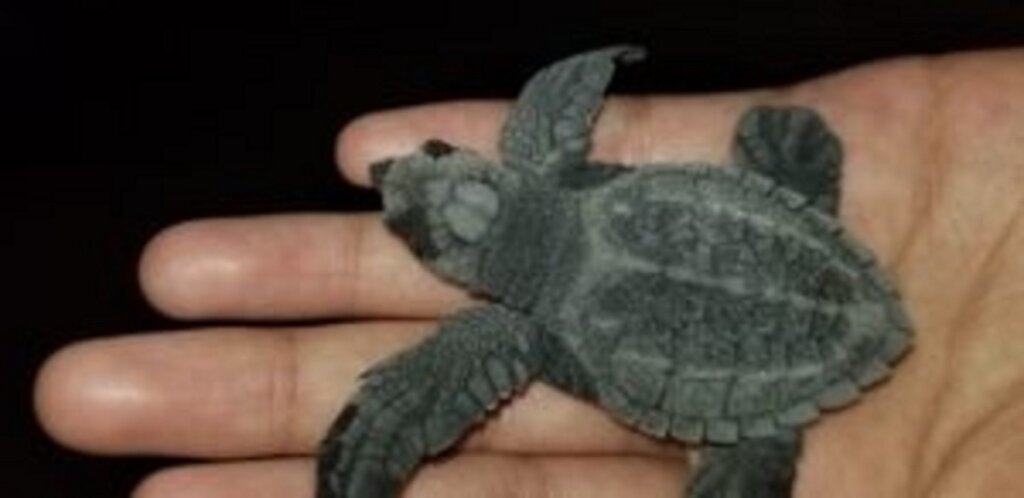
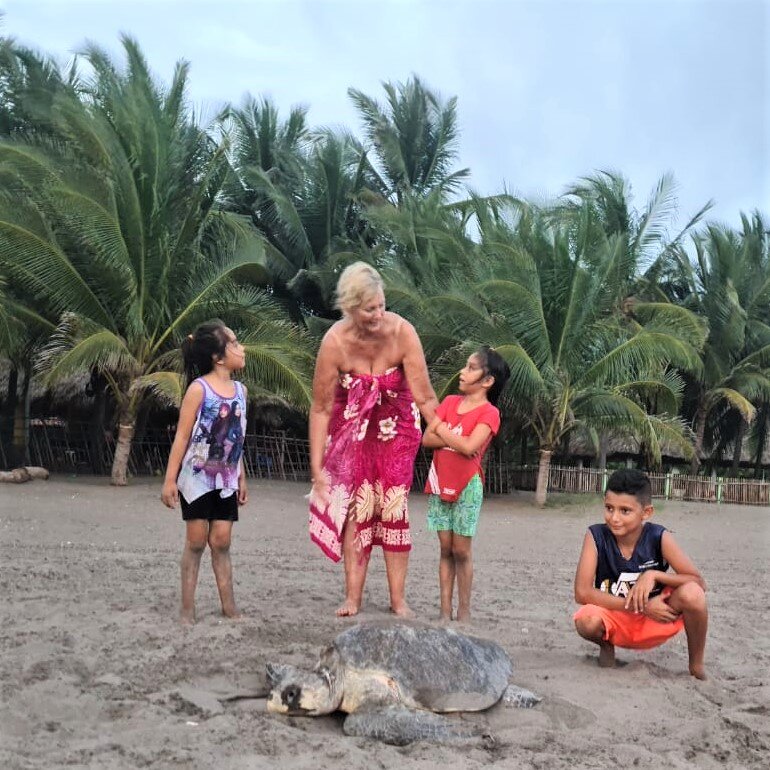
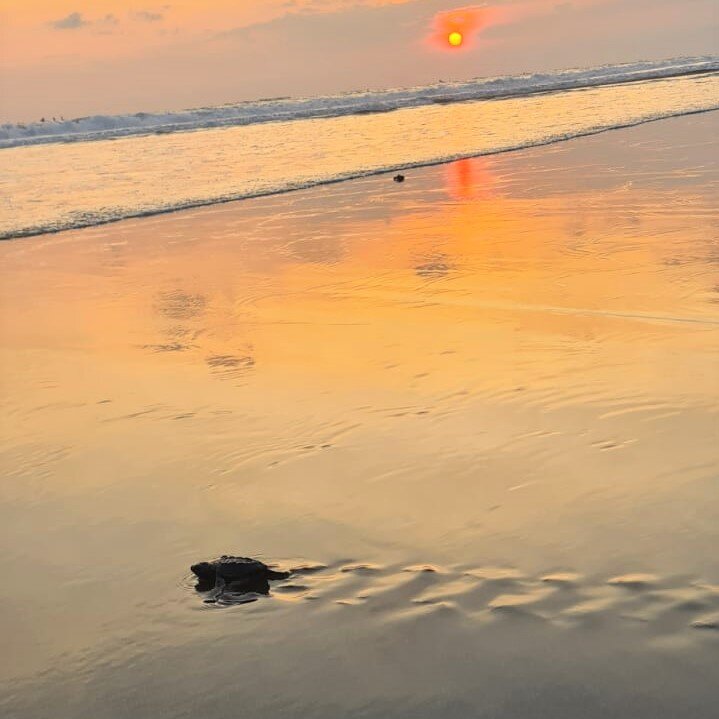
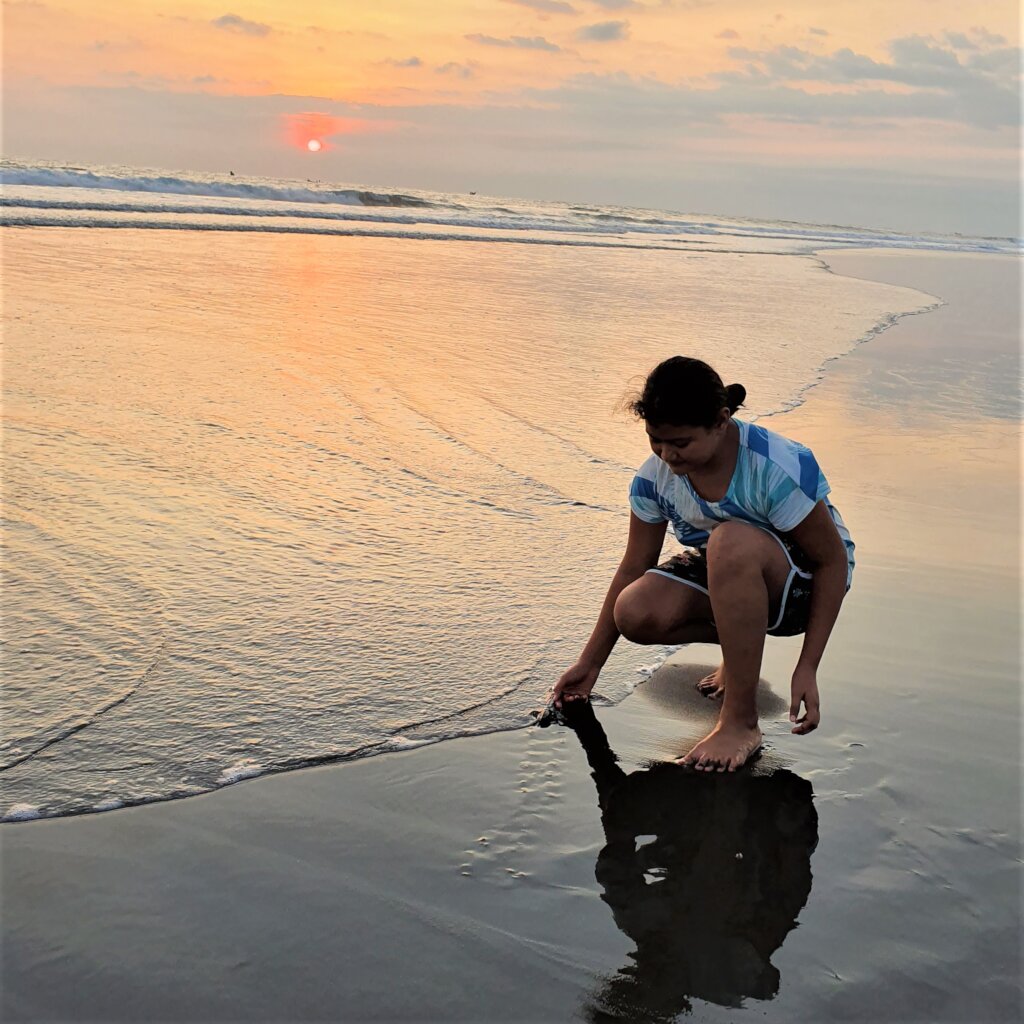
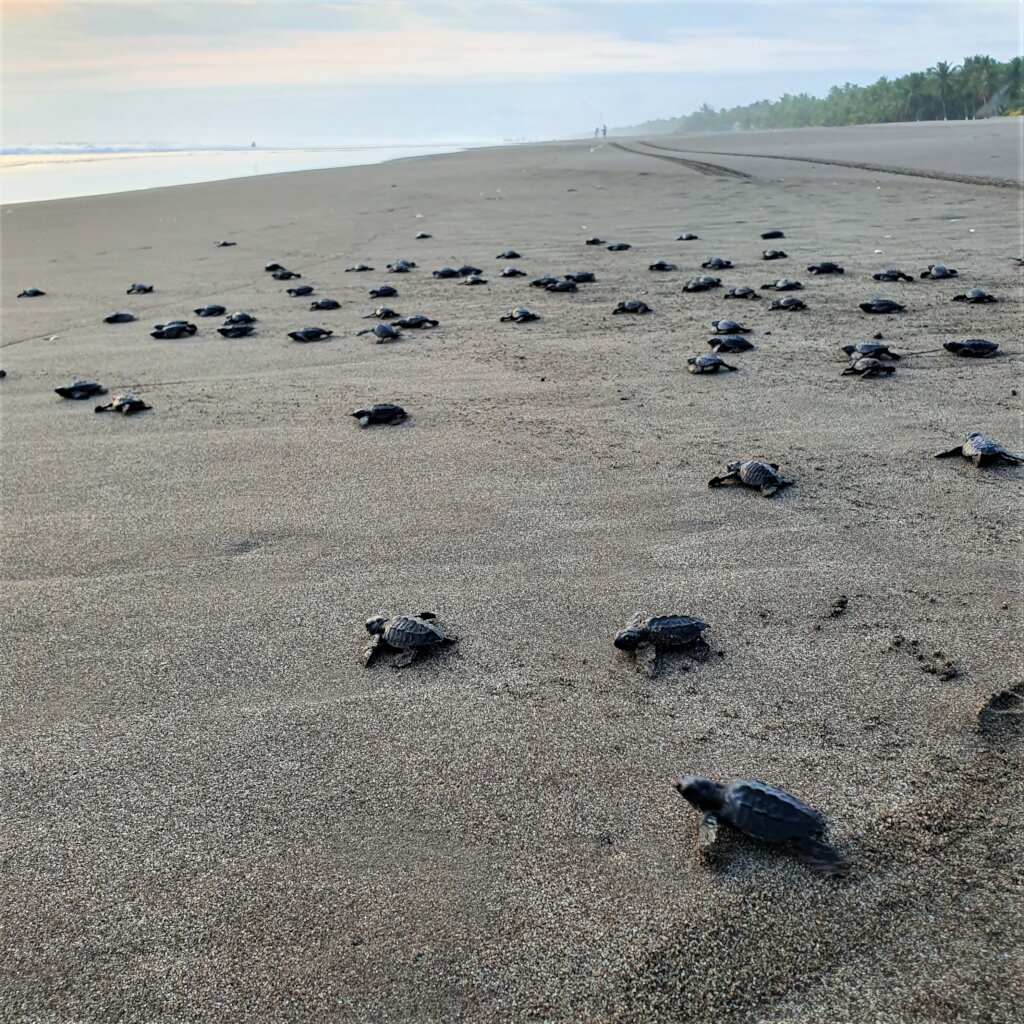
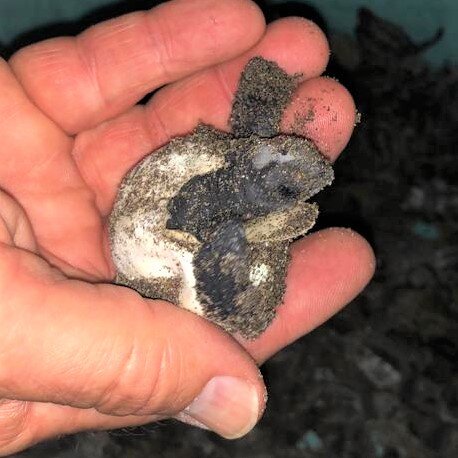
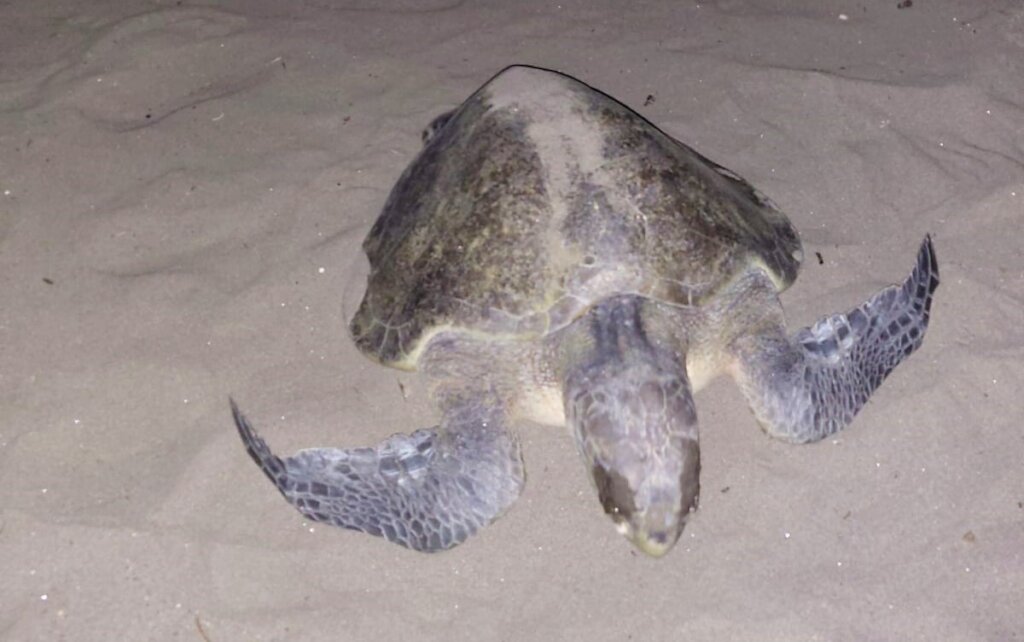
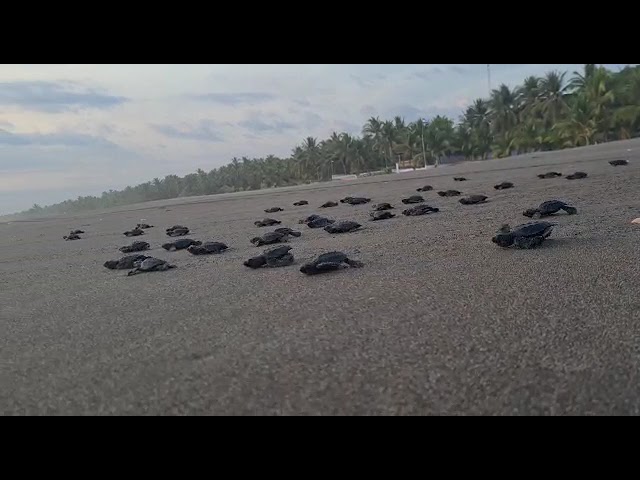
Although Turtle nesting season is officially over in March, we had a nesting Pacific Ridley turtle on Barra de Santiago on Easter Sunday, April 9! This is a very unusual nesting time, even for the Pacific Ridley turtles, who have the widest nesting span of all sea turtles. Barra de Santiago also harbors nesting sites for, currently, a lone female Pacific Leatherback turtle, the Pacific Hawks Bill, and the Pacific Green turtle. The last four species mentioned have been increasingly rare in the Eastern Pacific, and are especially missed on this beach.
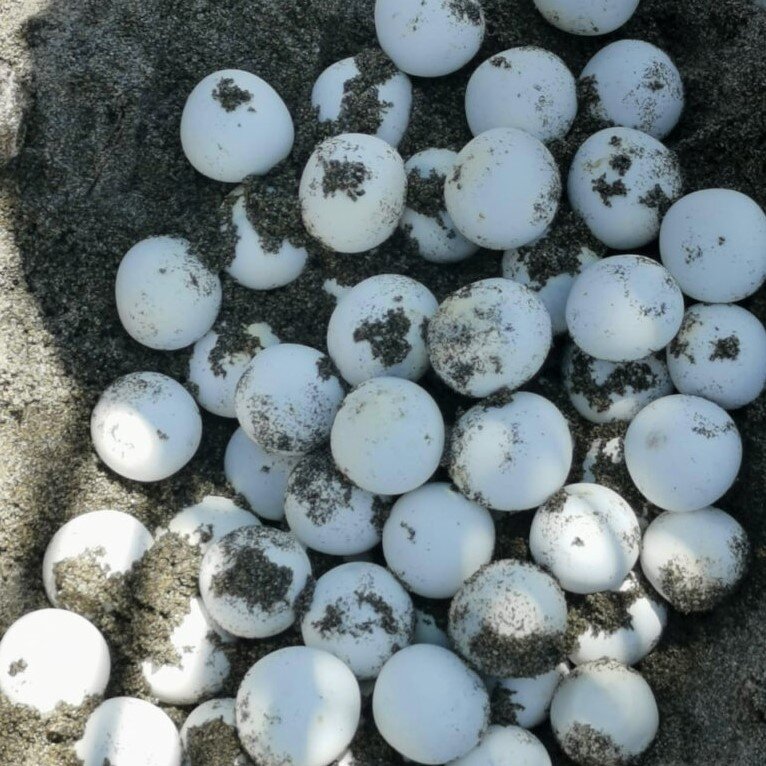
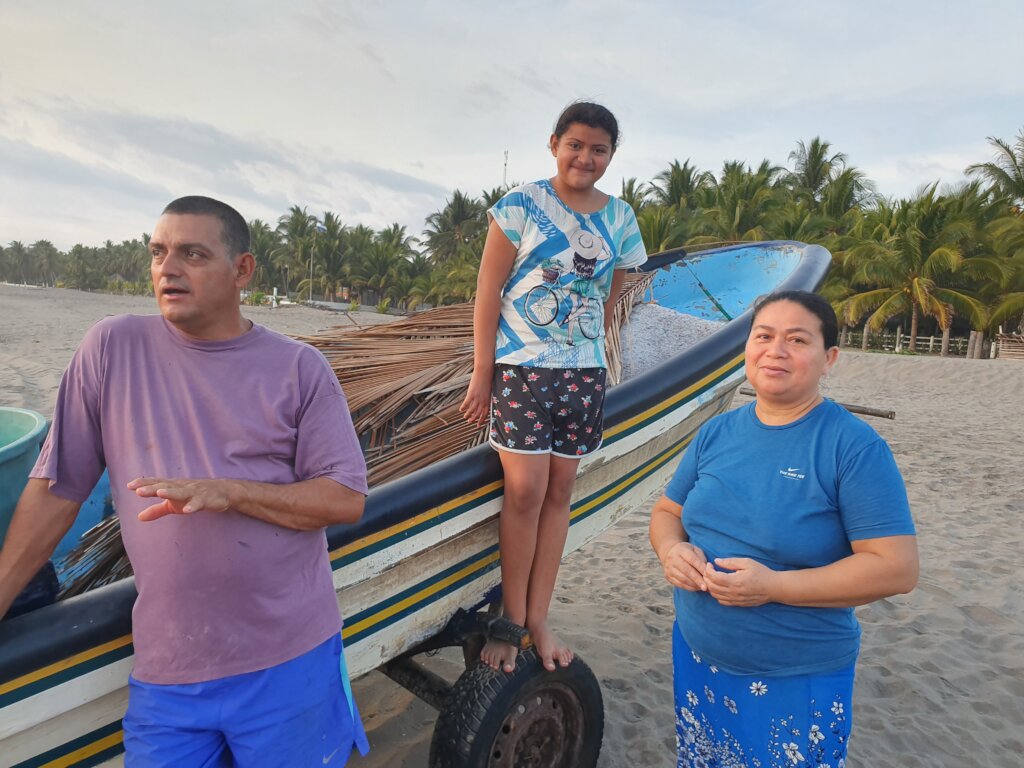
We are increasingly suspecting that the culprit may, in fact, be standard-sanctioned turtle conservation practices of "putting all of your eggs in one basket". This is the collection practice and reward system that gives substantial financial support to one NGO that then becomes "grandfathered in" with no audits or accountabilities for how effective they are. One such NGO in Barra de Santiago, for example, was found to falsify hatching records while paying fishermen 12 cents per egg, while ordering fishermen to deliver the eggs upon discovery. In the meantime, the NGO makes over $5 per egg per funding agency, while it is possible for the fisherman to sell the egg to the black market for $1.
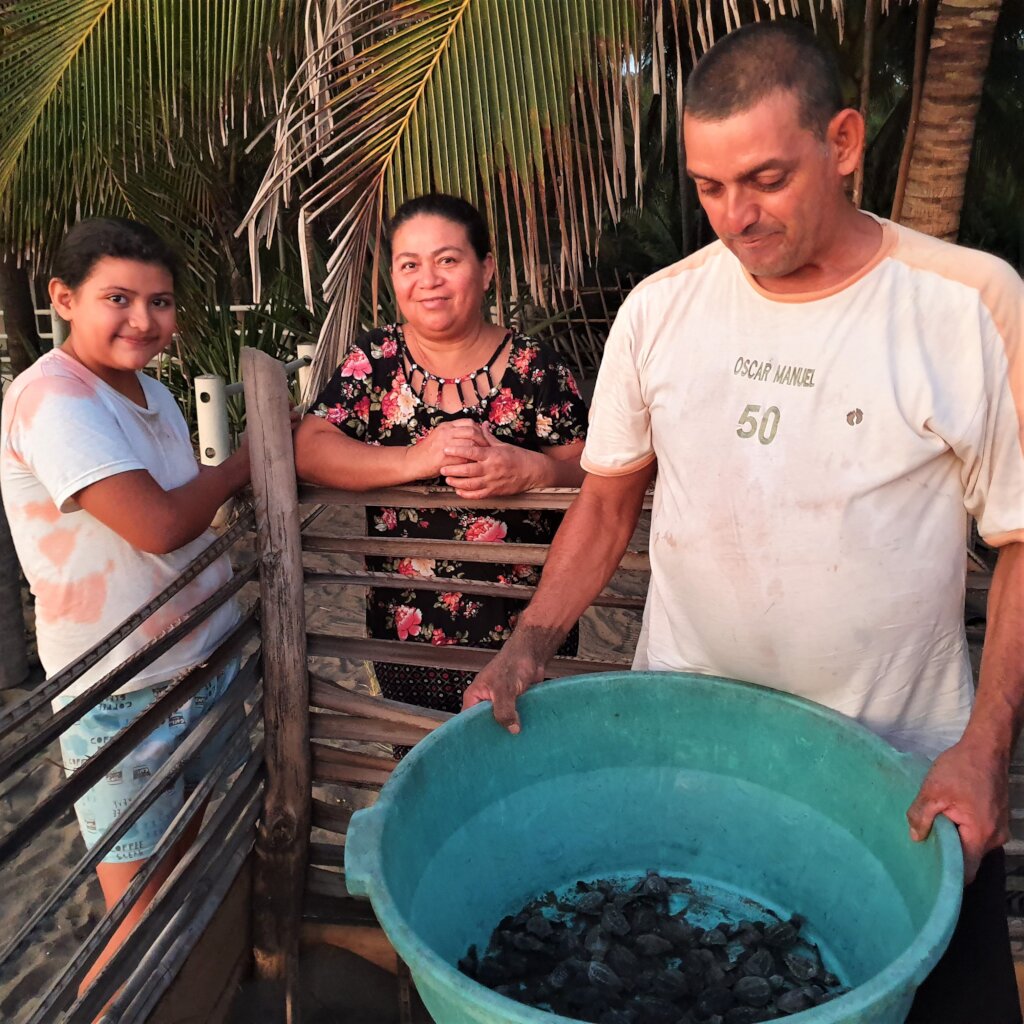
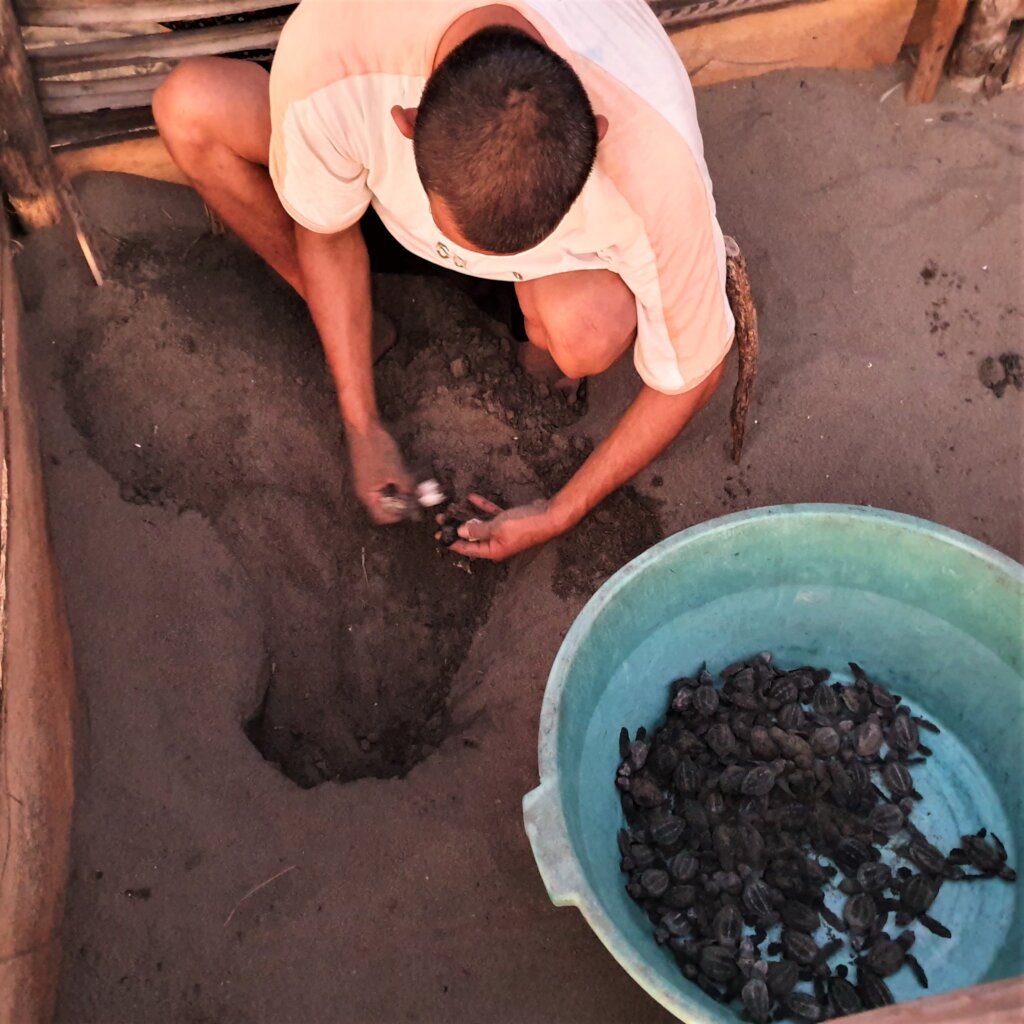
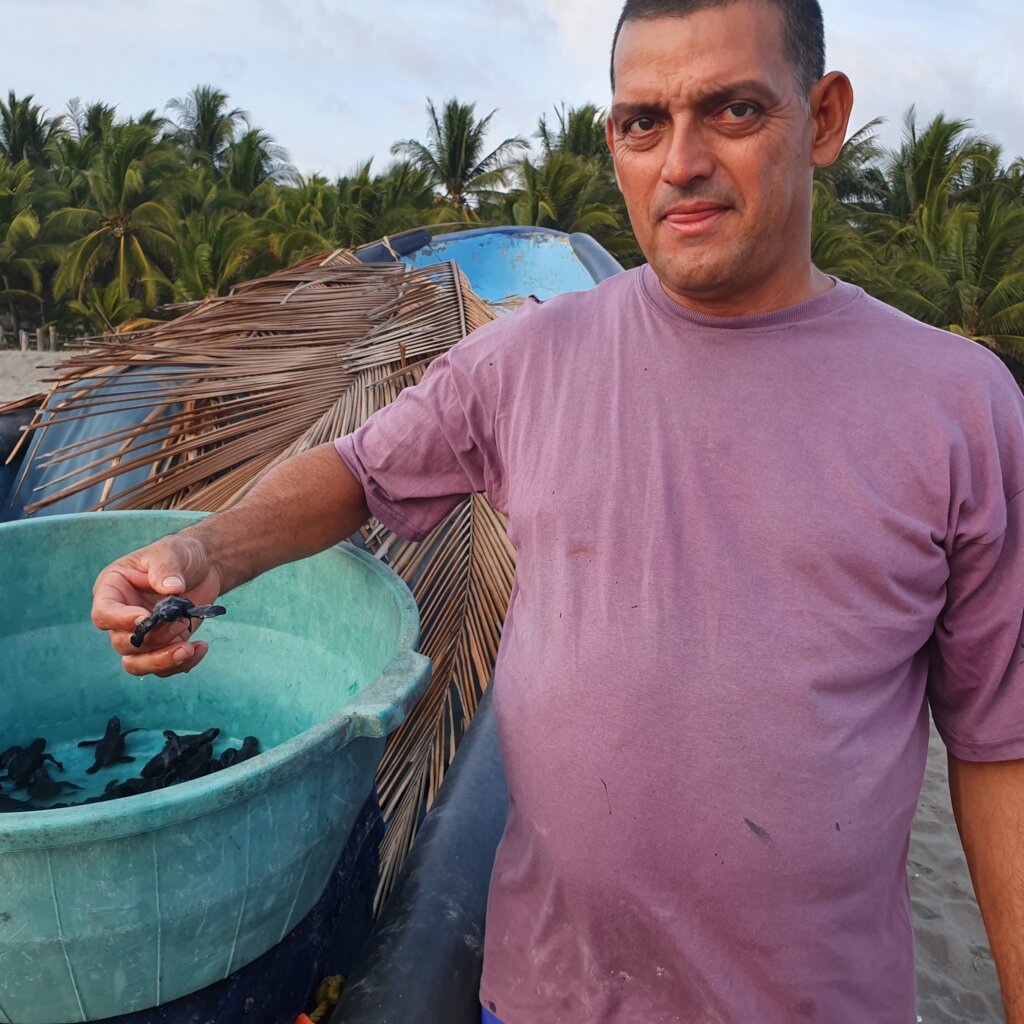
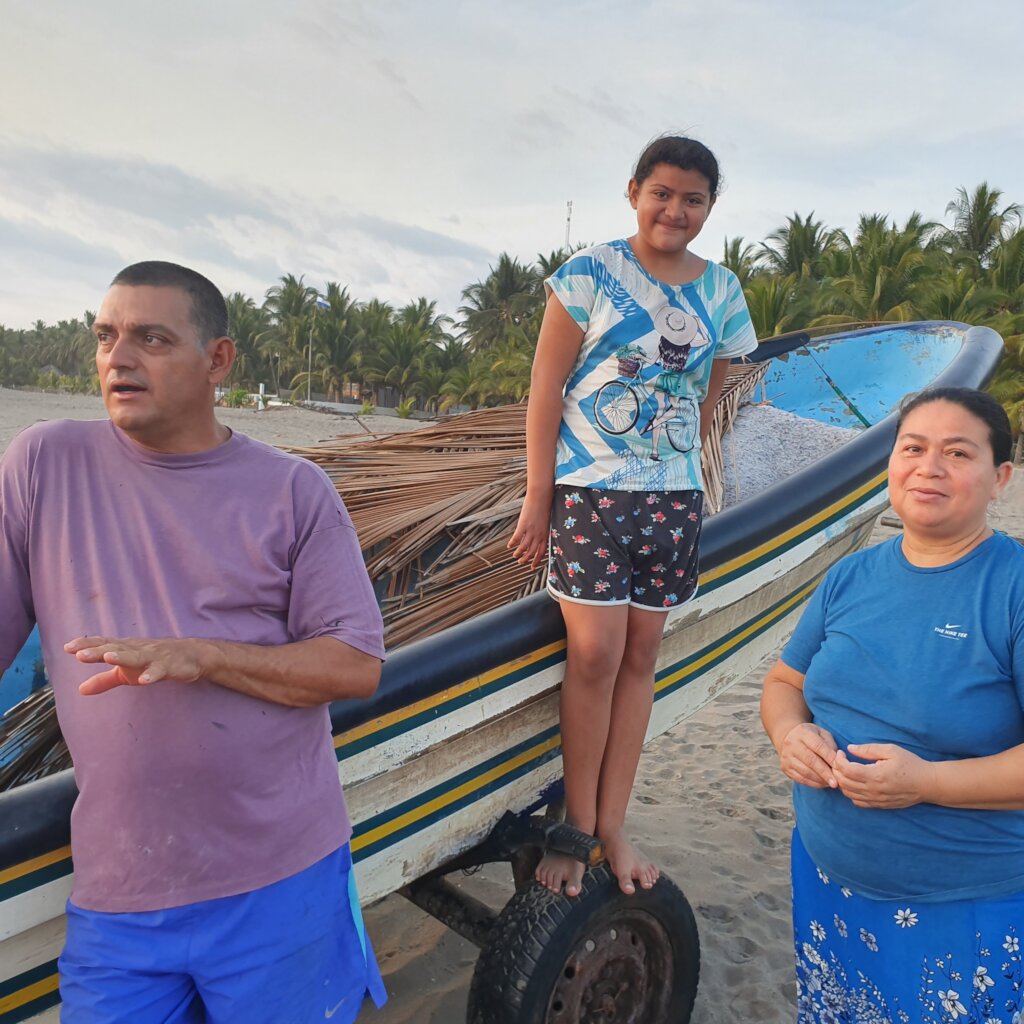
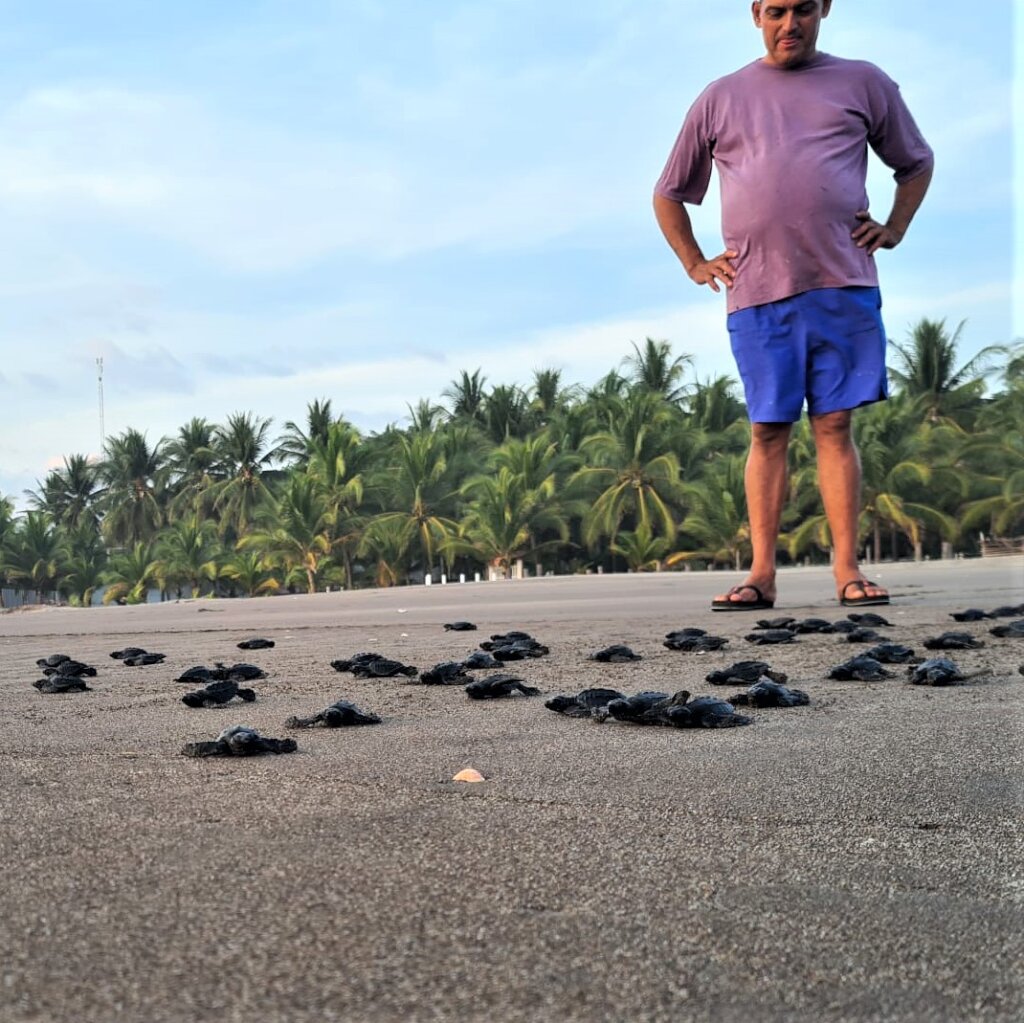
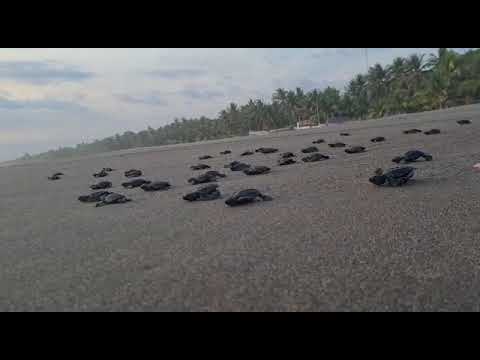
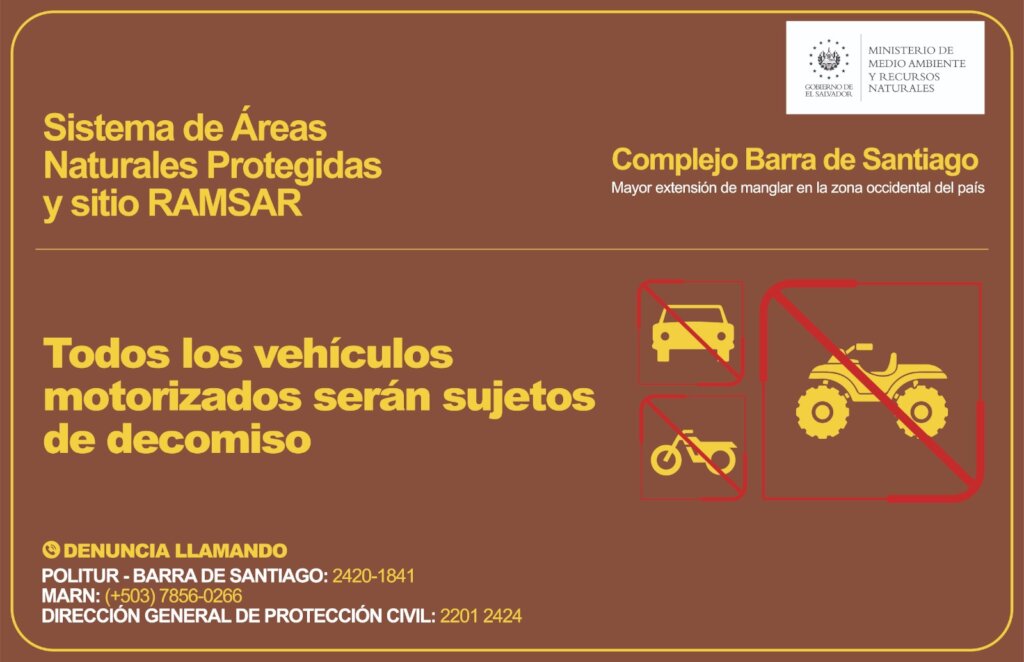
Additionally, the Environmental Ministry, unbelievably, is not enforcing a law that prohibits the use of motor vehicles on the beach. This important law safeguards the tranquility and vegetation the beach requires to receive sea turtle mothers as they select safe nesting sites. Airline Ambassadors is currently working with El Salvador's national authorities to resolve this situation, in part by enabling permanent confiscation of any motorized vehicle photographed on the beach, and by paying each fisherman $2 per hatchling returned to the ocean. The fisherman will each receive permits, now only relegated to one NGO, to safeguard a turtle nest "in situ", and take pride and responsibility for the release of the hatchlings. The local NGO, for its part, will receive money for the inspection of the natural nests (protected and nurtured by local fishermen) and verification of release at the proper time into the ocean.
AAI currently needs your help to help this very innovative project become a model for sea turtle conservation worldwide.
Project reports on GlobalGiving are posted directly to globalgiving.org by Project Leaders as they are completed, generally every 3-4 months. To protect the integrity of these documents, GlobalGiving does not alter them; therefore you may find some language or formatting issues.
If you donate to this project or have donated to this project, you can receive an email when this project posts a report. You can also subscribe for reports without donating.