By Alex Tuchman | Executive Director
Dear Friends,
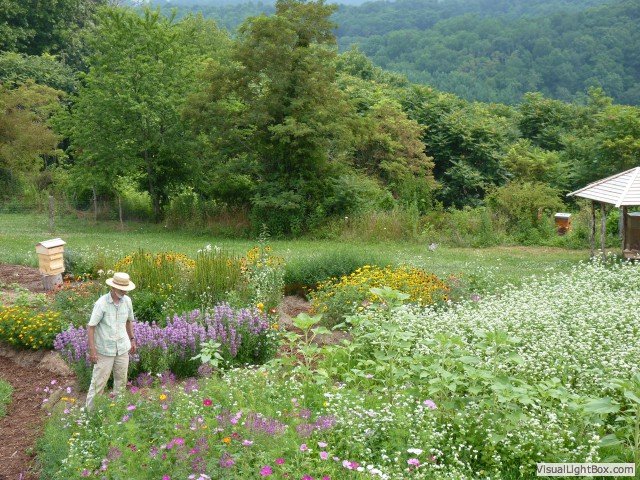
Since arriving to Floyd in 2009, we have developed our acreage as a true Sanctuary for the honeybees, native insects and plants, and a diversity of creatures up and down the food chain of our farm ecosystem. With this model sanctuary for nature in place, we are now moving into our next phase of growth and developing a place within our land where people can reside and live in partnership with the natural world. The residences that will be created through a new capital campaign reflect this important step for us to build a human community of resilience and health alongside the one we have created for the bees.
Within this expansive, long-term vision of growth, the need for the Community House was precipitated in 2021, when our rental agreements for both our office space and apprentice housing challenged us to accelerate our Master Plan work and our Board of Directors goal of developing long-term organizational sustainability and financial stability. When our landlord increased the rent on our off-site office by 50% in August of last year, we began to develop a plan for redirecting our resources and investing in a building on our own land to serve our organizational needs into the future. In November of last year, the double-wide trailer that we have been renting to house our apprentices (as well as volunteers, visitors, and guests) for the last 10 years reached the point where the owner is ready to move back to Floyd soon, potentially by the end of 2022. Both of these situations gave rise to the needs and opportunity that the Community House Campaign will fulfill. Our staff is excited at the prospect of working and living in a building situated on our own land.
With the help and generosity of campaign donors, we will no longer be limited by our current facilities, but will have an essential multi-purpose facility that will support and advance our mission in the following ways:
1) Increased office space to support our administrative staff and needs
2) Increased housing space for apprentices, volunteers, and short-term students who want to learn about sustainable and biodynamic beekeeping practices.
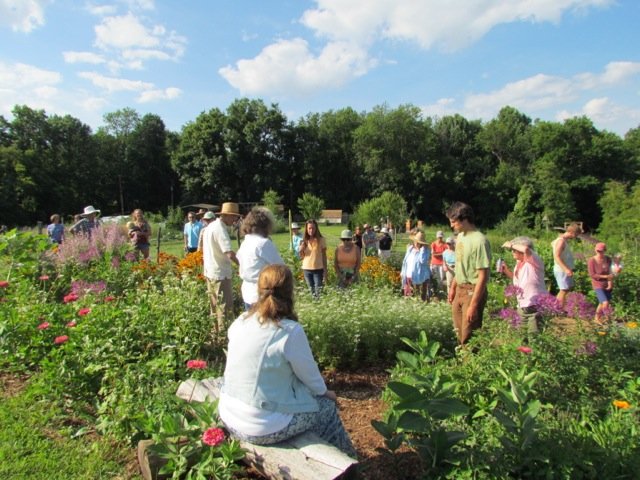
3) An indoor community room that will allow for an extended number of educational activities, e.g., weekend retreats, one-week intensive studies, advanced training seminars, school class visits, spring break immersions, and more.
4) On site housing in cabins for the health and wellness retreats, visitors, volunteers, apprentices, and course participants.
Last but not least, we need to add that we believe that the Community House will ultimately play an important part in our next steps of growth and development as an organization, from our strong foundation that has been laid in the “pioneer phase” of building up the organization and developing this model honeybee sanctuary, to our next phase, which will be hallmarked by reaching out into the wider community and developing partnerships and widening our spheres of activity to have an ever greater impact in service of the honeybees, both locally and worldwide. In order to do so, the Community House and surrounding cabins will create the appropriate residences necessary for a supportive community of people to be able to live, work, learn, and grow together with Spikenard Farm into the future.
Thank you for your interest in helping support the honeybees and the people who care for them!
With gratitude and much appreciation,
Alex
By Alex Tuchman | Director
By Alex Tuchman | Director
Project reports on GlobalGiving are posted directly to globalgiving.org by Project Leaders as they are completed, generally every 3-4 months. To protect the integrity of these documents, GlobalGiving does not alter them; therefore you may find some language or formatting issues.
If you donate to this project or have donated to this project, you can receive an email when this project posts a report. You can also subscribe for reports without donating.