By Ellen Eoff | Development Manager
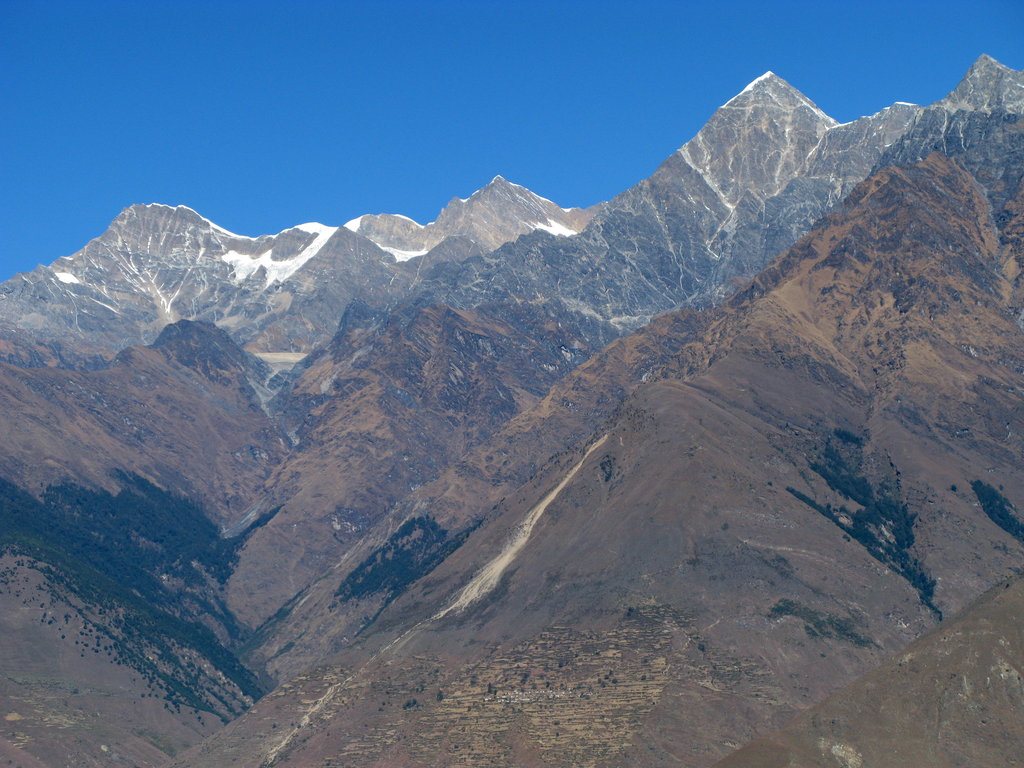
We remain so grateful to each of you for your generosity and compassion in action toward women and babies in Nepal. Your support helps to ensure One Heart World-Wide’s success as we work hard to eradicate preventable maternal and neonatal mortality in Nepal. With your help, we have reduced neonatal mortality rates in the two districts where we work by an average of 75% and maternal deaths by 89% in the Baglung district, and 50% in the (more challenging and remote) Dolpa district. The extreme remoteness of many women in Dolpa and climate present a challenge, but we are proud of the many lives saved there and we continue to work hard to train healthcare workers and educate the public around maternal healthcare. In this report, we would like to update you on just a couple of our activities in Dolpa since mid-July.
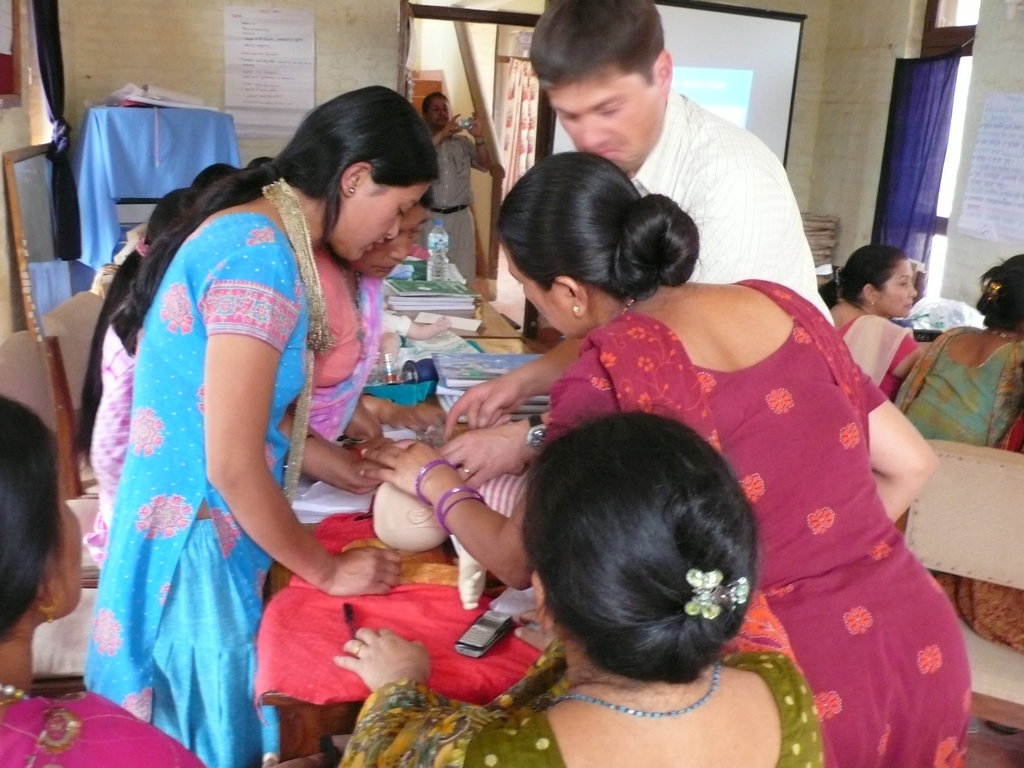
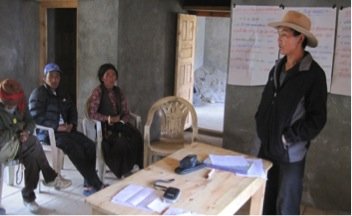
In August, we conducted trainings sessions for the Health Facility Organizing Management Committees, who are elected Nepalese governmental bodies responsible for managing the birthing centers. These trainings were held in Phoksundo and Saldang, the most difficult-to-access Birthing Centers of Northern Dolpa. Each of the 22 committee members attended the sessions, where they were coached on best practices in management for the centers, they talked through local needs and challenges, and they committed to implement the teachings they learned. In addition, both of the Health Facility Organizing Management Committees agreed to sustain the quality birthing center services, which will eventually be turned over to the communities with One Heart World-Wide stepping into an advisory role. This allows One Heart World-Wide to eventually pass complete ownership of this project to the community, and allows us to use your dollars to work in districts that still lack accessible maternal healthcare services. Until then, we will continue to work in close partnership with the Nepalese government as we train and prepare the workers and community for the transition. Community ownership, long-term sustainability, and high-quality services are our goals for each place we work.
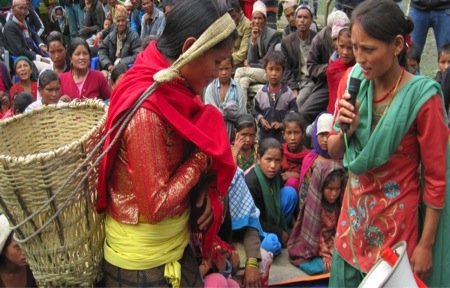
In late July our Liku Birthing Center staff performed plays in partnership with a local club to build awareness of good maternal and neonatal healthcare practices among community members. Over three hundred people attended, and we hope it will bring about positive behavioral changes in the Liku community.
A story:
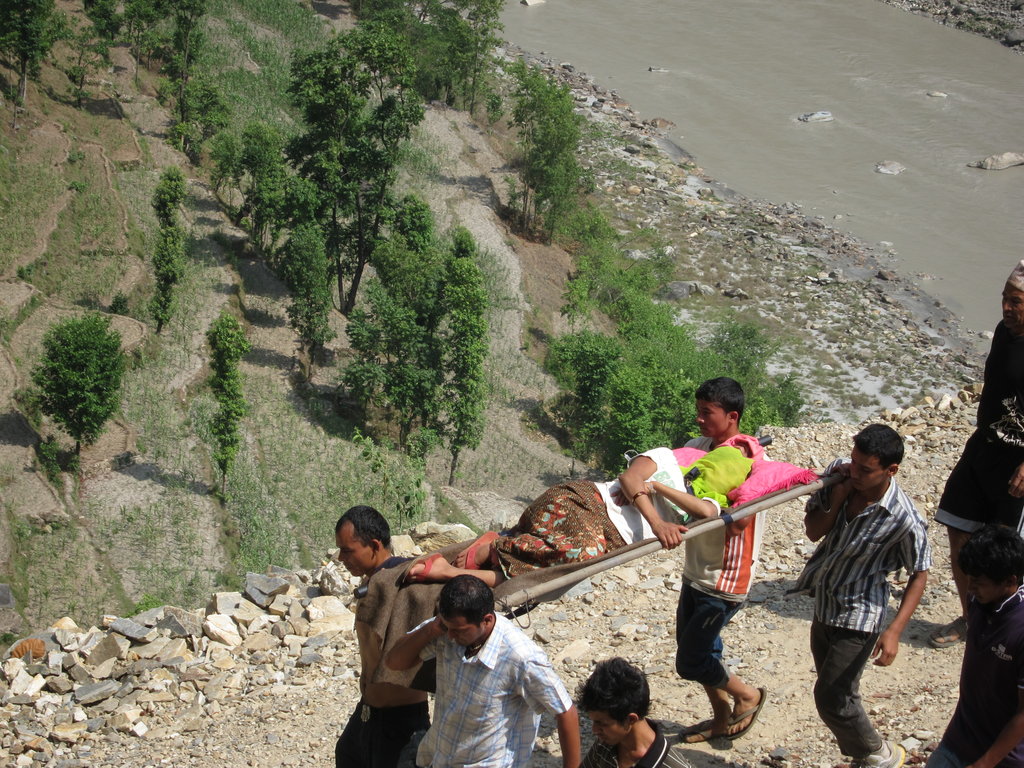
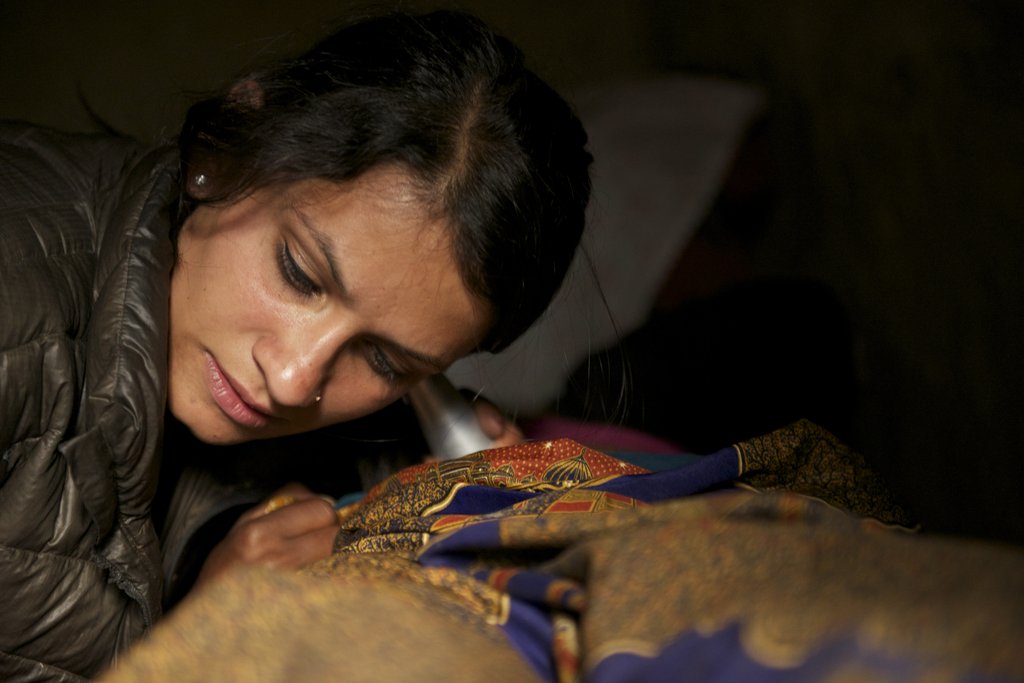
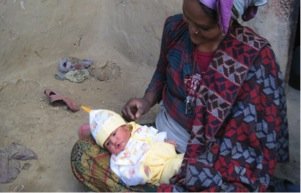
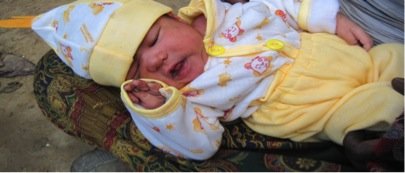
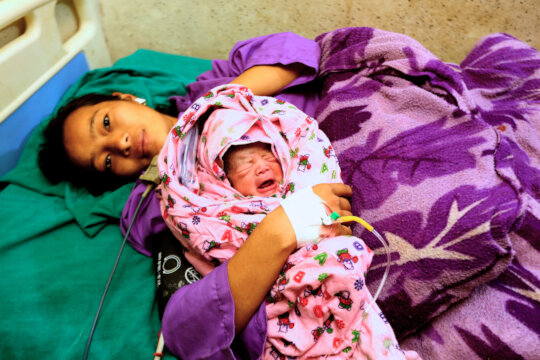
Dhani, a 20-year-old in Liku, part of the Dolpa district, was pregnant with her first baby. After 11 hours of excruciating labor, her family brought her to the Liku Birthing Center. The nursing staff at the center tended to Dhani and she delivered the next day. Shortly after the birth, Dhani experienced intense bleeding. The nurses immediately recognized the bleeding as postpartum hemorrhage, a leading cause of maternal deaths in Nepal, and they administered medication and fluids. Dhani’s life was saved and her family was so grateful that they vowed to get the word out in the community to assure that all other pregnant women deliver at the Liku birthing center. One way that the word is spreading quickly about our birthing centers is the many women and their families who use the centers and want to encourage all of their networks to use the center after their positive experiences.
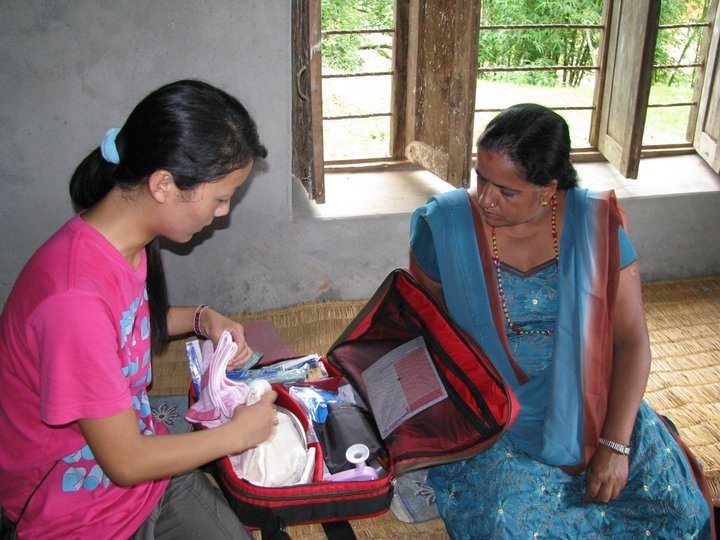
In the last thee months we also trained 57 Health Worker in the Baglung district in the birth preparedness package using misoprostol to manage post-partum hemorrhage. Thank you again for making it all possible. Your support means so much to the people whose lives are saved every day.
Project reports on GlobalGiving are posted directly to globalgiving.org by Project Leaders as they are completed, generally every 3-4 months. To protect the integrity of these documents, GlobalGiving does not alter them; therefore you may find some language or formatting issues.
If you donate to this project or have donated to this project, you can receive an email when this project posts a report. You can also subscribe for reports without donating.