By Steven Kisingiri | Country Director
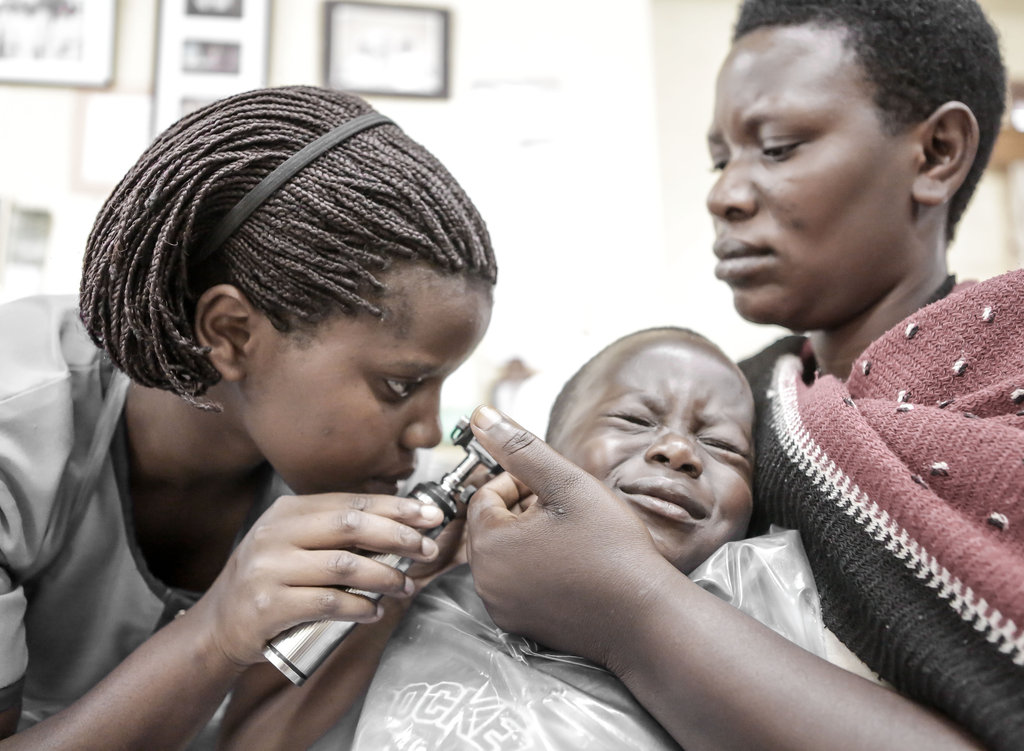
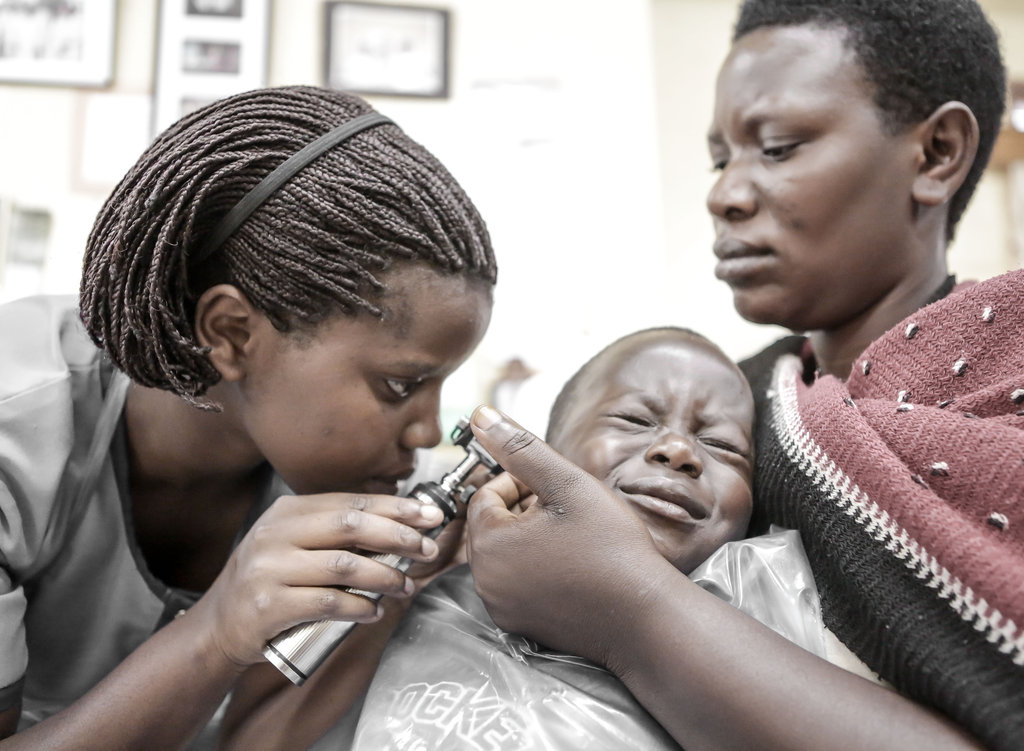
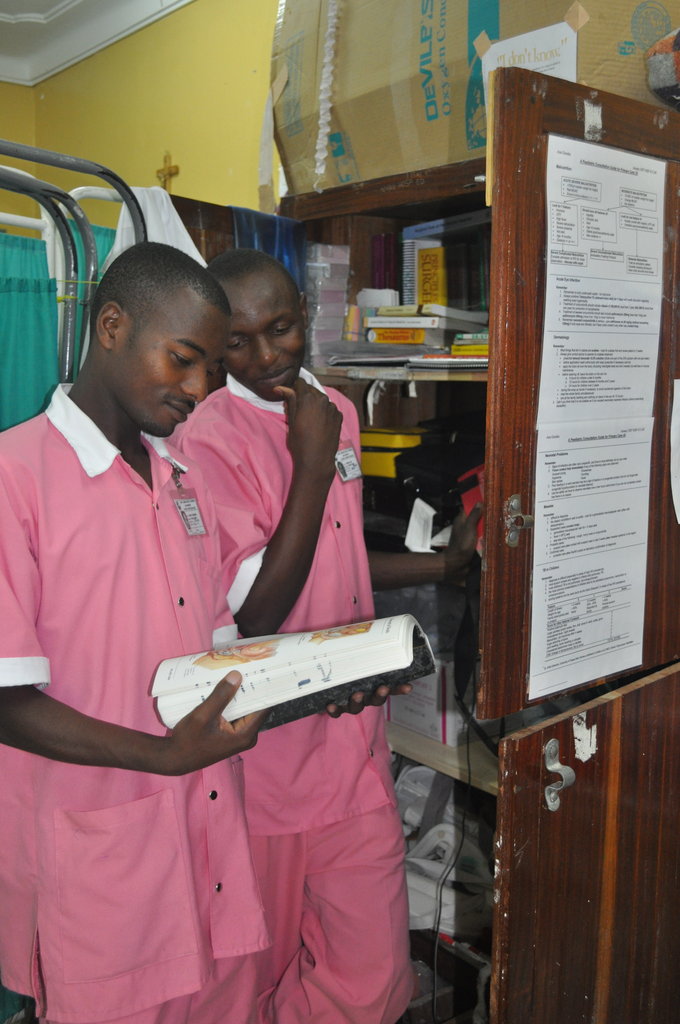
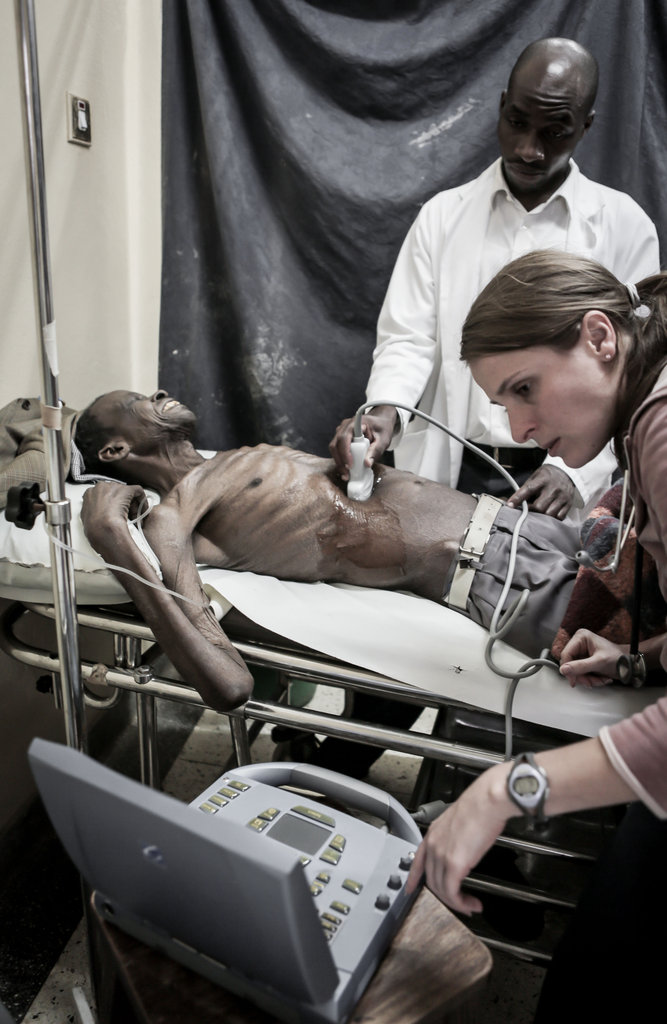
An unacceptable number of Ugandan’s still die or suffer disabilities because of the inability to access emergency care in good time. Jackeline is an accountant by profession with Hashimoto’s thyroiditis (HT) and an asthmatic condition. “All I remember is that I blacked out of the blue,” she says. “The emergency care professionals helped me a lot, and they gave me the care that I needed to save my life,” she adds.
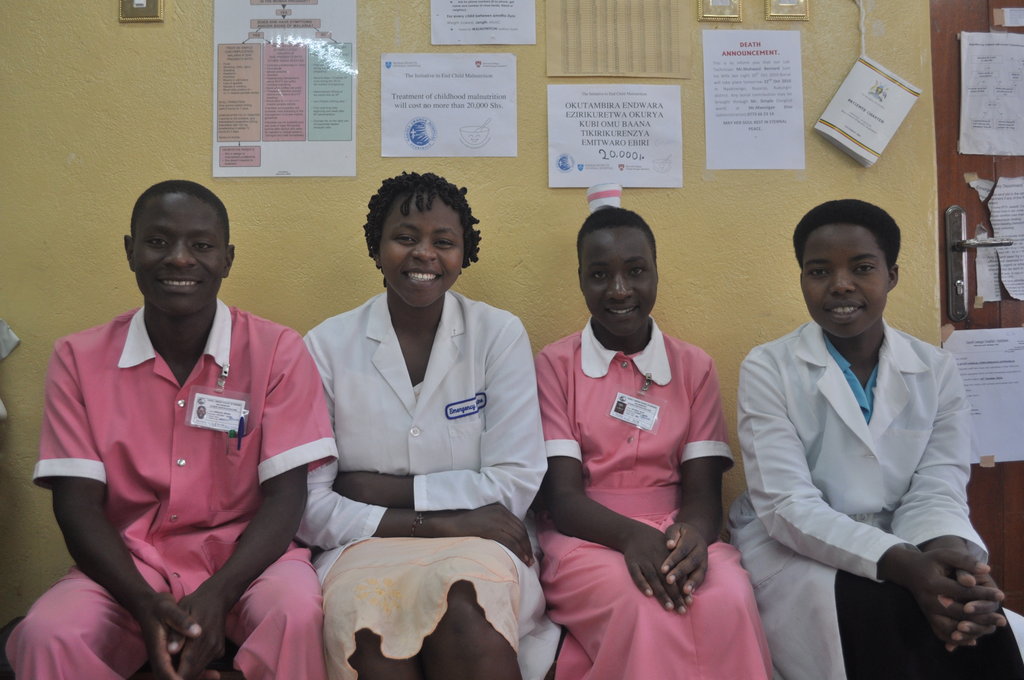
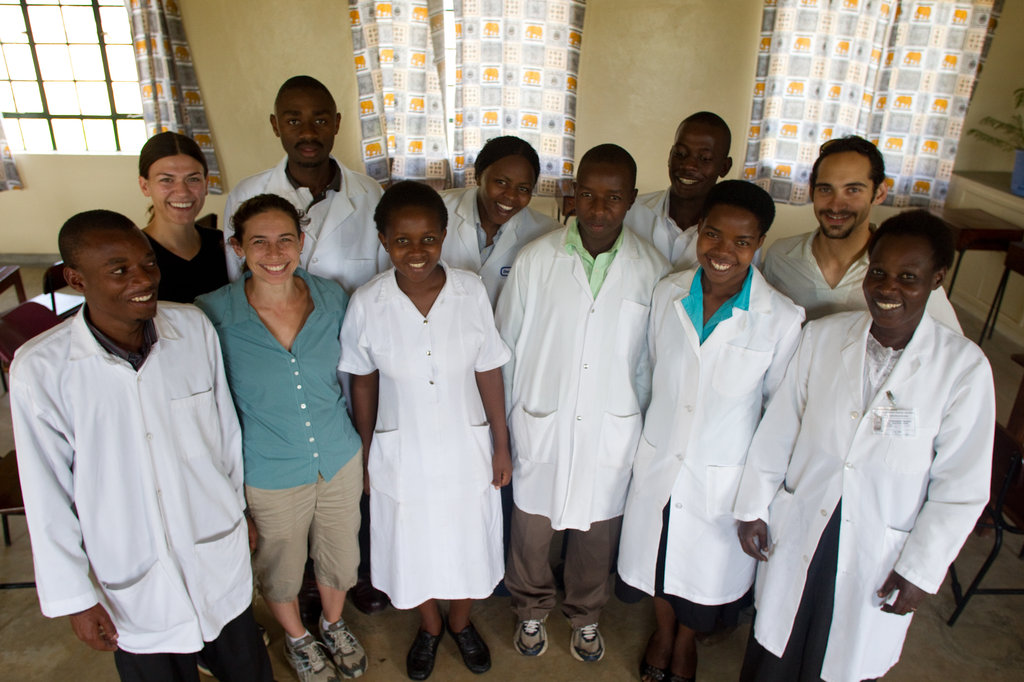
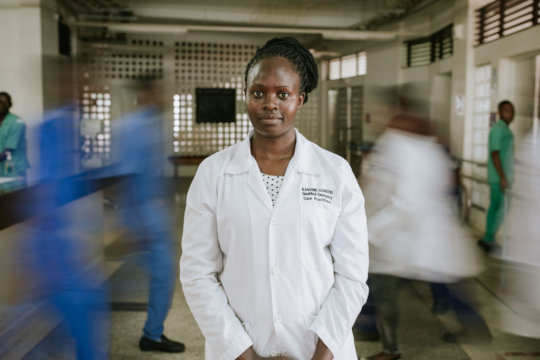
With an HT condition, Jackeline is constantly in need of care. Fortunately for her, the proximity of working in and living near a facility with emergency care services has made it easy for her to access help. “My life is better now; I know where to go in case of anything,” she says in a warm-spirited way with an infectious smile. “Sincerely, they have improved the services we receive. They have made it easy to access help, and a patient can’t suffer. If they didn’t have the skill they had, I would have died. They work as a team and are very friendly. I got a family with them.” She concludes by referring to the trained Emergency Care Professionals.
But not everyone in Uganda is as lucky as Jackeline. There is still a gap of over 450 emergency care professionals required to provide care to millions of Ugandans.
Project reports on GlobalGiving are posted directly to globalgiving.org by Project Leaders as they are completed, generally every 3-4 months. To protect the integrity of these documents, GlobalGiving does not alter them; therefore you may find some language or formatting issues.
If you donate to this project or have donated to this project, you can receive an email when this project posts a report. You can also subscribe for reports without donating.