By Mary Jo Anderson | Butterfly Conservationist
OREGON ZOO WORKS TO SAVE THREATENED SILVERSPOT BUTTERFLY Conservationists release 128 zoo-reared larvae into protected native habitat
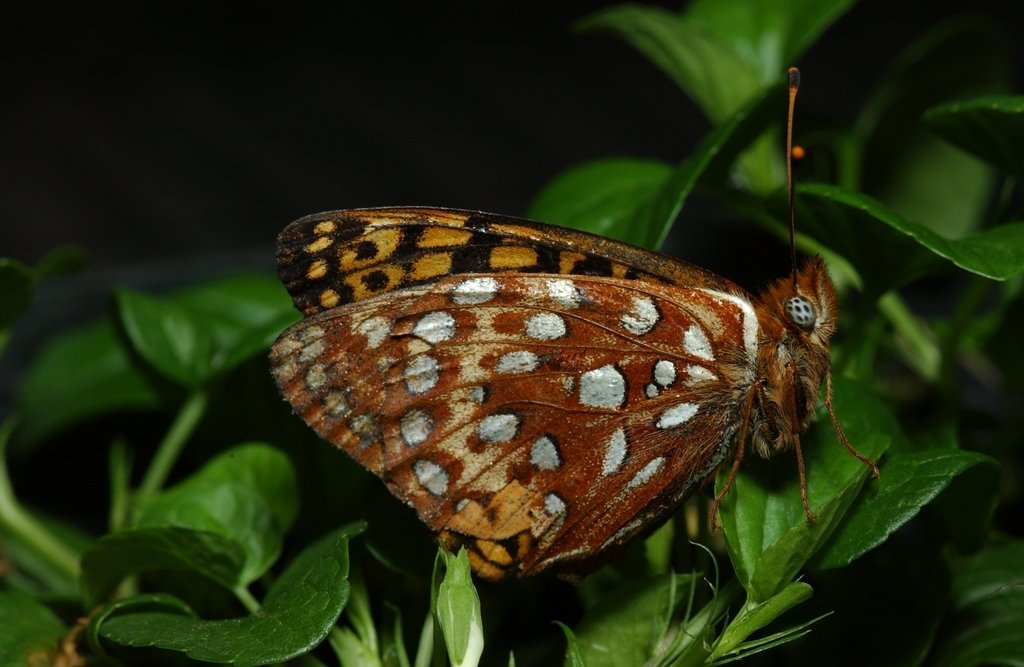
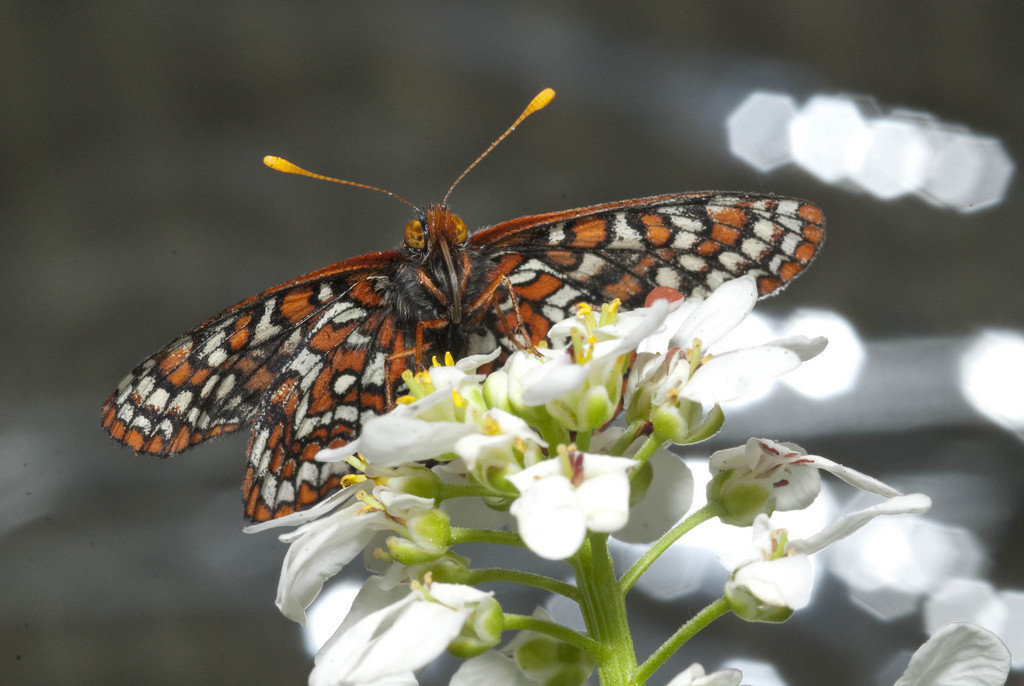
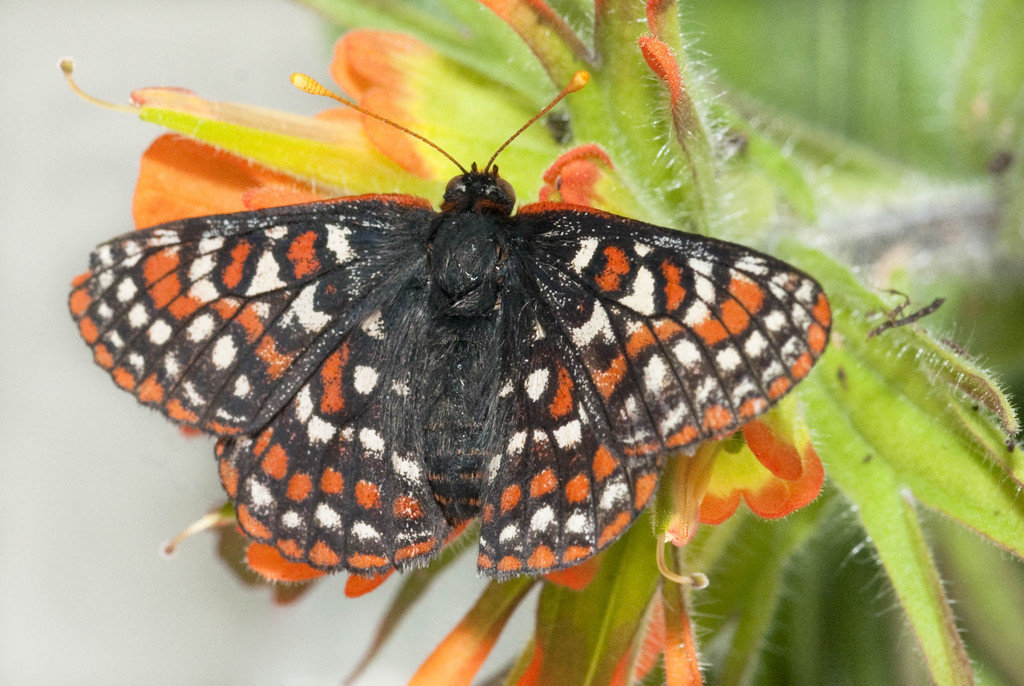
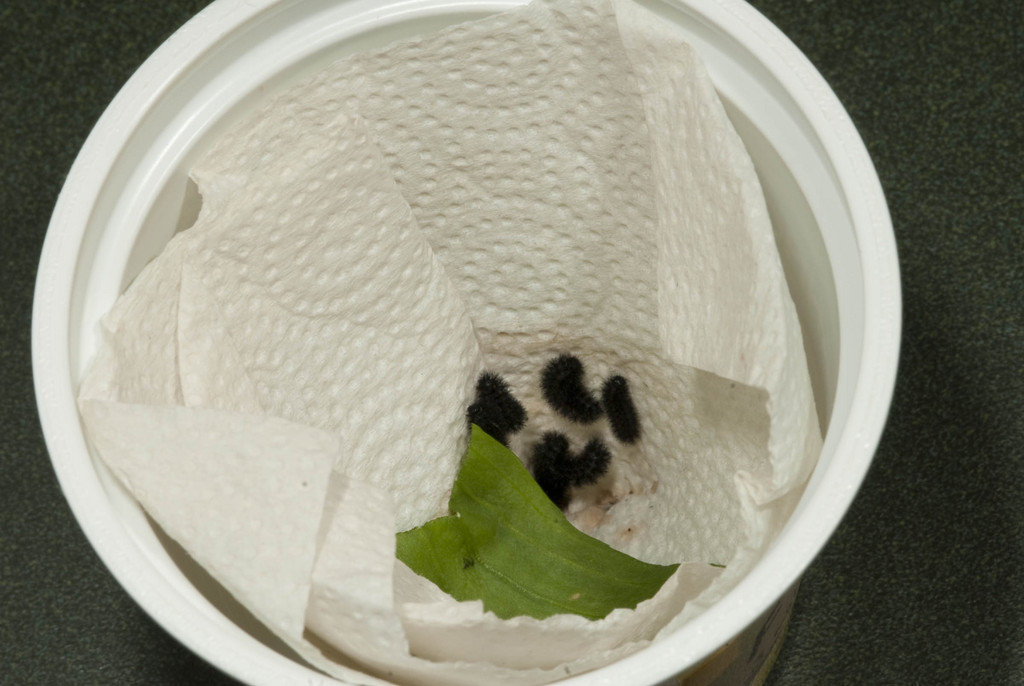
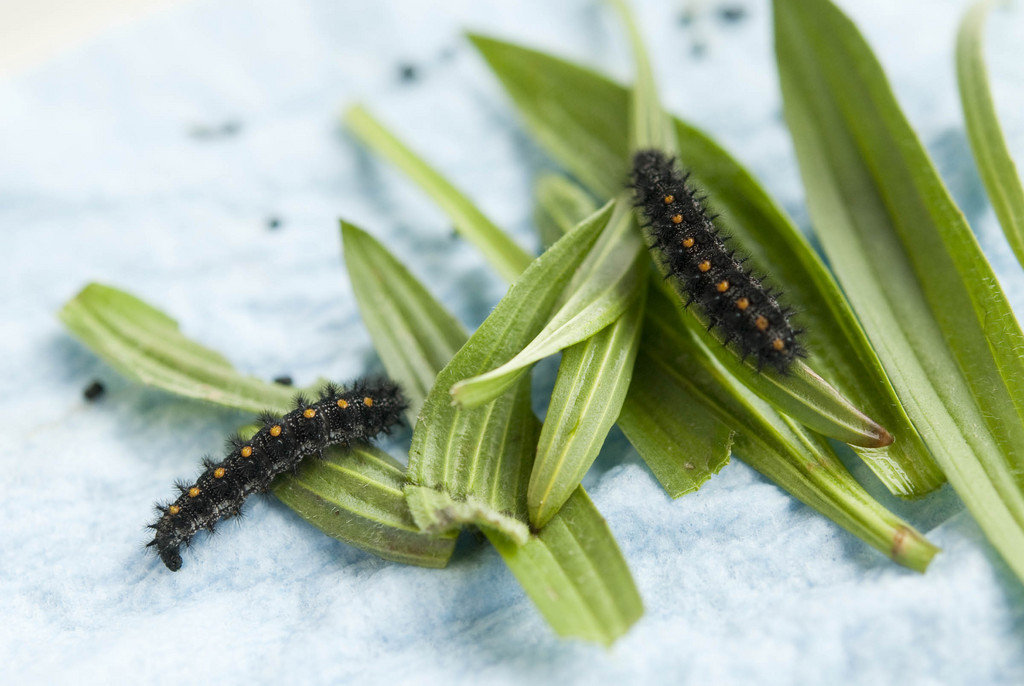
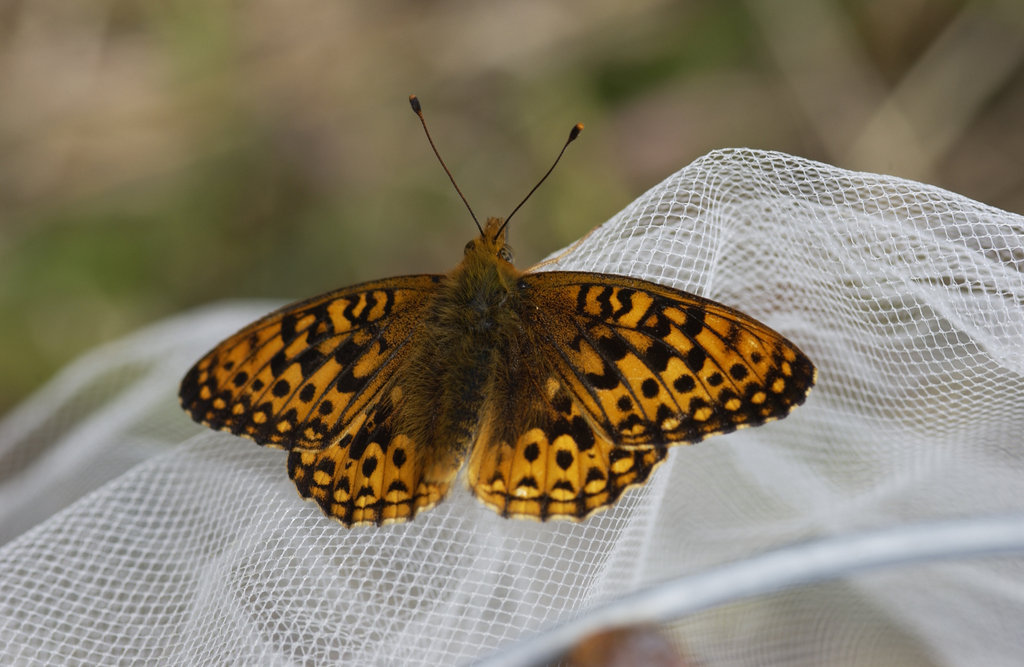
PORTLAND, Ore. –– The Oregon Zoo recently released 128 Oregon silverspot butterfly larvae at Rock Creek in Tillamook County in an effort to stabilize declining populations of the threatened species. This is the zoo’s second silverspot release of the summer –– 650 larvae were released at Rock Creek in late June –– and more will be released throughout the season.
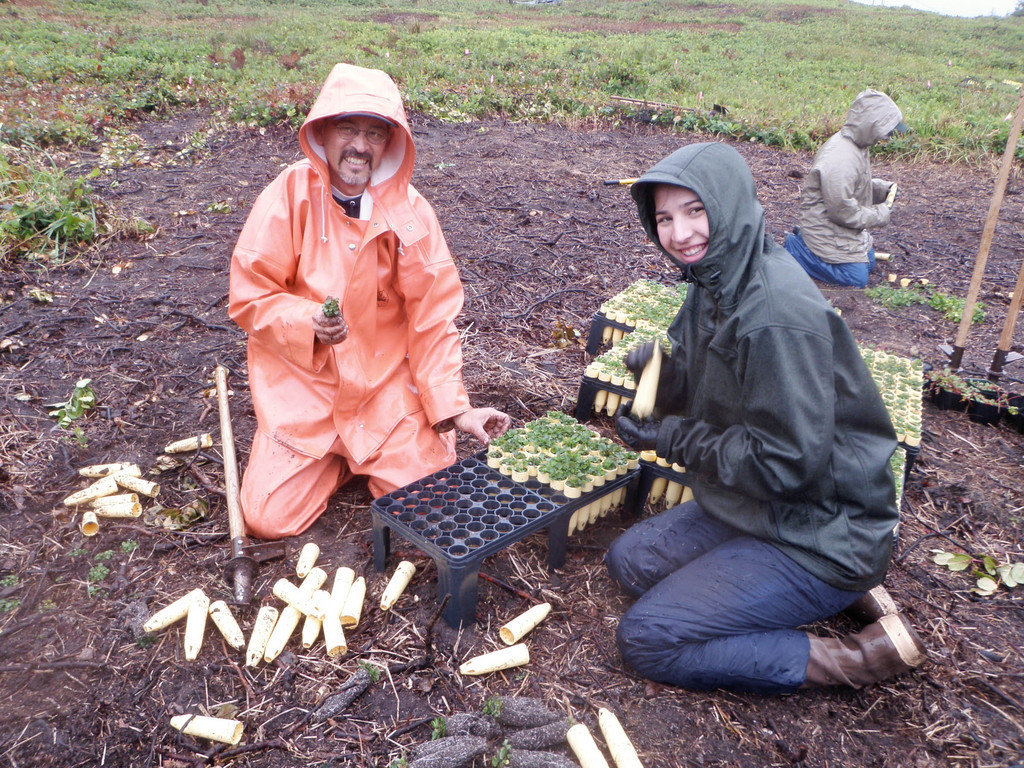
“These two successful releases are an excellent start to our summertime silverspot conservation efforts,” said Oregon Zoo director Kim Smith. “The zoo will release thousands of silverspots this season and work to restore the butterflies’ habitat.” In August and September, the zoo will participate in multiple releases at three protected sites –– Cascade Head, Rock Creek and Bray Point –– along the Oregon coast. The zoo’s horticulture department has also raised thousands of western blue violet (Viola adunca) starts to plant at some of the release sites, which will provide a crucial food source for the butterflies and allow the larvae to pupate.
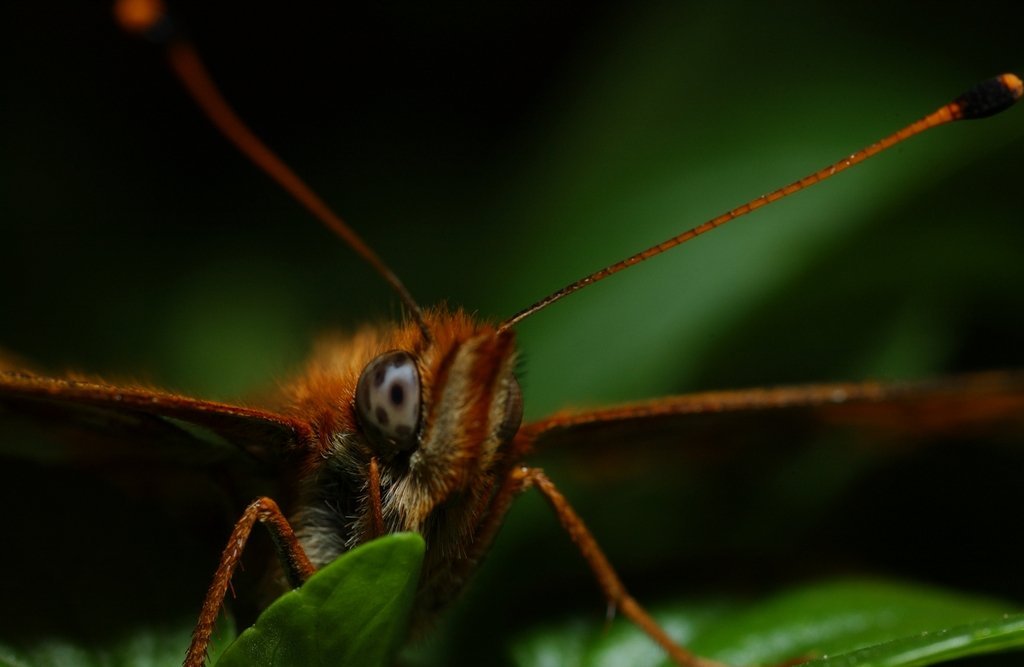
The silverspot butterfly is native to coastal grasslands ranging from northern California to southern Washington. The species has been threatened by habitat destruction and the decline of the western blue violet, its host plant. The Oregon Zoo works in partnership with the Washington State Fish and Wildlife Service, Woodland Park Zoo, Nature Conservancy, Xerces Society, Lewis and Clark College, U.S. Forest Service and U.S. Fish and Wildlife Service to bolster and protect wild populations of the silverspot butterfly, which is listed as threatened under the U.S. Endangered Species Act.
Before this collaborative captive-rearing and release effort began, monitoring at Cascade Head revealed a dramatic decline in the number of butterflies seen flying. In years prior to 1992, average numbers exceeded 1,000 adults, but in 1998, only 57 of the butterflies were found.
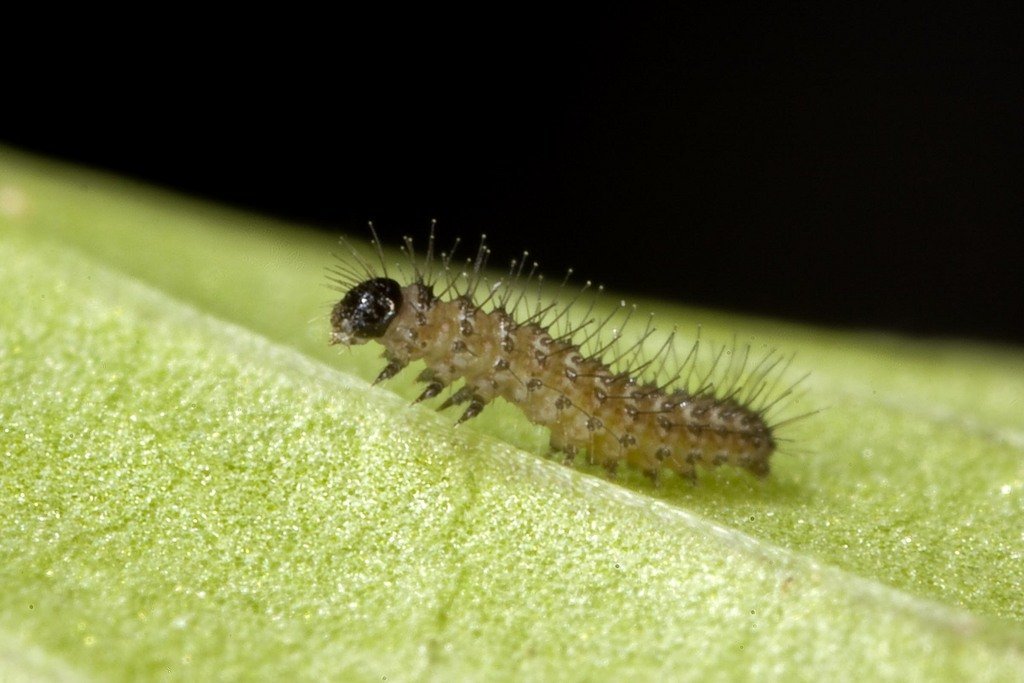
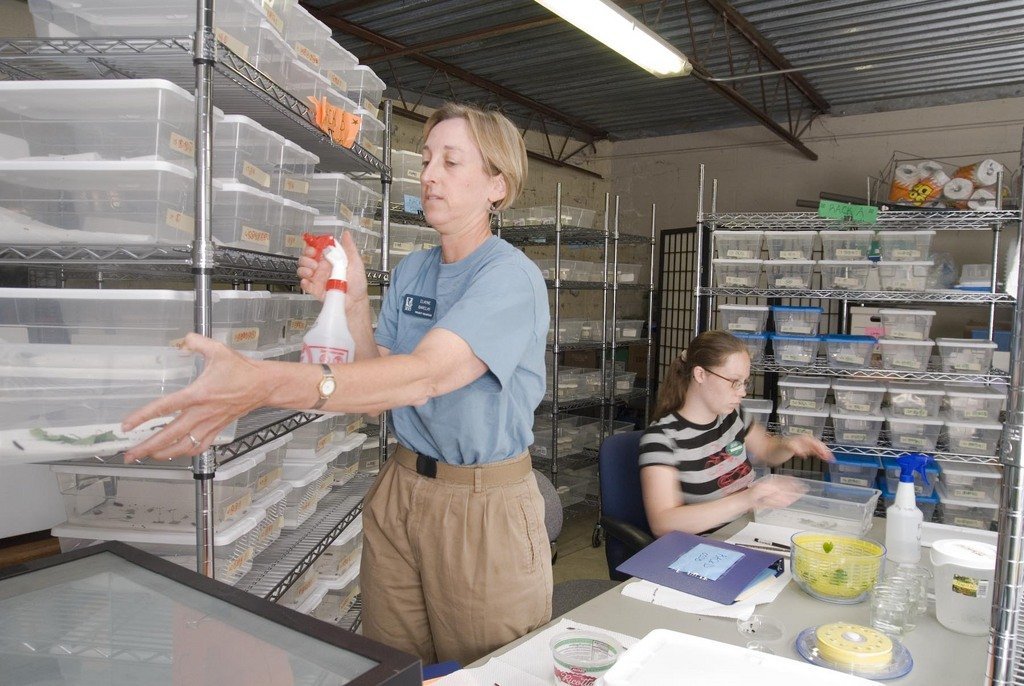
Each year, female silverspot butterflies are collected from Mount Hebo, which is home to a stable silverspot population, and induced to lay eggs at the Oregon Zoo’s butterfly conservation facility. The eggs hatch into tiny larvae (caterpillars), which are then kept in refrigerators to hibernate through the winter. When the larvae wake up in the spring, they proceed to eat hundreds of blue violet leaves grown pesticide-free at the zoo before they are released. “We are very busy with the silverspot population right now,” said zoo butterfly conservationist Mary Jo Andersen. “In the past, we primarily released silverspots that were in the chrysalis stage of their life cycle, but recently we’ve begun to make a more aggressive push to rehabilitate the species by releasing hundreds of larvae.”
According to the U.S. Fish and Wildlife Service, butterfly populations throughout North America are in decline with 23 butterfly species listed as either endangered or threatened. To address this problem, the Oregon Zoo has supported the Association of Zoos and Aquariums’ Butterfly Conservation Initiative, which includes nearly 50 national zoos and aquariums. The initiative is designed to bring together government and non-government agencies to aid in the recovery of imperiled North American butterflies.
“It’s vital to remember the importance of the entire butterfly population,” Andersen said. “Butterflies pollinate plants, including plants we eat, so ensuring their survival protects entire ecosystems.”
The Oregon silverspot captive-rearing effort is a project of the NW Zoo & Aquarium Alliance, which promotes collaboration on regional conservation among zoos and aquariums in the Pacific Northwest.
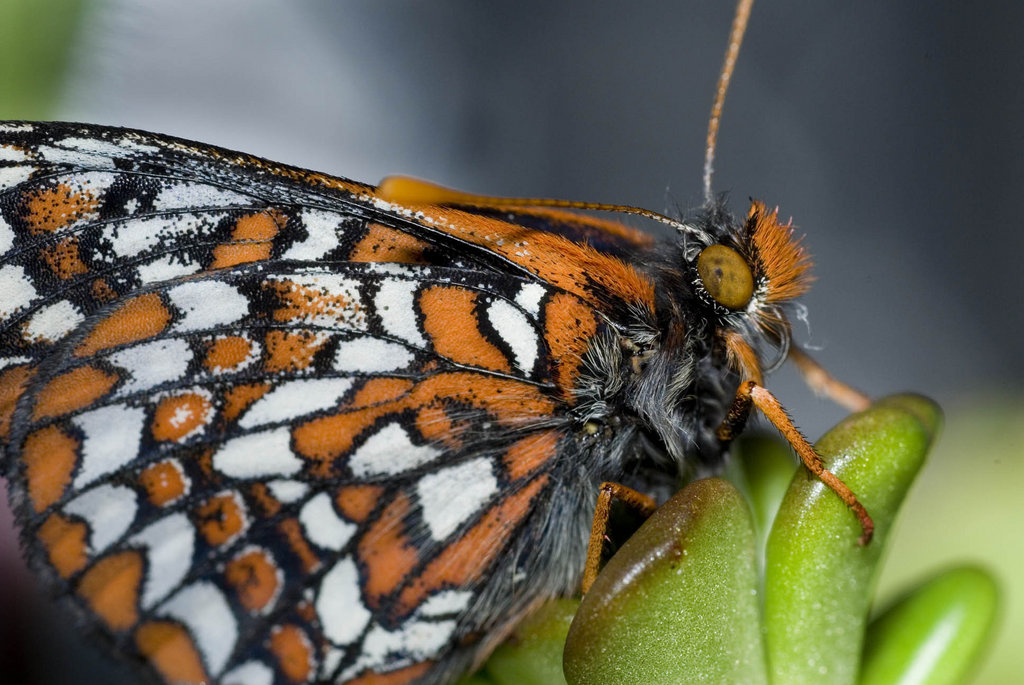
The zoo is a service of Metro, and is dedicated to its mission of inspiring the community to create a better future for wildlife. With award-winning programs in conservation, exhibits, education and animal enrichment, the zoo is a national leader in animal welfare and wildlife preservation. Committed to conservation, the zoo is currently working to save many endangered and threatened species, including California condors, Washington’s pygmy rabbits, Oregon silverspot and Taylor’s checkerspot butterflies, western pond turtles, Oregon spotted frogs and Kincaid’s lupine.
Links:
Project reports on GlobalGiving are posted directly to globalgiving.org by Project Leaders as they are completed, generally every 3-4 months. To protect the integrity of these documents, GlobalGiving does not alter them; therefore you may find some language or formatting issues.
If you donate to this project or have donated to this project, you can receive an email when this project posts a report. You can also subscribe for reports without donating.



Support this important cause by creating a personalized fundraising page.
Start a Fundraiser