By Julie Traweek | Project Manager
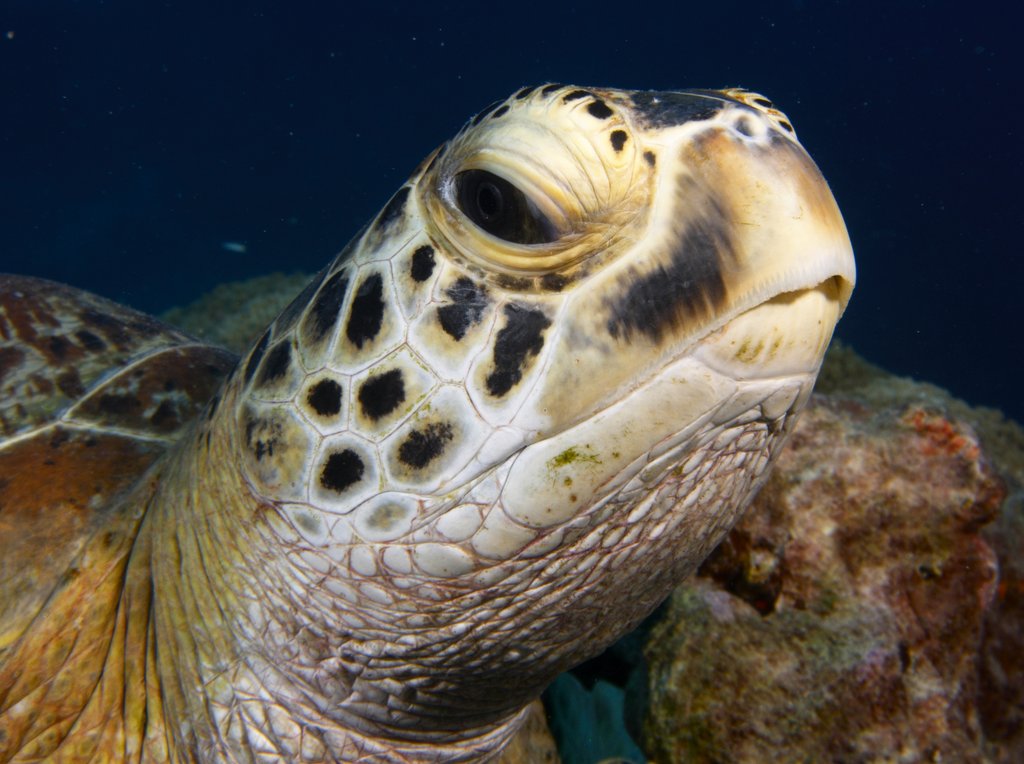
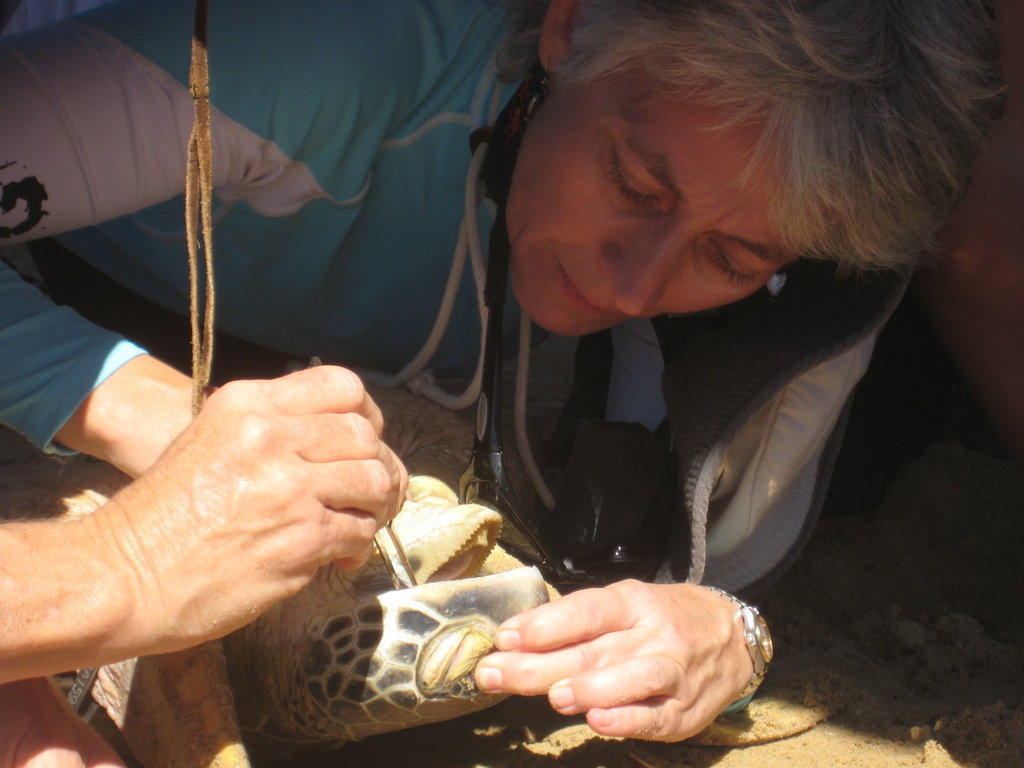
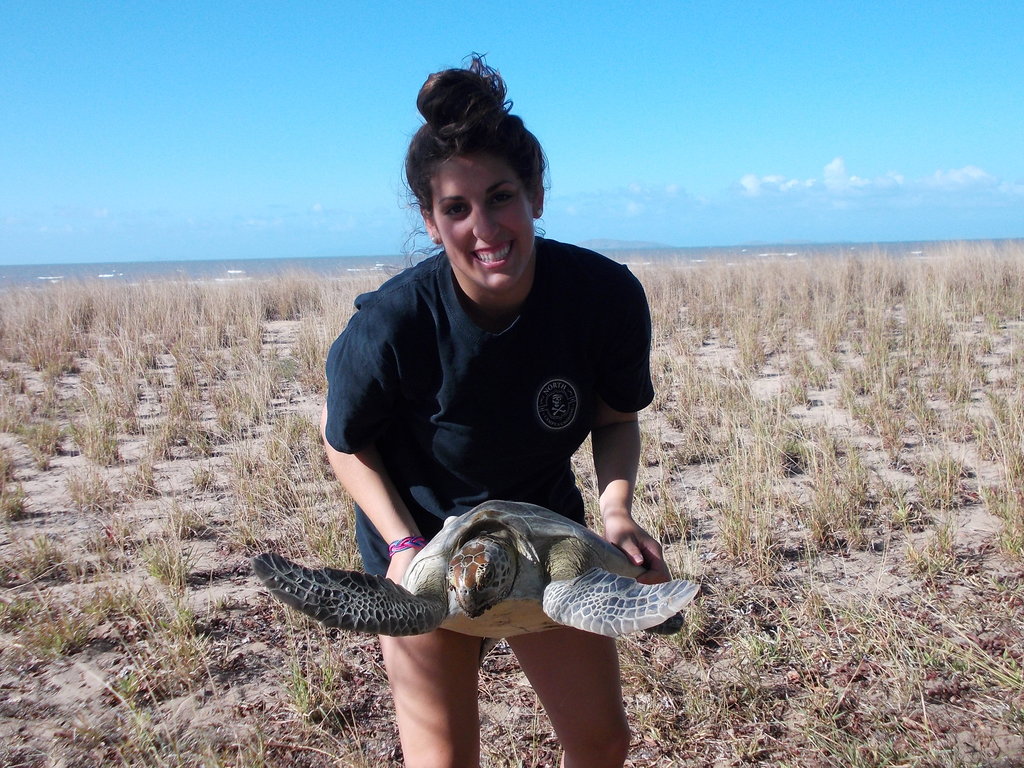
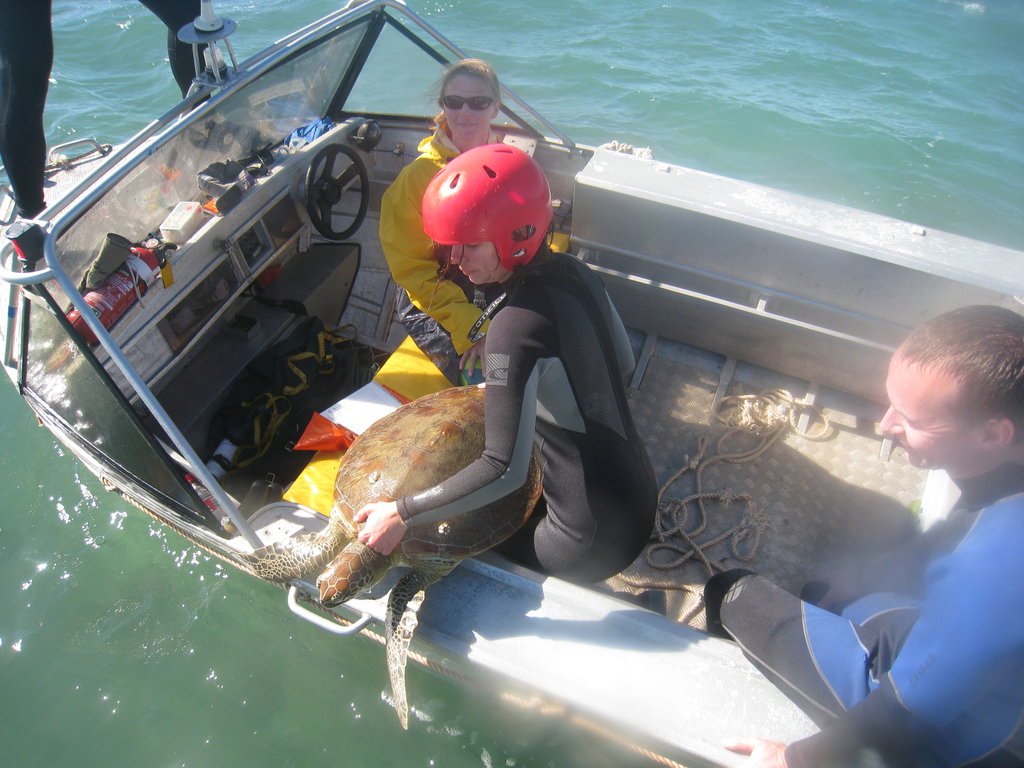
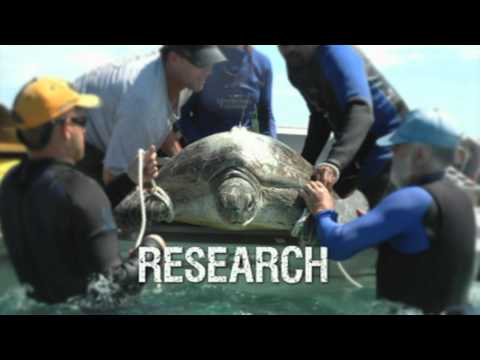
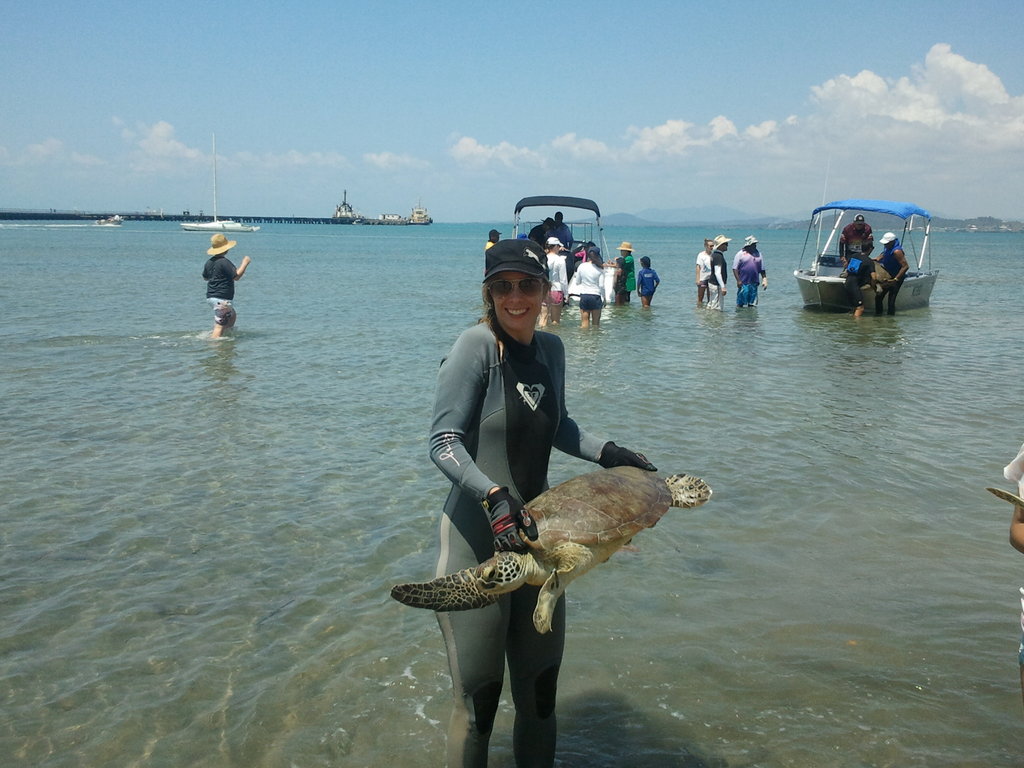
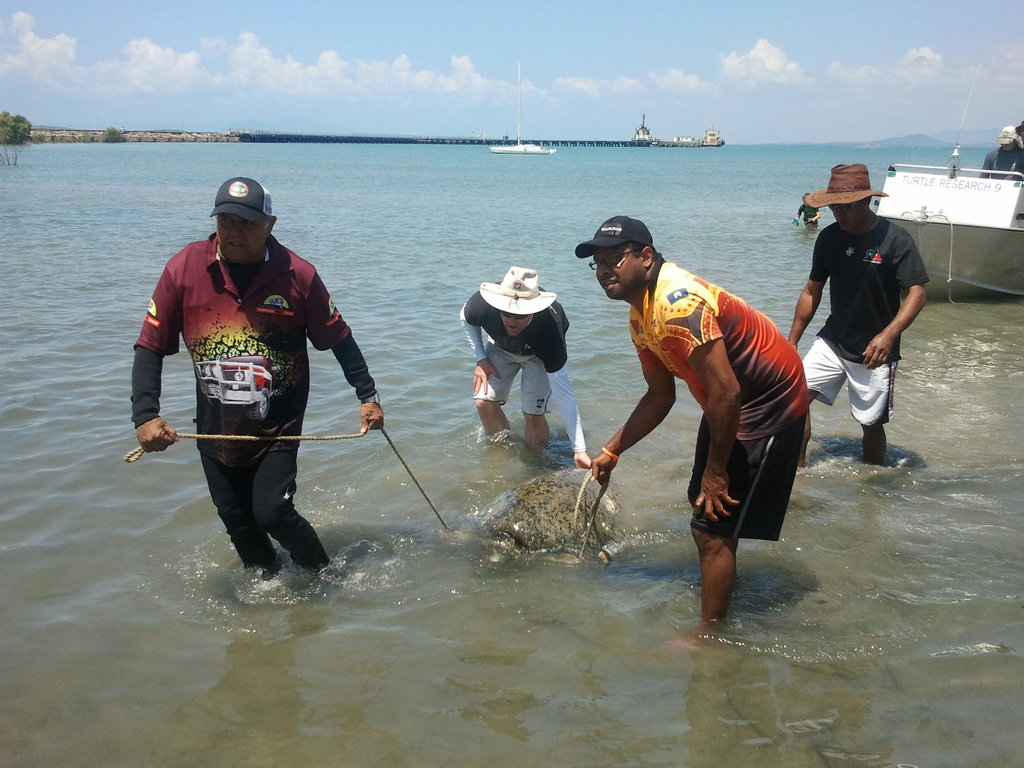
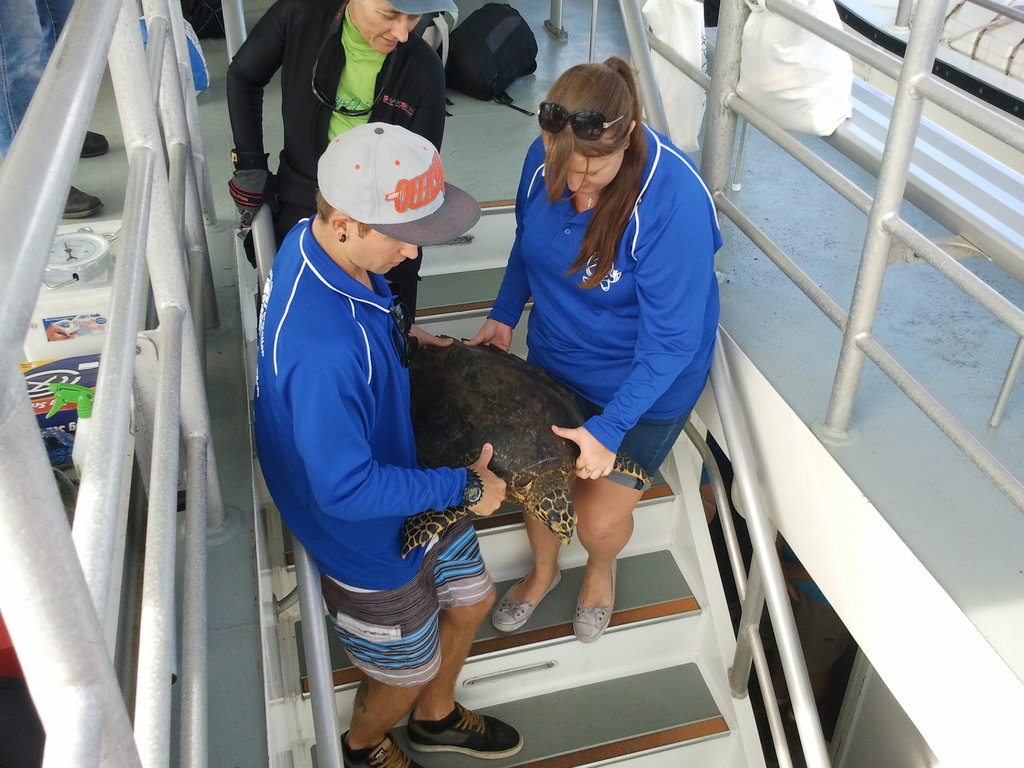
Winter in north Queensland is on its way out, and the hot, humid summer is upon us! In the last three months, we have completed two more research trips to add to our knowledge about why green turtles are getting fibropapilloma and blood fluke infestations; researchers tagged nearly 50 more turtles on these two trips. Generally, the turtles are exhibiting good body condition, particularly for this time of year (the end of winter is often a peak period for sick and stranded animals).
One of the larger turtles caught on the most recent research trip was released with some extra equipment--thanks to Queens Beach Action Group, Walnut the male sea turtle was fitted with a satellite tracker in addition to the standard titanium flipper tag. Since only females leave the water to nest, the vast majority of tracking data has been obtained from female turtles (it's much easier to catch a turtle on land than in the water!). Researchers hope to learn more about where male turtles congegrate and how they travel, particularly now when breeding/nesting season is about to start. If you would like to follow Walnut's travels, click the link below.
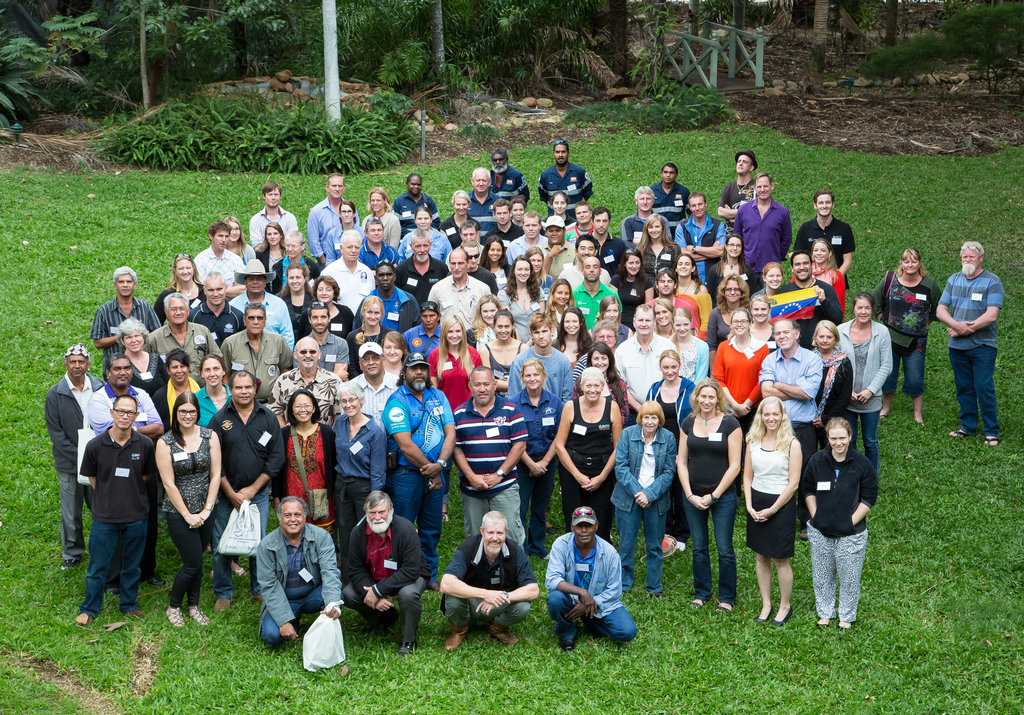
Another major achievement this quarter was the very successful third annual Sea Turtle Health and Rehabilitation Workshop, co-sponsored by Sea Turtle Foundation and James Cook University. This workshop brought together sea turtle specialists, rehab center workers, community group leaders, and veterinarians to talk about the latest issues in sea turtle health and best practices for caring for sick and injured turtles. Over 125 people were able to share their knowledge, and the network of rehabilitation and triage facilities is growing across Australia.
As October and the wet season gear up, so do we--nesting season is almost here! Flatback and green turtles will be coming ashore to lay their eggs, so we are planning our nesting monitoring activities now. Stay tuned for the next report--we hope to have lots of good news about turtle nesting success! Thank you to all our donors and supporters--we couldn't do it without you, and with all of us working together, we can ensure there will be Turtles for Tomorrow.
Links:
Project reports on GlobalGiving are posted directly to globalgiving.org by Project Leaders as they are completed, generally every 3-4 months. To protect the integrity of these documents, GlobalGiving does not alter them; therefore you may find some language or formatting issues.
If you donate to this project or have donated to this project, you can receive an email when this project posts a report. You can also subscribe for reports without donating.