Thank you so much for your continued support, we'd love to share some of the impact that your donation has made possible. We are so grateful.
Between May and October 2026, Care for Wild’s rescue, rehabilitation, and rewilding efforts continued to give orphaned rhinos a second chance at life. During this period, three young calves were brought into the sanctuary under critical circumstances, joining the four orphans admitted earlier in the year.
The first of these rescues took place on June 3rd, when a young calf named Ngala was discovered wandering alone in the bush. Because he was already too large for helicopter transport, our recovery team traveled by road to bring him back safely. Upon his arrival at the Juvenile High Care Unit, Ngala began calling out, and he was quickly answered by the other young rhinos in the neighboring bomas, helping him settle into his new environment.
A month later, on July 8th, an urgent call came from Marakele National Park, where rangers found a 16-to-18-month-old calf standing faithfully beside her mother, who had died of natural causes. Care for Wild joined forces with SANParks and local wildlife transport teams for a complex, 12-hour overland rescue operation to bring the young female, named Nandi, to the sanctuary. Though initially overwhelmed by her new surroundings, Nandi soon found comfort and companionship in Lihawu, a young bull rescued just days later.
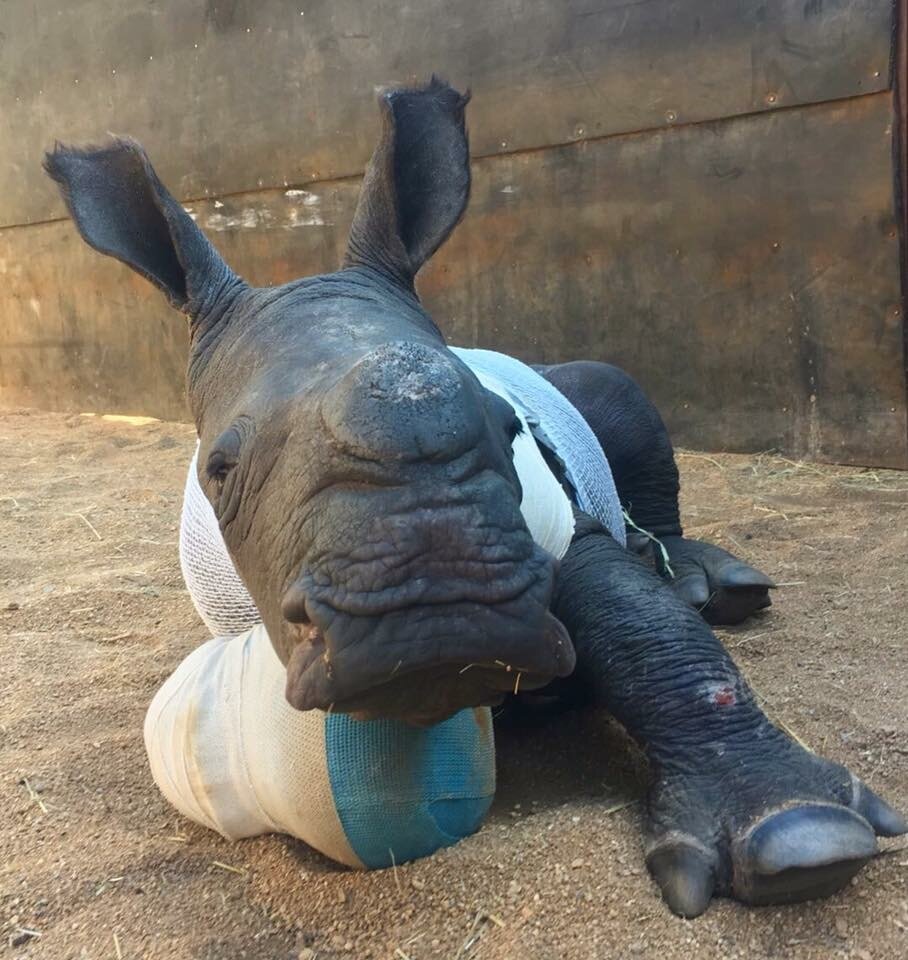
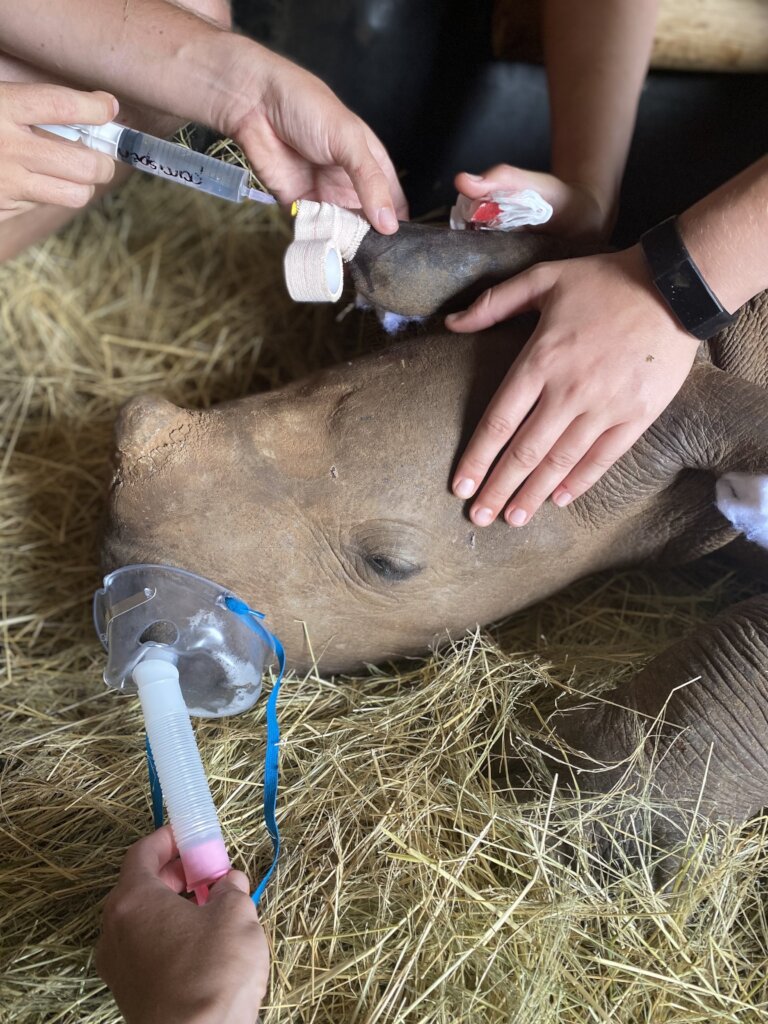
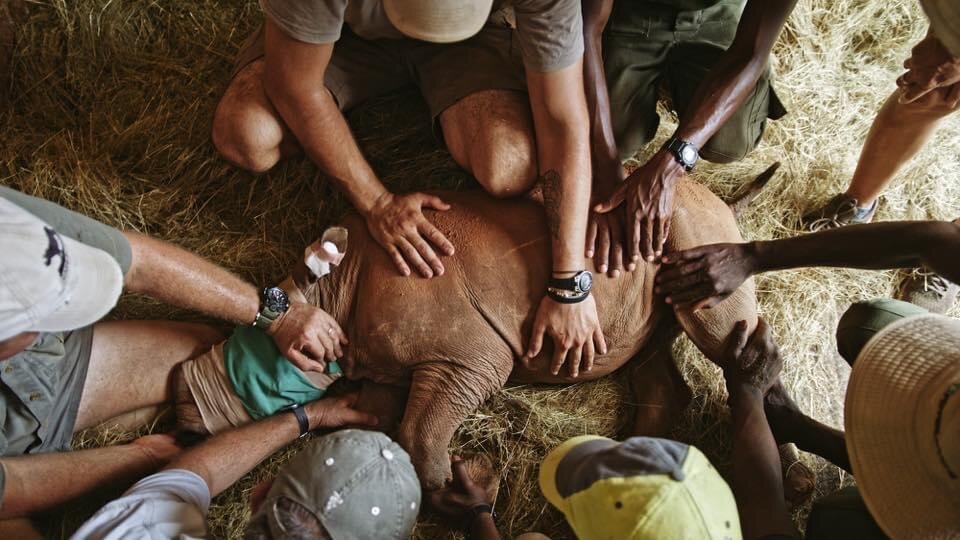
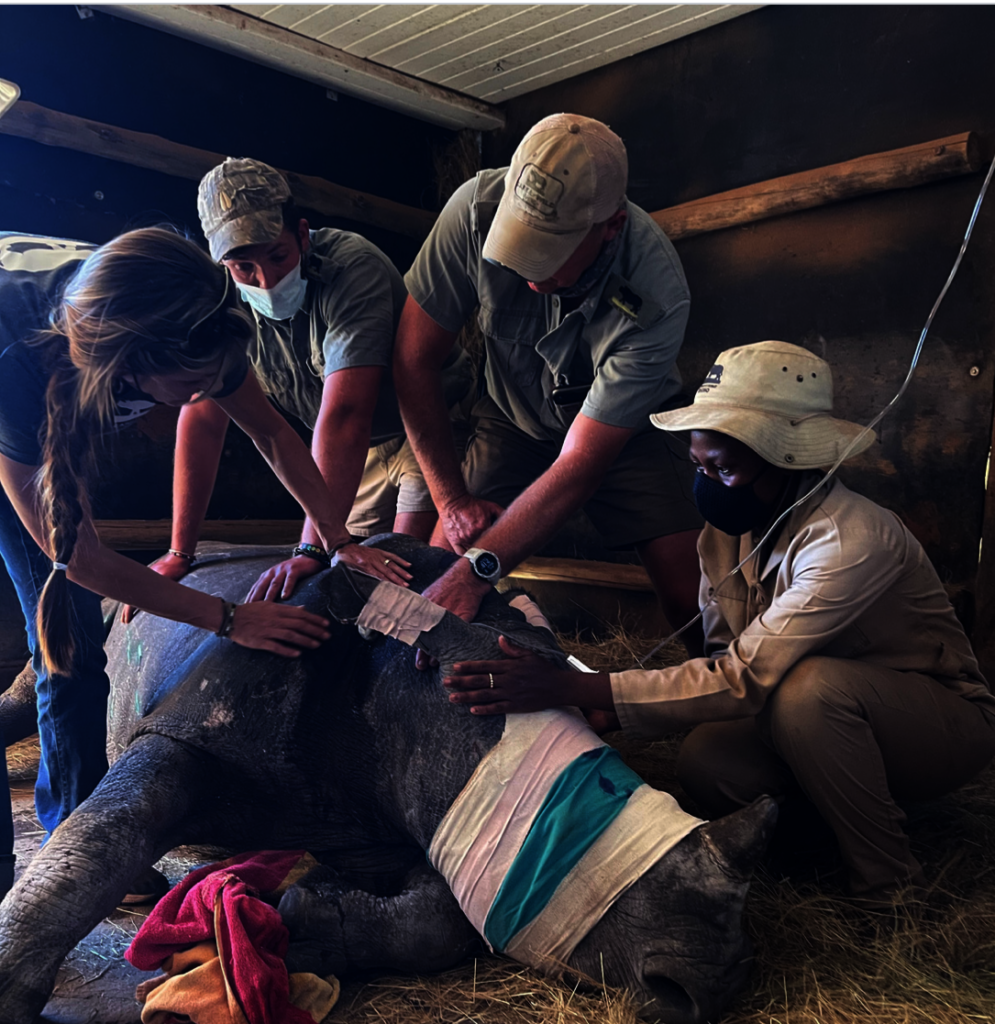
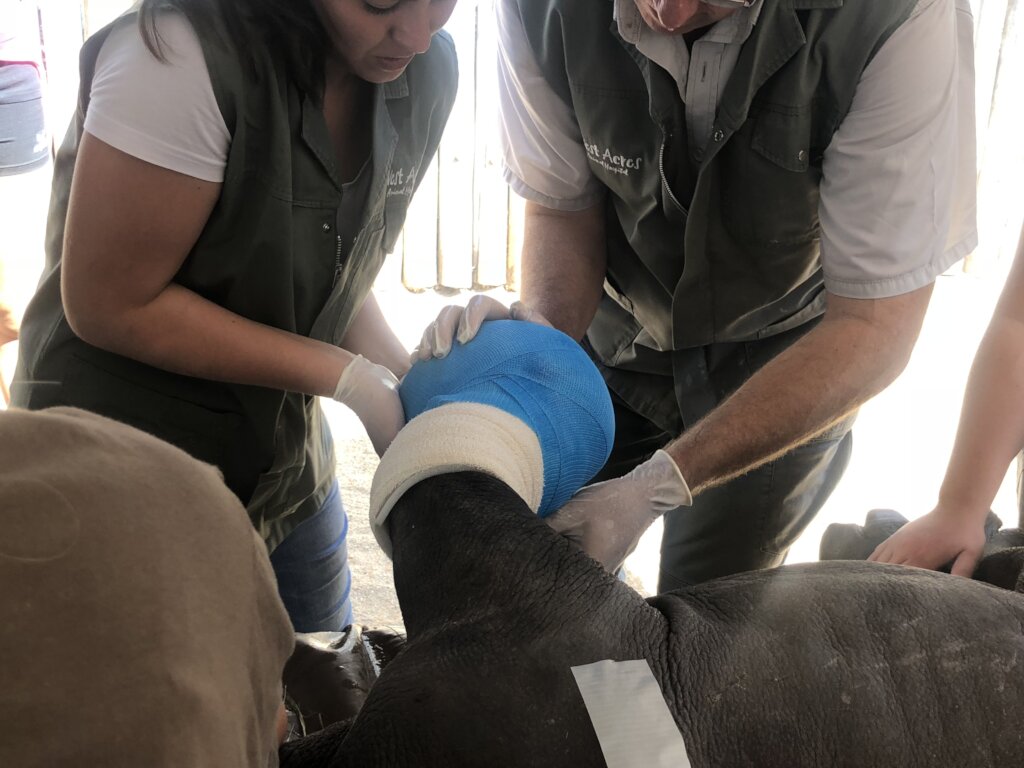
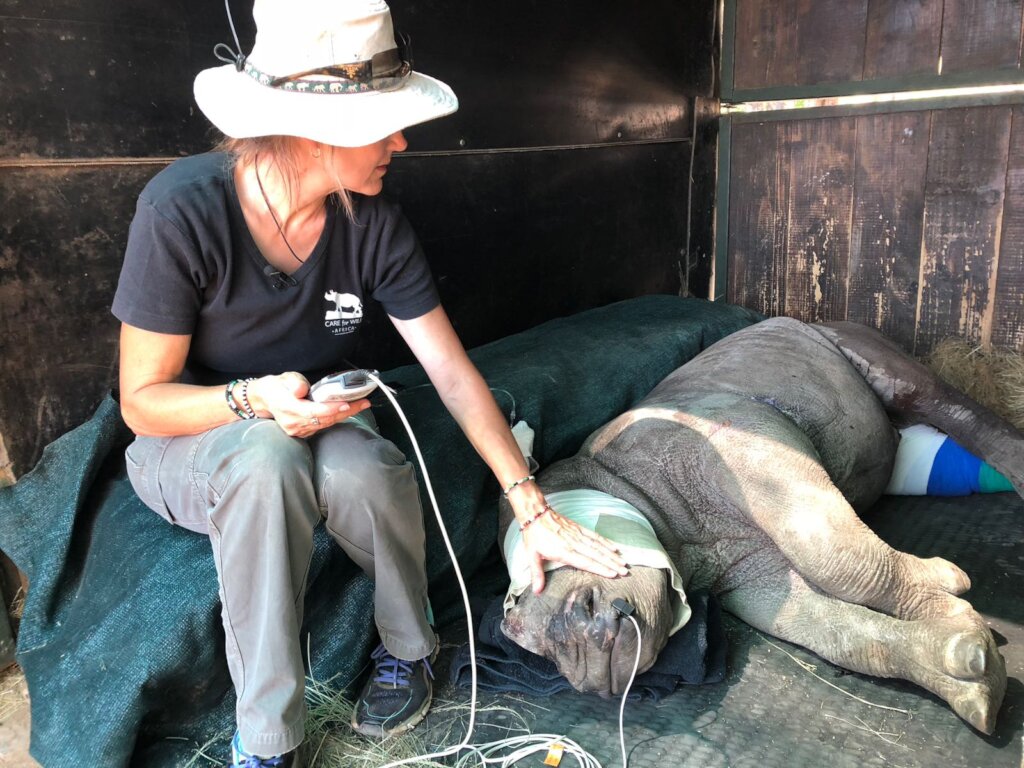
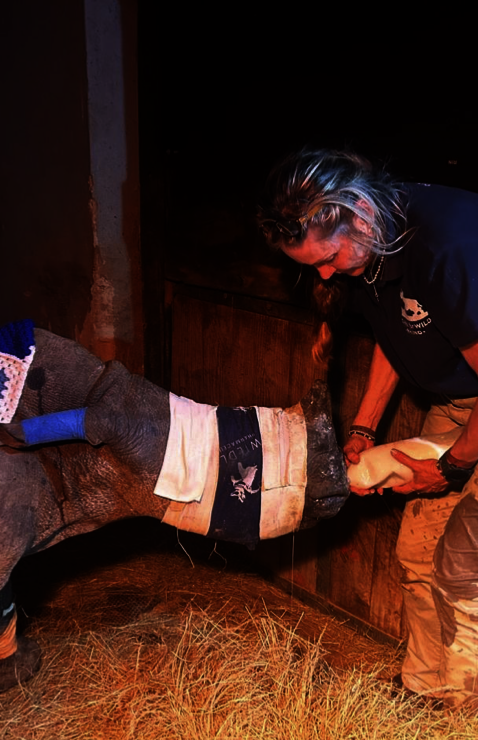
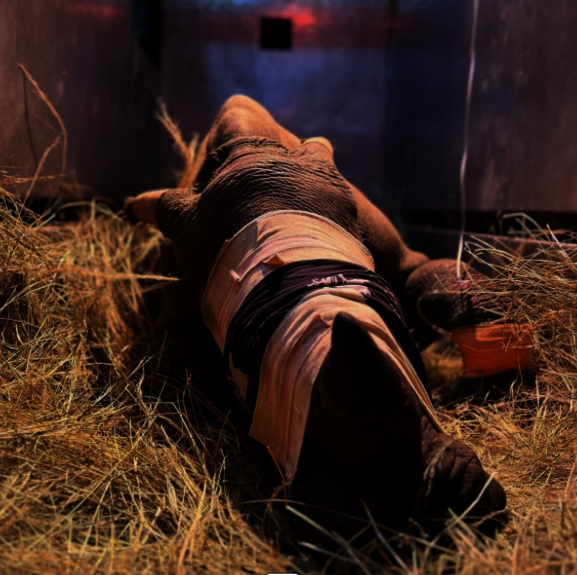
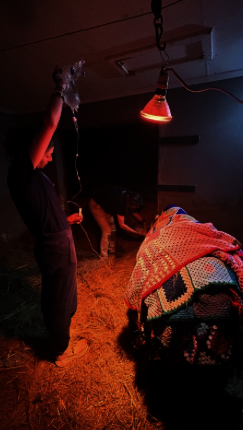
Lihawu arrived in an exceptionally fragile state after surviving alone in the wild for weeks following his mother’s death to poachers. Estimated at around ten months old, he was dangerously thin, hypothermic, and too weak to lift his head or drink on his own. The veterinary team immediately began around-the-clock intensive care, using warm IV fluids, heaters, blankets, and gentle syringe feedings to slowly bring his core temperature up and restore his strength. Within 48 hours, Lihawu reached a monumental turning point when he stood on his own feet and drank eagerly from a bottle. Together with Ngala and Nandi, these rescues brought the total number of rhinos admitted during the period to seven.
Rehabilitation at Care for Wild ultimately leads toward rewilding and relase. Once released into secure reserves, these rhinos help rebuild wild populations and restore the ecological balance of the landscape.
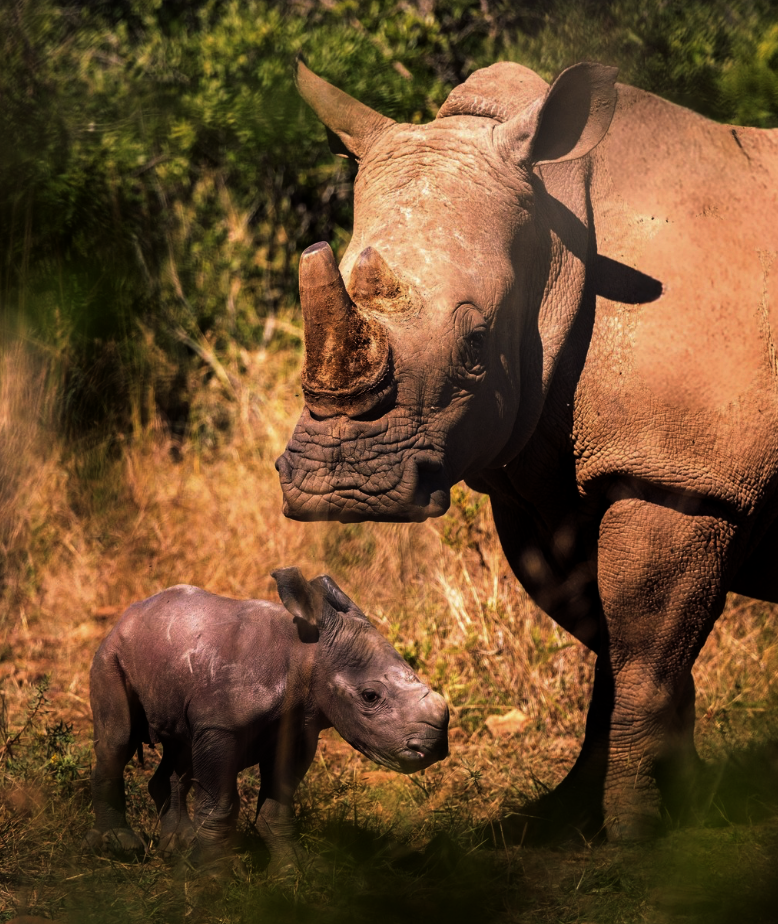
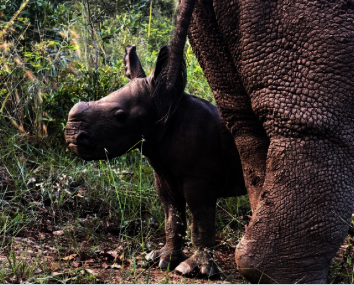
The ultimate symbol of this work is the birth of new calves to rewilded and released orphans, with six new births recorded across Care for Wild's protected populations. Following the first three births of the period, the sanctuary celebrated an extraordinarily special full-circle milestone when a rewilded female named Satara gave birth to her very first calf. Twelve years earlier, seven-month-old Satara was rescued beside her poached mother as the very first white rhino orphan brought from Kruger National Park to Care for Wild. Today, the orphan who once needed saving is raising her own wild-born calf safely under 24/7 protection, proving that dedicated care can turn a single tragedy into a lasting legacy for the species.
Thank you for continuing to help support the rhinos and Care for Wild.