By Colleen O'Connor | Development Specialist
Empowering Local Midwives to Save Lives
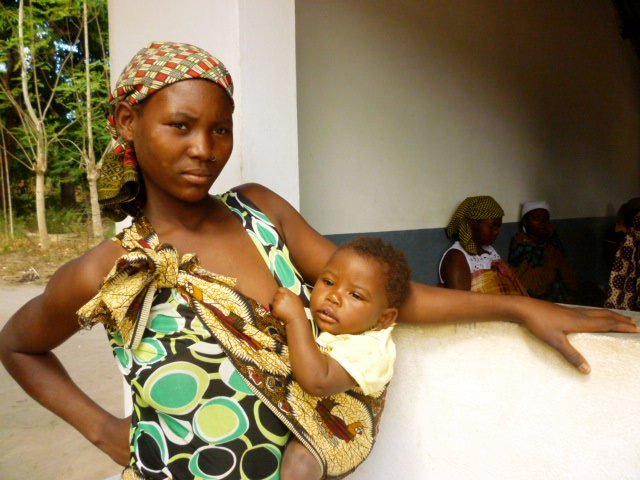
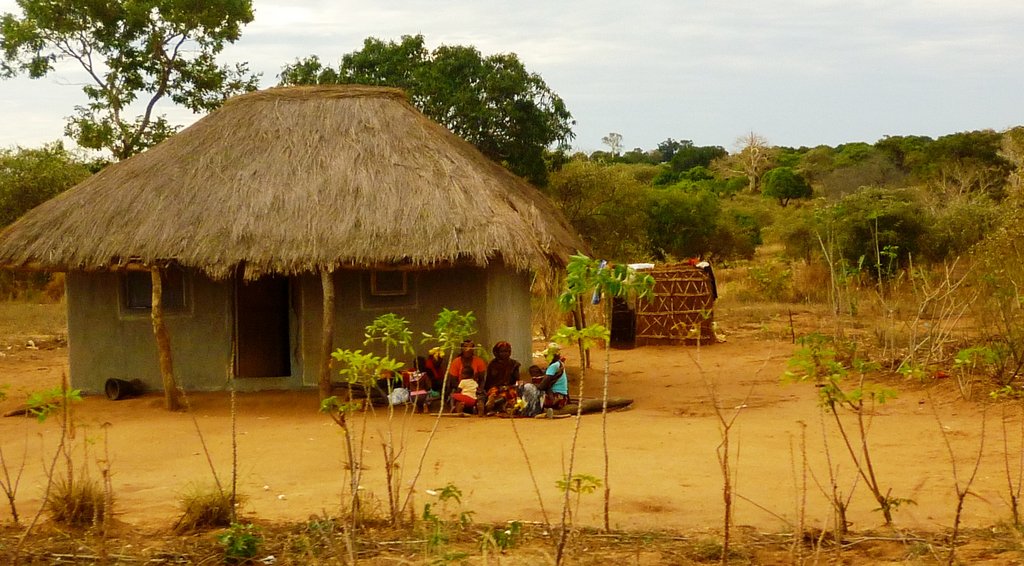
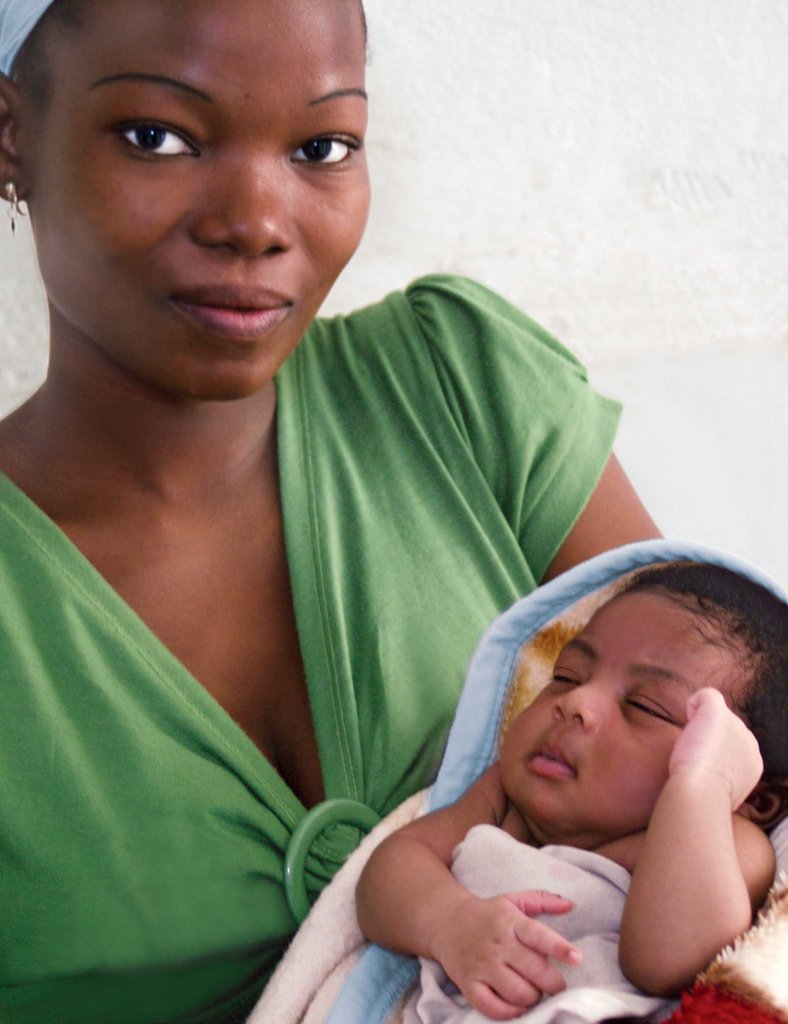
In Sub-Saharan Africa, so many women and girls die from childbirth or unsafe abortion that it is said that everyone knows someone – a sister, aunt, friend, or mother – who has died from these causes. Mozambique is no exception to this with 1 in 37 women risking death in pregnancy and childbirth. One of the leading causes of maternal death is excessive bleeding after childbirth or postpartum hemorrhage (PPH); disparities in women’s ability to access health care and the fact that over 70% of births occur in rural areas exacerbate the risk of dying from this manageable condition. Thus, in efforts to protect women in childbirth from PPH, our project targets pregnant mothers not just where we want them to be, which is delivering in a facility, but wherever they may deliver: at home or on-the-way to that distant clinic.
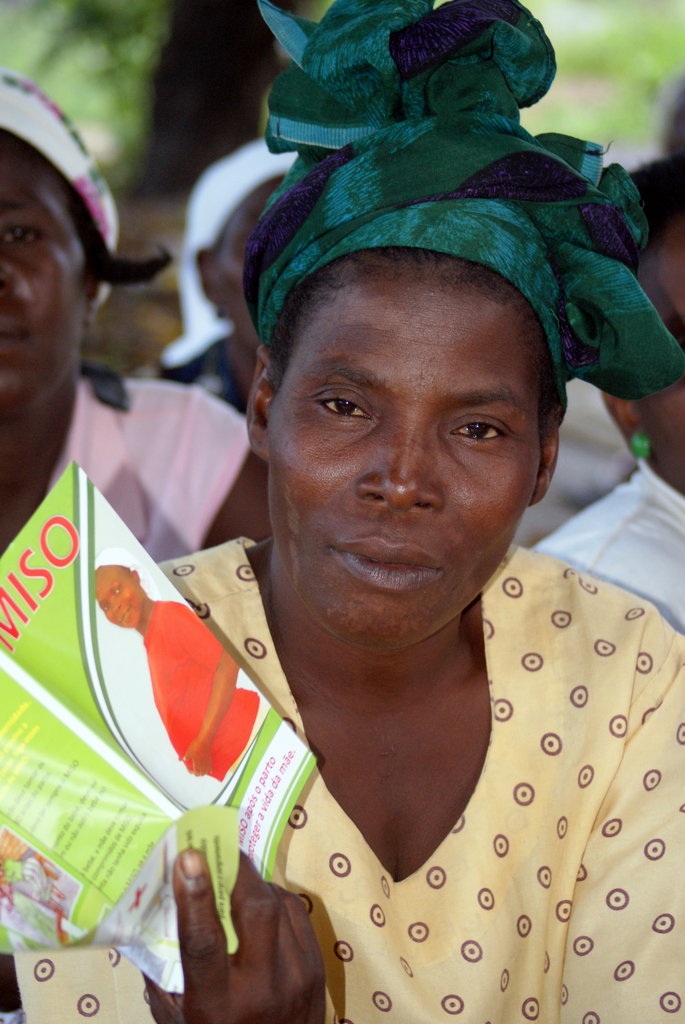
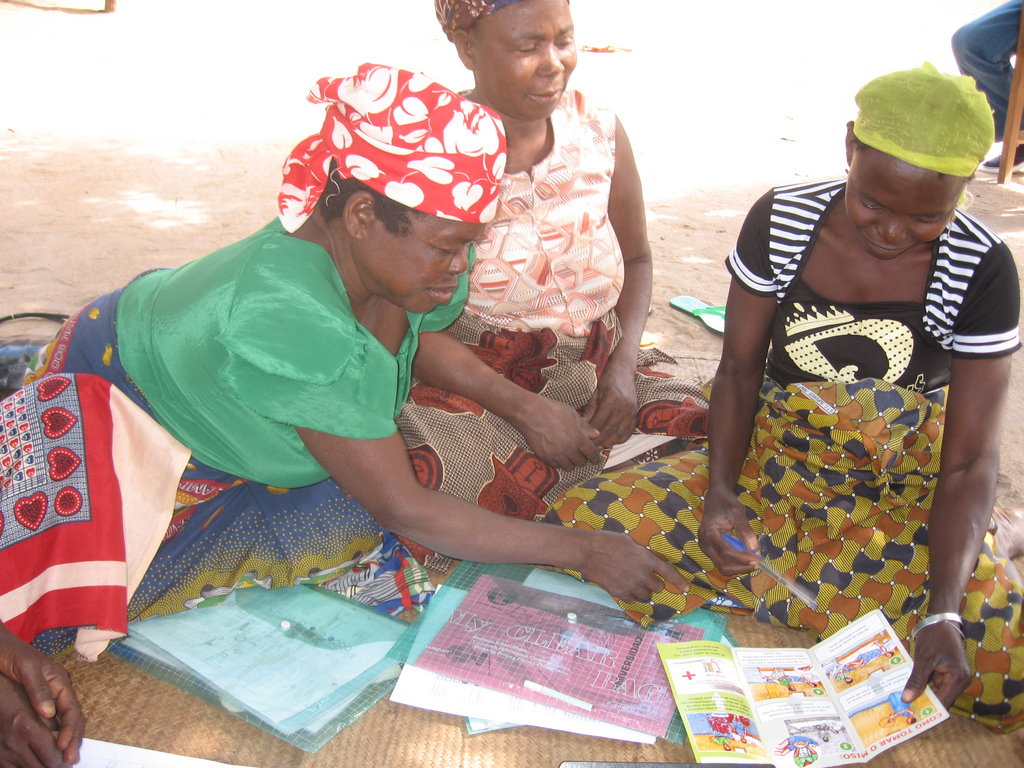
In partnership with local organizations like AMOG, the Mozambican Society of Obstetricians and Gynecologists, we have piloted a project educating women on birth preparedness and distributing misoprostol for use at home births. Misoprostol (or "miso") is an easy-to-use, heat-stable generic tablet that is practical in developing countries for the management of PPH, and it has tremendous life-saving effects. When a mother takes three tablets immediately after delivery, it can greatly improve her chances of surviving childbirth from excessive bleeding. It can also provide an back-up treatment in clinics that have poor supplies of standard medications that require refrigeration and injection.
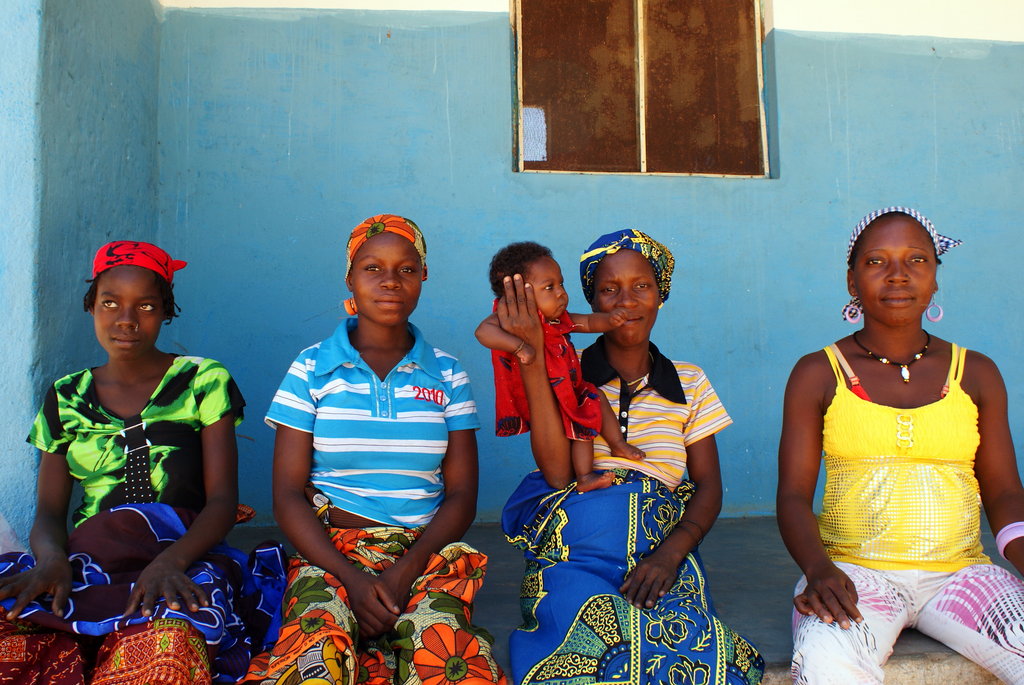
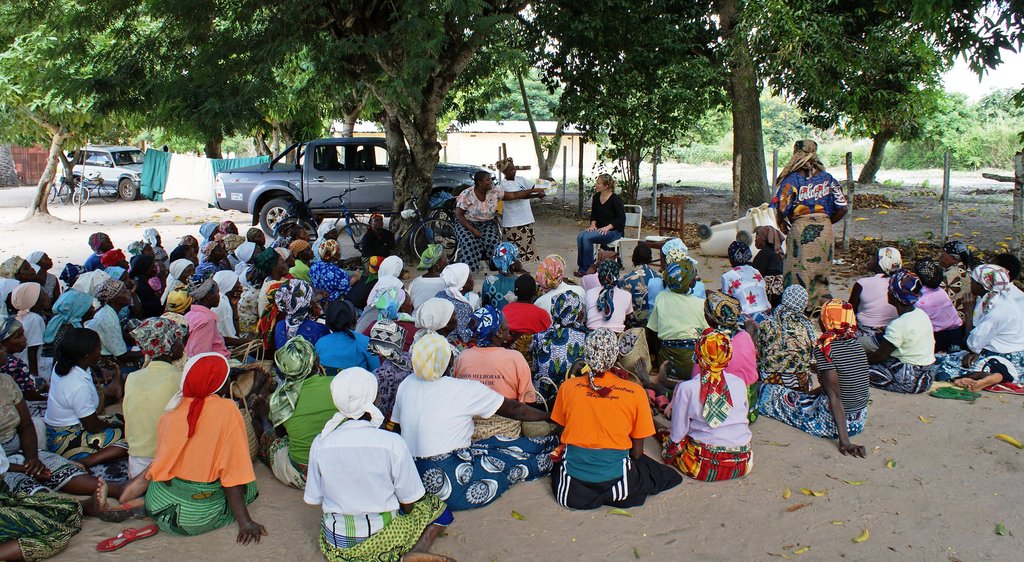
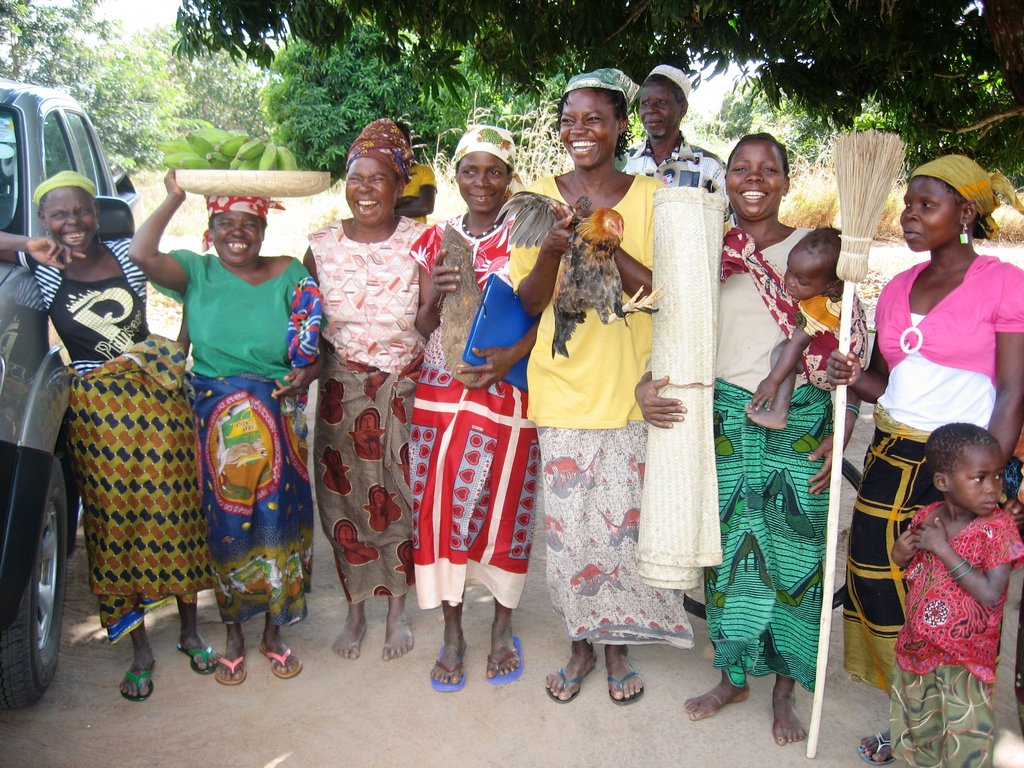
The project aims to make miso available through a variety of channels: prenatal care visits and through traditional birth attendants, and a combination of the two in three focused districts areas totaling around one million in population. Traditional birth attendants (TBAs) are trusted community members who receive a cultural education –passed from generation to generation—in the rituals of childbirth. In situations when women cannot reach a health facility, TBAs living in these remote Mozambican communities are often women’s only option for support during childbirth.
Since the project’s commencement, VSI and partners have trained over 175 TBAs to administer misoprostol as part of their care during delivery in the rural communities of Namacurra and Nacala and over 50 ANC providers.
The local women have responded to the program with overwhelming support, testimony to the value of empowering women to save women’s lives in their own communities. One TBA from Nacala Porto excitedly told us that, “Mothers like the tablets! They tell us ‘we want more tablets’!’” Husbands are happy to see their wives feeling stronger after childbirth, and women who attend church are even praying for the tablet to stay in the community. By making miso available both at the facility during an ANC visit and to frontline providers like TBAs, all women can have access to this life-saving tablet regardless of the place of delivery (home or as back-up at a facility).
As we approach Mother’s Day, we would like to extend our deepest thanks for your contributions through Global Giving and your support in making childbirth safer for all mothers. Please consider continuing your support by joining our “I am a mother” campaign and giving through Global Giving or visiting us online to learn how to get involved – www.vsinnovations.org/mothers.
Links:
By Colleen O'Connor | Development Specialist
By Colleen O'Connor | Development Specialist
Project reports on GlobalGiving are posted directly to globalgiving.org by Project Leaders as they are completed, generally every 3-4 months. To protect the integrity of these documents, GlobalGiving does not alter them; therefore you may find some language or formatting issues.
If you donate to this project or have donated to this project, you can receive an email when this project posts a report. You can also subscribe for reports without donating.