By Marcella Ribeiro | AIDA Attorney
Every day, my job reminds me how connected we are to the natural world.
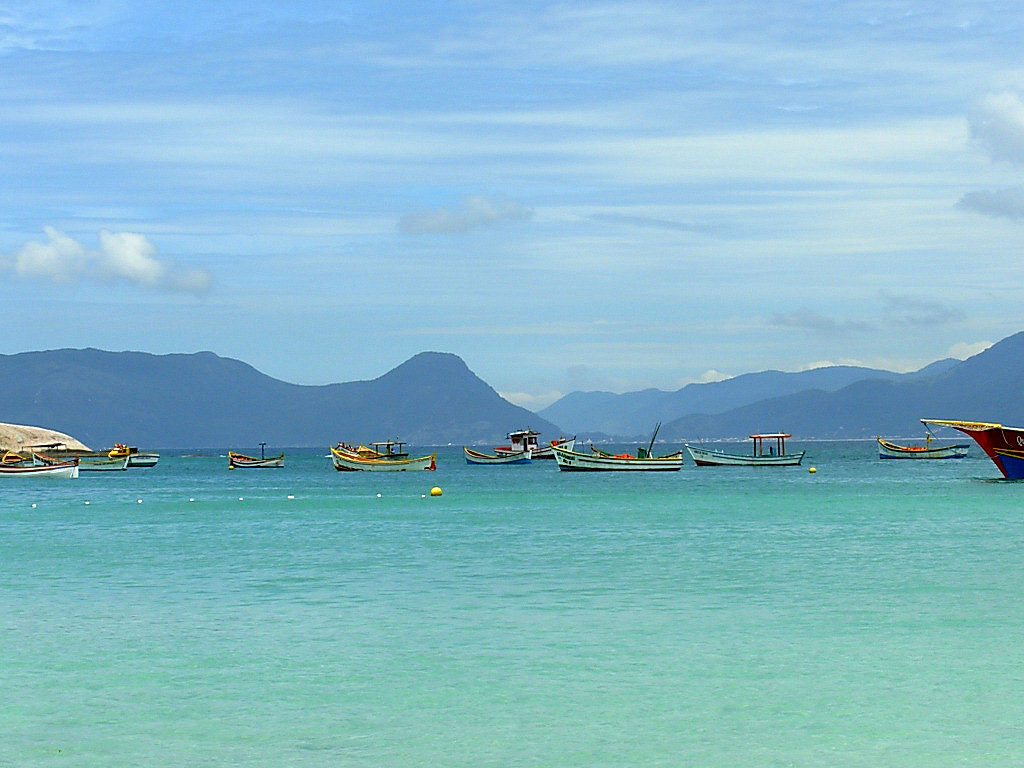
I see it while researching an indigenous community fighting to preserve their ancestral forest; and while advocating for fishermen who pull their livelihood from the sea.
Stories like this are found throughout the Greater Caribbean—an ecosystem including the Gulf of Mexico, the Caribbean Sea, and areas bordering the Atlantic Ocean—where the survival of communities is closely linked to ocean health.
We recently had an exciting opportunity to address this connection between the environment and human rights in the Greater Caribbean.
The Inter-American Court on Human Rights invited us to collaborate by drafting and presenting an advisory opinion based on a query presented by Colombia.
The basic question was: If development damages the marine environment, and as a result, people suffer, should that be treated as a human rights violation?
A vital and vulnerable environment
The Greater Caribbean is a vital region because of the ecosystem services it provides, including adaptation to climate change, and because of its relationship to the survival of Caribbean cultures.
In our opinion, we argue that large infrastructure projects—which could include the expansion of the Port of Veracruz and myriad others—could cause great harm to marine life in the region.
In terms of the Court, such projects would by extension put at risk the life and personal integrity of coastal populations whose lives and livelihoods depend on ocean health.
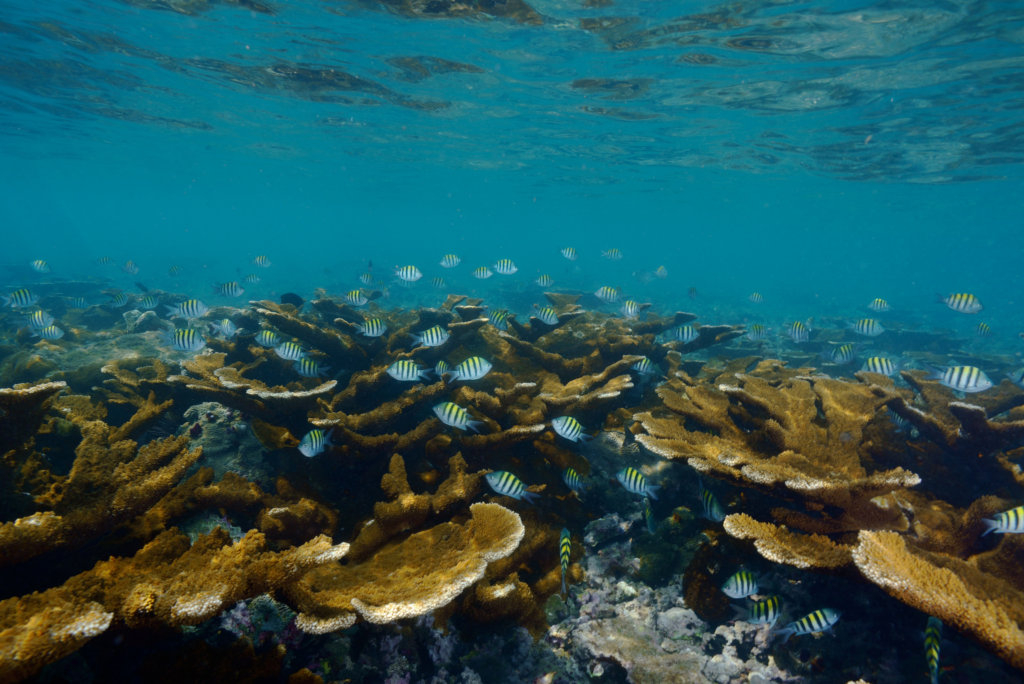
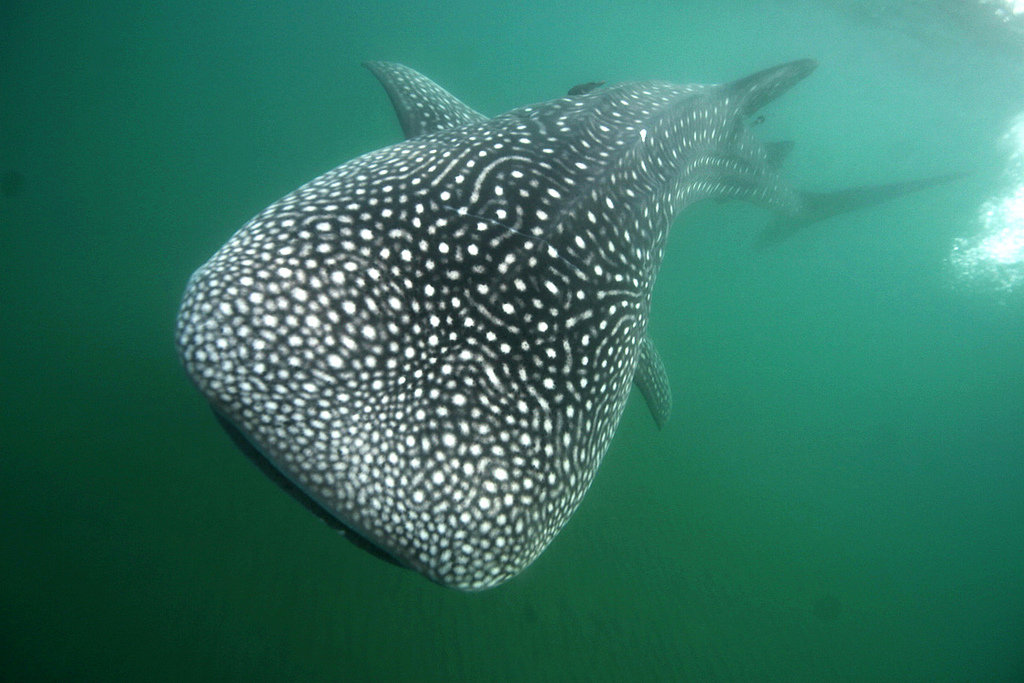
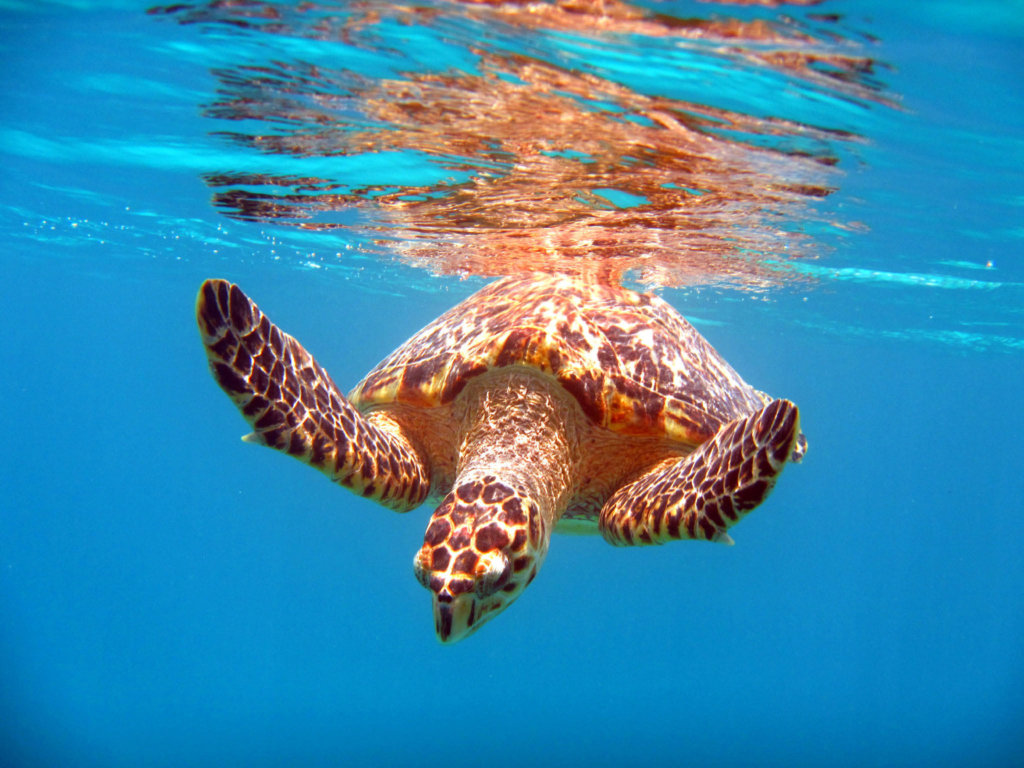
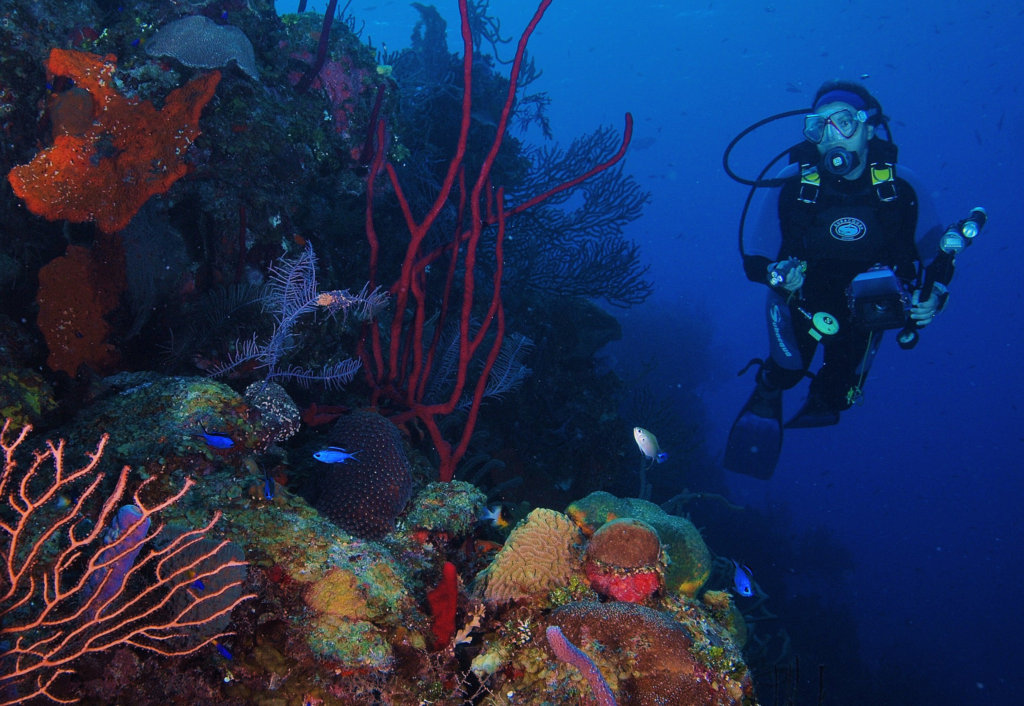
Our team found that the pollution caused by large-scale projects would result in the death of fish and coral reefs, as well as in displacement of turtles and dolphins.
It would also cause shortages in local fishing communities, degrading their living conditions, threatening their health, and destroying their traditions.
Our time before the Court
In AIDA’s first appearance before the region’s leading court on human rights, our co-director Astrid Puentes presented the advisory opinion in a public hearing last month.
It was a monumental moment for all of us on the AIDA team, and for activists through the region, as we had the historic opportunity to highlight the clear link between environmental degradation and human rights.
Through our intervention we sought to help build new regional parameters for the protection of human rights and the environment based on the progressive and dynamic interpretation of the American Convention on Human Rights.
We now await the Court’s decision, which, though not linked to any specific megaprojects, could affect the future of development in our hemisphere.
Links:
Project reports on GlobalGiving are posted directly to globalgiving.org by Project Leaders as they are completed, generally every 3-4 months. To protect the integrity of these documents, GlobalGiving does not alter them; therefore you may find some language or formatting issues.
If you donate to this project or have donated to this project, you can receive an email when this project posts a report. You can also subscribe for reports without donating.