By Gladys Martinez | Senior Marine Attorney
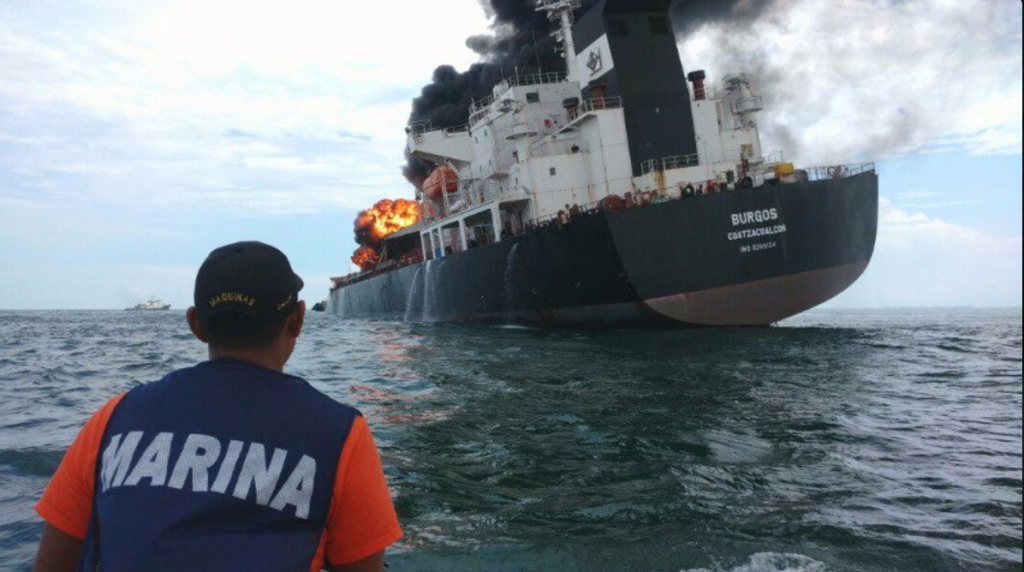
On September 24, an explosion shook an oil tanker anchored in the Veracruz Reef System, and the ship known as Burgos, owned by Mexico’s national oil company, burst into flames.
Our colleagues at the University of Veracruz and Sea & Reef toured the area immediately following the incident. They observed that fuel was leaking out of the tanker, threatening surrounding marine life.
Together with our partners at CEMDA, we responded immediately to the crisis in an attempt to prevent damage to the reefs and the creatures that call them home.
We publically demanded that the government immediately respond with a thorough investigation, undertaken by competent authorities. We also called for the recovery of any lost fuel and for the repair of environmental damage, in accordance with the Federal Law on Environmental Responsibility.
The Veracruz Reef System is a Natural Protected Area, and a National Park, which means that the Mexican government has a responsibility to protect it. They also have a responsibility to guarantee the right to a healthy environment of the people living near Veracruz who depend upon the sea for their life and livelihood.
We also informed international authorities, including the Ramsar Convention and the Convention on Biological Diversity, of the spill.
This coming December, Mexico will host the Thirteenth Conference of Parties of the Convention on Biological Diversity in Cancun. Due to their leadership role in the Conference, now more than ever the government must portray itself as environmentally responsible, and set an example for the international community.
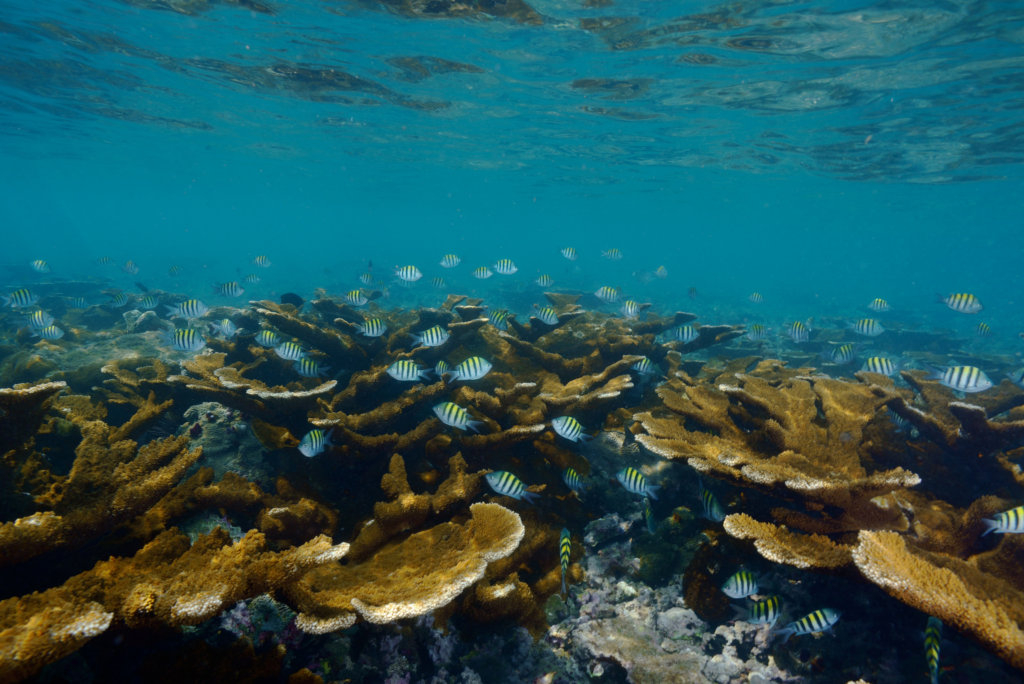
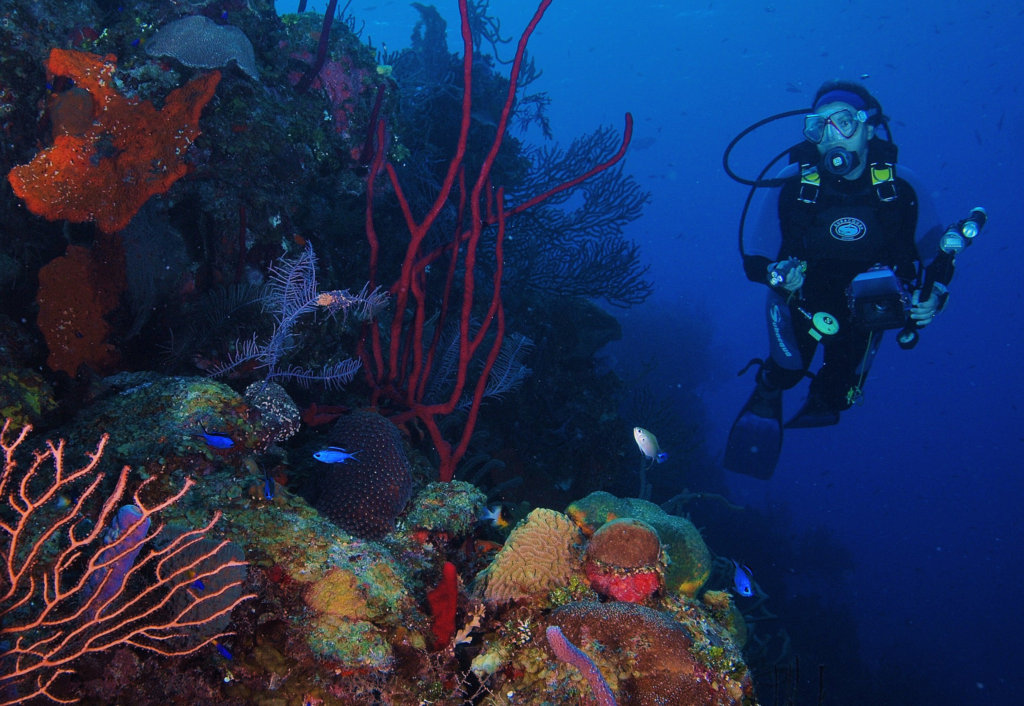
While Veracruz is a large and extremely resilient reef system, it is, like many of the world’s reefs, in a state of crisis and deterioration due to lack of proper management.
For the future of Mexico’s sensitive coral ecosystems, it’s important we continue to remain vigilant of any future threats and respond immediately to protect them.
Thank you for your continued support, as we remain alert and active in protecting Mexico’s treasured coral reefs.
Project reports on GlobalGiving are posted directly to globalgiving.org by Project Leaders as they are completed, generally every 3-4 months. To protect the integrity of these documents, GlobalGiving does not alter them; therefore you may find some language or formatting issues.
If you donate to this project or have donated to this project, you can receive an email when this project posts a report. You can also subscribe for reports without donating.