By Sandra Moguel | Ecosystems Attorney
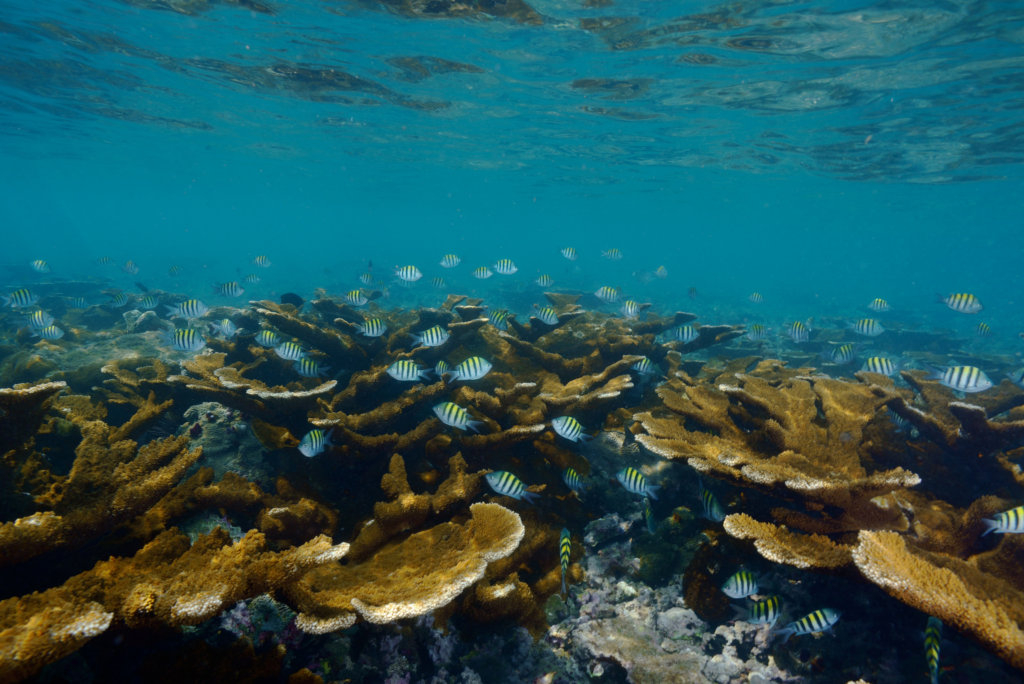
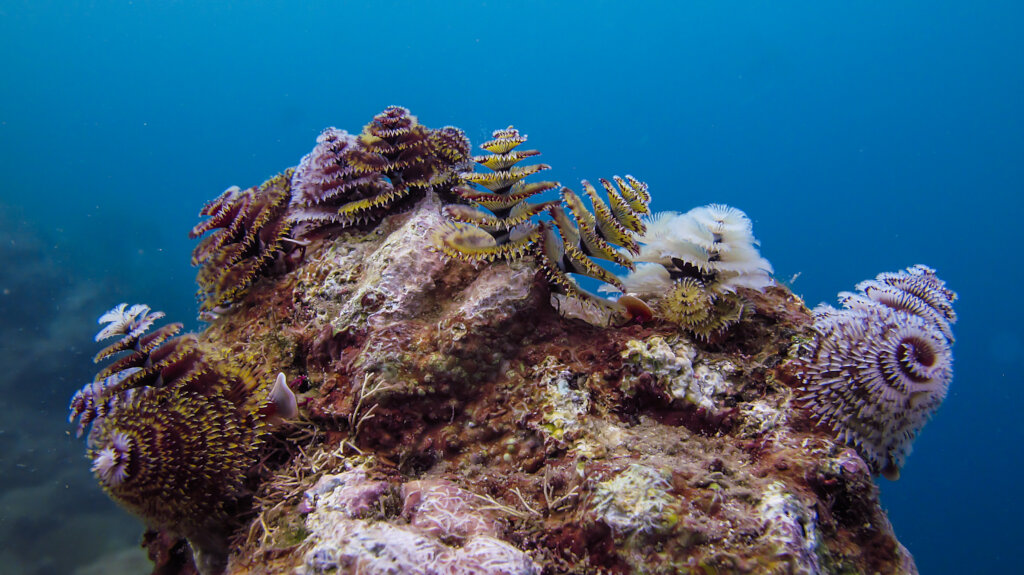
The Veracruz Reef holds great significance for local habitants and the country’s marine environments. Serving as a protective barrier against storms and hurricanes, it is also a vital source of income for around 15,000 people engaged in fishing and aquatic tourism.
In 2016, residents of Veracruz filed a lawsuit to safeguard their human right to a healthy environment. The basis for the lawsuit was the fragmented environmental impact assessment of the Veracruz port expansion, which hindered their understanding of the actual and final impacts on the Veracruz Reef. AIDA provided legal support by submitting an amicus brief to the Mexican Supreme Court of Justice, offering additional information and perspectives to aid an informed decision.
In February 2022, the Court unanimously declared the environmental permits for the project as illegal. The Ministry of the Environment and Natural Resources was then tasked with reassessing all aspects of the port expansion, using the best available scientific information to identify the real impacts on the Veracruz Reef.
However, in December 2022, the environmental authority authorized the expansion of the Veracruz port, disregarding the criteria set by the Supreme Court. More concerning was the complete disregard for the opportunity of public participation provided by the environmental legislation itself.
In response, AIDA and partners are actively engaging in media advocacy and academic discussions to inform decision-makers, particularly the District Court responsible for ensuring compliance with the ruling. We are emphasizing the pivotal role these decision-makers play in transforming social and environmental realities. AIDA is also advocating for the participation of the Ramsar Convention, an international treaty that safeguards wetlands, as an expert witness and observer in the ongoing judicial proceedings.
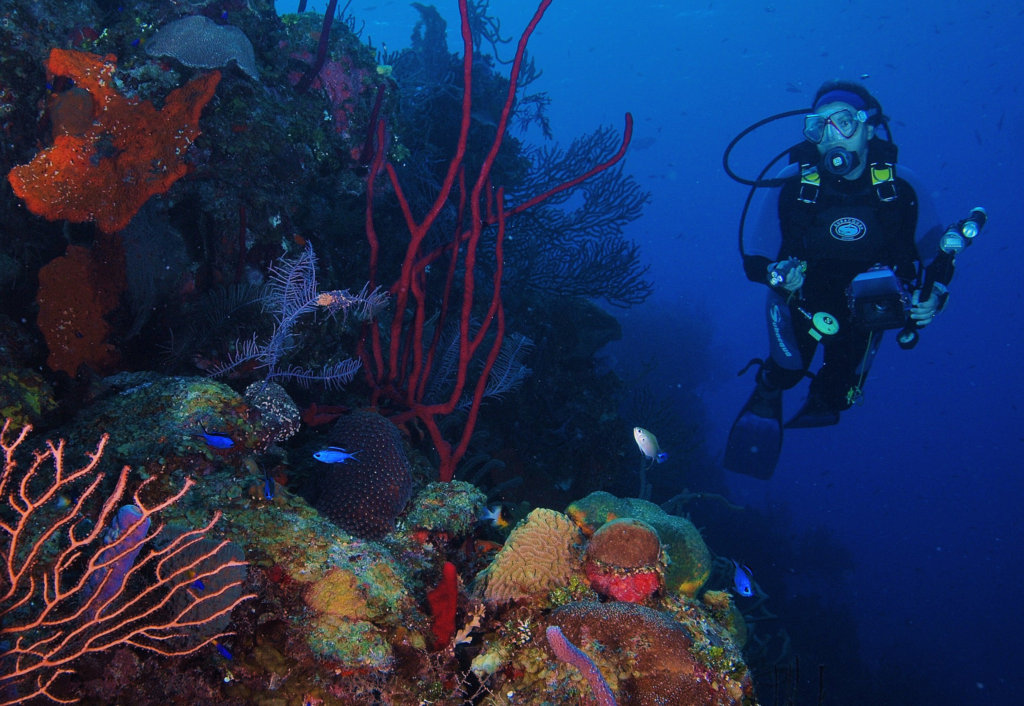
In addition to our work in Veracruz, AIDA is also taking action to protect the Mesoamerican Reef -the most significant coral reef barrier in the western hemisphere thatsupports a vibrant marine ecosystem and species of great commercial value, such as the Pink Snail (Lobatus Gigas). Nearly two million people directly depend on the resources extracted from the reef. However, the application of environmental legislation and existing policies has been insufficient in ensuring the protection of the Pink Snail.
To address these issues, particularly in Mexico, AIDA submitted a citizen petition to the North American Commission for Environmental Cooperation. This international authority, established within the trade agreement between Mexico, the United States, and Canada, seeks a response from the Mexican government regarding the actions taken (or not taken) to fulfill its obligations. These obligations include issuing fishing regulations, generating and systematizing scientific information for evaluating queen conch stocks, conducting inspection and surveillance, and creating adaptation plans for flagship species and their habitats, with a focus on climate change.
AIDA will continue to provide technical support to partners and decision makers, to ensure the advancement of the protection of these two key reef systems.
Links:
Project reports on GlobalGiving are posted directly to globalgiving.org by Project Leaders as they are completed, generally every 3-4 months. To protect the integrity of these documents, GlobalGiving does not alter them; therefore you may find some language or formatting issues.
If you donate to this project or have donated to this project, you can receive an email when this project posts a report. You can also subscribe for reports without donating.