By Magie Rodriguez | Junior Attorney, Marine and Costal Protection
In Mexico, the threat of regressive action by ignoring a national decree to create protected areas would aggravate the situation of the region's coral reef, seagrass, and mangrove ecosystems in the face of the global climate crisis. In recent months AIDA has been working toward the protection of costal and marine ecosystems in Mexico through these main projects:
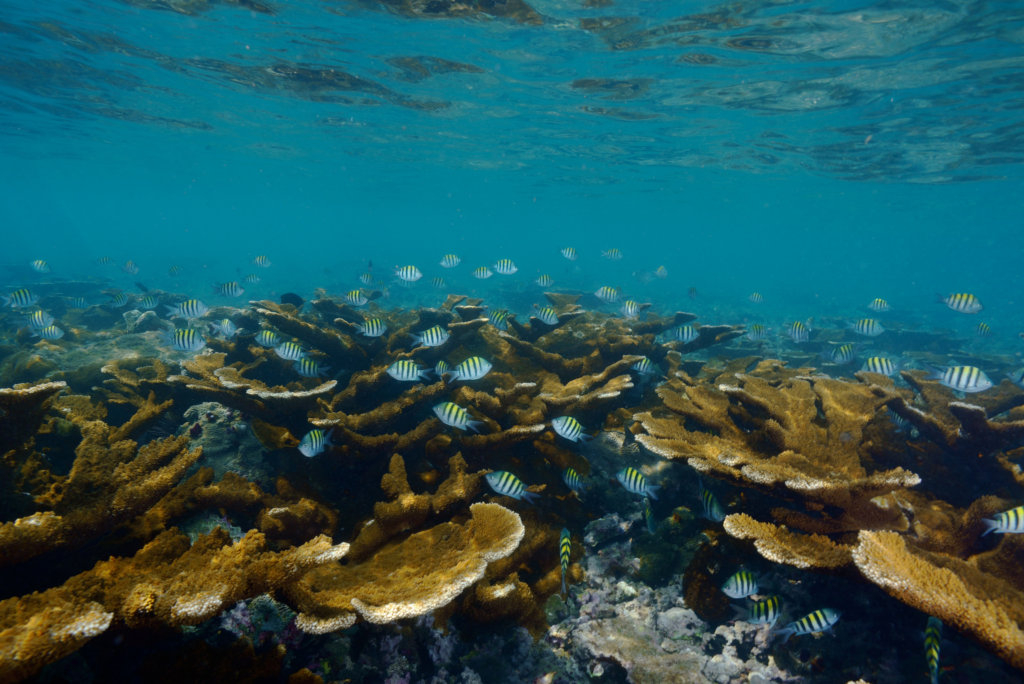
After years of AIDA’s advocacy work to protect the Veracruz Reef System from a port expansion project, defending the right to the healthy environment, and the application of the principles of precaution, non-regression, and progressiveness concerning coral reef ecosystems and their areas of influence, the National Court of Justice agreed to examine the existing claim over the authorized development of Veracruz New Port. The center argument in the legal claim has been that the construction is detrimental to the right to a healthy environment due to damage and risk to coral reef ecosystems. The Supreme Court indicated that this case can set a precedent for future cases where the right to a healthy environment can be compromised by development projects. AIDA is currently developing and updating the Amicus Curiae presented in 2018, along with our partner Earthjustice, this time focusing on the legal standing for any individual whose mission is to defend the right to a healthy environment. This time it will be presented before the highest National Court of Justice.
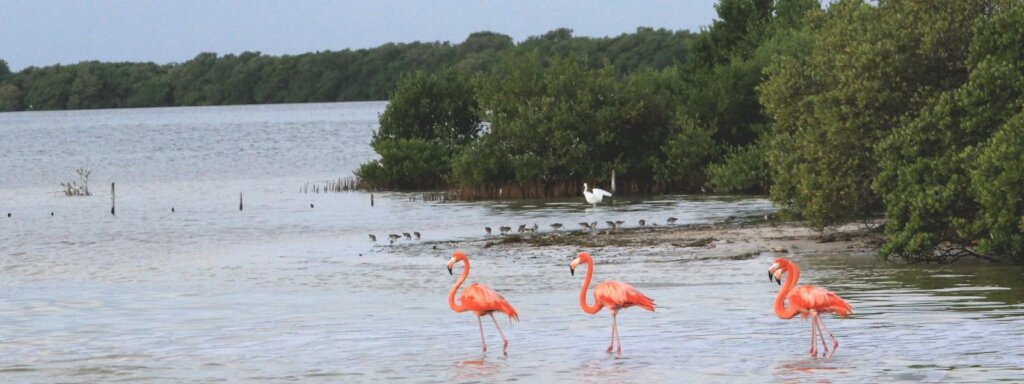
The Supreme Court of Justice ruled to protect the National Protected Area of Yum Balam - Quintana Roo. Developers challenged the site’s management program and wanted to build massive infrastructure within the wetland. In November 2020, AIDA, and our partner organization CEMDA filed an Amicus Curiae to the Court, in support of the National Commission on Natural Protected Areas (CONANP)’s attribution to regulate land uses within natural protected areas. AIDA provided arguments of climate justice, human rights, and international law to protect mangroves, seagrasses, and endemic biodiversity of Yum Balam, which were considered by the Court. Yum Balam is a place of great biodiversity and a carbon sink, storing the equivalent to carbon emissions of 9.4 million people per year. That is why the Constitutional Court’s decision used concepts such as sustainable development and transversality (meaning that environment is economy, health, and national development). We celebrate the protection Yum Balam as a key carbon sequestration ecosystem and look forward to other Latin American courts to imitate this decision.
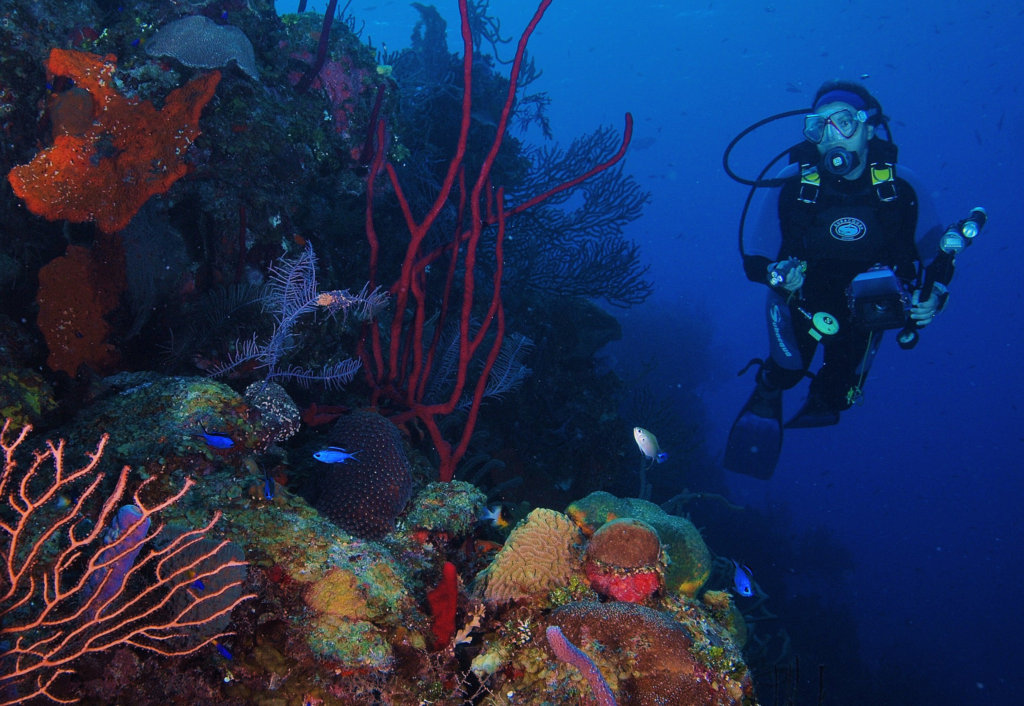
The Mesoamerican Reef is the largest coral reef barrier in the western hemisphere and extends over 1,000 kilometers along the coastlines of Mexico, Belize, Guatemala, and Honduras. Uncontrolled and intense coastal development, anthropogenic interventions, and degradation of ecosystems over wide extensions of these coasts are among the greatest threats to the MAR region. While all four countries have made concerted efforts to manage, conserve, and protect coastal ecosystems, there has been a lack of transparency in the governance framework, poor implementation, a disconnect between management and research, and geopolitical differences, which have played a role in reducing management efficacy. We are developing a report to document and analyze opportunities to improve the protection of the MAR region, and this will of course include Mexico. We are collaborating with local, national, and international partners to collect ideas and compile the most promising opportunities from the legal perspective to revamp management and conservation in the MAR region, with a particular focus on policy and litigation strategies.
Project reports on GlobalGiving are posted directly to globalgiving.org by Project Leaders as they are completed, generally every 3-4 months. To protect the integrity of these documents, GlobalGiving does not alter them; therefore you may find some language or formatting issues.
If you donate to this project or have donated to this project, you can receive an email when this project posts a report. You can also subscribe for reports without donating.