By Magie Rodriguez | Junior Attorney, Marine and Costal Protection
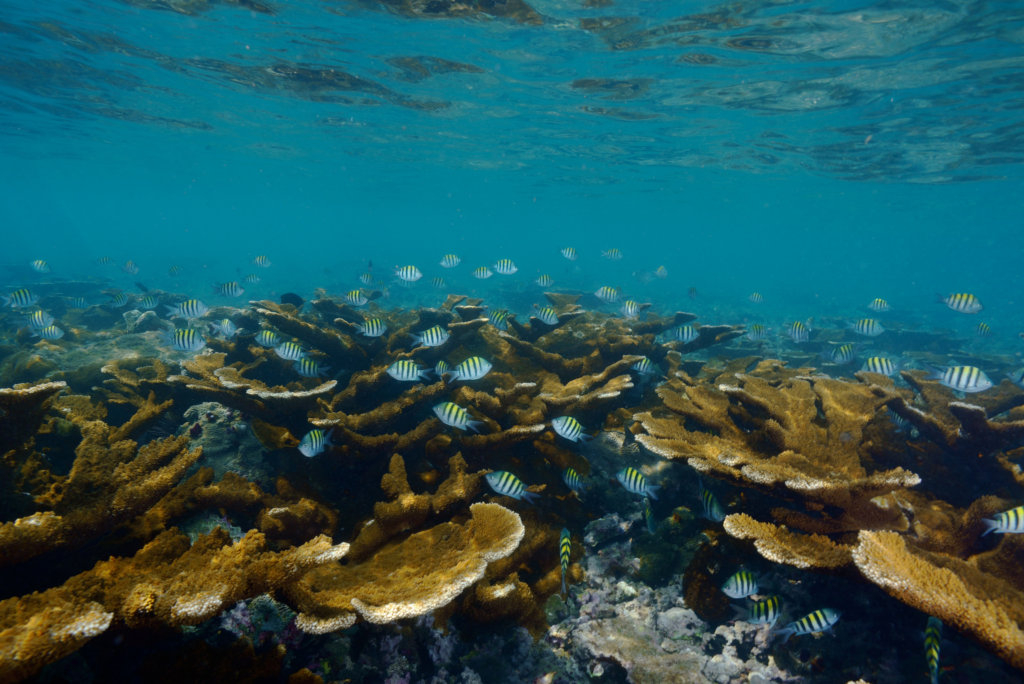
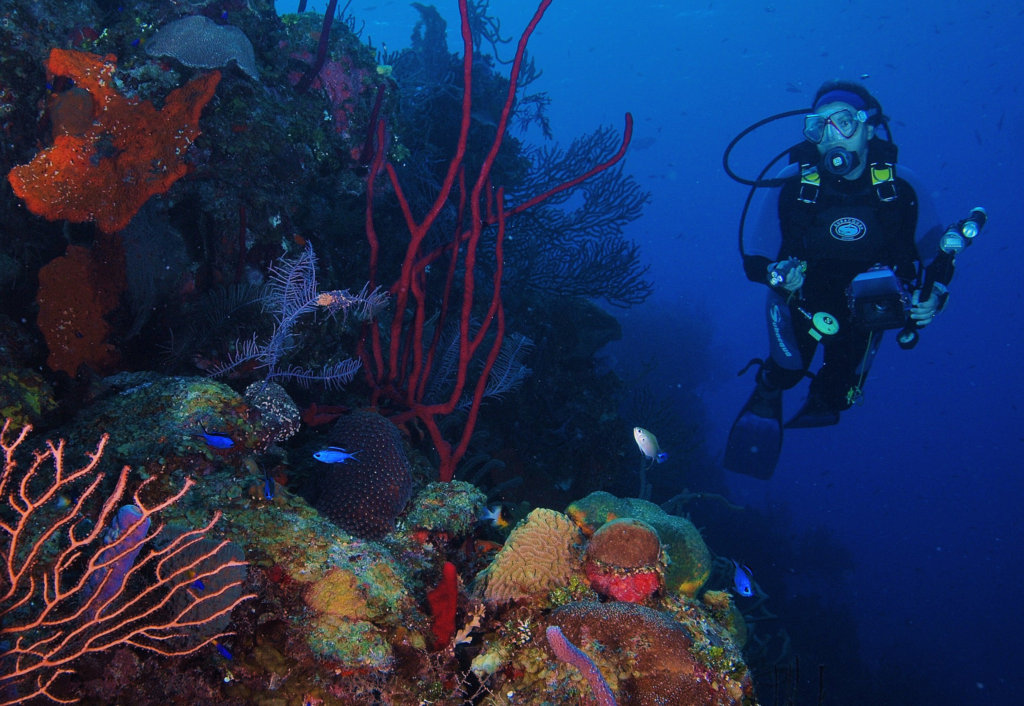
Coral and rocky reefs lower the impacts of storms and hurricanes, as well as provide food and shelter to plants and animals. Healthy Reefs Initiative reports state that 60 percent of the coral reefs in the Mexican Caribbean are in either poor or critical condition.
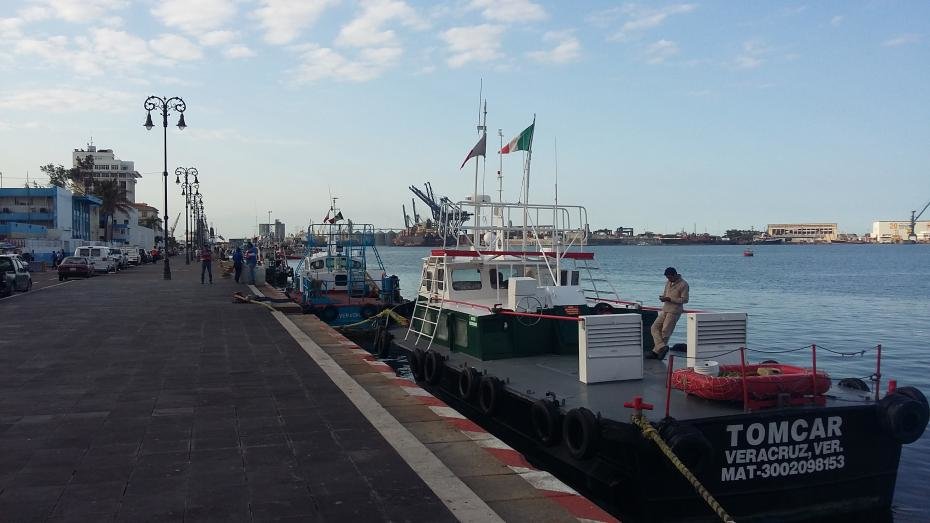
The Veracruz Reef system is the largest coral ecosystem in the Gulf of Mexico, and in 1992 was declared by Mexico’s government as a Natural Protected Area In 2013, the government reduced the size of the Natural Protected Area to expand the port of Veracruz. This expansion of the port is endangering this Reef System
AIDA, alongside our partners Earthjustice and Centro México de Derecho Ambiental (CEMDA), is working toward a constitutional protection lawsuit in order to stop the construction of the Veracruz Port and protect and preserve the Reef System since the construction will cause a significant amount of impact and harm to this ecosystem.
As part of our efforts to protect coral reef ecosystems,, we are working on a report on the current state of conservation of the Mesoamerican Reef. The report will include key recommendations for countries like Mexico on how to improve the management and conservation of this essential ecosystem.
In 2018, Healthy Reefs Initiative wrote a letter to the Mexican government including information outlined by AIDA on the importance of preserving its coral reefs, requesting that ten species of parrotfish be included in the nation’s list of protected species. As a continuation of this work, AIDA is actively working on a policy brief on recommendations on the adequate management of parrotfish species in the Baja California Sur region. These species of fish are a key part of the strategy to protect coral reefs because they feed on algae which otherwise deprive the coral of light and oxygen. Populations of parrotfish have declined drastically due to pollution and climate change, and their protection needs to be a priority.
Links:
Project reports on GlobalGiving are posted directly to globalgiving.org by Project Leaders as they are completed, generally every 3-4 months. To protect the integrity of these documents, GlobalGiving does not alter them; therefore you may find some language or formatting issues.
If you donate to this project or have donated to this project, you can receive an email when this project posts a report. You can also subscribe for reports without donating.