By Camilo Thompson | Attorney, Costal and Marine Protection
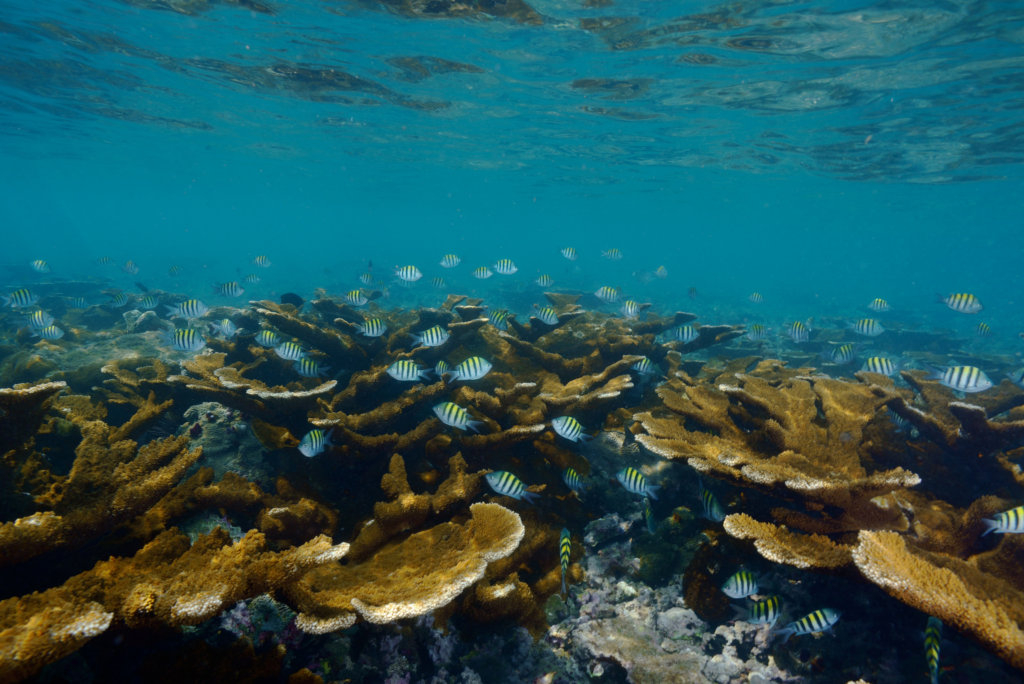
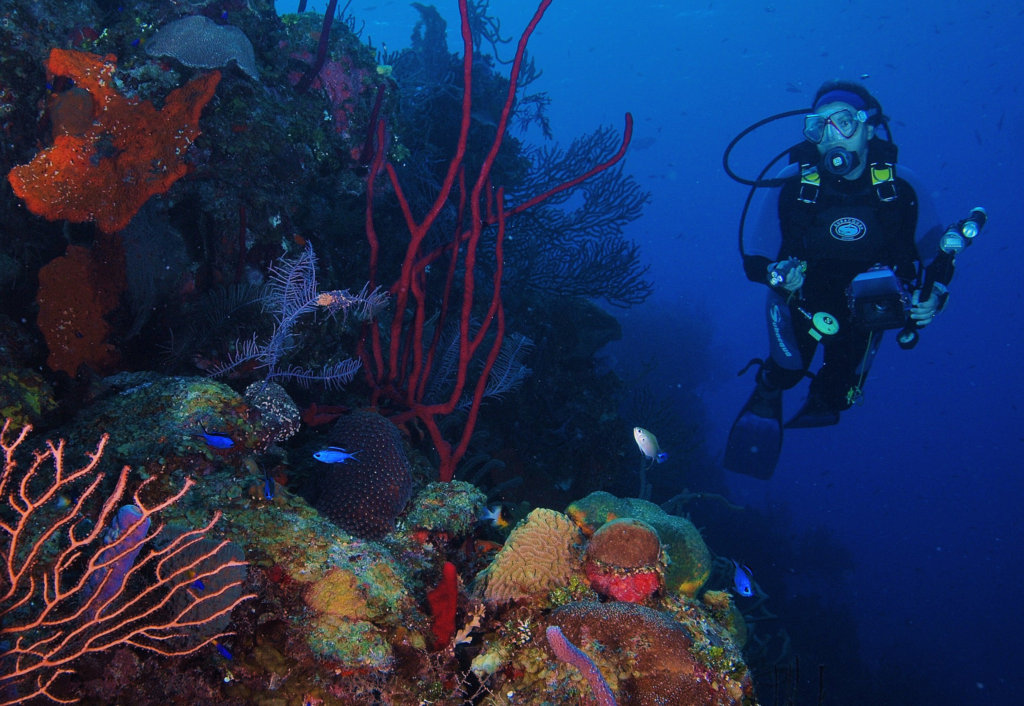
In Mexico, the threat of regressive action by ignoring a national decree to create protected areas would aggravate the situation of the region's coral reef, seagrass, and mangrove ecosystems in the face of the global climate crisis. In recent months AIDA has been working towards the protection of costal and marine ecosystems in Mexico through these main projects:
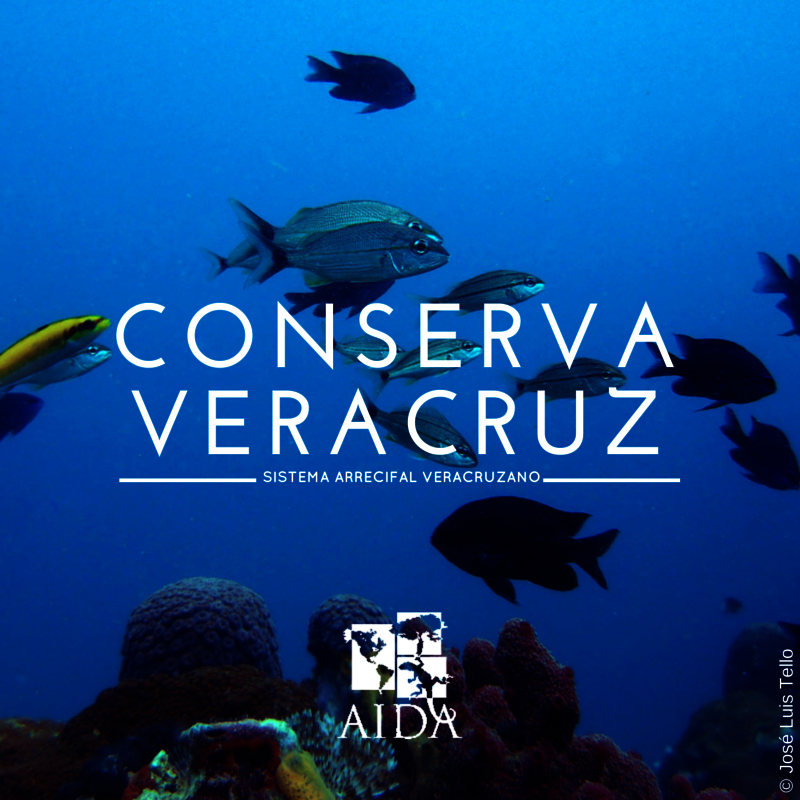
After years of AIDA’s advocacy work to protect the Veracruz Reef System from a port expansion project, defending the right to the healthy environment and the application of the principles of precaution, non-regression, and progressiveness concerning coral reef ecosystems and their areas of influence, the National Court of Justice agreed to examine the existing claim over the authorized development of Veracruz New Port. The center argument in the legal claim has been that the construction is detrimental to the right to a healthy environment due to damage and risk to coral reef ecosystems. The Supreme Court indicated that this case can set a precedent for future cases where the right to a healthy environment can be compromised by development projects. AIDA is currently developing and updating the Amicus Curiae presented in 2018 to include the need to consider these violations, and this time it will be presented before the highest National Court of Justice.
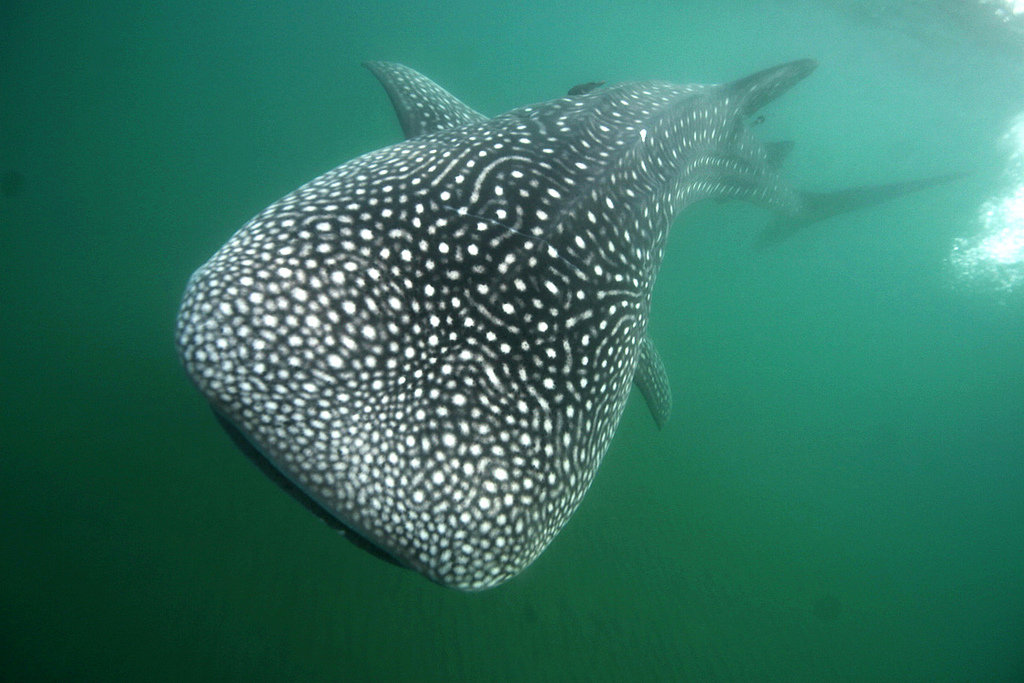
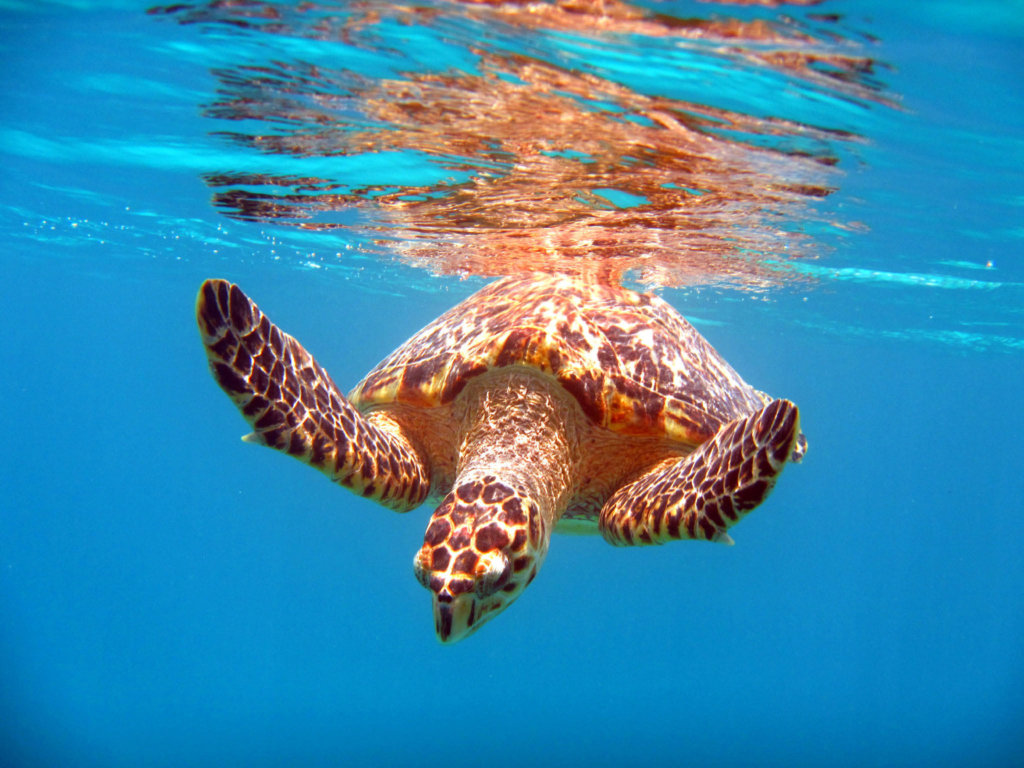
To defend the National Protected Area of Yum Balam - Quintana Roo, AIDA filed a legal document (Amicus Curiae) before the National Supreme Court of Justice. We used international environmental law, human rights, and climate justice arguments to protect the National Park from the claims of the municipal government to open the area to unsustainable tourist developments. Yum Balam is a site of great biodiversity and a carbon sink, storing the equivalent to carbon emissions of 9.4 million people per year. It is a habitat for endangered species such as the red mangrove, sea turtles, about 90% of the endemic birds of the Yucatan Peninsula, and the whale shark. Yum Balam's importance is regional because 59% of the coverage of coastal wetlands in the Great Caribbean Sea Ecosystem has declined over the past 40 years.
Using the legal arguments we used to achieve the protection of 10 species of parrotfish in the Mexican Caribbean and other national legal experiences as part of the strategy to protect coral reefs, AIDA seeks to improve the regulation of herbivores fish species to protect the vulnerable coral reefs ecosystem in the Wider Caribbean Region. AIDA, as an observer and expert of the Scientific and Technical Advisory Committee of the Protocol Concerning Specially Protected Areas and Wildlife, presented earlier this year, a recommendation to include 16 parrotfish species in the Annex III for the protection of vulnerable ecosystems. We will continue to advocate for this inclusion and for stronger protection measures for these key ecosystems in the region.
Project reports on GlobalGiving are posted directly to globalgiving.org by Project Leaders as they are completed, generally every 3-4 months. To protect the integrity of these documents, GlobalGiving does not alter them; therefore you may find some language or formatting issues.
If you donate to this project or have donated to this project, you can receive an email when this project posts a report. You can also subscribe for reports without donating.